Loading subject page…

- Finance
- Behavioral Finance
- The Concept of Loss Aversion
Micro-course: Behavioral Finance
3,690 views
Learn key concepts and earn your certificate.
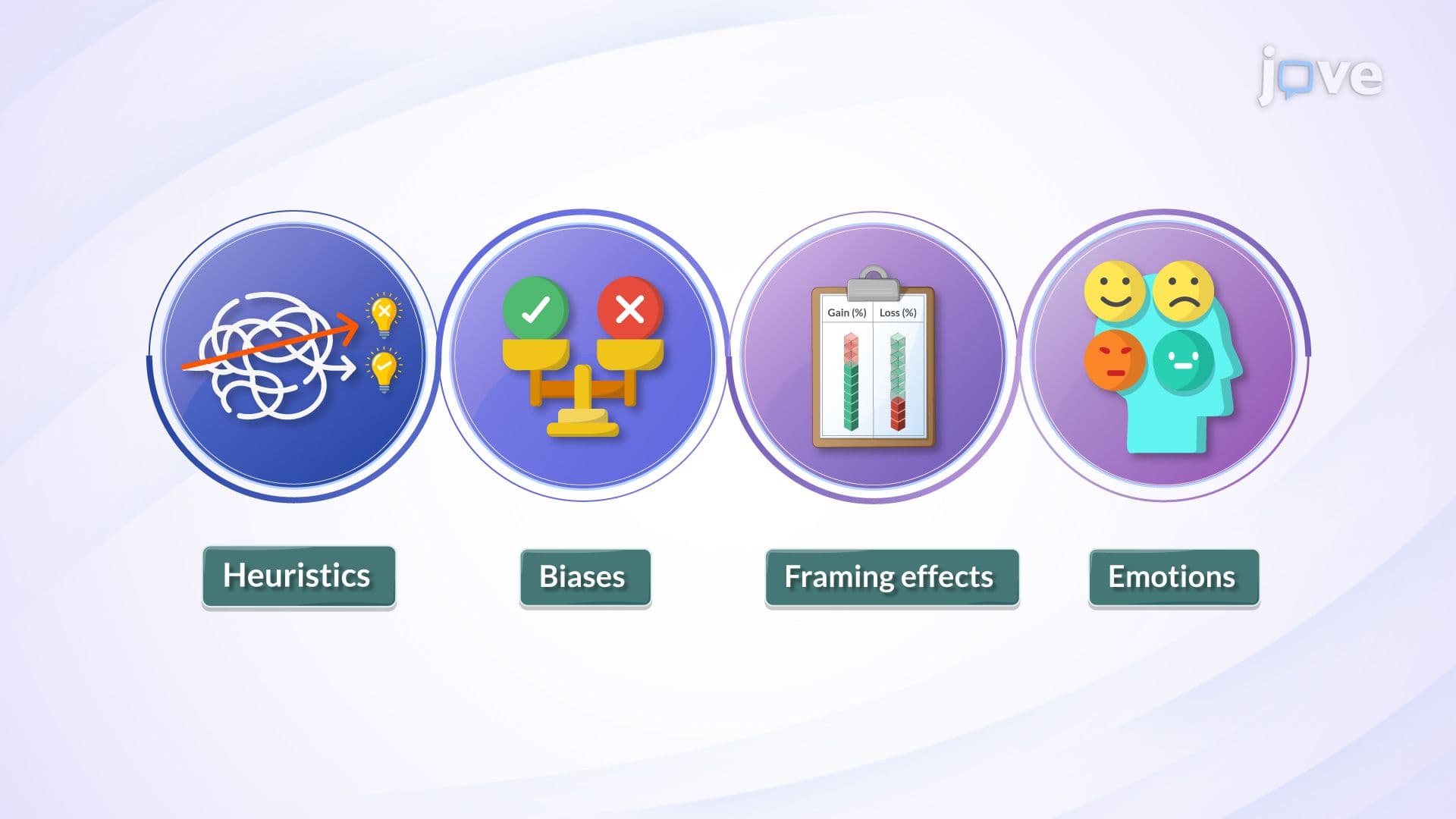

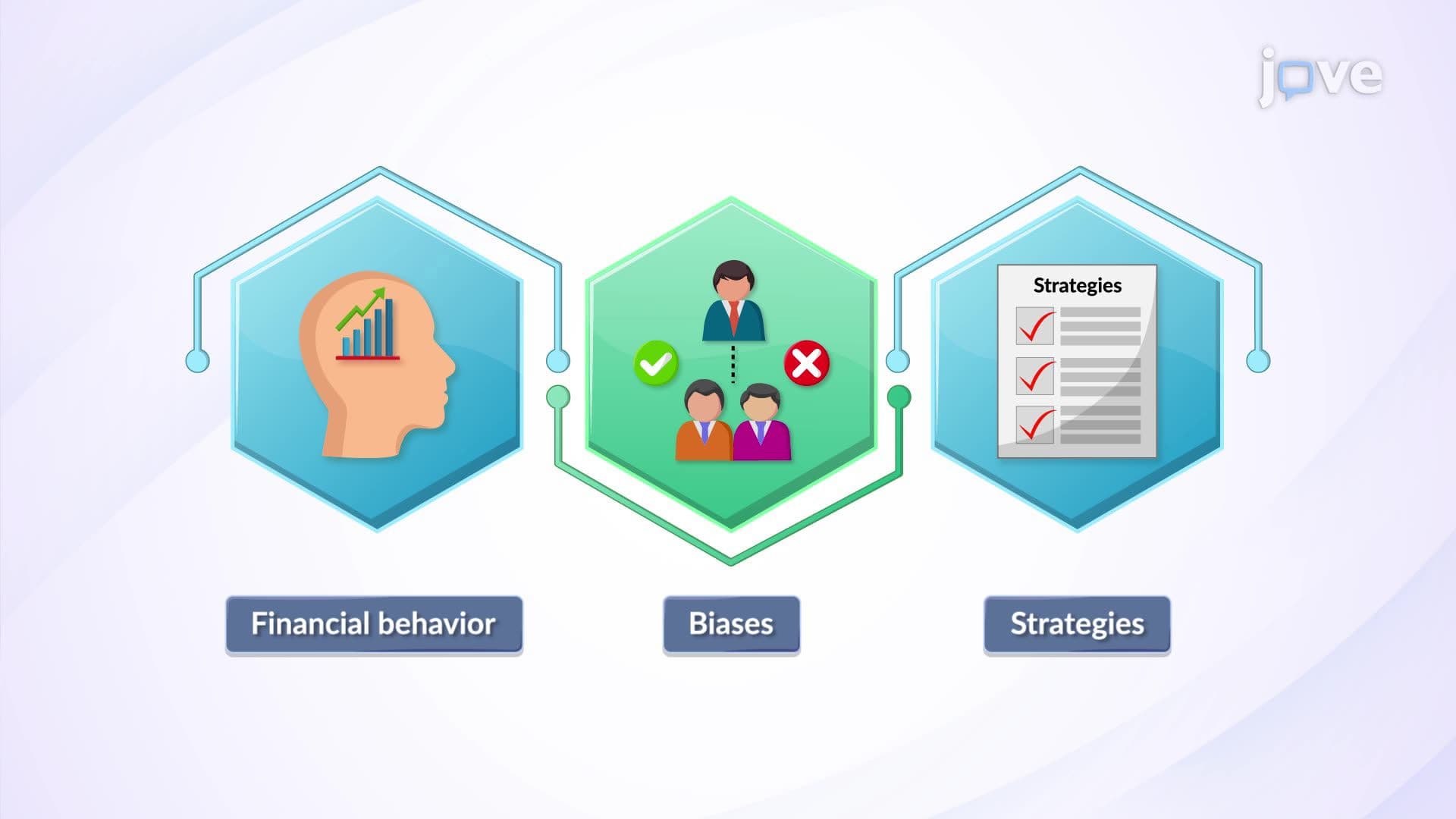
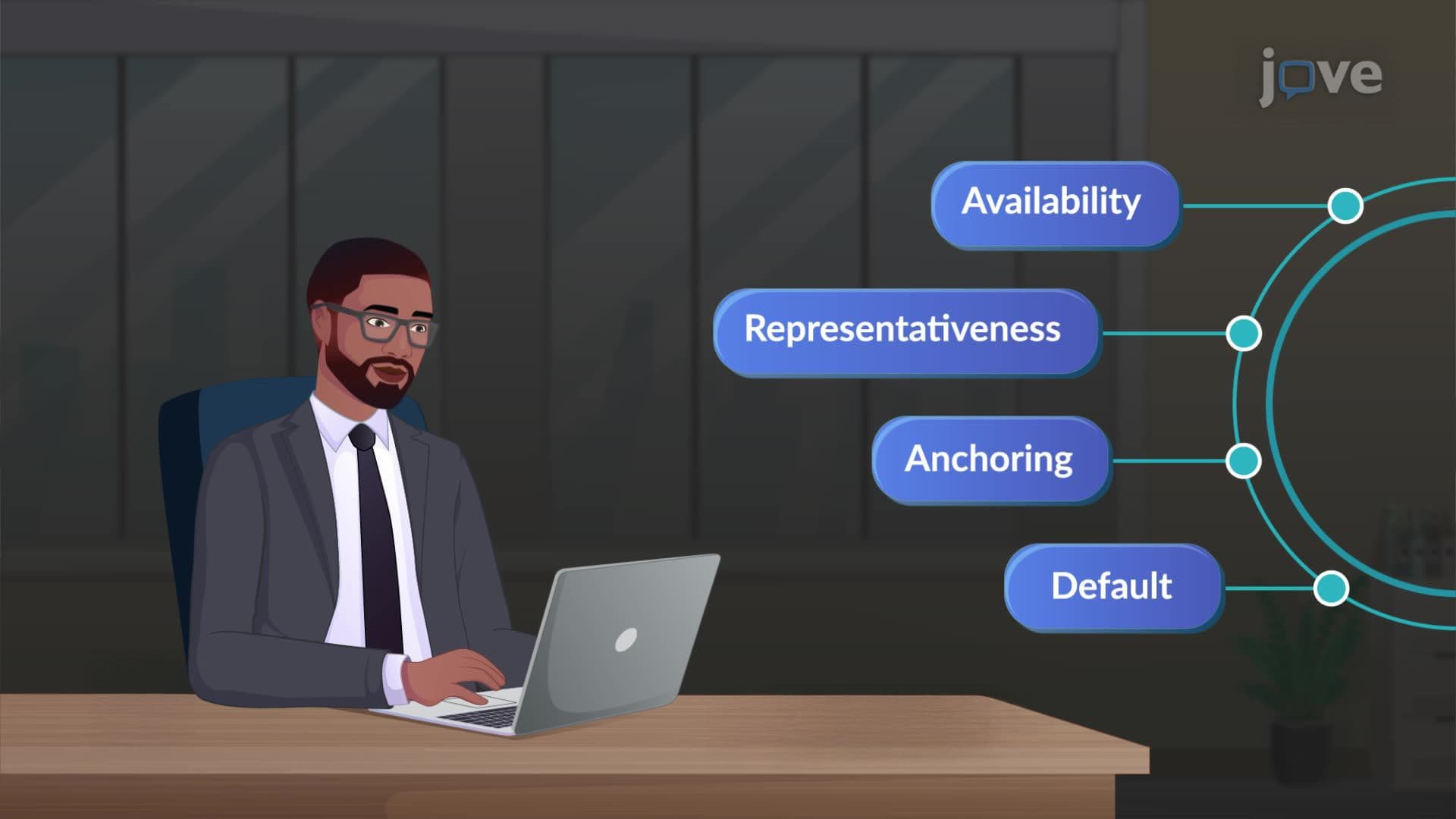







The Concept of Loss Aversion

00:00
01:25
Video Summary: The Concept of Loss Aversion Explained
Market volatility challenges even seasoned executives-why do smart leaders hold onto underperforming investments while missing profitable opportunities? The concept of loss aversion explains this behavioral bias that costs companies millions annually. Research shows losing $50 feels twice as painful as gaining $50 feels rewarding, influencing critical business decisions from Microsoft's delayed product discontinuations to portfolio rebalancing strategies. Watch the full video on JoVE Coach to master this concept with expert-led visuals and step-by-step explanations.
- Apply loss aversion principles to reframe strategic communications, emphasizing what stakeholders stand to lose rather than potential gains
- Evaluate investment decisions objectively by recognizing when emotional attachment to sunk costs overrides sound financial analysis
- Analyze customer behavior patterns to understand why clients resist switching from incumbent vendors despite superior alternatives
- Implement decision-making frameworks that counteract loss aversion bias in budget allocation and resource management processes
- Leverage loss framing techniques in negotiations, sales presentations, and change management initiatives to drive action
- Identify organizational blind spots where loss aversion prevents strategic pivots and competitive positioning improvements
- Assess team dynamics during restructuring or process changes, anticipating resistance rooted in loss aversion psychology
- Compare messaging strategies that emphasize avoiding losses versus achieving gains to optimize stakeholder buy-in and engagement
Understanding The Concept of Loss Aversion in Business Context
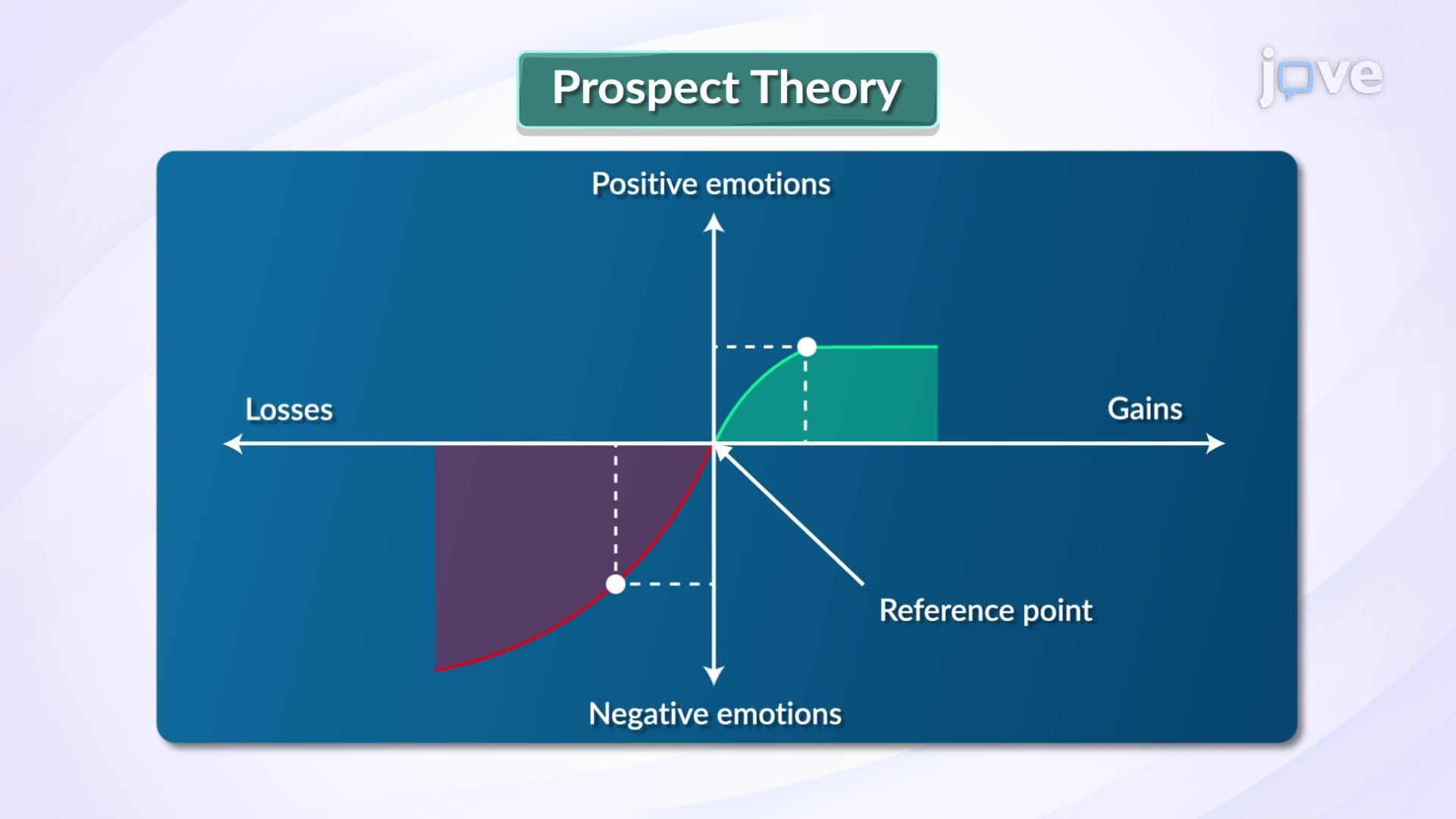
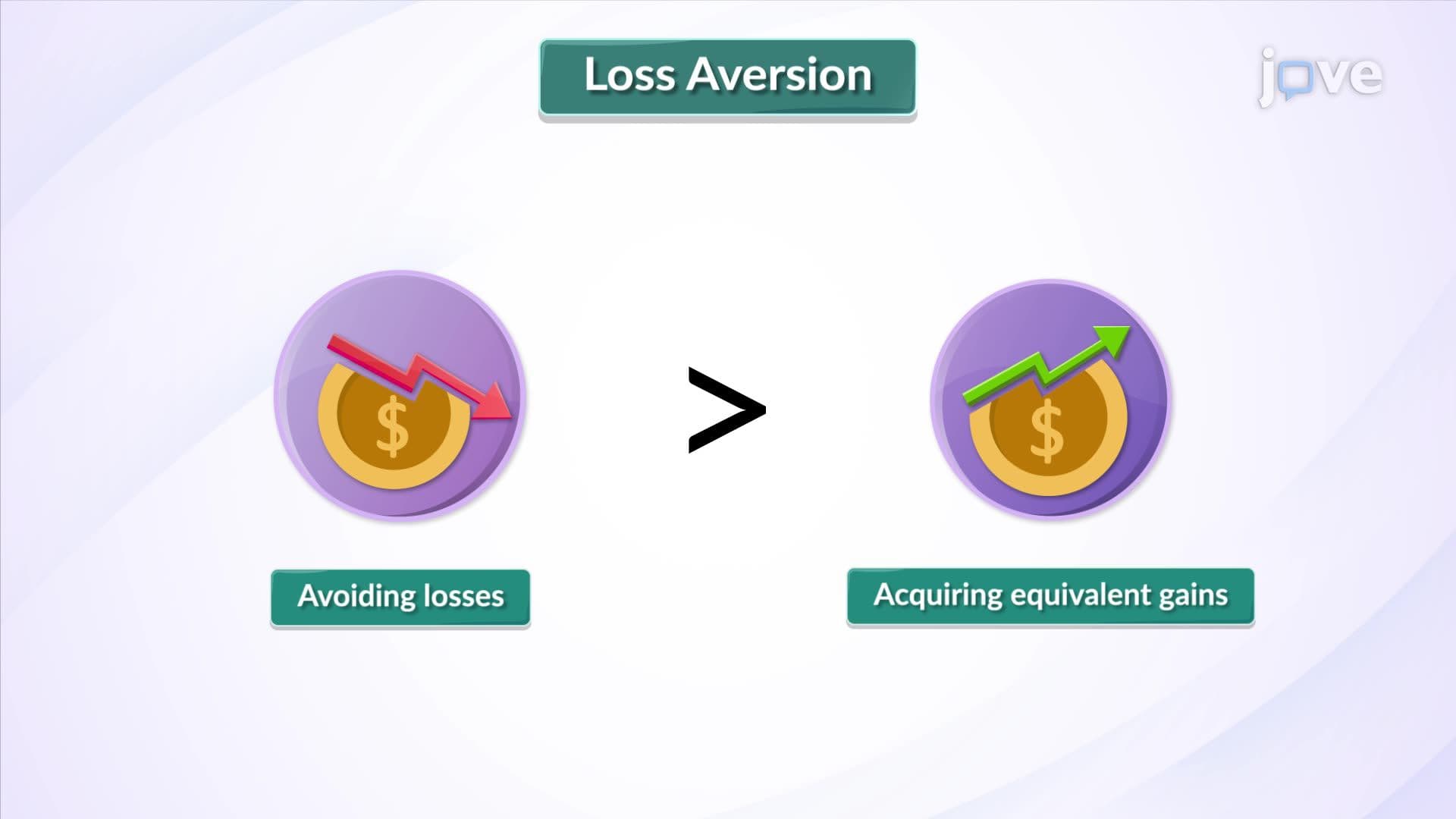
Corporate America loses billions annually due to executive decisions influenced by loss aversion-the psychological principle that individuals feel losses approximately twice as intensely as equivalent gains. This behavioral bias explains why CEOs cling to failing product lines, why procurement teams resist vendor switches despite cost savings, and why investors hold declining stocks while missing growth opportunities.
Strategic Implications for Decision-Making
Loss aversion manifests across organizational levels, from C-suite strategic planning to front-line sales conversations. Consider General Electric's prolonged attachment to underperforming divisions-leadership teams often maintain status quo investments to avoid acknowledging losses rather than reallocating capital to higher-return opportunities. This bias creates competitive vulnerabilities when agile competitors capitalize on market shifts while established players remain paralyzed by potential write-downs.
Financial services firms particularly struggle with loss aversion in portfolio management. Wealth managers at firms like Morgan Stanley observe clients consistently holding losing positions while prematurely selling winners-a phenomenon called the "disposition effect." This behavior directly contradicts sound investment principles and demonstrates how emotional decision-making overrides analytical frameworks.
Practical Applications and Countermeasures
Successful organizations implement systematic approaches to minimize loss aversion's impact. Amazon's culture of "disagree and commit" explicitly addresses this bias by requiring leaders to move forward decisively rather than avoiding potential losses through inaction. The company's willingness to discontinue underperforming initiatives like the Fire Phone demonstrates institutional mechanisms that override individual loss aversion tendencies.
Smart leaders reframe decisions to work with, rather than against, loss aversion psychology. Instead of presenting new software as "gaining 20% efficiency," emphasize "avoiding 20% productivity loss to competitors." This approach proves particularly effective in change management initiatives, where highlighting competitive risks motivates action more effectively than emphasizing potential improvements.
Organizational Implementation Strategies
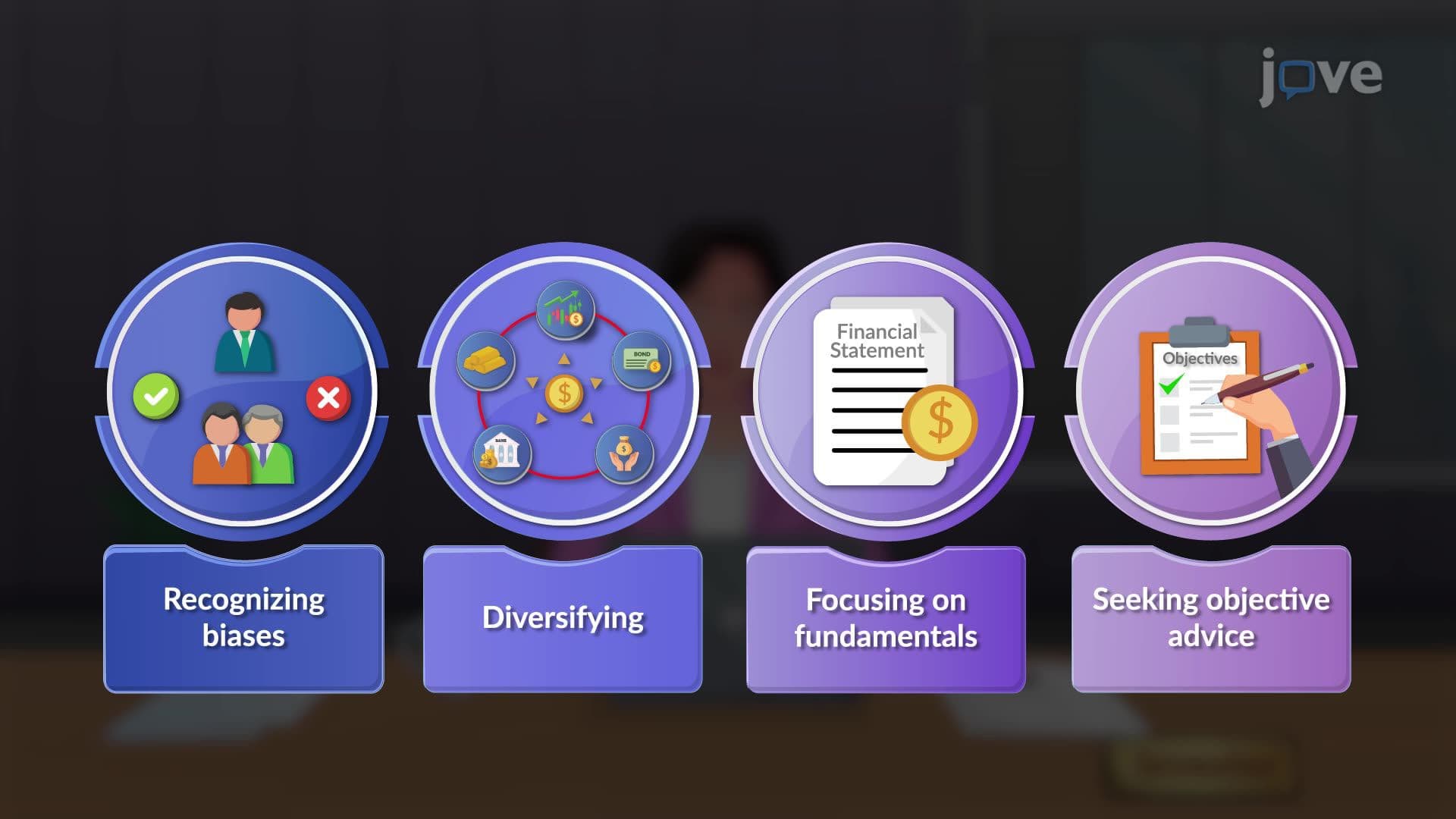
Building loss aversion awareness into corporate governance requires structured processes. Regular portfolio reviews, pre-mortem analyses, and devil's advocate protocols help teams recognize when emotional attachment to existing investments clouds judgment. Companies like Intel have successfully institutionalized these practices, enabling strategic pivots that competitors find difficult to execute.
Frequently Asked Questions
Loss aversion describes why people feel losses more intensely than equivalent gains-typically at a 2:1 ratio. In business, this means employees resist changes that might eliminate current benefits, even when new opportunities offer greater overall value. It explains why customers stick with familiar vendors despite better alternatives and why executives delay difficult but necessary strategic decisions.
Loss aversion influences every resource allocation choice you make. When evaluating whether to discontinue a struggling project, replace outdated systems, or reassign underperforming team members, your brain naturally overweights potential losses versus future gains. This bias can trap you in status quo decisions that slowly erode competitive position while competitors move ahead.
Frame your proposals around what clients risk losing rather than what they might gain. Instead of "increase revenue by 15%," say "avoid losing 15% market share to competitors already using this technology." Present inaction as a guaranteed loss rather than positioning your solution as a potential gain. This psychological framing typically drives faster decision-making and stronger commitment.
BlackBerry's delayed response to iPhone dominance perfectly illustrates organizational loss aversion. Despite clear market signals, leadership clung to their physical keyboard advantage and enterprise focus rather than acknowledging their consumer strategy was failing. Fear of cannibalizing existing revenue streams prevented them from developing competitive touchscreen alternatives, ultimately costing them smartphone market leadership entirely.
No specialized training is required-loss aversion operates at an intuitive level in business relationships and decision-making. Understanding the basic 2:1 loss-to-gain intensity ratio and practicing loss-framed communication techniques provides immediate practical value. Most successful applications come from recognizing the bias in yourself and others, not from complex theoretical knowledge.
Mastering loss aversion makes you more effective at driving organizational change, closing sales, and leading teams through transitions. Executives who can navigate psychological biases in stakeholder communications consistently achieve better results in negotiations, strategy implementation, and performance management. This skill becomes increasingly valuable in senior roles where influencing without authority is essential.
Anchoring bias and confirmation bias directly complement loss aversion in business applications. These three behavioral economics principles form the foundation for understanding how cognitive shortcuts affect strategic thinking, pricing decisions, and competitive analysis. Together, they provide a comprehensive framework for recognizing psychological influences on business judgment.
Related Micro-courses

20 Concepts
18 Concepts

14 Concepts