Loading subject page…

- Finance
- Behavioral Finance
- The Prospect Theory
Micro-course: Behavioral Finance
3,690 views
Learn key concepts and earn your certificate.


















The Prospect Theory

00:00
01:24
Video Summary: What Is the Prospect Theory
Fortune 500 executives consistently make suboptimal investment decisions, with studies showing that prospect theory explains why 80% of corporate acquisitions fail to create shareholder value. This behavioral finance framework reveals how professionals evaluate risk and opportunity relative to reference points rather than absolute outcomes. Companies like General Electric have historically fallen into loss aversion traps, where fear of losses drives riskier decisions than potential gains warrant. Understanding What is The Prospect Theory enables leaders to recognize cognitive biases that derail strategic planning and capital allocation. Watch the full video on JoVE Coach to master this concept with expert-led visuals and step-by-step explanations.
- Apply loss aversion principles to evaluate why teams resist strategic pivots and organizational changes in corporate environments
- Analyze reference point bias when assessing investment proposals, budget allocations, and competitive positioning decisions
- Implement prospect theory frameworks to improve negotiation outcomes with vendors, clients, and strategic partners
- Evaluate risk tolerance patterns in portfolio management and capital expenditure decisions across different business units
- Identify cognitive biases that influence pricing strategies, product launches, and market entry timing decisions
- Assess team decision-making processes to minimize emotional responses to quarterly performance variations and market volatility
- Leverage behavioral finance insights to structure compensation plans, performance metrics, and incentive programs that drive optimal outcomes
- Compare traditional financial models with behavioral approaches to enhance forecasting accuracy and strategic planning effectiveness
Understanding Prospect Theory in Business Decision-Making
When Xerox's leadership team decided to spin off its services division in 2016, they exemplified a classic behavioral finance challenge that prospect theory helps explain. Rather than evaluating decisions based on absolute financial outcomes, executives and managers consistently make choices relative to psychological reference points-often leading to suboptimal business results.
The prospect theory definition explained centers on how professionals perceive value through the lens of gains and losses rather than final wealth positions. This cognitive framework, developed by Daniel Kahneman and Amos Tversky, reveals why experienced business leaders often make seemingly irrational decisions when faced with uncertainty.
Loss Aversion in Corporate Strategy
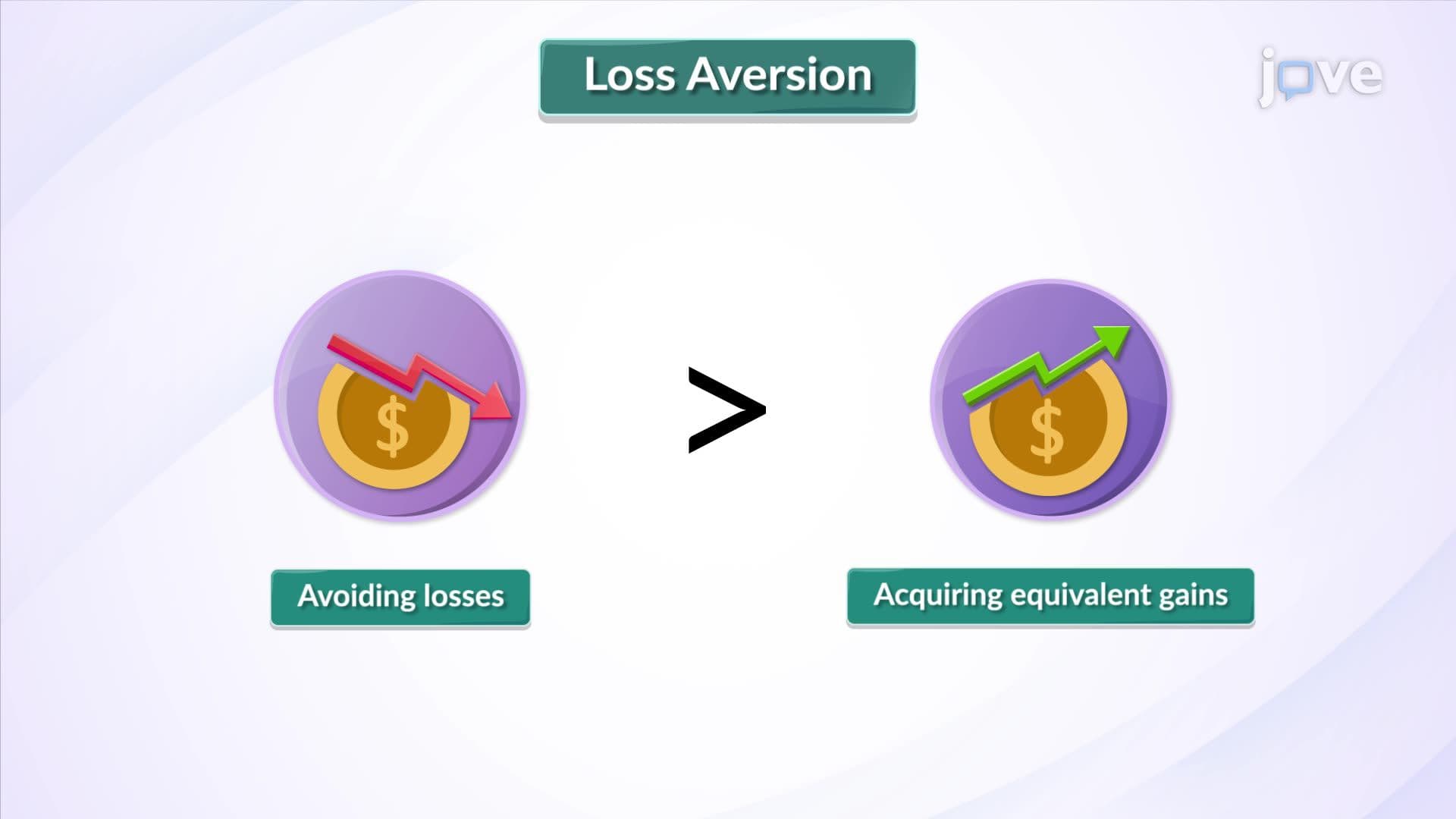
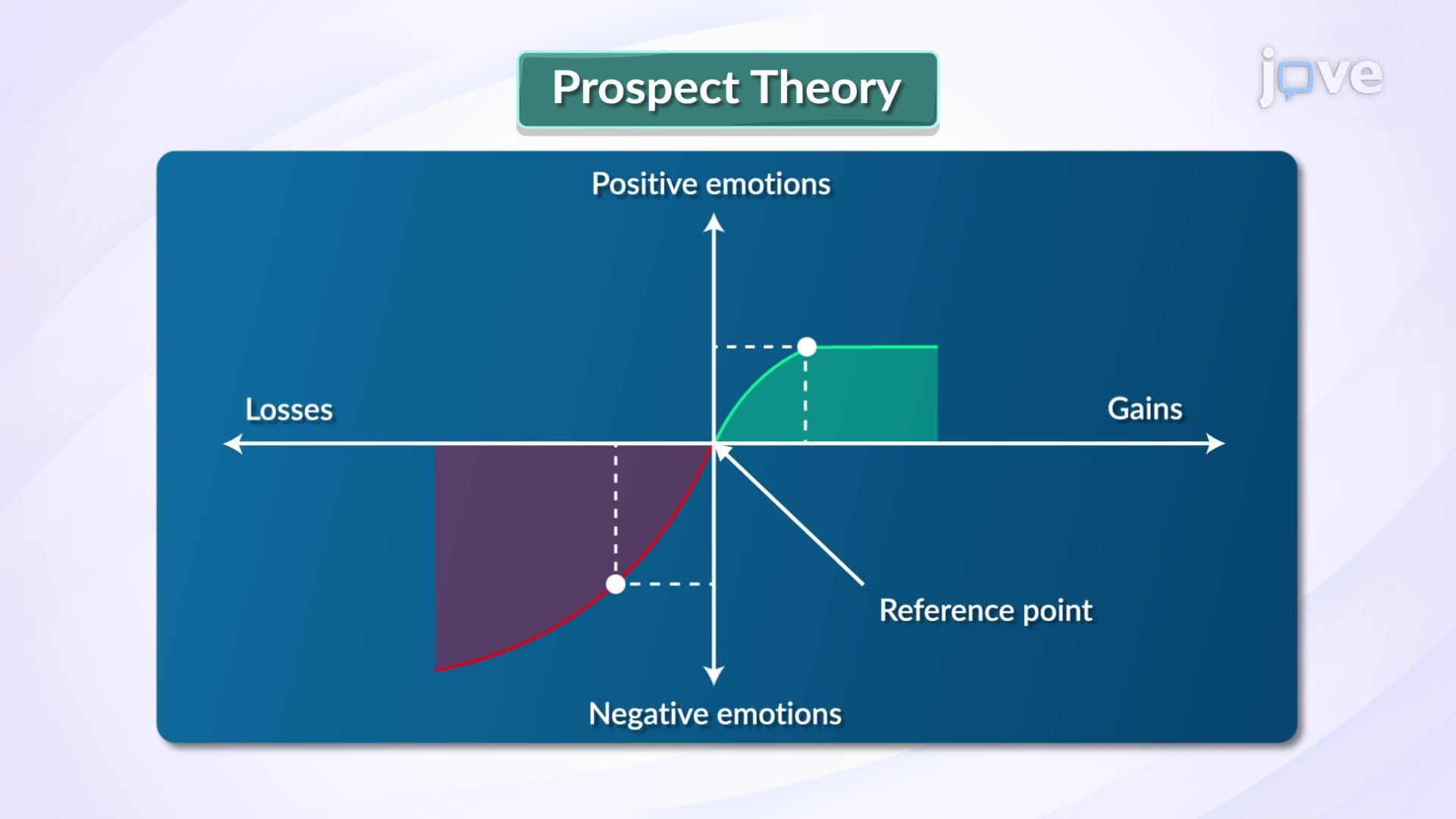
The most powerful component of what is the prospect theory lies in loss aversion-the tendency for potential losses to feel twice as impactful as equivalent gains. Consider how IBM's leadership approached their cloud computing strategy in the early 2010s. Rather than aggressively pursuing growth opportunities that required significant upfront investment, executives focused disproportionately on protecting existing revenue streams from traditional hardware and services.
This loss aversion manifests daily in corporate environments: marketing teams avoiding bold campaign strategies, procurement departments rejecting innovative suppliers, and R&D groups underfunding breakthrough technologies. The emotional weight of potential losses creates systematic blind spots that competitors can exploit.
Value Function Applications for Business Leaders
The prospect theory study guide for working professionals must address the value function's practical implications. The concave shape for gains explains why management teams often settle for incremental improvements rather than pursuing transformational opportunities. Meanwhile, the convex shape for losses illuminates why organizations take increasingly desperate risks when performance falls below expectations.
Amazon's early years demonstrate prospect theory in action. Jeff Bezos consistently framed quarterly losses as investments in future market position, effectively shifting his team's reference point from short-term profitability to long-term market dominance. This strategic use of reference point management enabled sustained risk-taking that traditional loss aversion would have prevented.
Implementation Framework for Decision-Making
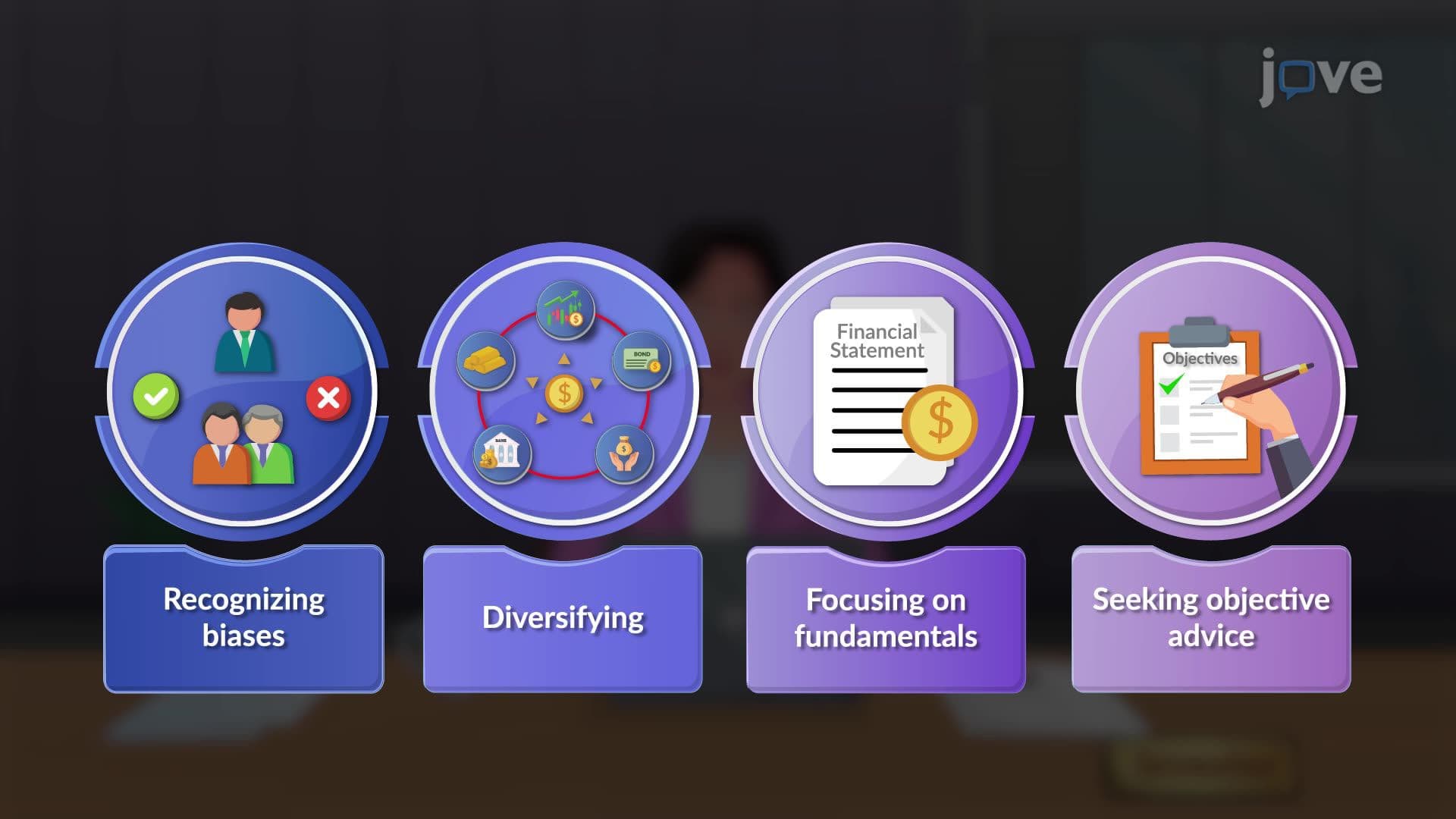
Effective leaders leverage the prospect theory concept explained through structured decision-making processes. First, explicitly identify reference points before major strategic discussions. Second, quantify potential losses and gains using consistent measurement frameworks. Third, deliberately challenge loss aversion by requiring teams to articulate the opportunity costs of inaction.
Microsoft's transformation under Satya Nadella exemplifies this approach-systematically reframing the company's reference point from protecting Windows market share to capturing cloud computing opportunities, ultimately driving significant shareholder value creation.
Frequently Asked Questions
Prospect theory explains decision-making based on perceived gains and losses from reference points, while traditional models assume rational evaluation of absolute outcomes. It reveals why executives often make choices that appear financially irrational but follow predictable psychological patterns. This framework helps explain common business phenomena like escalation of commitment and risk-seeking behavior during downturns.
Start by establishing clear reference points before discussing allocation decisions-whether that's last year's budget, competitor spending, or strategic targets. Frame discussions around potential gains from new initiatives rather than cuts to existing programs. This approach reduces loss aversion resistance and encourages more objective evaluation of resource allocation options across departments.
Loss aversion makes potential downsides feel more significant than equivalent upsides, causing teams to overweight risks of change versus status quo benefits. Address this by explicitly quantifying both opportunity costs of inaction and implementation risks. Use pilot programs to create smaller reference points that make change feel less threatening and build confidence through incremental wins.
Coca-Cola's 1985 New Coke launch illustrates classic loss aversion-management focused intensely on losing market share to Pepsi rather than evaluating absolute consumer preference data. They underestimated how strongly consumers would react to losing their familiar reference point. The swift reversal to Classic Coke showed how prospect theory influences both corporate decisions and consumer behavior patterns.
No advanced finance background is required-prospect theory focuses on observable decision-making patterns that any professional can recognize and apply. The core concepts of loss aversion and reference point bias appear consistently across marketing decisions, operational planning, and team management. Understanding these behavioral patterns enhances leadership effectiveness regardless of technical financial expertise.
Leaders who understand behavioral finance principles make more effective strategic decisions and better predict team and market reactions to change initiatives. This knowledge enables you to structure proposals more persuasively, navigate organizational resistance more effectively, and identify competitive advantages that others miss due to cognitive biases. These skills directly translate to improved business outcomes and executive presence.
After mastering prospect theory, examine anchoring bias in pricing and negotiation strategies, followed by confirmation bias in market research and competitive analysis. Mental accounting principles also complement prospect theory by explaining how organizations compartmentalize financial decisions, often leading to suboptimal resource allocation across business units and strategic initiatives.
Related Micro-courses

20 Concepts
18 Concepts

14 Concepts