Loading subject page…

- Finance
- Financial Ratio Analysis
- Activity Ratios: Stock Turnover Ratio
Micro-course: Financial Ratio Analysis
5,239 views
Learn key concepts and earn your certificate.









Activity Ratios: Stock Turnover Ratio

00:00
01:19
Video Summary: Activity Ratios Stock Turnover Ratio Explained
Activity ratios stock turnover analysis has become critical for executives managing working capital efficiency amid rising inventory costs and supply chain volatility. This financial metric reveals how effectively companies like Amazon convert inventory investments into revenue, directly impacting cash flow and profitability. The Activity Ratios Stock Turnover Ratio Explained framework helps professionals evaluate operational performance and identify capital optimization opportunities. Watch the full video on JoVE Coach to master this concept with expert-led visuals and step-by-step explanations.
- Apply stock turnover ratio calculations to assess your company's inventory efficiency and identify working capital optimization opportunities
- Evaluate competitor performance using activity ratios to benchmark your organization's operational effectiveness and market positioning
- Analyze seasonal trends and industry patterns in inventory turnover to inform strategic procurement and sales forecasting decisions
- Implement targeted inventory management strategies based on turnover ratio insights to improve cash flow and reduce carrying costs
- Compare departmental or product line performance using turnover metrics to allocate resources and identify underperforming segments
- Leverage activity ratios data in executive presentations and board meetings to demonstrate operational efficiency and strategic progress
- Identify potential cash flow constraints and overstocking issues before they impact business operations and profitability
- Assess acquisition targets or investment opportunities by examining their inventory turnover patterns and operational efficiency
Understanding Activity Ratios Stock Turnover in Strategic Context
When Walmart's executives review quarterly performance metrics, inventory turnover ratios often determine whether regional managers receive performance bonuses or face restructuring decisions. The activity ratios stock turnover measurement-calculated as Cost of Goods Sold divided by Average Inventory-reveals how efficiently management converts inventory investments into sales revenue, making it a critical performance indicator for operational leaders.
Competitive Intelligence and Benchmarking Applications
Smart executives leverage activity ratios stock turnover data to assess competitive positioning within their industries. Target Corporation consistently maintains inventory turnover ratios around 6-7 times annually, significantly outperforming traditional department stores that often struggle with ratios below 4. This operational advantage translates directly into superior cash flow generation and the ability to respond quickly to changing consumer preferences.
Strategic Decision-Making Framework
The formula Stock Turnover Ratio = Cost of Goods Sold ÷ Average Inventory provides executives with actionable intelligence for multiple strategic decisions. When Best Buy's inventory turnover accelerated during the digital transformation, management reallocated floor space from slow-moving categories to high-velocity products, improving overall profitability. Similarly, manufacturing executives use turnover ratios to optimize production schedules and supplier relationships.
Capital Allocation and Performance Management
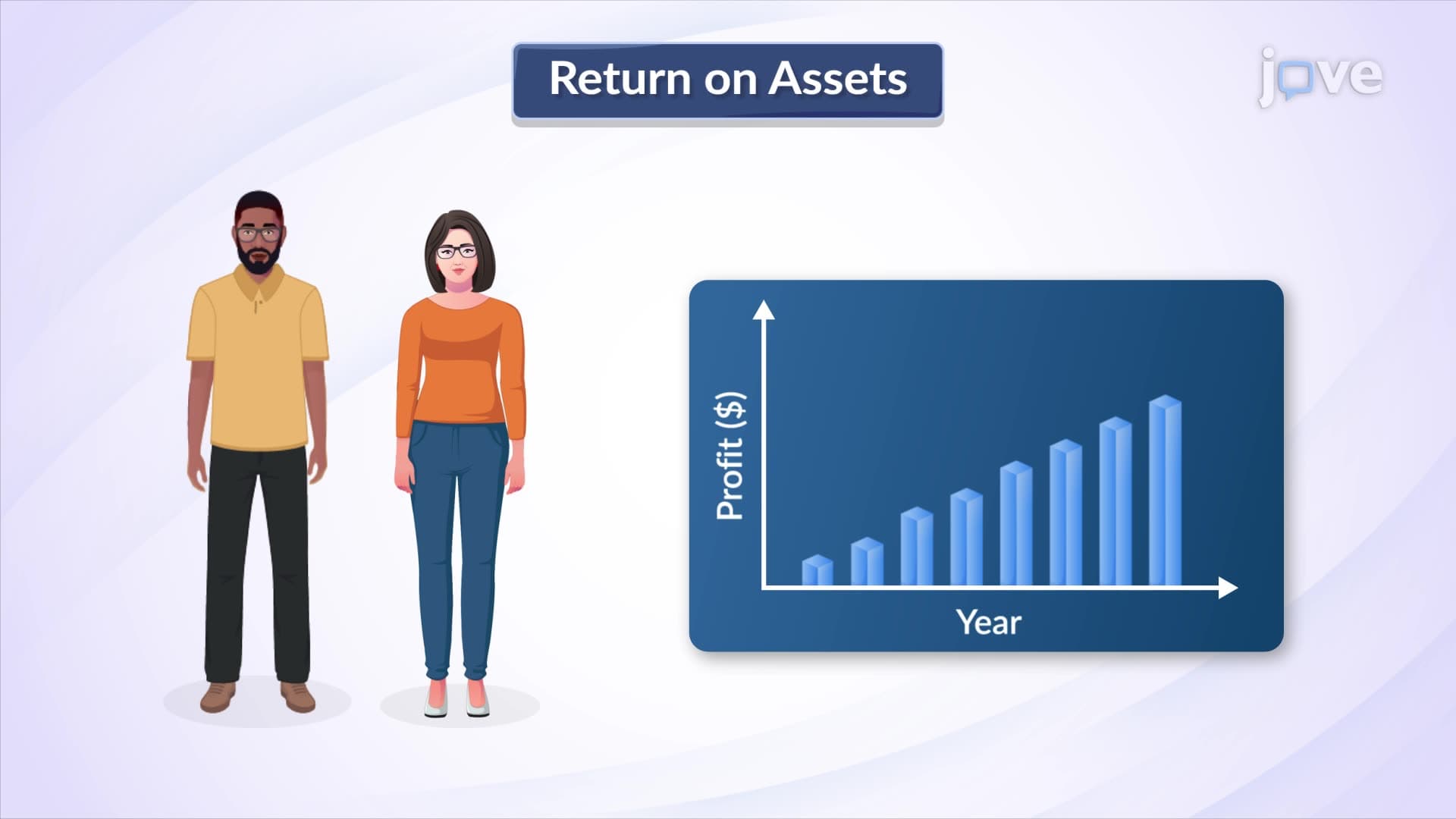
Professional managers understand that activity ratios stock turnover directly impacts return on assets and working capital requirements. A company maintaining $10 million in average inventory with a turnover ratio of 5 generates the same sales volume as a competitor with $20 million in inventory turning only 2.5 times annually. This efficiency advantage frees up capital for growth investments, dividend payments, or debt reduction-strategic choices that define competitive advantage in capital-intensive industries.
Modern supply chain disruptions have elevated inventory turnover analysis from routine financial reporting to strategic imperative, as executives balance stockout risks against carrying cost optimization in an increasingly volatile business environment.
Frequently Asked Questions
The stock turnover ratio measures how many times a company sells and replaces its inventory annually, calculated as Cost of Goods Sold divided by Average Inventory. It's crucial because it directly impacts cash flow, working capital efficiency, and competitive positioning. Higher ratios typically indicate superior operational management and faster capital conversion.
Present turnover ratios alongside sales growth and margin data to demonstrate operational efficiency trends. Compare your ratios against industry benchmarks to identify optimization opportunities or justify capital allocation decisions. Use quarterly trends to forecast working capital needs and inform procurement strategies.
Industry context matters significantly-grocery retailers like Kroger maintain ratios above 10, while luxury goods companies operate efficiently with ratios around 3-4. Focus on trend analysis and peer comparison rather than absolute numbers. Declining ratios may signal operational issues or market positioning challenges requiring immediate attention.
Home Depot achieves superior turnover through data-driven demand forecasting, regional inventory optimization, and strategic vendor partnerships. Their seasonal inventory management and just-in-time replenishment systems minimize carrying costs while maintaining high service levels, translating into industry-leading working capital efficiency.
Basic financial literacy helps, but the core concept is straightforward business logic-how quickly you convert inventory investment into sales revenue. Most professionals can master the calculation and interpretation with focused practice. The strategic insights matter more than technical complexity for executive decision-making.
Understanding inventory efficiency demonstrates operational acumen that's valued across industries, from retail management to investment banking. You'll contribute more effectively to strategic planning, performance reviews, and business development discussions. This knowledge is particularly valuable for roles involving P&L responsibility or operational consulting.
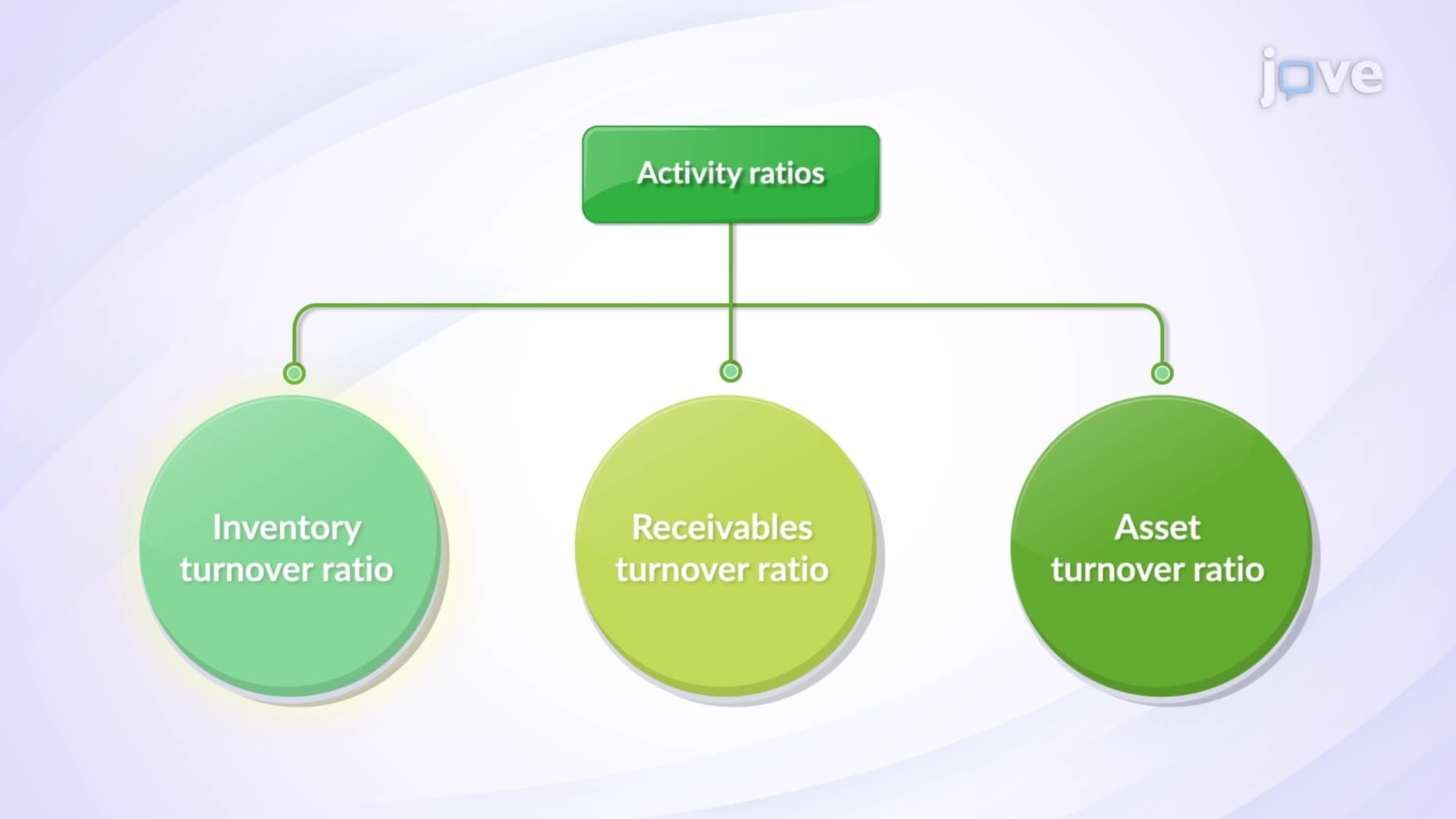
Consider studying accounts receivable turnover and asset turnover ratios to build comprehensive activity ratio expertise. Cash conversion cycles and working capital management provide additional strategic context. These interconnected concepts form the foundation for advanced financial analysis and operational optimization strategies.
Related Micro-courses