Loading subject page…

- Finance
- Financial Ratio Analysis
- Profitability Ratios: Earnings per Share
Micro-course: Financial Ratio Analysis
5,239 views
Learn key concepts and earn your certificate.
















Profitability Ratios: Earnings per Share
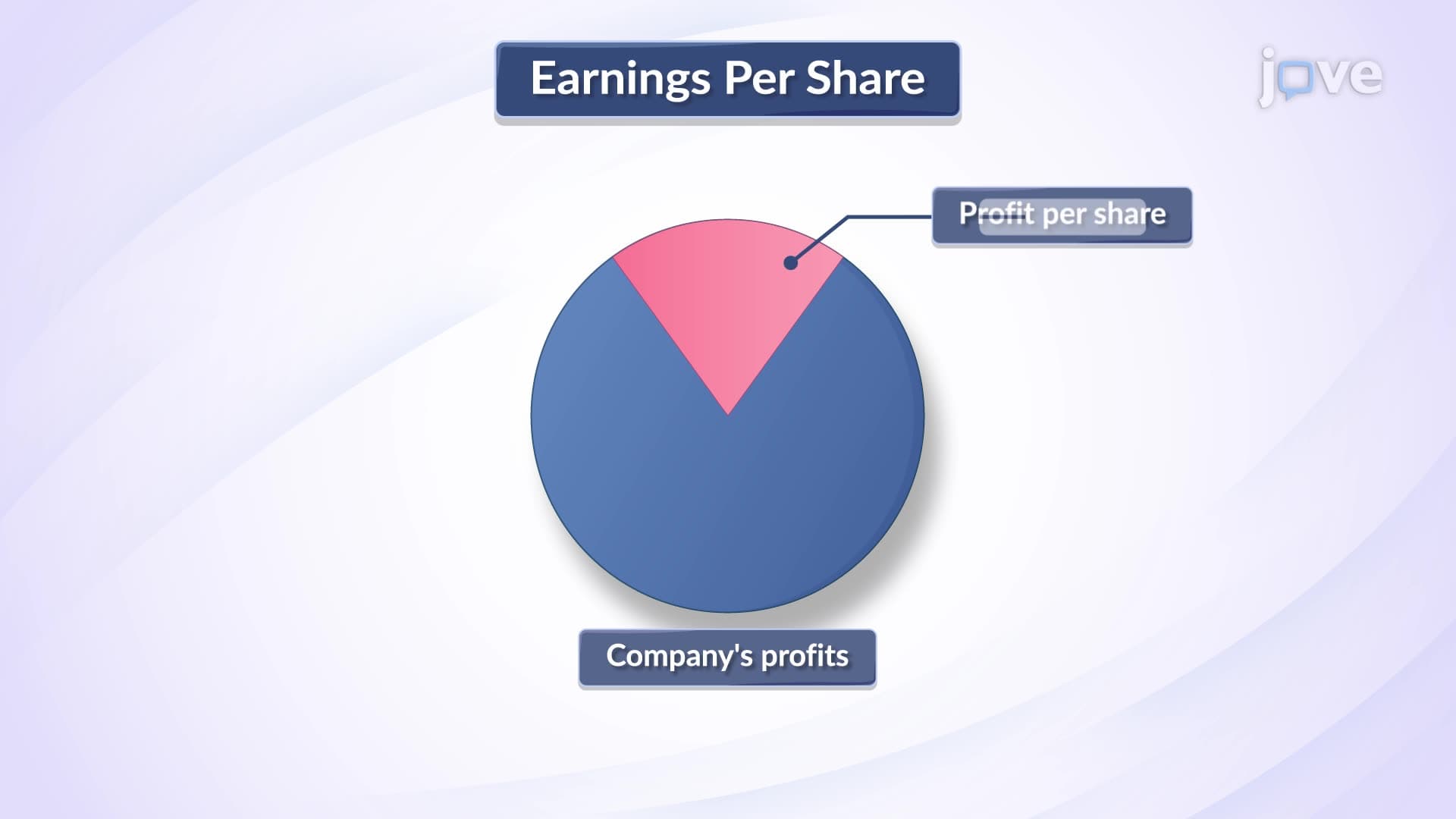

00:00
01:16
Video Summary: Profitability Ratios Earnings Per Share Explained
When Apple reported $99.8 billion in quarterly revenue but investors focused intensely on its $1.88 earnings per share, it highlighted how profitability ratios earnings per share drives market valuations and investment decisions. This fundamental metric reveals how efficiently companies convert revenue into shareholder value, making it essential for executives evaluating competitive positioning and analysts assessing investment opportunities. Watch the full video on JoVE Coach to master this concept with expert-led visuals and step-by-step explanations.
- Apply earnings per share calculations to evaluate investment opportunities and benchmark company performance against industry competitors
- Analyze how share count changes through buybacks or dilution directly impact EPS and shareholder value creation
- Compare profitability efficiency across companies of different sizes using per-share metrics rather than absolute profit figures
- Evaluate management effectiveness in generating returns for shareholders through consistent EPS growth trends
- Implement EPS analysis in strategic planning to assess the impact of business decisions on shareholder value
- Leverage EPS data in board presentations and stakeholder communications to demonstrate financial performance
- Identify market opportunities by analyzing EPS disparities between companies in similar business segments
- Assess acquisition targets using EPS metrics to determine relative valuation and integration potential
Understanding Profitability Ratios Earnings Per Share in Strategic Context
In boardrooms across corporate America, executives routinely face a critical question: How do we measure and communicate our company's profitability effectiveness to shareholders? While revenue growth captures headlines, sophisticated investors and business leaders rely on earnings per share (EPS) as the definitive metric for evaluating management's ability to generate value for each ownership stake.
The Strategic Framework Behind EPS Calculation
The earnings per share formula-net income divided by weighted average outstanding shares-appears straightforward, but its strategic implications run deep. Consider Microsoft's 2023 performance: with $72.7 billion in net income and approximately 7.4 billion shares outstanding, the company achieved an EPS of roughly $9.83. This figure immediately communicates Microsoft's profit generation efficiency in terms shareholders understand intuitively.
The calculation becomes particularly powerful when evaluating companies within competitive landscapes. Tesla's EPS trajectory from negative territory in early years to $4.73 in 2023 tells a compelling story of operational maturity and market penetration that raw profit numbers alone cannot convey.
EPS as a Management Decision-Making Tool
Smart executives leverage EPS analysis for strategic initiatives beyond investor relations. Share buyback programs, popularized by companies like Berkshire Hathaway and Apple, directly impact EPS by reducing the denominator while maintaining earnings levels. This creates immediate shareholder value and signals management confidence in future cash generation.
Conversely, acquisition strategies must account for EPS dilution. When companies issue new shares to fund mergers, the immediate EPS impact often concerns investors, requiring clear communication about long-term accretion benefits. Amazon's acquisition strategy frequently demonstrates this dynamic, where short-term EPS pressure yields to long-term market expansion.
Competitive Intelligence and Market Positioning
Professional analysts use EPS comparisons to identify market inefficiencies and competitive advantages. Walmart's consistent EPS growth despite intense retail competition demonstrates operational excellence and market positioning strength. Meanwhile, EPS volatility in sectors like energy reflects both commodity exposure and operational leverage decisions.
Frequently Asked Questions
Earnings per share measures how much profit a company generates for each outstanding share of stock, calculated by dividing net income by average shares outstanding. It's crucial because it standardizes profitability across companies of different sizes, enabling direct performance comparisons and informing investment allocation, acquisition valuations, and strategic planning decisions.
Compare your company's EPS growth trends against key competitors over 3-5 year periods to demonstrate relative performance. Highlight factors driving EPS changes-operational improvements, market share gains, or capital allocation efficiency-to support strategic recommendations and budget requests for growth initiatives.
EPS helps determine whether an acquisition will be accretive or dilutive to shareholder value in the near term. Calculate pro forma EPS assuming various purchase prices and financing structures to negotiate better terms and communicate deal rationale to boards and investors effectively.
Apple's massive share buyback program, returning over $500 billion to shareholders since 2012, directly boosted EPS by reducing outstanding shares from about 6.6 billion to under 16 billion shares. This strategy enhanced shareholder returns even during periods of modest revenue growth, demonstrating EPS as a value creation tool.
No specialized background is required-EPS uses basic division that any business professional can master. Focus on understanding the business drivers behind EPS changes rather than complex calculations, as strategic insights about competitive positioning and operational efficiency matter more than technical precision.
Strong EPS analysis skills demonstrate financial literacy essential for senior management roles, enhance your credibility in strategic planning discussions, and improve your ability to communicate with investors, board members, and other stakeholders who rely on these metrics for decision-making.
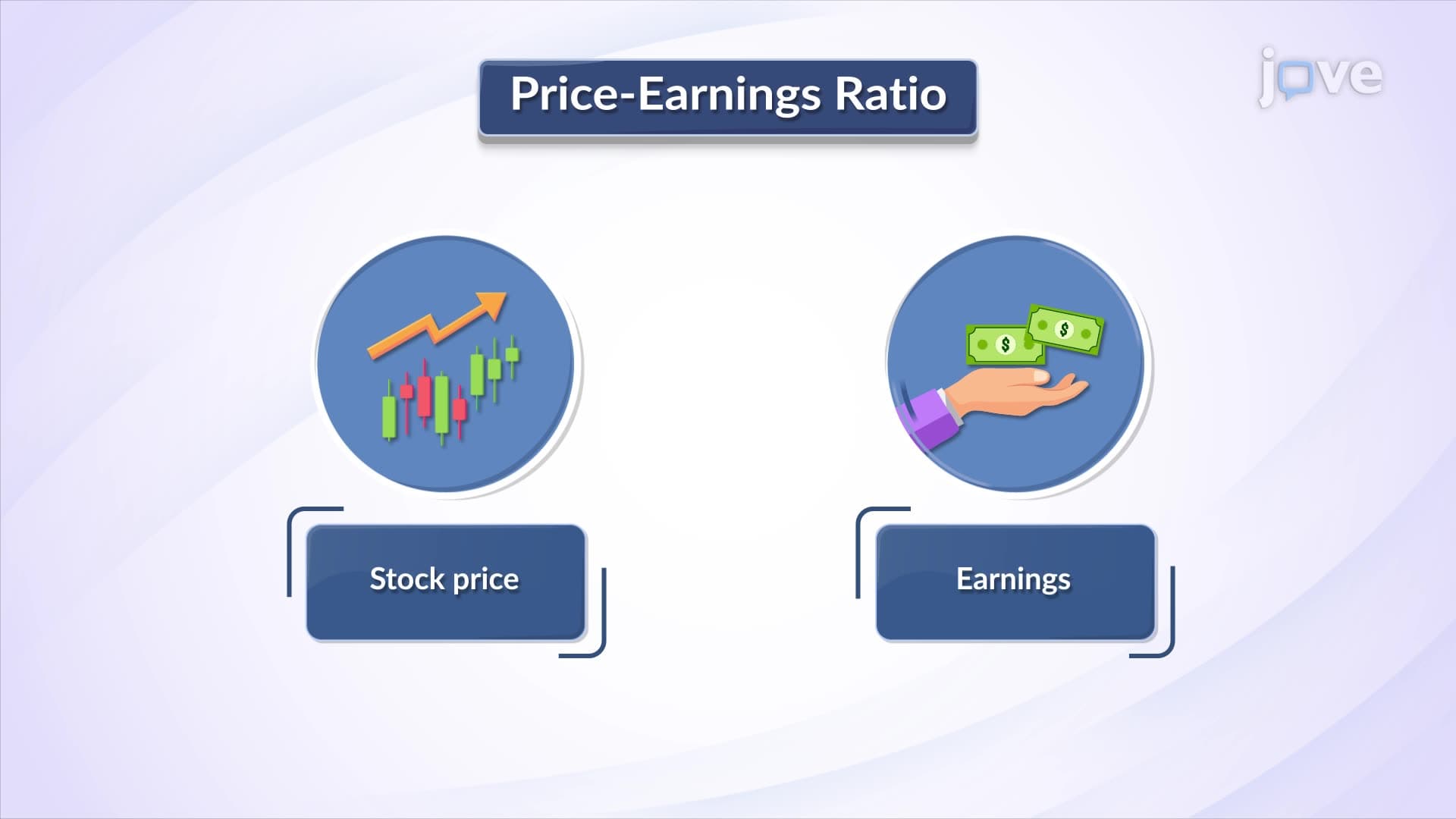
Examine price-to-earnings (P/E) ratios to understand how markets value EPS performance, then explore return on equity (ROE) and free cash flow per share to build a comprehensive framework for evaluating business performance and investment opportunities.
Related Micro-courses