Loading subject page…

- Finance
- Financial Ratio Analysis
- Solvency Ratios
Micro-course: Financial Ratio Analysis
5,239 views
Learn key concepts and earn your certificate.










Solvency Ratios

00:00
01:26
Video Summary: What are Solvency Ratios
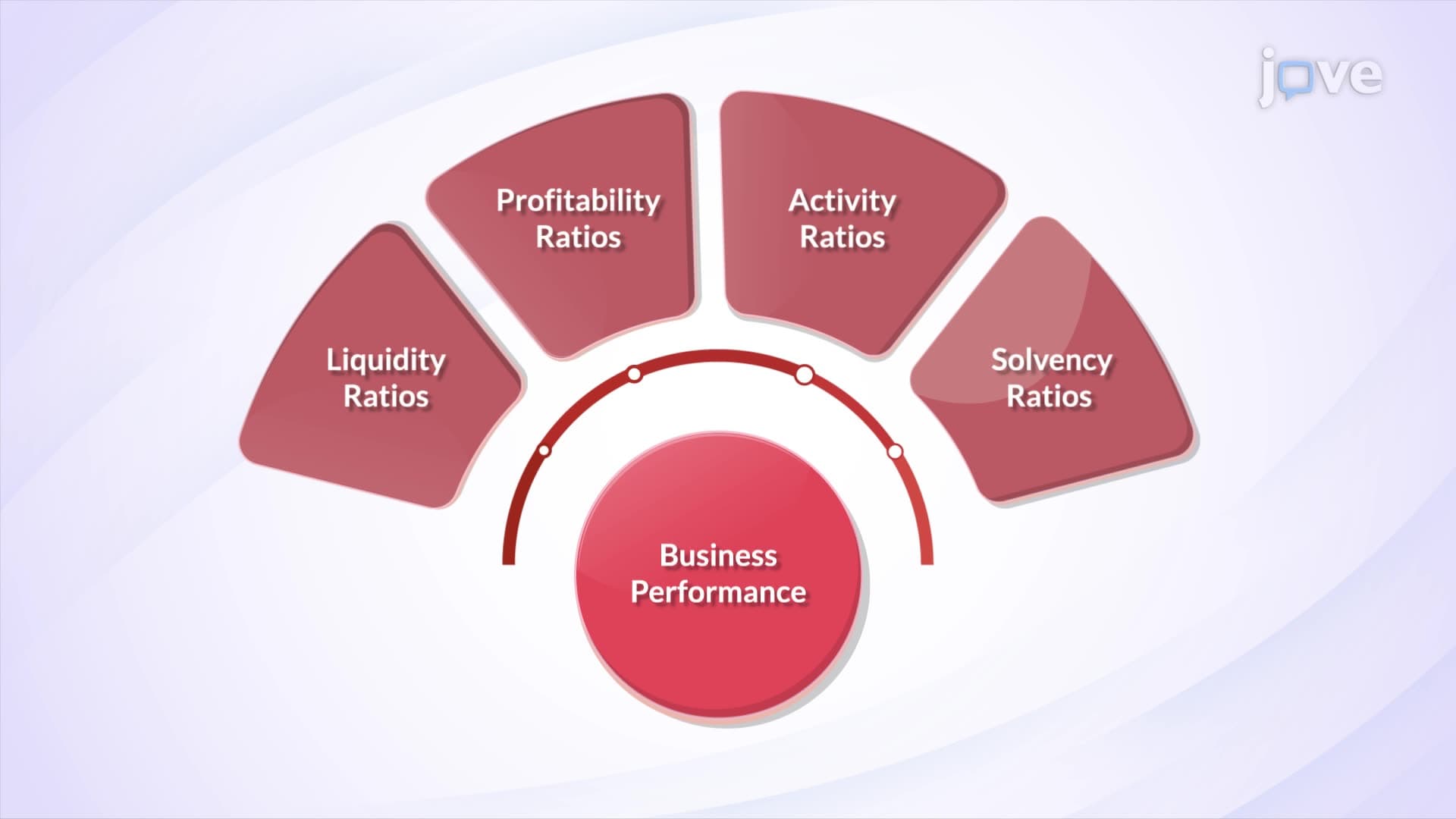
When credit markets tighten and investors scrutinize corporate balance sheets, solvency ratios become critical decision-making tools for business leaders and analysts. These financial metrics assess a company's capacity to meet long-term debt obligations, distinguishing them from short-term liquidity measures. Consider how Wells Fargo evaluates commercial lending applications-solvency ratios directly influence credit approval decisions and interest rate pricing. Understanding what are solvency ratios empowers professionals to make informed investment choices, assess acquisition targets, and strengthen their organization's financial positioning. Watch the full video on JoVE Coach to master this concept with expert-led visuals and step-by-step explanations.
- Apply debt-to-equity, interest coverage, and proprietary ratios to evaluate potential business partners, suppliers, or acquisition targets during due diligence processes
- Analyze solvency metrics to identify early warning signs of financial distress in your industry competitors and adjust strategic positioning accordingly
- Implement solvency ratio benchmarking against sector peers to strengthen presentations to investors, lenders, and board members
- Assess your organization's long-term debt capacity before pursuing major capital expenditures, expansion projects, or strategic initiatives
- Evaluate bond investment opportunities by comparing solvency ratios across corporate issuers within your investment portfolio
- Leverage solvency analysis to negotiate better credit terms and demonstrate financial strength during lending negotiations
- Compare industry-specific solvency standards to position your company favorably in credit rating assessments and investor communications
- Identify optimal capital structure decisions that balance growth financing needs with maintaining strong solvency metrics
What Are Solvency Ratios: Strategic Financial Health Indicators
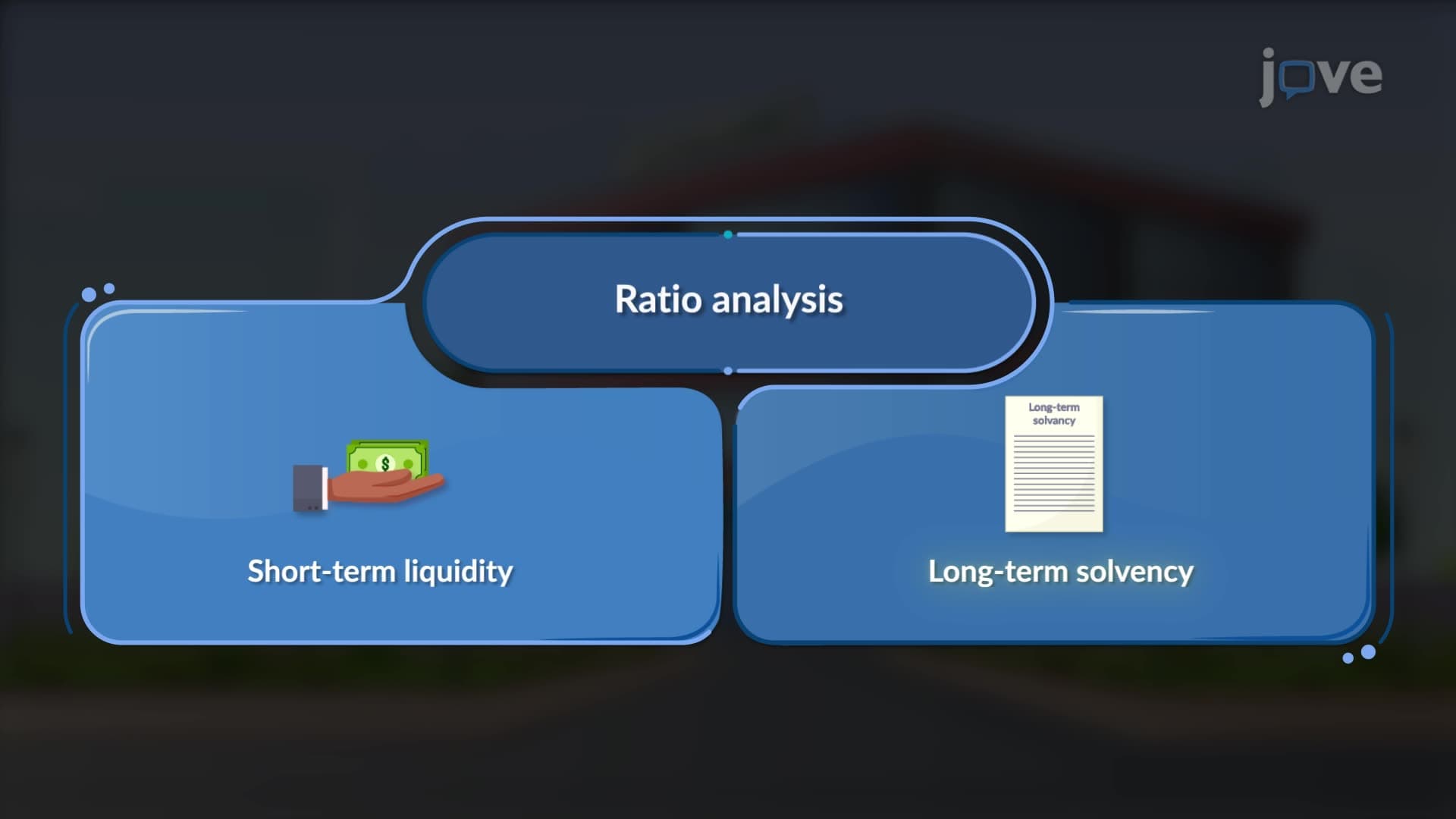
When Caterpillar's CFO presents quarterly earnings to institutional investors, solvency ratios command significant attention because they reveal the company's ability to weather economic downturns while servicing substantial long-term debt. Unlike liquidity ratios that focus on immediate cash flow needs, solvency ratios provide a comprehensive view of financial sustainability over multiple years-a critical distinction for executives making strategic capital allocation decisions.
Core Solvency Ratio Framework for Business Leaders
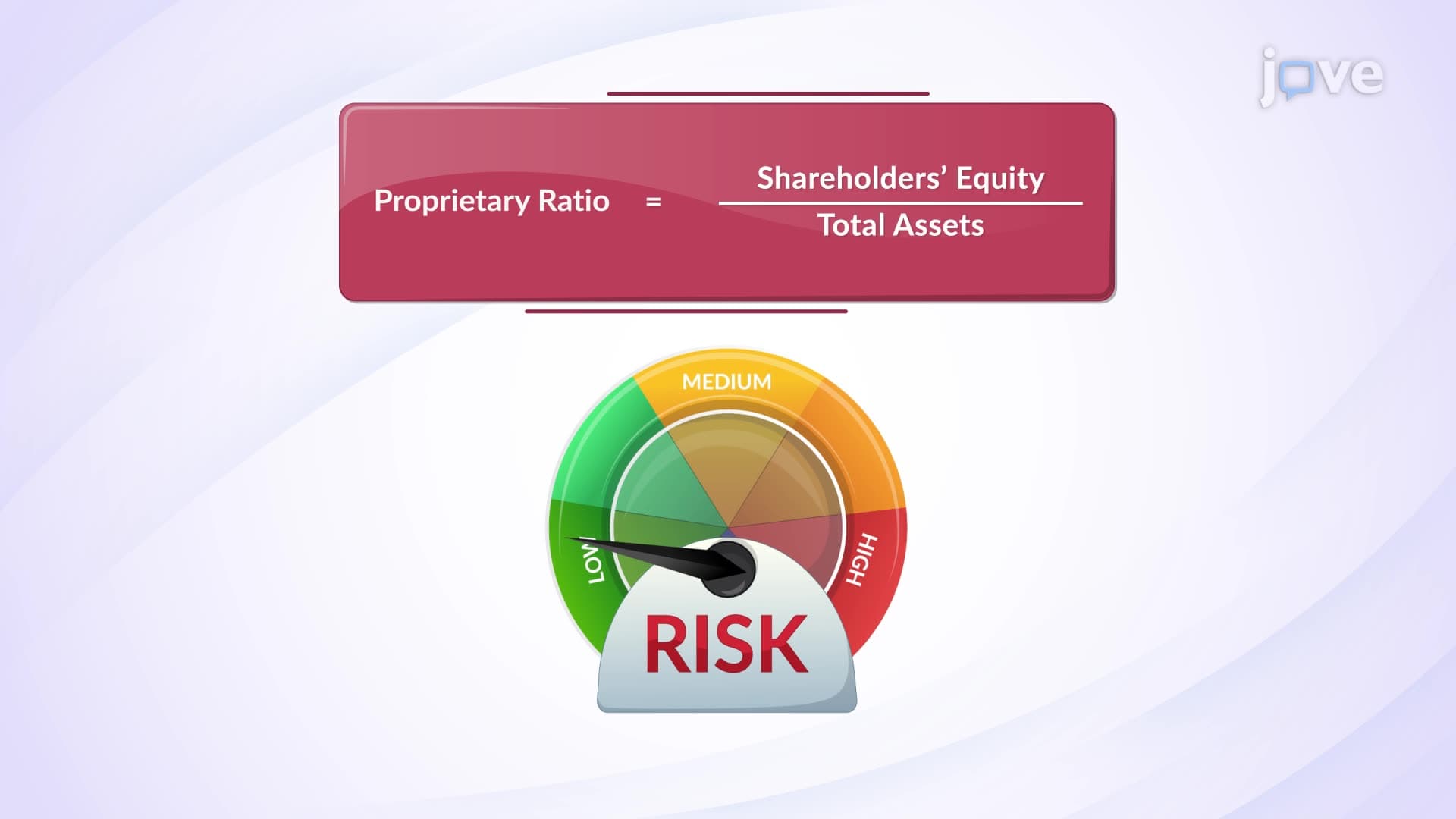
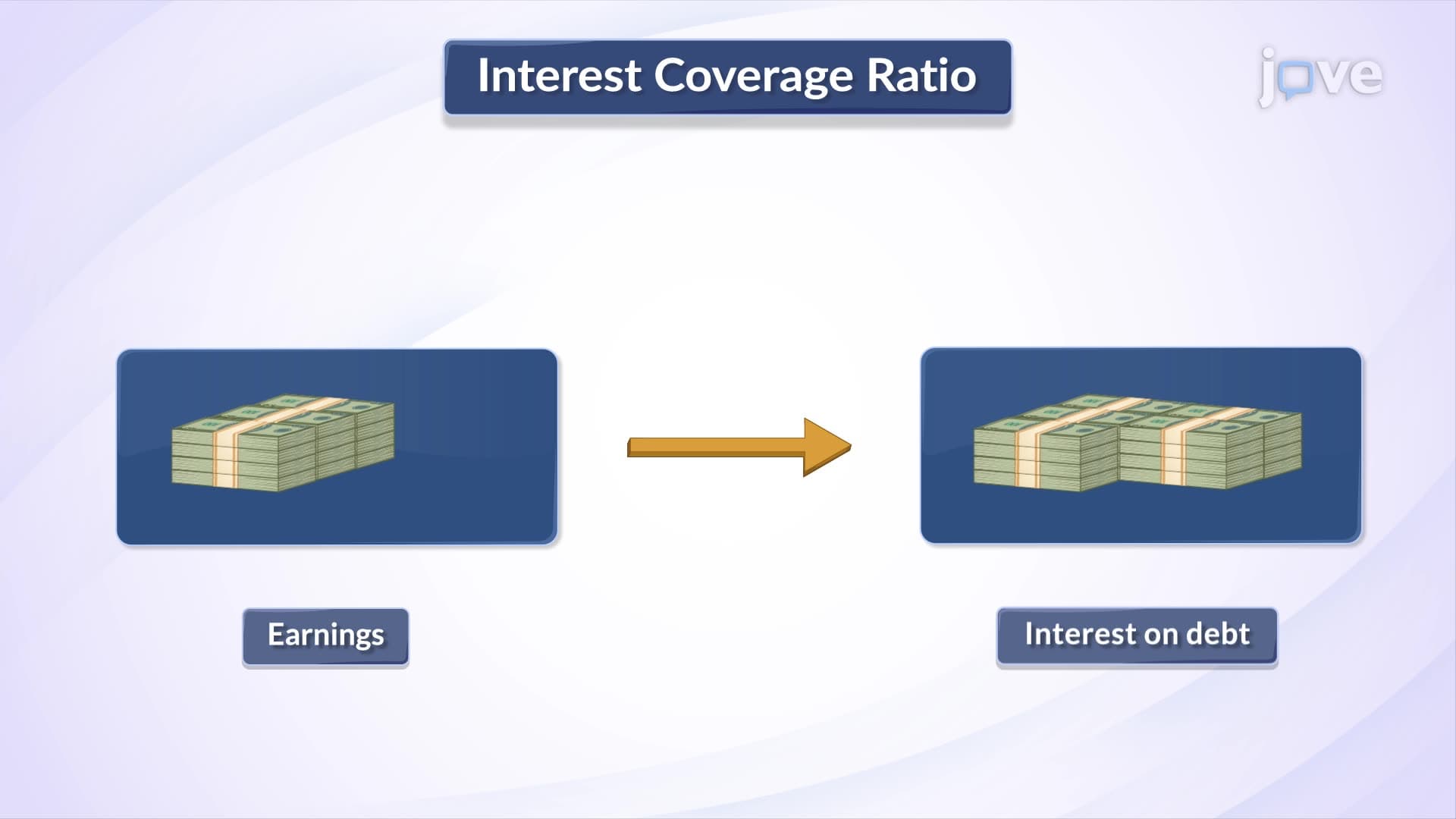
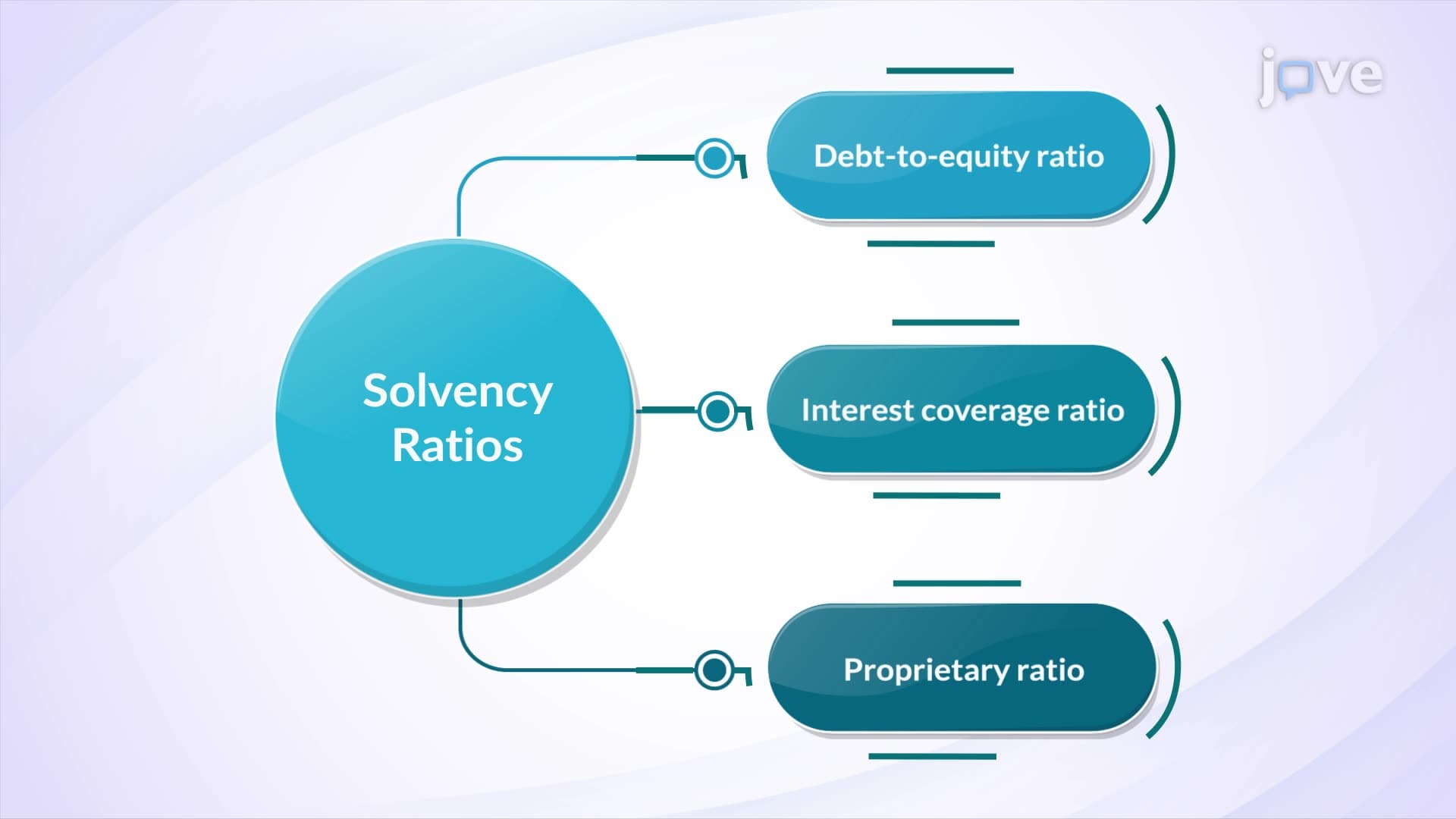
The debt-to-equity ratio (Total Debt ÷ Total Equity) reveals how heavily a company relies on borrowed capital versus shareholder investment. Technology companies like Microsoft typically maintain lower ratios, while capital-intensive industries such as utilities accept higher leverage. The interest coverage ratio (Earnings Before Interest and Taxes ÷ Interest Expenses) measures a company's ability to service debt payments from operational earnings-particularly crucial when Federal Reserve policy shifts impact borrowing costs. The proprietary ratio (Shareholders' Equity ÷ Total Assets) indicates the percentage of assets financed through equity rather than debt, directly affecting financial flexibility during market volatility.
Strategic Applications in Corporate Decision-Making
Investment committees at firms like BlackRock routinely analyze solvency ratios when evaluating corporate bond portfolios, as these metrics predict default probability more accurately than short-term financial indicators. During merger negotiations, acquirers scrutinize target companies' solvency positions to assess integration risks and financing requirements. Private equity firms leverage solvency analysis to structure optimal debt packages for leveraged buyouts while maintaining covenant compliance.
Industry Benchmarking and Competitive Intelligence
Retail executives monitor competitors' solvency ratios during economic uncertainty-companies with stronger ratios often gain market share as weaker competitors reduce expansion or marketing spend. Energy sector leaders track peer solvency metrics to identify consolidation opportunities, particularly when commodity price cycles stress highly leveraged operators. Manufacturing companies use solvency benchmarking to demonstrate financial strength when negotiating long-term supplier contracts or major customer agreements.
Frequently Asked Questions
Solvency ratios measure long-term debt repayment ability rather than short-term cash flow. They focus on a company's capacity to meet obligations over years, not months, making them essential for evaluating financial stability during economic cycles. Investment professionals rely on these ratios to assess default risk in corporate bond investments and long-term business partnerships.
Compare your organization's ratios against industry benchmarks before approving major capital projects or expansion initiatives. Strong solvency metrics provide negotiating power with lenders and demonstrate financial credibility to investors. Use competitor solvency analysis to identify market opportunities when rivals face debt constraints that limit their competitive response.
Monitor key suppliers' debt-to-equity ratios exceeding 2.0 or interest coverage below 2.5, as these signal potential supply chain disruption risks. Deteriorating solvency metrics may indicate upcoming price increases, service reductions, or business continuity issues. Diversify supplier relationships when partners show declining solvency trends to protect operational stability.
General Electric's elevated debt levels (debt-to-equity above 3.0) in 2017-2018 forced dramatic portfolio restructuring, including selling GE Capital assets and spinning off healthcare divisions. The company prioritized debt reduction over growth investments, demonstrating how poor solvency metrics constrain strategic options and shareholder returns.
Basic arithmetic skills and business judgment suffice for most applications. Focus on ratio trends rather than absolute numbers, and compare against industry peers for context. Many business intelligence platforms calculate these ratios automatically-your value lies in interpreting implications for strategic decisions rather than manual computation.
Financial acumen distinguishes leadership candidates in most industries, as board members and senior executives expect data-driven decision-making. Solvency analysis skills enhance credibility in investor relations, corporate development, and strategic planning roles. This expertise proves particularly valuable during economic uncertainty when financial stability becomes paramount.
Leverage ratio analysis pairs naturally with cash flow statement analysis to provide complete financial health assessment. Credit rating methodologies used by Moody's and S&P incorporate solvency ratios alongside operational metrics, offering deeper insights into institutional investor perspectives and capital market access.
Related Micro-courses