Loading video…

- Introduction to Psychology
- Memory
- Encoding
Progress
1/30
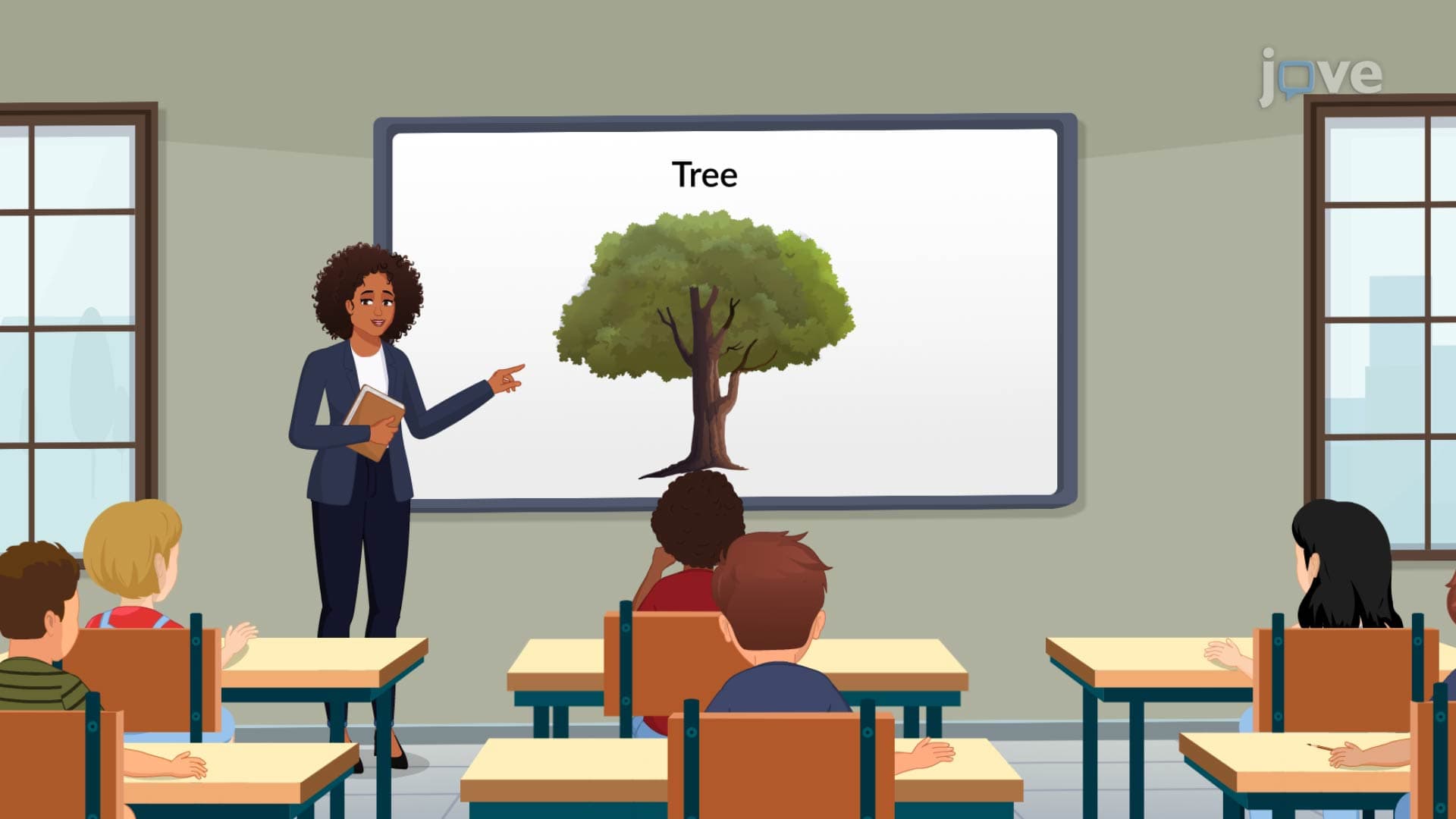


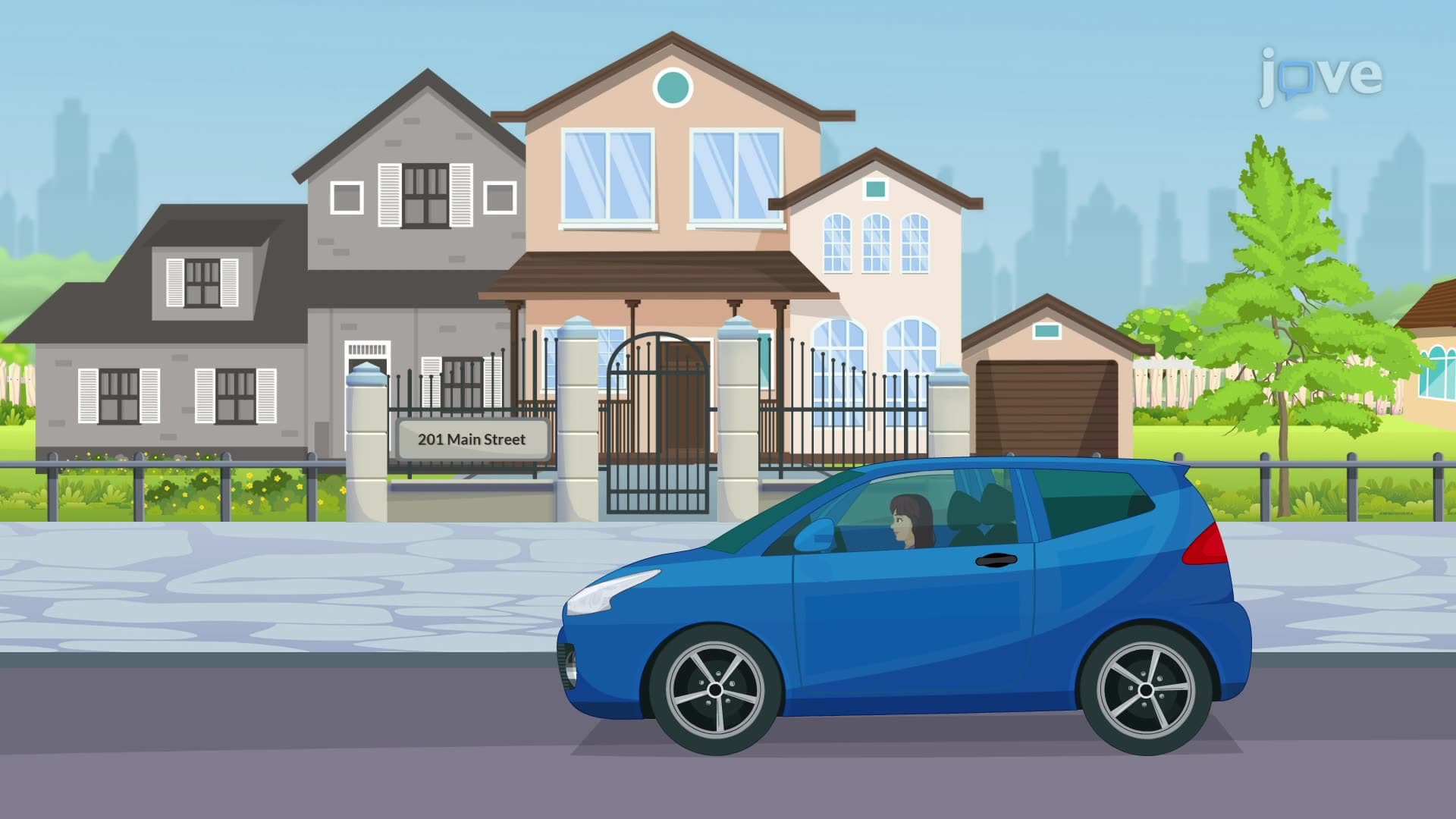


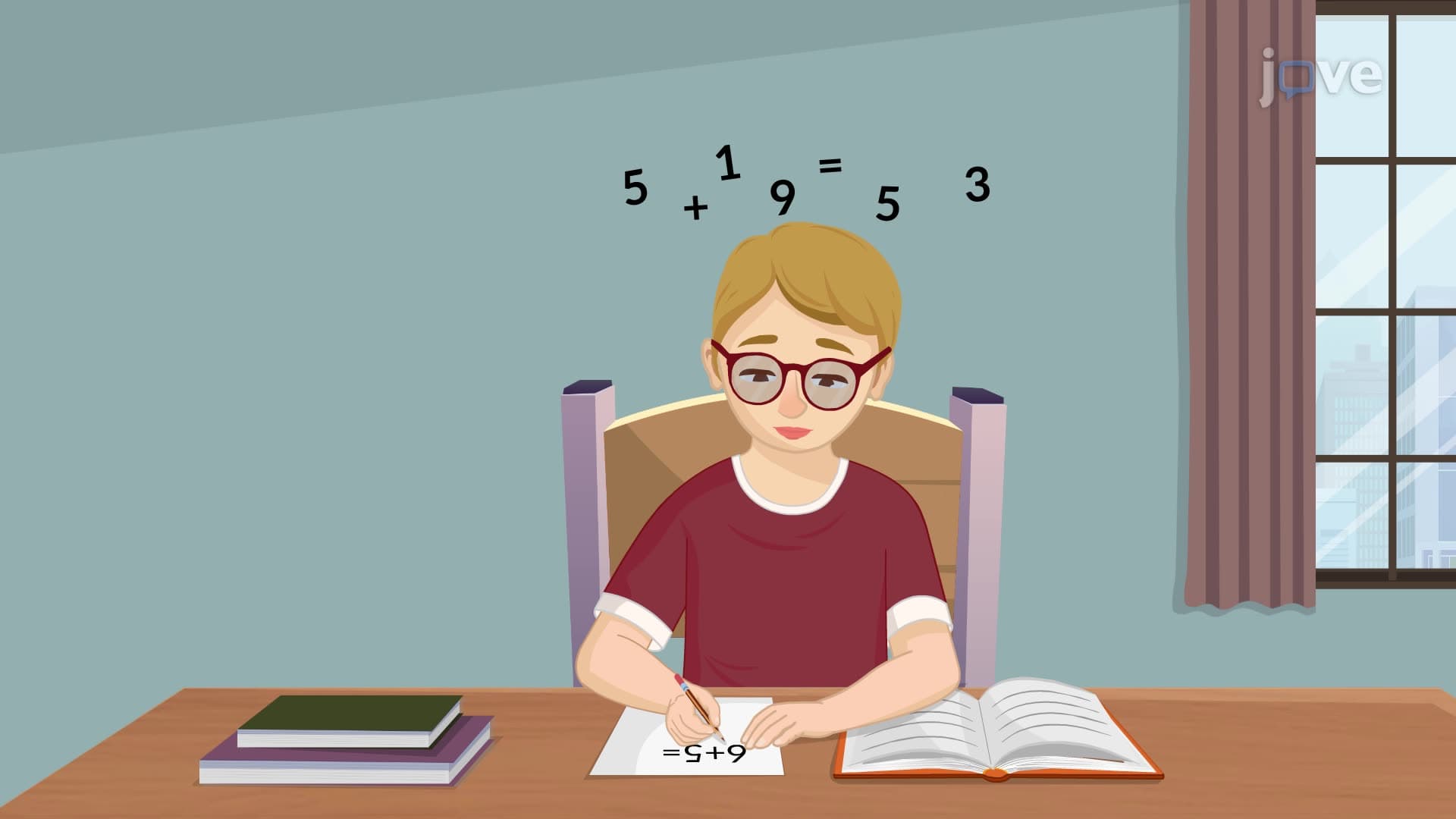

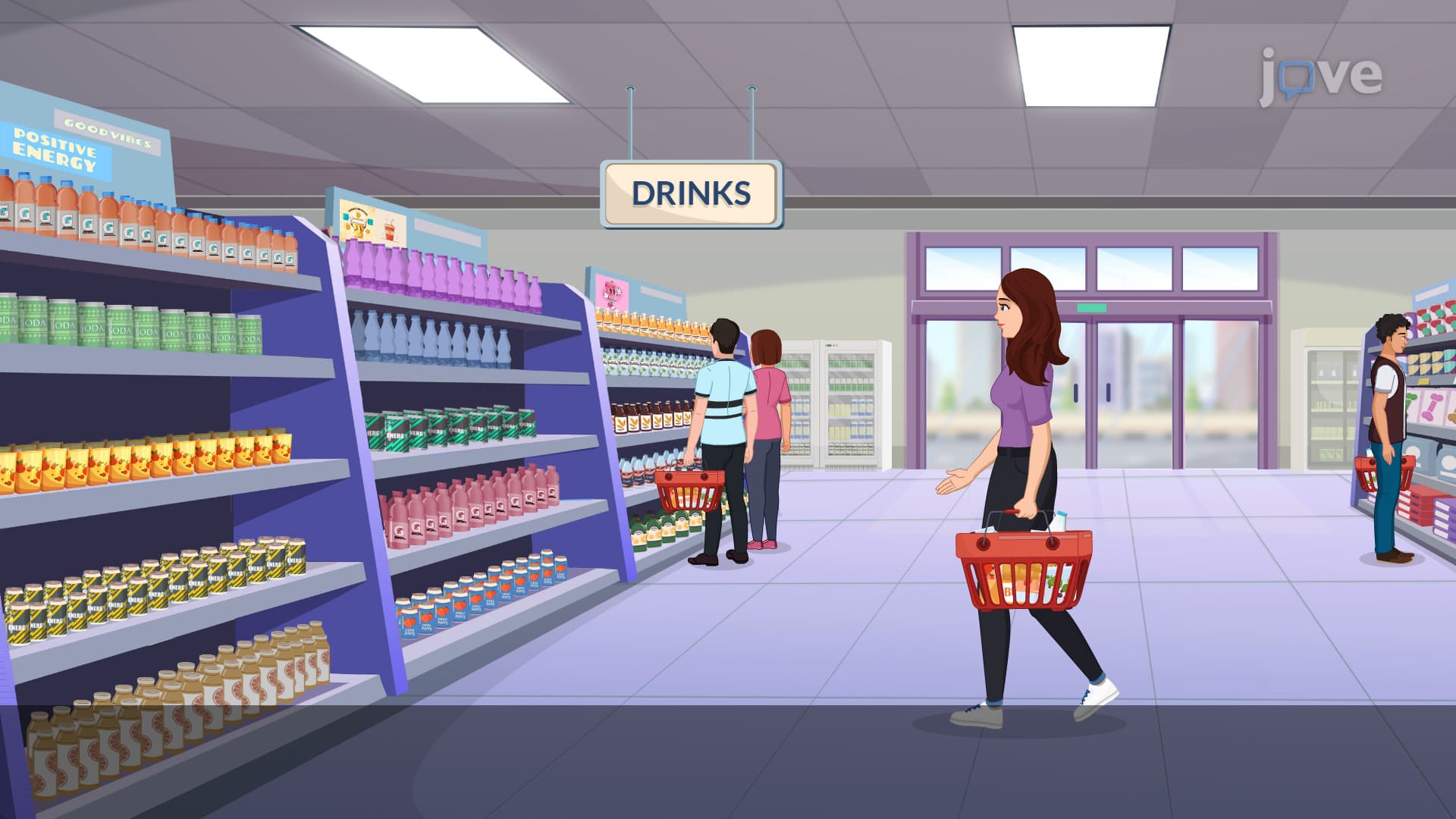

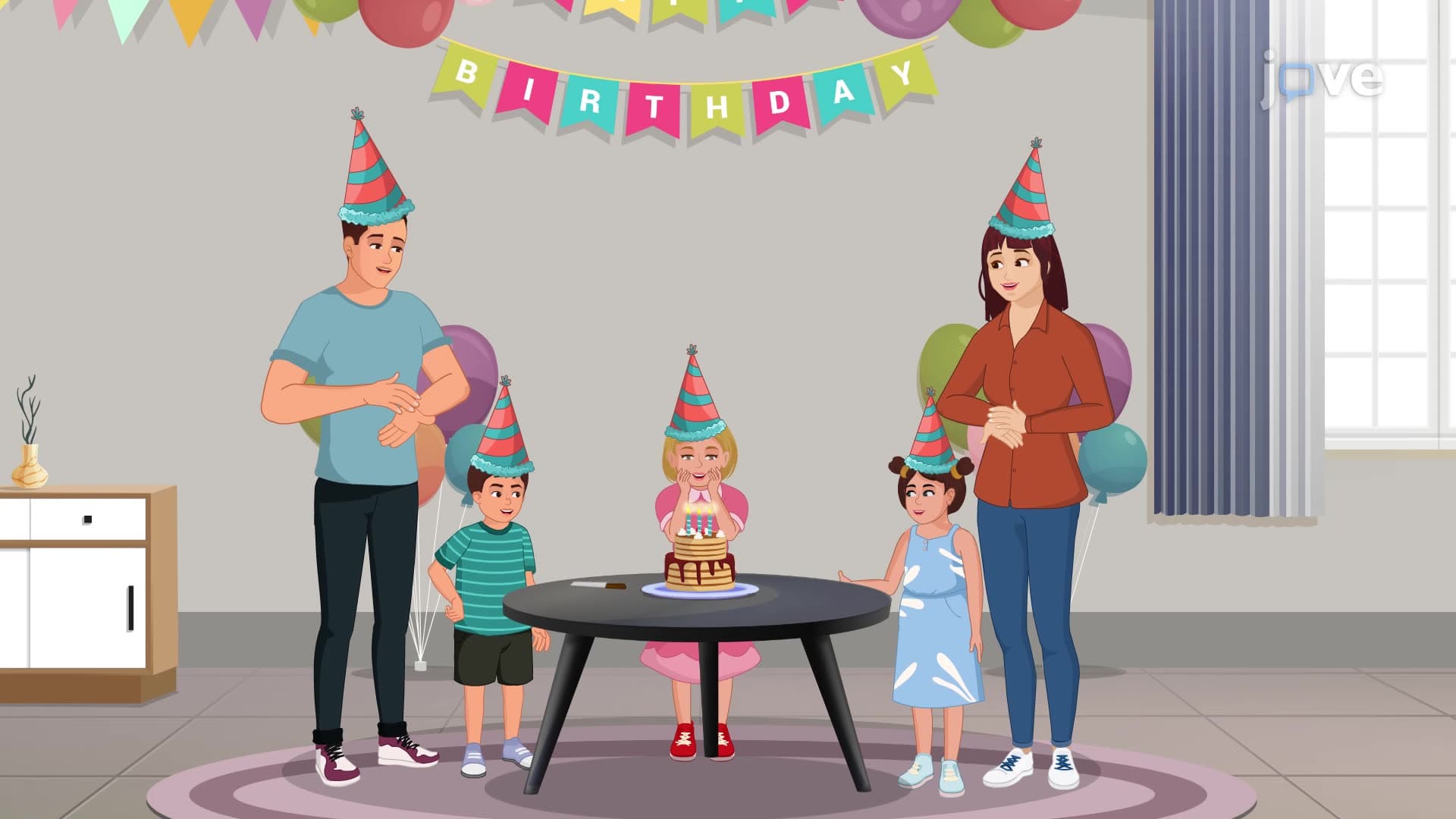




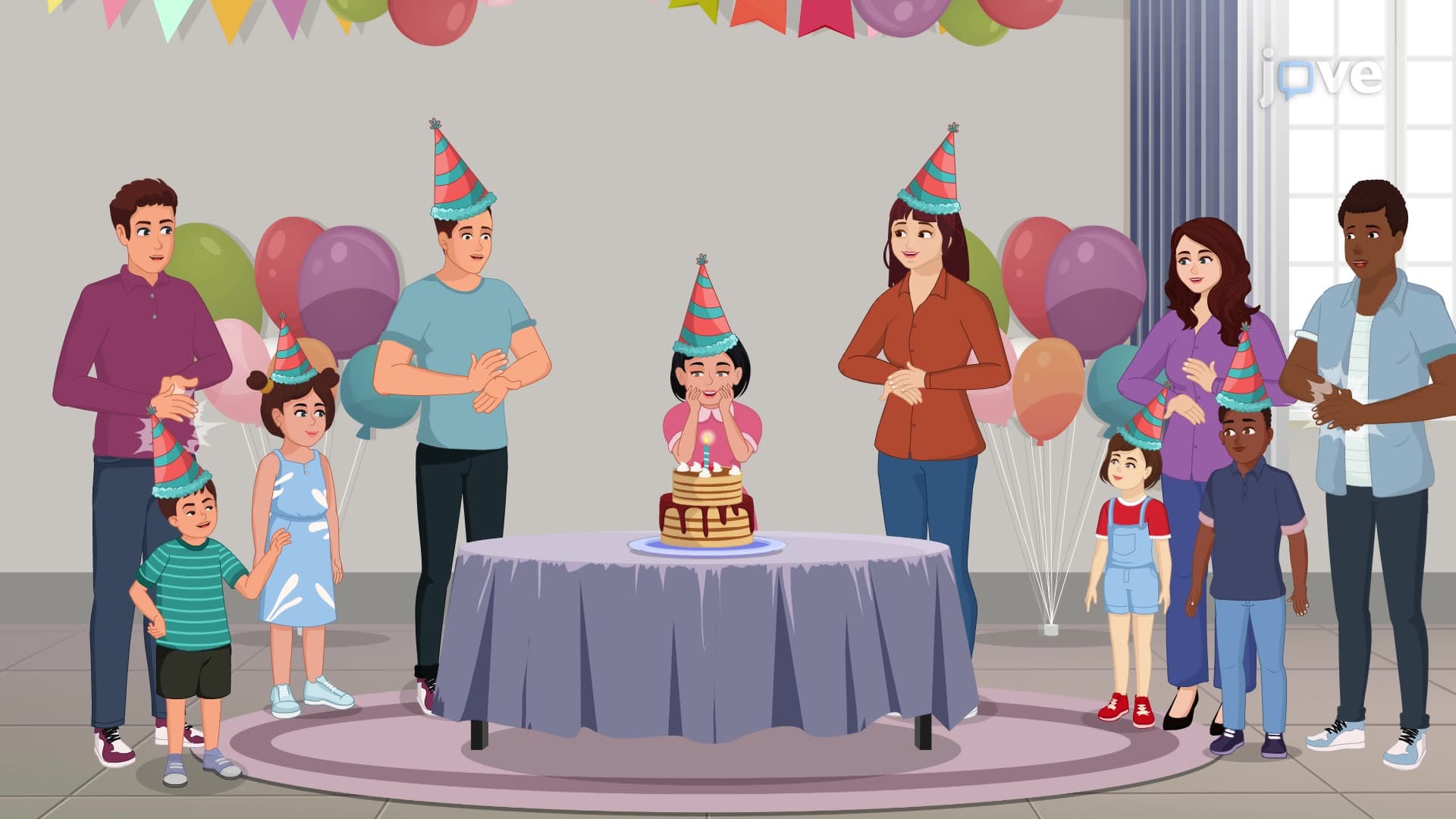







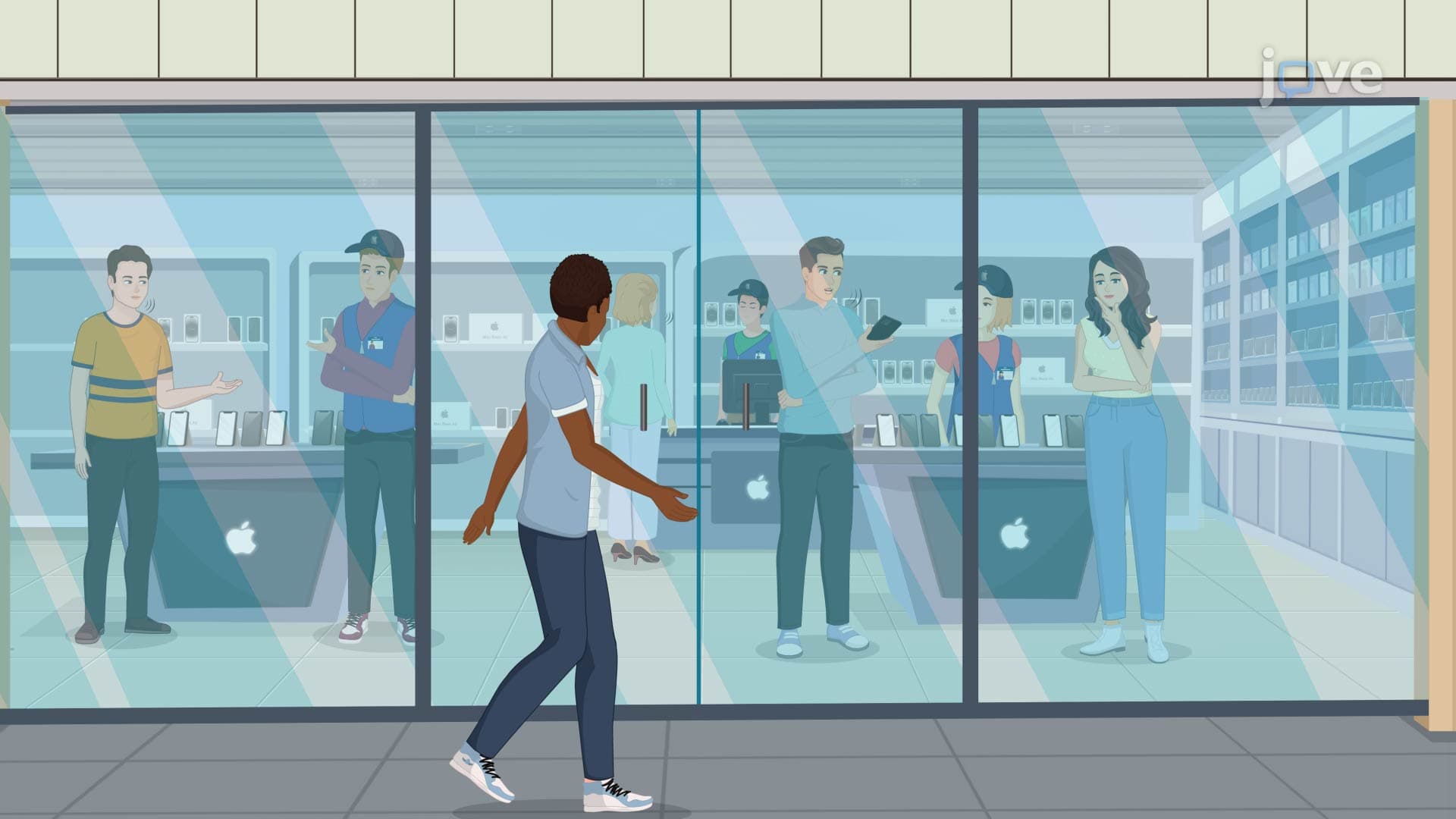


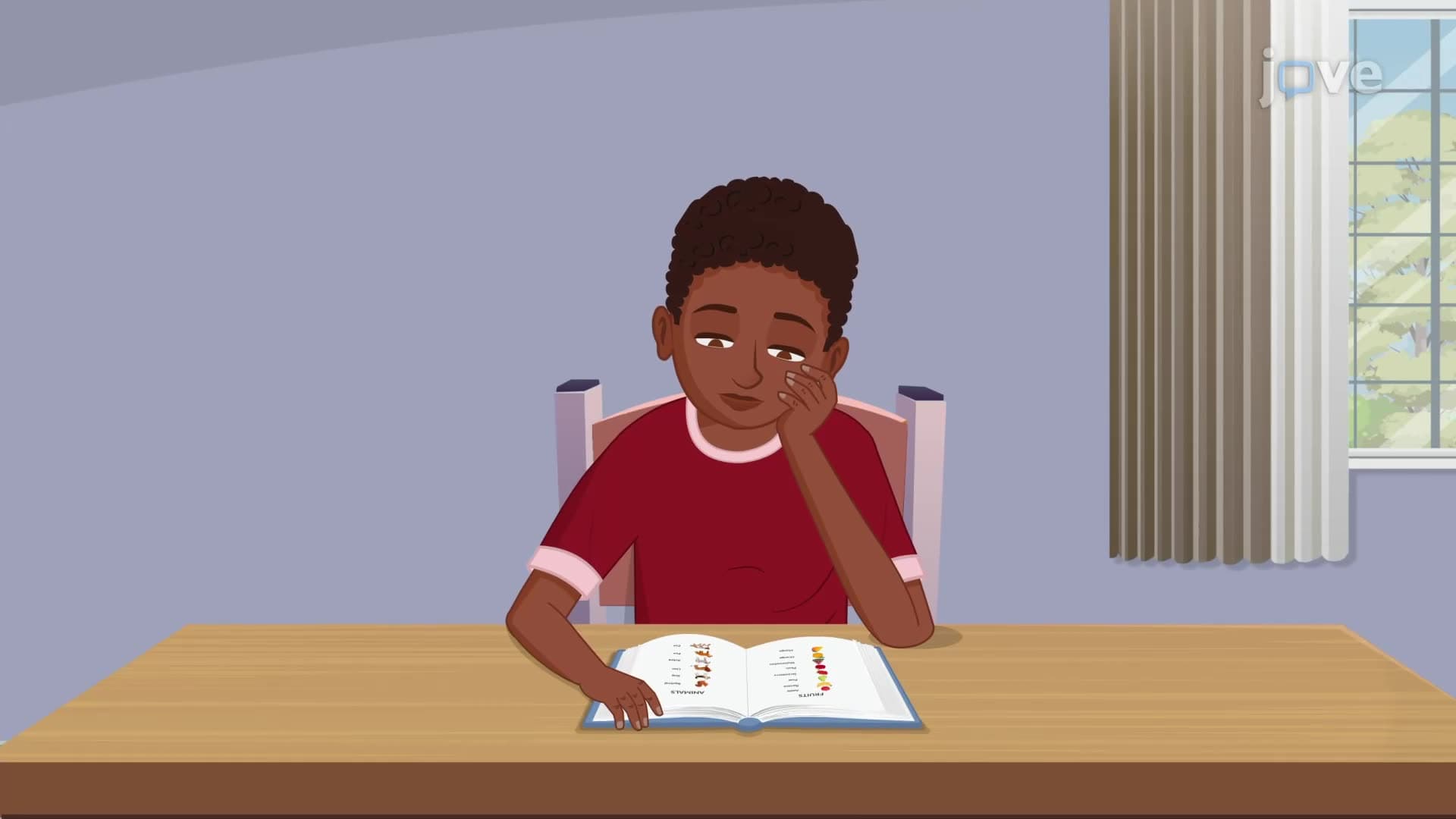



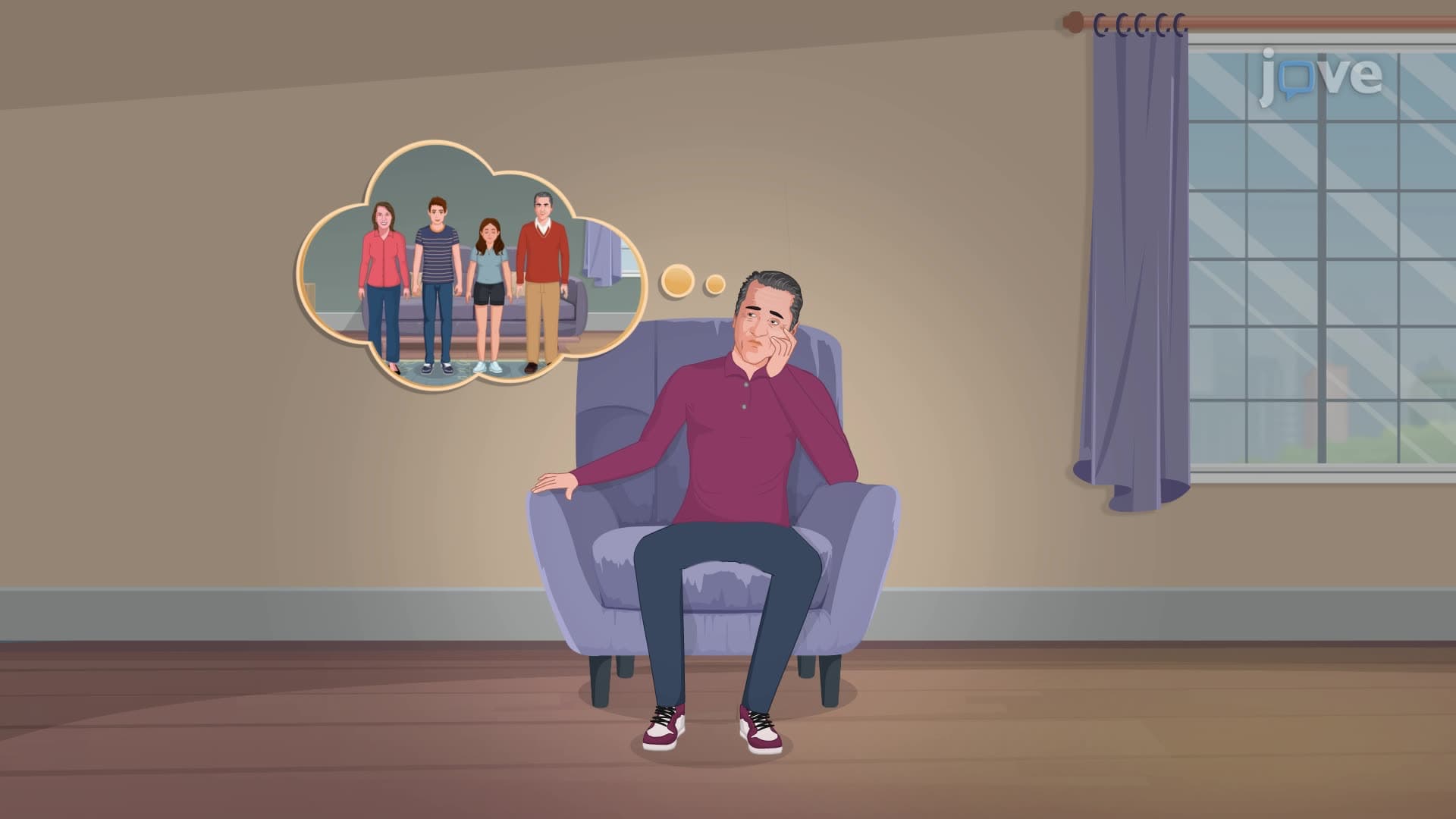

Did you know your brain processes over 11 million bits of sensory information every second, yet you're only consciously aware of about 40? Sensory memory acts as your brain's initial filter, briefly holding this flood of information before deciding what deserves your attention. When a high school student walks through a bustling cafeteria, their sensory memory simultaneously captures conversations, visual details, and smells before encoding only the most relevant information into longer-term storage. Understanding what is encoding reveals how our brains transform these fleeting sensory experiences into lasting memories. Watch the full video on JoVE Coach to master this concept with expert-led visuals and step-by-step explanations.
- Understand what is encoding and how it transforms sensory information into storable memory formats through automatic and effortful processing mechanisms
- Identify the three primary types of encoding—semantic, visual, and acoustic—and recognize their distinct roles in memory formation
- Analyze the difference between automatic processing (unconscious encoding of time and word meanings) and effortful processing (deliberate encoding requiring attention and concentration)
- Compare how semantic encoding enhances retention through meaningful associations versus simple rote memorization techniques
- Evaluate real-world examples of visual encoding, such as how reading words like "smartphone" or "pizza" instantly generates mental images
- Apply acoustic encoding principles to understand why song lyrics and rhymes are easier to remember than random word lists
- Recognize how encoding efficiency impacts academic performance in subjects ranging from foreign language acquisition to scientific concept mastery
- Explore connections between encoding types and optimal study strategies for different types of course material
Understanding What is Encoding in Memory Systems
What is encoding represents one of psychology's most fundamental concepts, describing how raw sensory information transforms into accessible memories. Unlike a simple recording device, your brain actively processes incoming information, determining what gets stored, how it's organized, and what connections form with existing knowledge. This selective process explains why two students can attend the same biology lecture yet remember entirely different details based on their attention, prior knowledge, and encoding strategies.
The sensory memory definition encompasses the brain's initial contact point with environmental information. Sensory memory briefly holds visual, auditory, and other sensory data—typically for less than a second—before encoding processes determine which information advances to short-term memory. This sensory memory overview reveals why you can recall the last few words someone spoke even when you weren't actively listening, or why you can still "see" a camera flash after closing your eyes.
Automatic vs. Effortful Processing Mechanisms
Encoding operates through two distinct pathways that demonstrate the sensory memory concept in action. Automatic processing occurs without conscious effort, continuously encoding fundamental information like spatial location, time sequences, and frequency of events. When you effortlessly remember what you ate for breakfast or which route you took to school, automatic processing deserves credit. This system handles routine information, allowing cognitive resources to focus elsewhere.
Effortful processing demands conscious attention and deliberate cognitive work. Learning calculus, mastering Spanish vocabulary, or understanding cellular respiration requires effortful encoding. Students preparing for the SAT or AP Psychology exam must engage effortful processing to encode complex concepts and their applications. This distinction helps explain why some information feels naturally memorable while other material requires intensive study strategies.
Three Types of Encoding: Semantic, Visual, and Acoustic
Understanding sensory memory requires examining how different encoding types optimize information storage. Semantic encoding processes meaning and creates associations between new information and existing knowledge. When students learn that mitochondria are "cellular powerhouses," semantic encoding connects this concept to familiar ideas about energy and cellular function. Research consistently shows semantic encoding produces the most durable memories, making it essential for academic success.
Visual encoding transforms written words and observed scenes into mental images. Reading "Golden Gate Bridge" immediately triggers visual representations, even for those who've never visited San Francisco. Students studying anatomy benefit tremendously from visual encoding, as complex structures become memorable through detailed diagrams and mental imagery. This sensory memory study guide principle explains why visual aids enhance learning across disciplines.
Acoustic encoding specializes in processing sounds, rhythms, and verbal information. The reason advertising jingles stick in your memory, or why you can recite poems learned years ago, demonstrates acoustic encoding's power. Students often use acoustic encoding when creating memory devices, turning chemical formulas into songs or historical dates into rhythmic patterns. This encoding type proves particularly valuable for language learning and any subject requiring verbal recall.
Frequently Asked Questions
Encoding is the process by which your brain converts sensory information from the environment into storable memory formats. Sensory memory serves as the initial gateway, briefly holding visual, auditory, and tactile information before encoding processes determine which details advance to longer-term storage. This system explains how you can process thousands of environmental stimuli yet only remember the most relevant information.
The AP Psychology exam frequently includes multiple-choice and free-response questions about sensory memory's duration, capacity, and types (iconic and echoic memory). Students must understand how sensory memory differs from short-term and long-term memory, identify real-world examples of sensory memory in action, and explain how encoding processes filter information. Practice questions often involve scenarios like remembering a phone number or recalling visual details from a briefly shown image.
MCAT Psychology questions test understanding of sensory memory's role in information processing, including iconic memory (visual) lasting 0.5 seconds and echoic memory (auditory) lasting 3-4 seconds. Test-takers must analyze how encoding failures contribute to memory disorders and explain how attention affects the transition from sensory to short-term memory. The exam emphasizes connecting sensory memory concepts to broader cognitive psychology principles and neurobiological mechanisms.
Introductory psychology courses dedicate significant time to encoding as part of memory chapters, often requiring students to design experiments testing different encoding strategies. Cognitive psychology courses explore encoding at deeper levels, examining neurological mechanisms and individual differences in encoding efficiency. Students frequently complete lab exercises measuring their own semantic, visual, and acoustic encoding abilities while learning to apply these concepts to study strategies.
Recognizing your encoding strengths allows you to tailor study methods for maximum retention. Students strong in visual encoding benefit from diagrams, charts, and color-coding systems, while those favoring acoustic encoding should read material aloud or create verbal associations. Semantic encoding works universally—connecting new information to existing knowledge dramatically improves retention. For finals preparation, combining all three encoding types creates multiple retrieval pathways, significantly boosting exam performance.
Not at all—these concepts build naturally from everyday experiences you already understand. Everyone has noticed how memories fade quickly or wondered why certain information sticks while other details disappear immediately. High school students successfully master these topics in AP Psychology, and college freshmen encounter them in introductory courses designed for students without prior psychology experience. The key is connecting scientific terminology to familiar memory experiences.
Create concrete examples for each encoding type using personally meaningful scenarios. For semantic encoding, link new vocabulary to concepts you already know; for visual encoding, draw simple diagrams or mental maps; for acoustic encoding, create rhythms or verbal associations. Practice applying these techniques to actual course material rather than just memorizing definitions. Quiz yourself regularly using varied question formats to ensure deep understanding rather than surface-level recognition.
Students should progress to studying retrieval processes, memory consolidation, and factors affecting memory accuracy like interference and decay. Advanced topics include examining memory disorders, exploring cultural influences on memory, and understanding how emotional states affect encoding and retrieval. These concepts build naturally on encoding foundations while preparing students for upper-level cognitive psychology courses and research opportunities.
Related Micro-courses



Related Subjects
 Social Psychology 15 micro-courses›