Loading subject page…

- Introduction to Psychology
- Memory
- Tip-of-the-Tongue Phenomenon
Micro-course: Memory
24,241 views
Learn key concepts and earn your certificate.



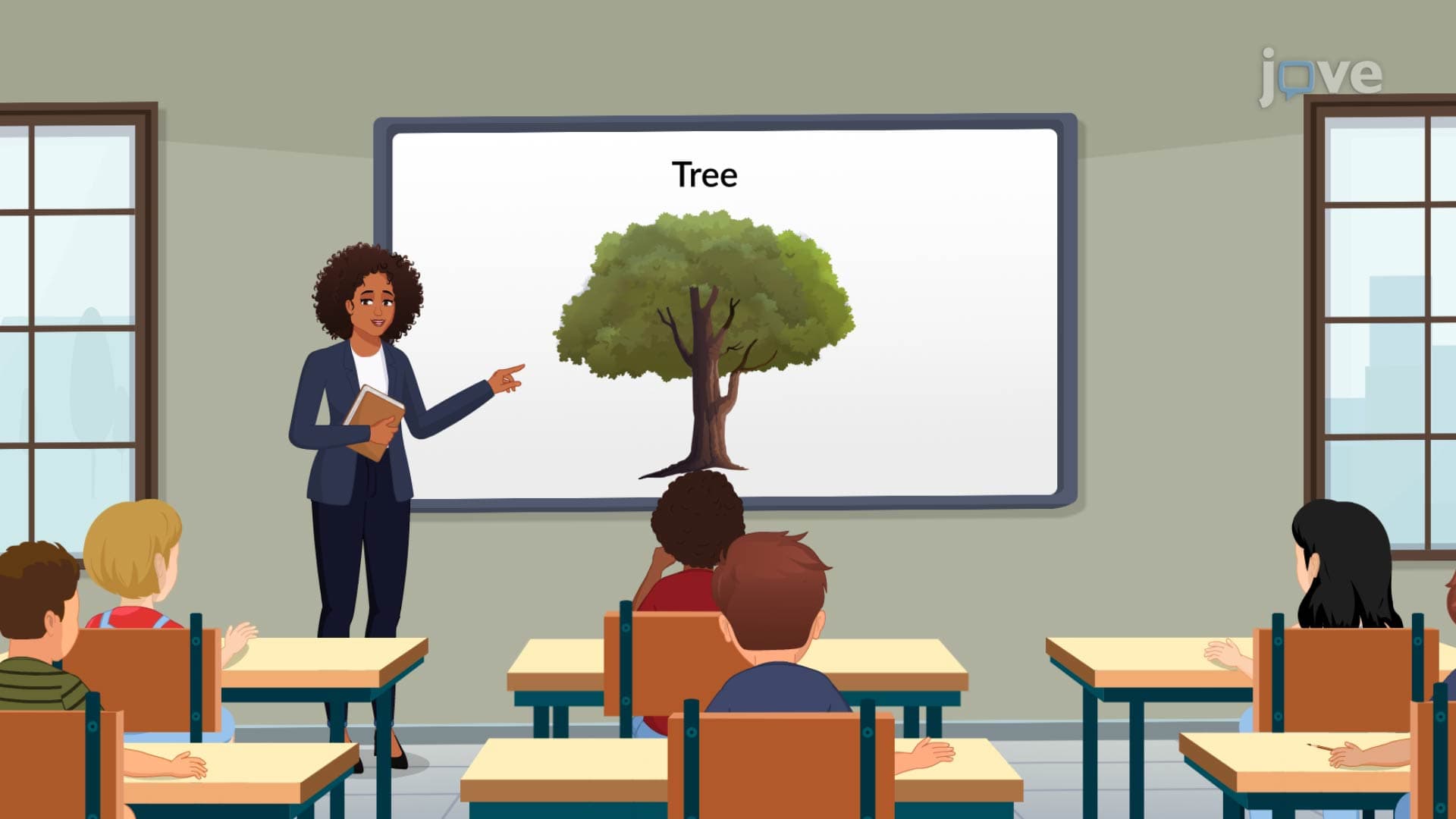























Tip-of-the-Tongue Phenomenon


00:00
01:10
Video Summary: What Is Tip Tongue Phenomenon
Ever struggled to remember that actor's name from your favorite Netflix show, knowing it starts with "B" but feeling completely stuck? This frustrating mental block demonstrates the Tip-of-the-Tongue phenomenon, where your brain knows information exists but can't quite access it. Students experience this during SAT vocabulary sections when they recognize a word's meaning but can't recall its exact spelling. Watch the full video on JoVE Coach to master this concept with expert-led visuals and step-by-step explanations.
- Understand what the Tip-of-the-Tongue phenomenon is and how it affects memory retrieval in everyday situations
- Identify the neurological mechanisms behind retrieval failure and memory disconnects
- Analyze why similar words interfere with accurate recall during memory searches
- Compare different types of partial recall, including phonetic and semantic similarities
- Evaluate real-world examples of tip-of-the-tongue states in academic and social contexts
- Apply knowledge of retrieval cues to improve memory performance on exams
- Recognize the difference between complete memory loss and temporary retrieval failure
- Explore connections between tip-of-the-tongue experiences and broader cognitive psychology principles
Understanding the Tip-of-the-Tongue Phenomenon
The Tip-of-the-Tongue phenomenon represents one of psychology's most relatable memory mysteries. This cognitive state occurs when you're absolutely certain you know a piece of information-perhaps a classmate's name or a vocabulary word-but cannot retrieve it despite feeling it's "right there" in your memory. Research by psychologists Roger Brown and David McNeill at Harvard University first systematically studied this experience in the 1960s, establishing it as a legitimate area of cognitive research.
Mechanisms Behind Retrieval Failure
The phenomenon results from a temporary breakdown in the connection between stored memories and retrieval pathways. Think of your brain's memory system like a vast library where books (memories) are properly shelved, but the catalog system (retrieval mechanism) temporarily malfunctions. Neuroscientists have identified that tip-of-the-tongue states often involve partial activation of memory networks-you might recall that an actor's name starts with "M" or has three syllables, but the complete word remains inaccessible.
Interference and Similar Word Patterns
One primary cause involves interference from similar-sounding or related words. When attempting to recall "bandanna" during an AP Psychology exam, students might initially retrieve "bandage" because both words share phonetic similarities and occupy related semantic categories. This interference occurs because our brains organize verbal information in interconnected networks, where activating one concept can accidentally trigger competing alternatives.
Real-World Applications and Academic Relevance
Understanding tip-of-the-tongue phenomena helps explain common academic experiences. During SAT verbal sections, students often experience this when they recognize a vocabulary word's meaning but struggle with precise recall. Medical students preparing for the MCAT frequently encounter this when studying anatomical terms-they might know a structure's function and location but temporarily lose access to its exact name. Recognizing this as a normal retrieval process rather than complete forgetting can reduce test anxiety and improve performance strategies.
Frequently Asked Questions
The Tip-of-the-Tongue phenomenon is a temporary inability to recall specific information despite feeling certain you know it. It occurs when retrieval pathways in your brain temporarily disconnect from stored memories, often due to interference from similar words or weakened memory traces.
This phenomenon appears in AP Psychology under memory and cognition units. Students learn about retrieval failure, interference theory, and memory networks. It's frequently tested through multiple-choice questions about memory processes and free-response questions analyzing cognitive phenomena.
While temporary, these states can occur during high-stress exams like the MCAT. Understanding that partial recall indicates memory presence (not absence) can reduce anxiety. Practice active retrieval techniques and context cues to minimize their impact during testing situations.
Although most commonly associated with word retrieval, similar phenomena occur with numbers, faces, and other information types. Students might struggle recalling specific dates in AP History exams while remembering surrounding historical context perfectly.
A classic example occurs when you see a former teacher at a grocery store-you recognize their face, remember they taught biology, and know their name starts with "Dr. S," but cannot recall "Dr. Sullivan" despite absolute certainty that you know it.
Not at all-this phenomenon builds on basic memory concepts taught in introductory psychology courses. If you understand how memories are stored and retrieved, you have sufficient foundation to grasp tip-of-the-tongue states and their underlying mechanisms.
Practice retrieval techniques like flashcards and self-testing to strengthen memory pathways. When experiencing tip-of-the-tongue states during study, try generating related words or contexts rather than forcing recall-this often activates successful retrieval routes.
Explore interference theory, retrieval cues, and the levels of processing model. These concepts provide deeper understanding of memory failures and successes, particularly relevant for students planning to take advanced psychology courses or pursue cognitive science studies.
Related Micro-courses