Loading subject page…

- Introduction to Psychology
- Memory
- Mnemonic Devices
Micro-course: Memory
24,241 views
Learn key concepts and earn your certificate.



























Mnemonic Devices


00:00
01:23
Video Summary: What Is Mnemonic Devices
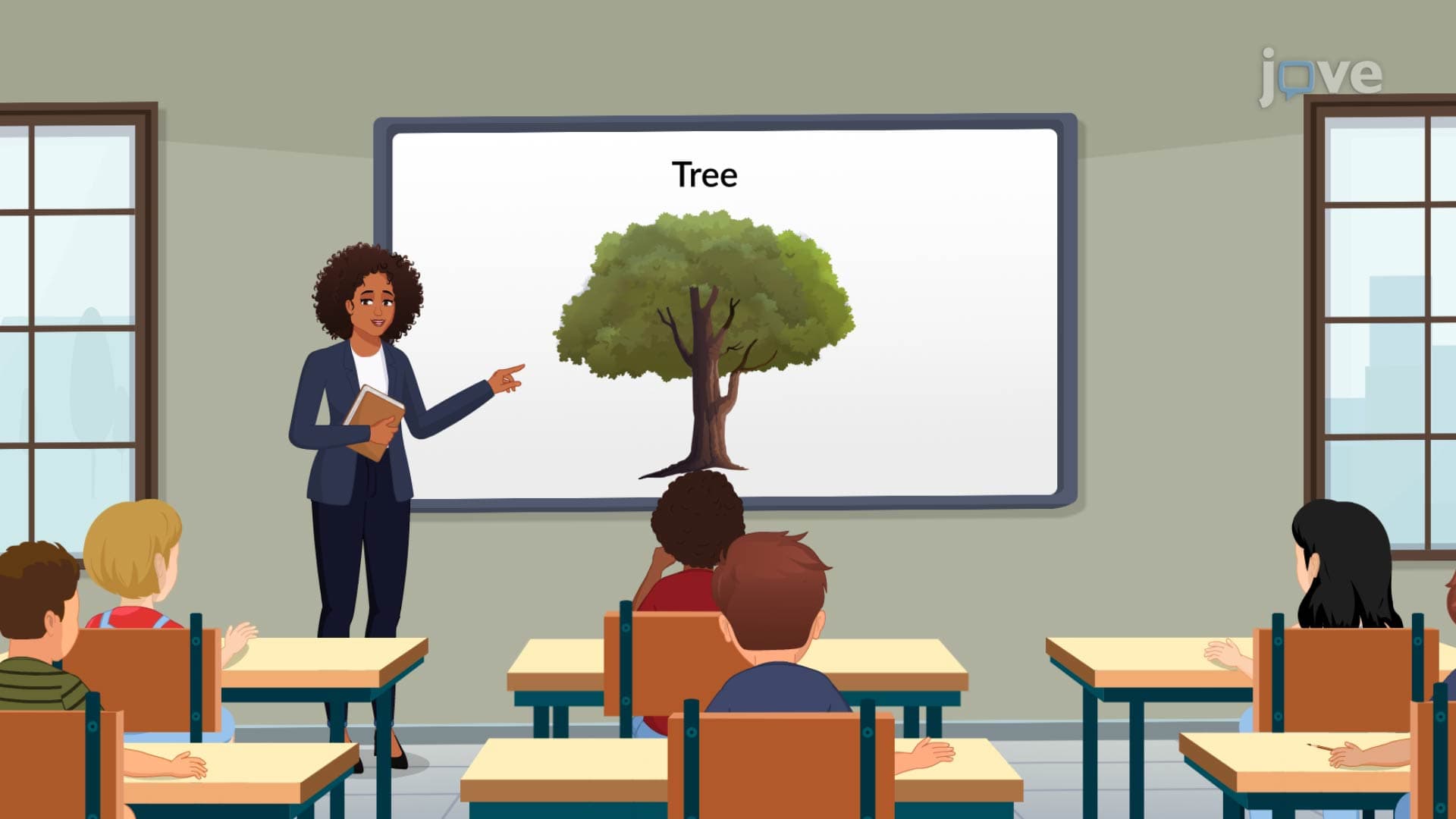
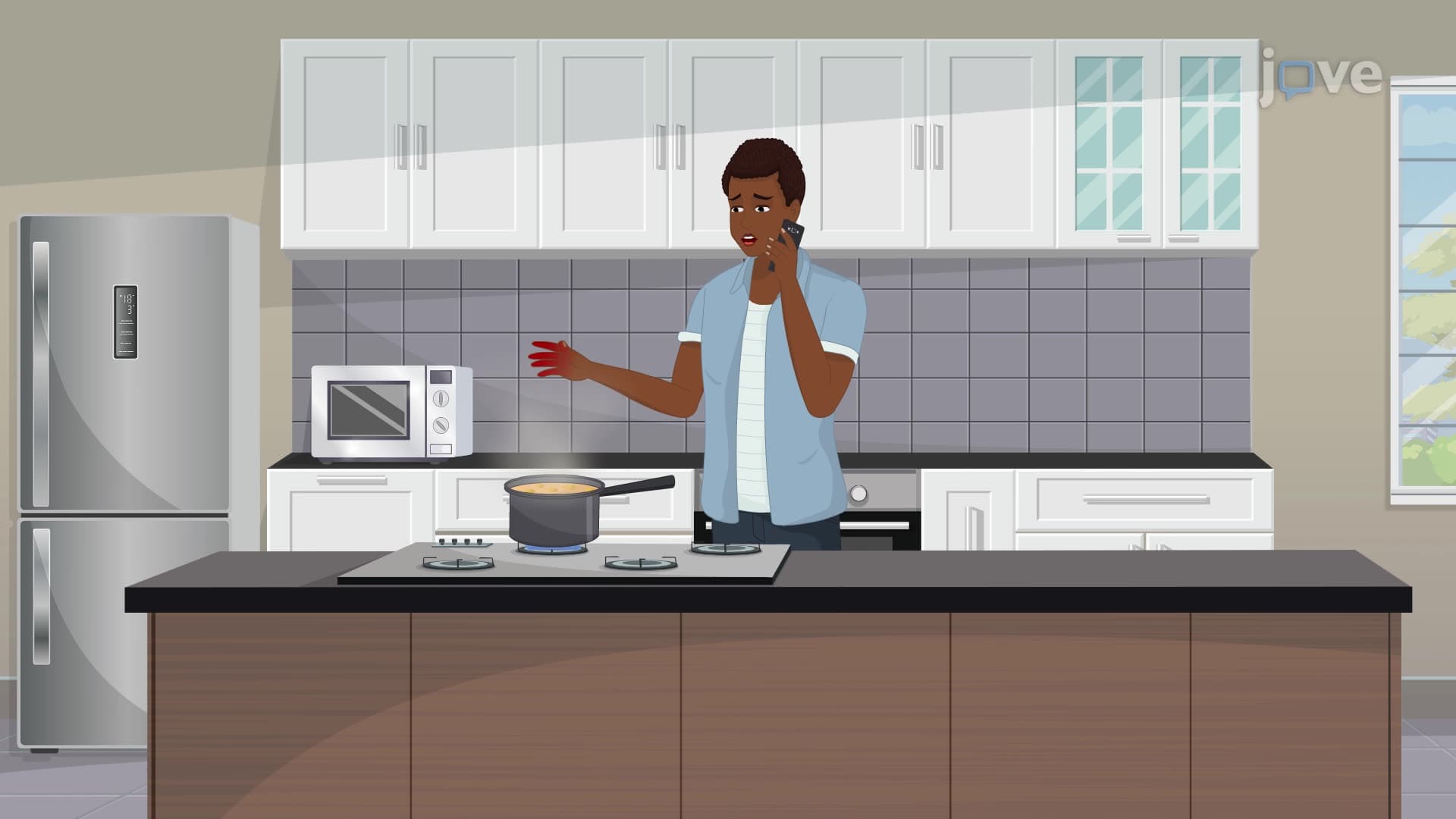
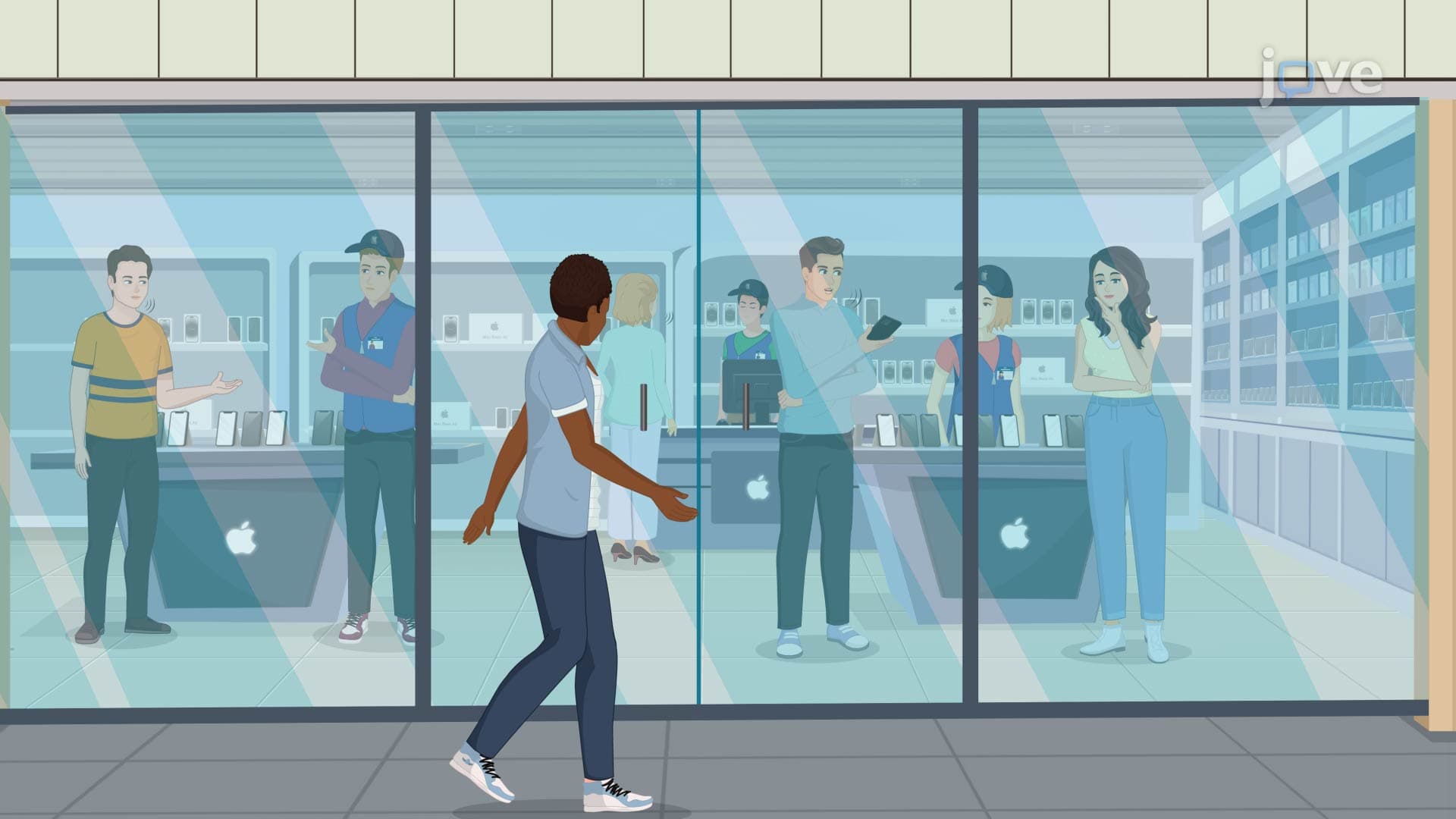
Have you ever wondered how medical students memorize hundreds of anatomical terms or how you still remember the alphabet song from childhood? False memories can sometimes interfere with learning, but mnemonic devices offer proven strategies to strengthen accurate recall. These memory techniques help students transform complex information into memorable patterns, like using "ROY G. BIV" to remember rainbow colors or creating sentences for planetary order. From nursing students at Johns Hopkins memorizing drug classifications to high school AP Biology students tackling cellular processes, mnemonic devices make challenging material stick. Watch the full video on JoVE Coach to master this concept with expert-led visuals and step-by-step explanations.
- Understand what mnemonic devices are and how they enhance memory formation through organized patterns and familiar associations
- Identify the four main types of mnemonic techniques: acronyms, acrostics, rhymes and jingles, and the peg-word system
- Analyze how acronyms like "HOMES" (Great Lakes) or "FACE" (treble clef notes) simplify complex information recall
- Compare the effectiveness of different mnemonic strategies for various learning contexts and subject matter
- Apply acrostic techniques to create memorable sentences for sequential information like planetary order or biological classifications
- Evaluate when to use rhymes and musical patterns versus visual peg-word systems for optimal retention
- Recognize how mnemonic devices can prevent the formation of false memories by creating structured, accurate recall pathways
- Explore real-world applications of mnemonic techniques in academic testing, professional training, and daily life scenarios
Understanding Mnemonic Devices: The Science of Memory Enhancement
Mnemonic devices represent sophisticated memory enhancement tools that leverage our brain's natural tendency to organize and connect information. These techniques work by creating meaningful associations between new material and existing knowledge, making recall faster and more reliable. Unlike rote memorization, mnemonic devices tap into multiple cognitive pathways simultaneously-visual, auditory, and semantic-creating robust memory networks that resist forgetting.
Research from Stanford University and other leading institutions demonstrates that students using mnemonic techniques show 40-60% improvement in recall accuracy compared to traditional study methods. This improvement proves particularly valuable for students preparing for challenging exams like the MCAT, AP courses, or nursing certification tests.
Acronym Systems: Simplifying Complex Information
Acronyms transform lengthy lists into memorable abbreviations by using first letters to create pronounceable words or phrases. The classic "ROY G. BIV" (red, orange, yellow, green, blue, indigo, violet) helps millions of students remember light spectrum colors. In medical education, "RICE" (rest, ice, compression, elevation) guides injury treatment protocols, while business students use "SMART" (specific, measurable, achievable, relevant, time-bound) for goal setting.
Pre-med students at universities like UCLA and University of Michigan rely heavily on acronyms for anatomy. "SCALP" represents skull layers (skin, connective tissue, aponeurosis, loose connective tissue, periosteum), while "SAMPLE" guides emergency medical assessment (signs/symptoms, allergies, medications, past medical history, last oral intake, events leading to illness).
Advanced Techniques: Acrostics and Peg-Word Systems
Acrostic sentences create memorable narratives where each word's first letter corresponds to information being learned. "My Very Educated Mother Just Served Us Noodles" remains the gold standard for planetary order, though recent astronomical discoveries have prompted updates. Students preparing for AP Chemistry often use "Happy Henry Likes Beer But Could Not Obtain Four Nuts" for the first ten elements.
The peg-word system employs pre-memorized number-word associations (one-bun, two-shoe, three-tree) as mental "pegs" for hanging new information. Psychology students studying at institutions like Harvard and Yale use this technique for learning brain structures: picturing the cerebrum wrapped in a "bun" (one) or the brainstem emerging from a "shoe" (two). This visual-spatial approach particularly benefits kinesthetic learners who struggle with purely verbal memorization.
Combating False Memories Through Structured Learning
Understanding types of false memories becomes crucial when implementing mnemonic techniques. False memories can occur when similar-sounding words or concepts become confused during recall. Properly constructed mnemonic devices actually reduce false memory formation by creating distinct, organized retrieval pathways. For instance, medical students learning drug classifications benefit from acronyms that emphasize unique characteristics rather than similar-sounding names.
Frequently Asked Questions
Mnemonic devices are structured memory techniques that enhance recall by creating meaningful associations between new information and familiar patterns. They work by engaging multiple brain regions simultaneously, making information easier to encode, store, and retrieve. Research shows students using these techniques achieve 40-60% better performance on recall tests compared to traditional memorization methods.
Acronyms and peg-word systems prove most effective for medical content. Pre-med students successfully use acronyms like "SCALP" for anatomy layers and "SAMPLE" for patient assessment protocols. The peg-word system excels for numbered lists like cranial nerves or drug classifications. Combining visual imagery with these techniques further enhances retention for complex medical terminology.
AP students benefit from subject-specific acronyms and acrostics. For biology, "KPCOFGS" (kingdom, phylum, class, order, family, genus, species) aids taxonomic classification, while chemistry students use element mnemonics like "Happy Henry Likes Beer." Create personal acrostics for challenging sequences-many students invent their own planetary order sentences or enzyme pathway remembrances.
Absolutely. Nurses at major hospitals like Mayo Clinic and Cleveland Clinic rely on mnemonics for drug dosage calculations, patient assessment protocols, and emergency procedures. Engineering students at MIT and Stanford use acronyms for design principles and safety protocols. These techniques translate directly from academic learning to professional practice, making them invaluable career tools.
Mnemonic techniques work for learners of all abilities and learning styles. They actually level the playing field by providing structured approaches that don't rely on natural memory capacity. Students with learning differences often find visual peg-word systems particularly helpful, while auditory learners gravitate toward rhyme-based techniques. The key lies in matching technique type to personal learning preferences.
Start by identifying information types in your course material-lists, sequences, or categories work best for mnemonic treatment. Create acronyms for related concepts, then practice retrieving full information from your abbreviated triggers. Space practice sessions over several days rather than cramming. For maximum effectiveness, combine mnemonic devices with active recall testing and spaced repetition schedules.
Well-constructed mnemonic devices reduce false memories by creating distinct, organized retrieval pathways that minimize confusion between similar concepts. They provide structured frameworks that guide accurate recall rather than relying on potentially unreliable associations. This proves especially important in medical and scientific fields where precision matters-using systematic acronyms prevents dangerous mix-ups between similar-sounding drug names or procedures.
Advanced students can explore the method of loci (memory palace), linking methods for longer sequences, and keyword techniques for foreign language vocabulary. Psychology and neuroscience students often benefit from learning dual-coding theory applications, which combine verbal and visual mnemonic elements. Consider studying how professional mnemonists combine multiple techniques for competitive memory sports and complex academic material.
Related Micro-courses