Loading subject page…

- Introduction to Psychology
- Memory
- False Memories
Micro-course: Memory
24,241 views
Learn key concepts and earn your certificate.









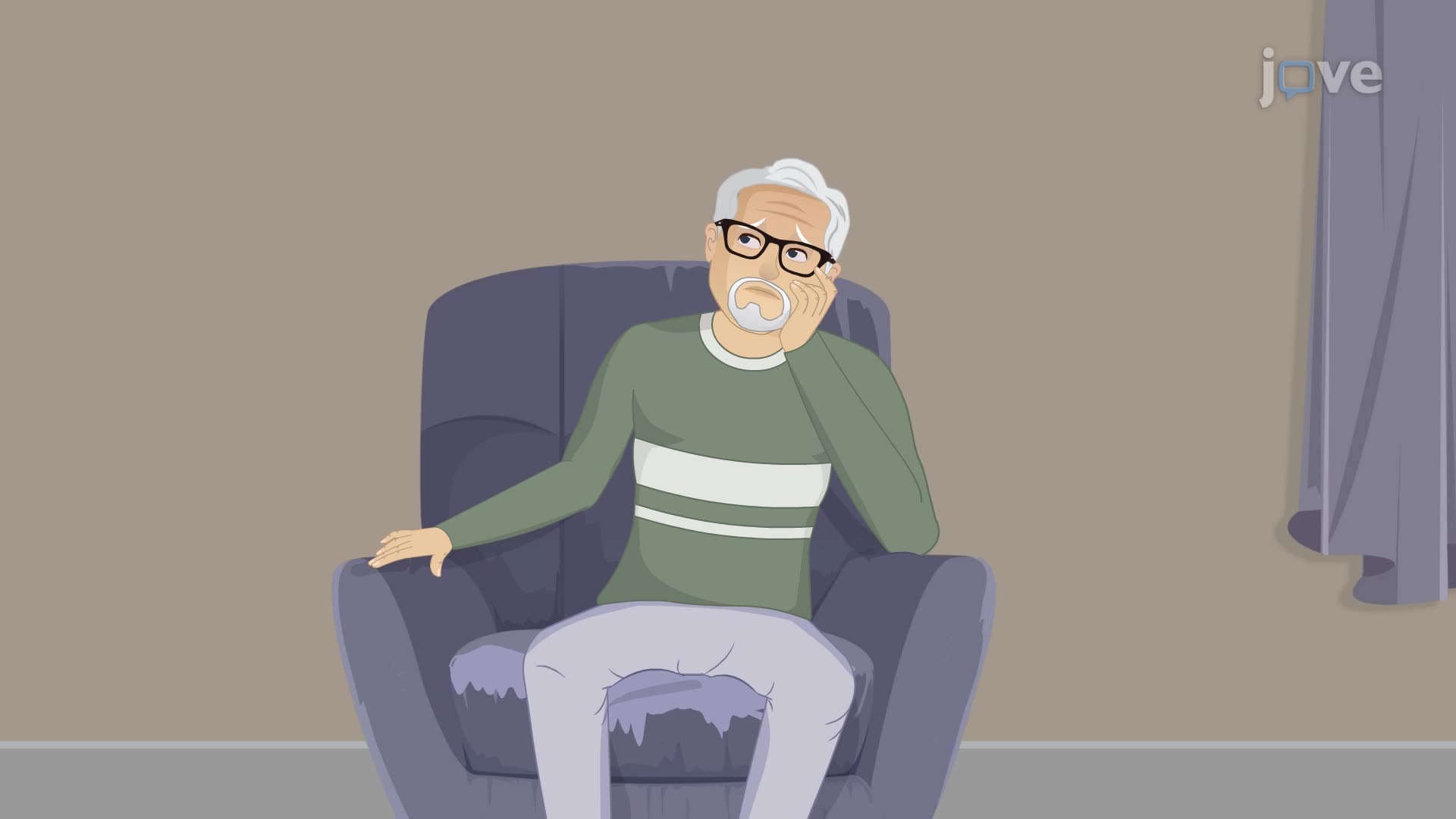
False Memories


00:00
01:18
Video Summary: What are False Memories
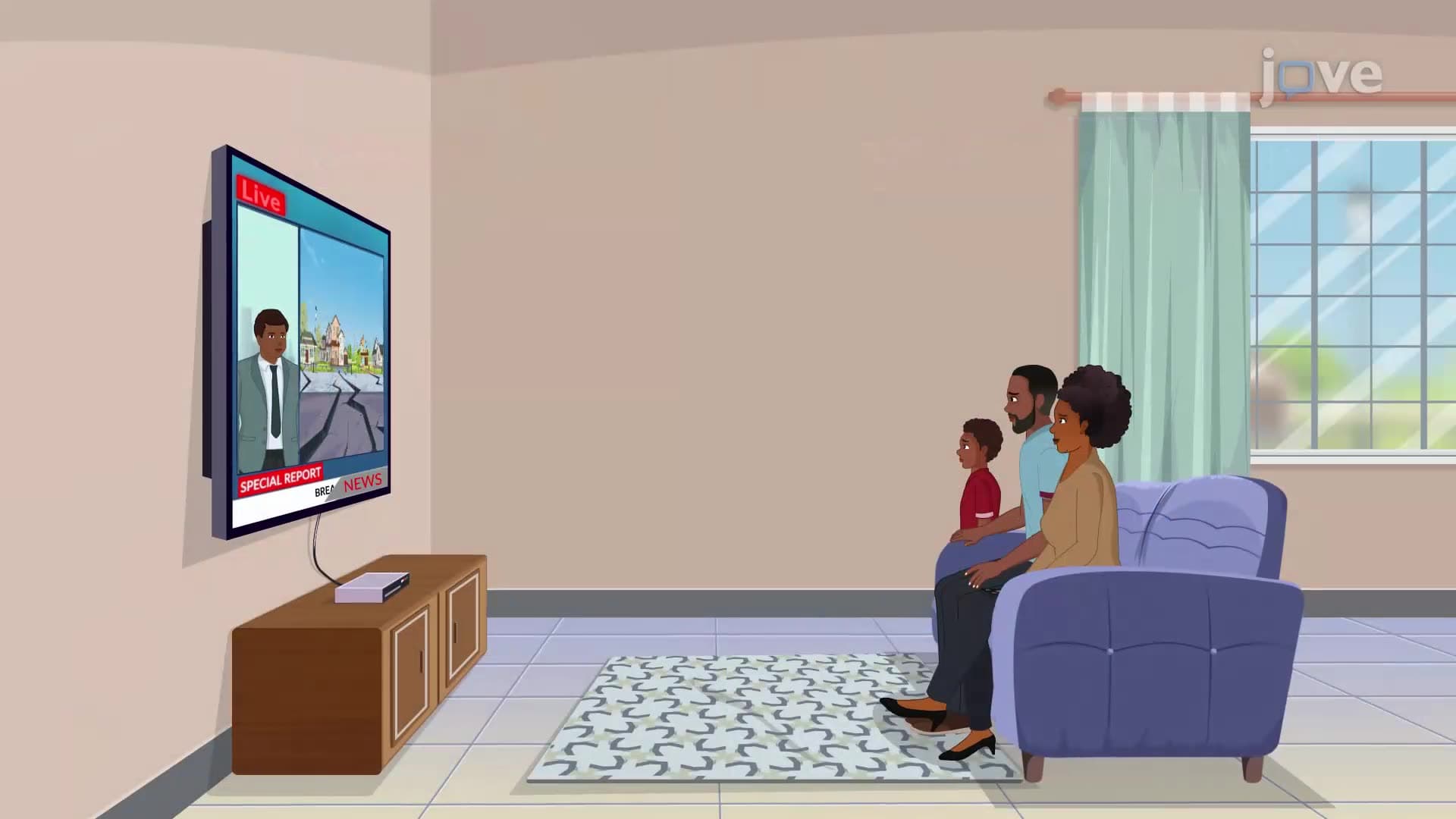
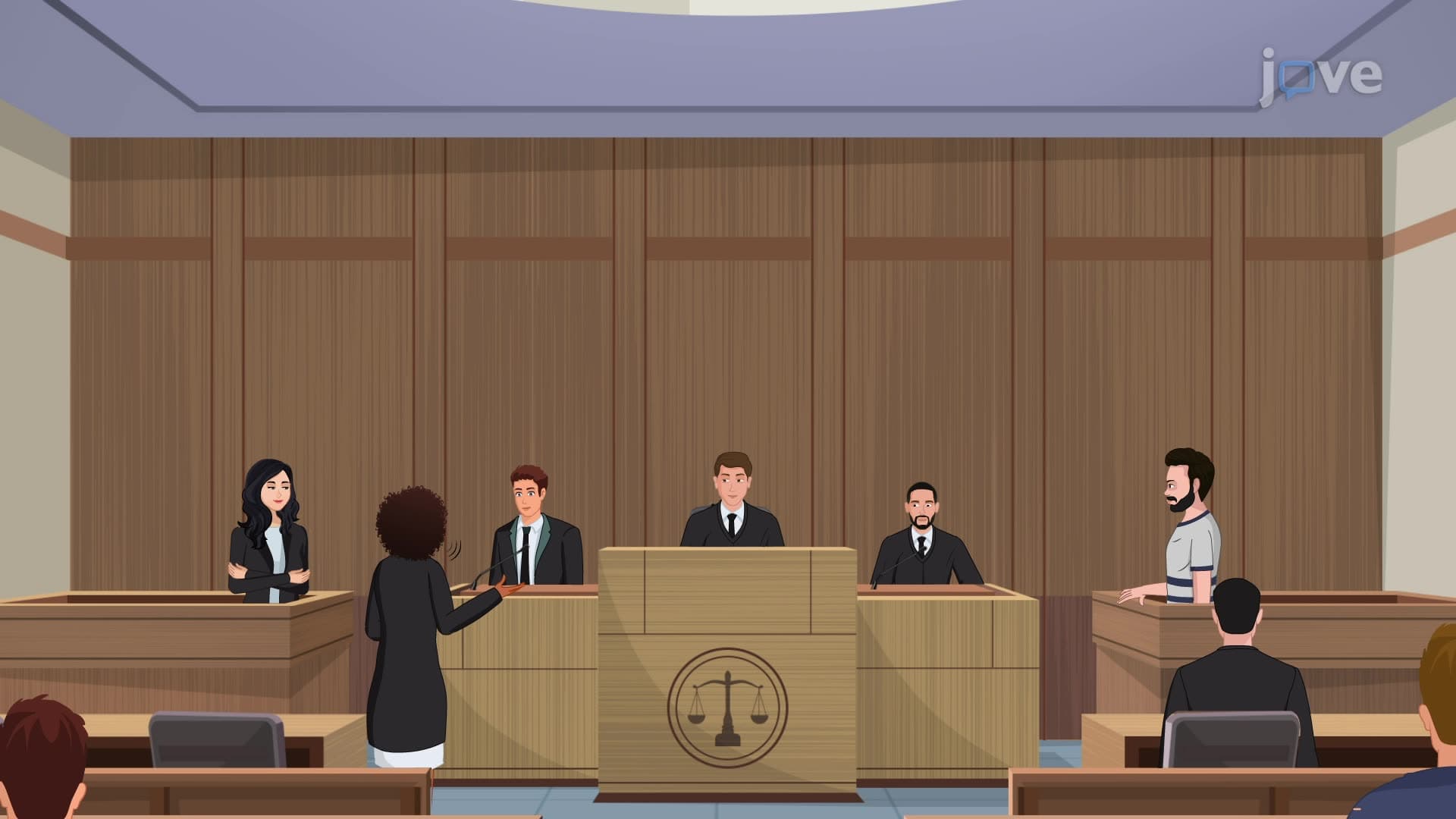
Did you know that 25% of Americans falsely remember seeing 9/11 footage that was never actually broadcast? Amnesia isn't just about forgetting-it's also about remembering things that never happened. What are false memories reveals how our brains construct rather than simply record experiences. When eyewitnesses to crimes in US courts confidently recall details that contradict video evidence, they demonstrate this fascinating cognitive phenomenon. Watch the full video on JoVE Coach to master this concept with expert-led visuals and step-by-step explanations.
- Understand what are false memories and how they differ from accurate recollections and amnesia conditions
- Identify the key mechanisms behind false memory formation, including misattribution and the misinformation effect
- Analyze real-world scenarios where false memories impact legal proceedings and eyewitness testimony
- Compare false memories with other memory disorders and their relationship to amnesia definition concepts
- Evaluate the constructive nature of memory processing and its implications for reliability
- Apply knowledge of false memory research to understand memory reconstruction processes
- Recognize how external information sources can blend with personal experiences to create distorted memories
- Explore the connection between false memories and broader amnesia study guide topics
Understanding What Are False Memories
False memories represent one of psychology's most counterintuitive discoveries: our brains don't simply store and retrieve experiences like a video camera. Instead, memory operates as a dynamic reconstruction system that can create vivid recollections of events that never occurred. This phenomenon challenges our basic assumptions about consciousness and reality, making it a crucial topic in AP Psychology courses and college cognitive psychology curricula.
Unlike amnesia-which involves the inability to recall actual events-false memories involve confidently "remembering" fictional experiences. This distinction is fundamental to understanding both concepts, as they represent opposite sides of memory dysfunction that frequently appear on MCAT psychology sections and college examinations.
The Science Behind Memory Construction
Research from leading US institutions like Harvard Medical School and Stanford University has revolutionized our understanding of memory formation. The brain doesn't passively record information but actively constructs memories by combining fragments of real experiences with external influences, expectations, and emotions.
Two primary mechanisms drive false memory creation. First, source misattribution occurs when individuals correctly remember information but incorrectly identify its origin. A classic example involves students who "remember" historical events they only learned about through documentaries, mistakenly believing they witnessed news coverage firsthand.
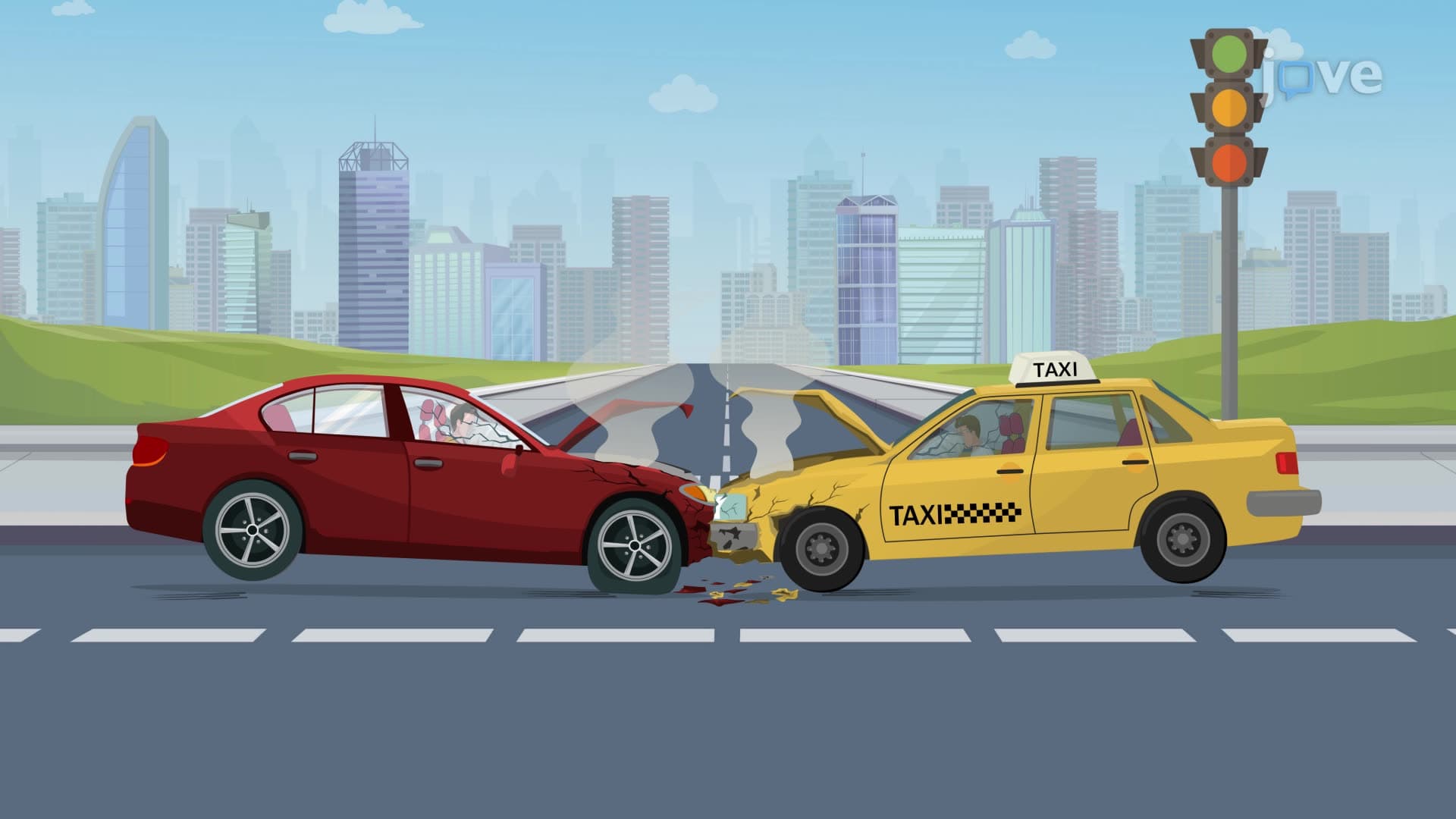
Second, the misinformation effect demonstrates how post-event information can permanently alter memory. Elizabeth Loftus's groundbreaking studies at UC Irvine showed that subtle changes in questioning can implant entirely false details. When research participants watched car accident footage, those asked about vehicles "smashing" versus "hitting" were significantly more likely to falsely remember seeing broken glass.
Real-World Applications and Legal Implications
False memories have profound implications for the US legal system. The Innocence Project has documented hundreds of wrongful convictions based on false eyewitness testimony, with memory reconstruction playing a critical role. High-profile cases like those involving recovered memory therapy in the 1990s led to major reforms in therapeutic practices and courtroom procedures.
Understanding false memories also helps explain everyday phenomena that students encounter. Social media's curated presentations of events can blend with personal memories, creating false recollections of experiences that never occurred. This concept frequently appears in college psychology courses and standardized tests, particularly questions examining memory reliability and cognitive biases.
Frequently Asked Questions
False memories are vivid recollections of events that never occurred, representing the opposite of amnesia conditions. While amnesia involves forgetting real experiences, false memories involve confidently "remembering" fictional events. Both demonstrate that memory is reconstructive rather than a perfect recording system, making them complementary concepts in understanding memory disorders.
MCAT psychology sections frequently test false memory concepts through experimental design questions and memory research scenarios. AP Psychology exams often include false memory examples in cognitive psychology units, particularly relating to Elizabeth Loftus's research. Students should understand the misinformation effect, source misattribution, and how false memories impact eyewitness testimony reliability.
False memories occur in healthy individuals and involve reconstructed experiences that feel genuine. Confabulation typically results from brain damage and involves filling memory gaps with fabricated information. College courses distinguish these concepts when studying memory disorders, with false memories representing normal cognitive processes and confabulation indicating neurological dysfunction requiring medical attention.
False memories significantly impact US legal proceedings, particularly in eyewitness testimony cases. The Innocence Project has documented over 375 DNA exonerations where false memories contributed to wrongful convictions. Modern court systems now recognize memory reconstruction limitations, leading to improved questioning techniques and expert testimony requirements about memory reliability.
No prior psychology experience is necessary to grasp false memory fundamentals. High school students in AP Psychology and college undergraduates can easily master these concepts with basic understanding of memory processes. The topic builds naturally from everyday experiences like misremembering movie details or confusing similar events.
Focus on understanding key researchers like Elizabeth Loftus and their experimental designs rather than memorizing isolated facts. Create comparison charts between false memories, amnesia, and normal forgetting processes. Practice applying concepts to legal scenarios and everyday examples, as exam questions often test application rather than pure recall.
False memories relate to broader cognitive concepts including attention, perception, and decision-making processes. They connect to amnesia studies, eyewitness testimony reliability, and therapeutic techniques. Understanding false memories provides foundation for studying cognitive biases, memory disorders, and consciousness research in advanced psychology courses.
Explore related memory phenomena like the forgetting curve, state-dependent learning, and memory consolidation processes. Investigate cognitive biases such as confirmation bias and availability heuristic, which share similar reconstruction mechanisms. Consider studying neuropsychology to understand brain regions involved in memory formation and retrieval.
Related Micro-courses