Loading subject page…

- Introduction to Psychology
- Memory
- Implicit Memories
Micro-course: Memory
24,240 views
Learn key concepts and earn your certificate.











Implicit Memories

00:00
01:24
Video Summary: What are Implicit Memories
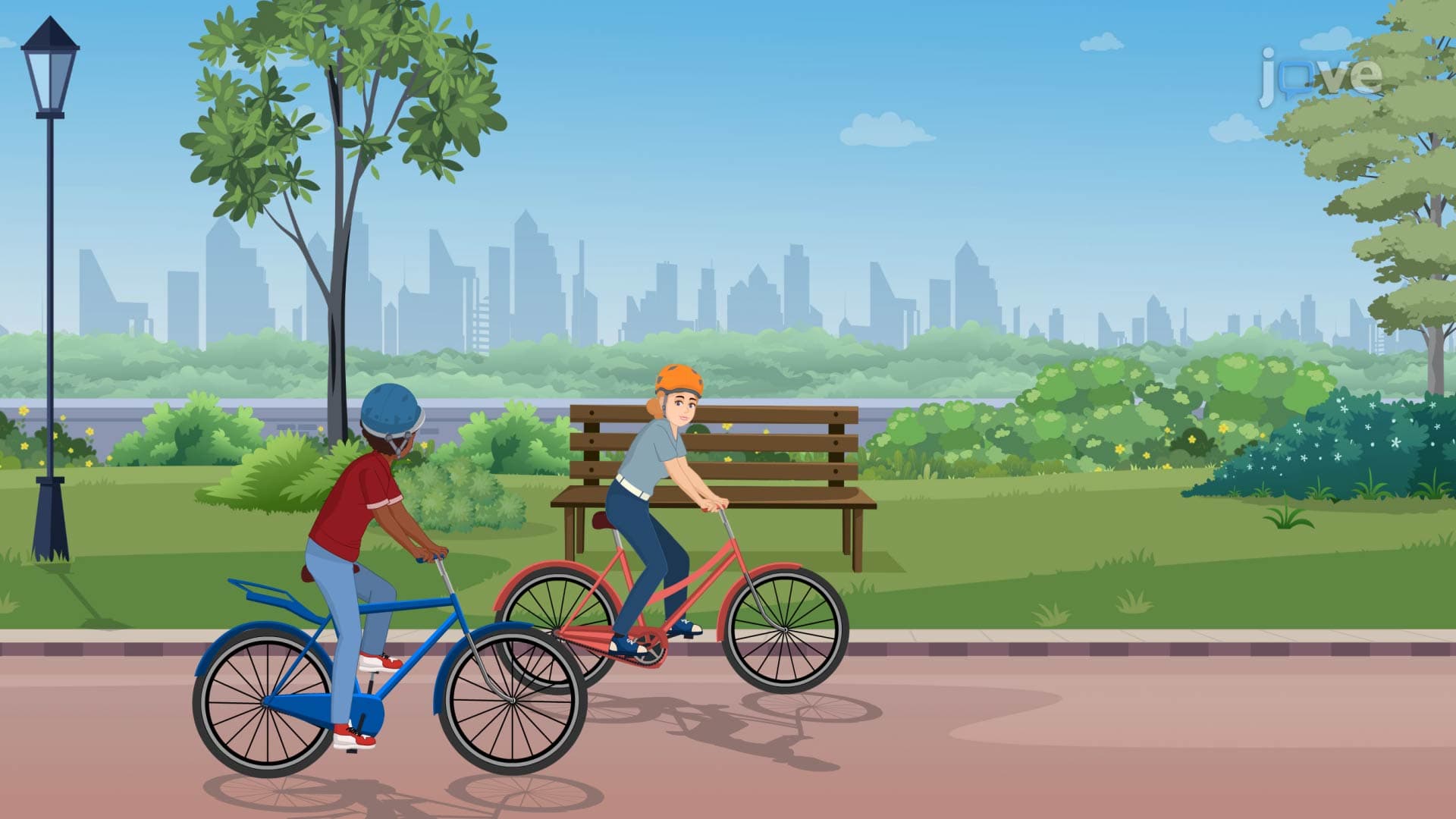
Ever wonder why you can ride a bike after years without practice, yet struggle to remember where you left your keys? The serial position effect reveals how our brains naturally remember information at the beginning and end of sequences better than the middle. What are implicit memories demonstrates this phenomenon when students cramming for the SAT remember the first and last vocabulary words on their study list most clearly. This memory pattern influences everything from grocery shopping to classroom learning across American high schools and universities. Watch the full video on JoVE Coach to master this concept with expert-led visuals and step-by-step explanations.
- Understand what are implicit memories and how they operate without conscious awareness in daily activities
- Identify the three main subsystems of implicit memory: procedural memory, conditioning, and priming
- Analyze how procedural memory enables automatic performance of skilled tasks like driving or typing
- Compare classical conditioning responses to real-world scenarios such as food aversions or phobias
- Evaluate priming effects in academic settings and standardized test performance
- Apply implicit memory concepts to improve study strategies for AP Psychology and college exams
- Recognize the difference between implicit and explicit memory systems in cognitive processing
- Explore how implicit memories influence behavior without conscious recollection or effort
Understanding What Are Implicit Memories
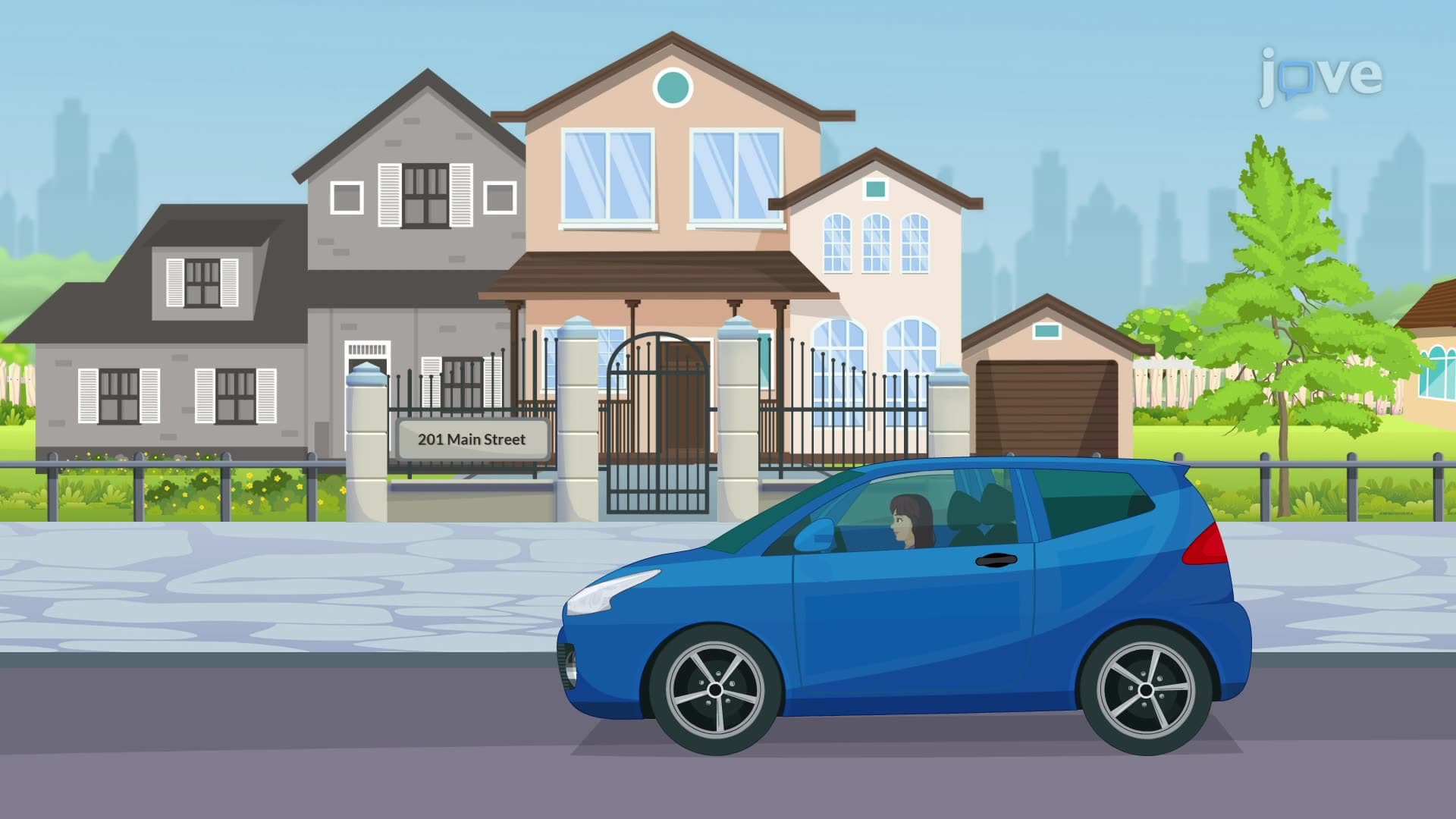
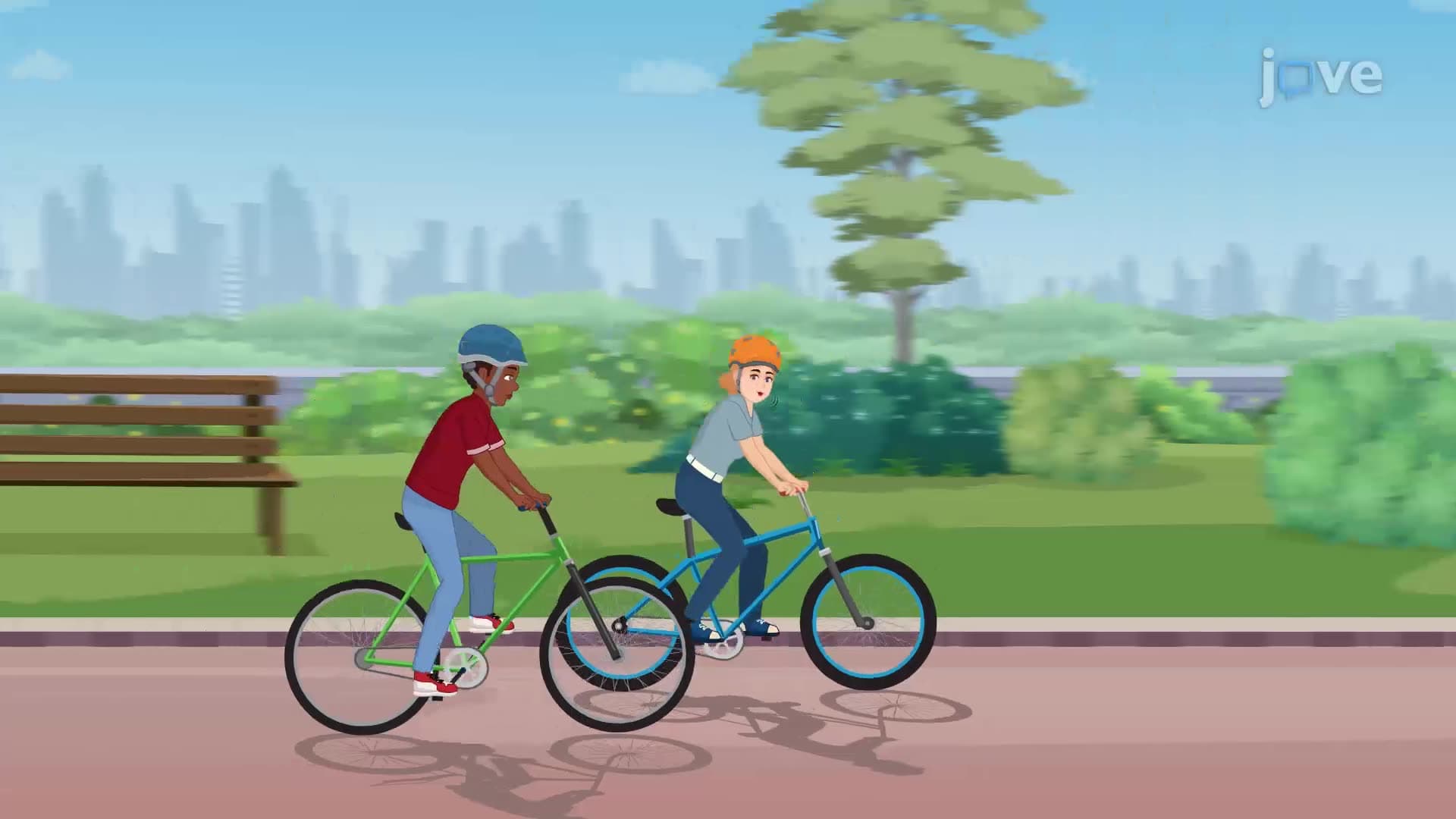
What are implicit memories represent a fascinating aspect of human cognition that operates beneath our conscious awareness. Unlike explicit memories that require deliberate recall, implicit memories guide our behavior through learned experiences we can't consciously access. These memories form the foundation of our automatic responses and skilled behaviors, from the muscle memory that helps a UCLA basketball player sink free throws to the conditioned responses that make us flinch at the sound of nails on a chalkboard.
The Three Pillars of Implicit Memory Systems
Procedural memory serves as the cornerstone of implicit memory, storing our knowledge of how to perform complex tasks. When a Stanford University student types notes during lecture without looking at the keyboard, they're accessing procedural memories built through repetition. This system proves crucial for AP Psychology students studying motor learning, as it explains how practice creates automatic behavioral patterns that persist for decades.
Classical conditioning represents another vital component, where neutral stimuli become associated with automatic responses. American students often experience this when a particular classroom scent triggers anxiety about upcoming exams, or when hearing their high school's fight song instantly evokes school pride years later. These conditioned responses occur without conscious thought, demonstrating how past experiences shape current reactions.
Priming and Academic Performance
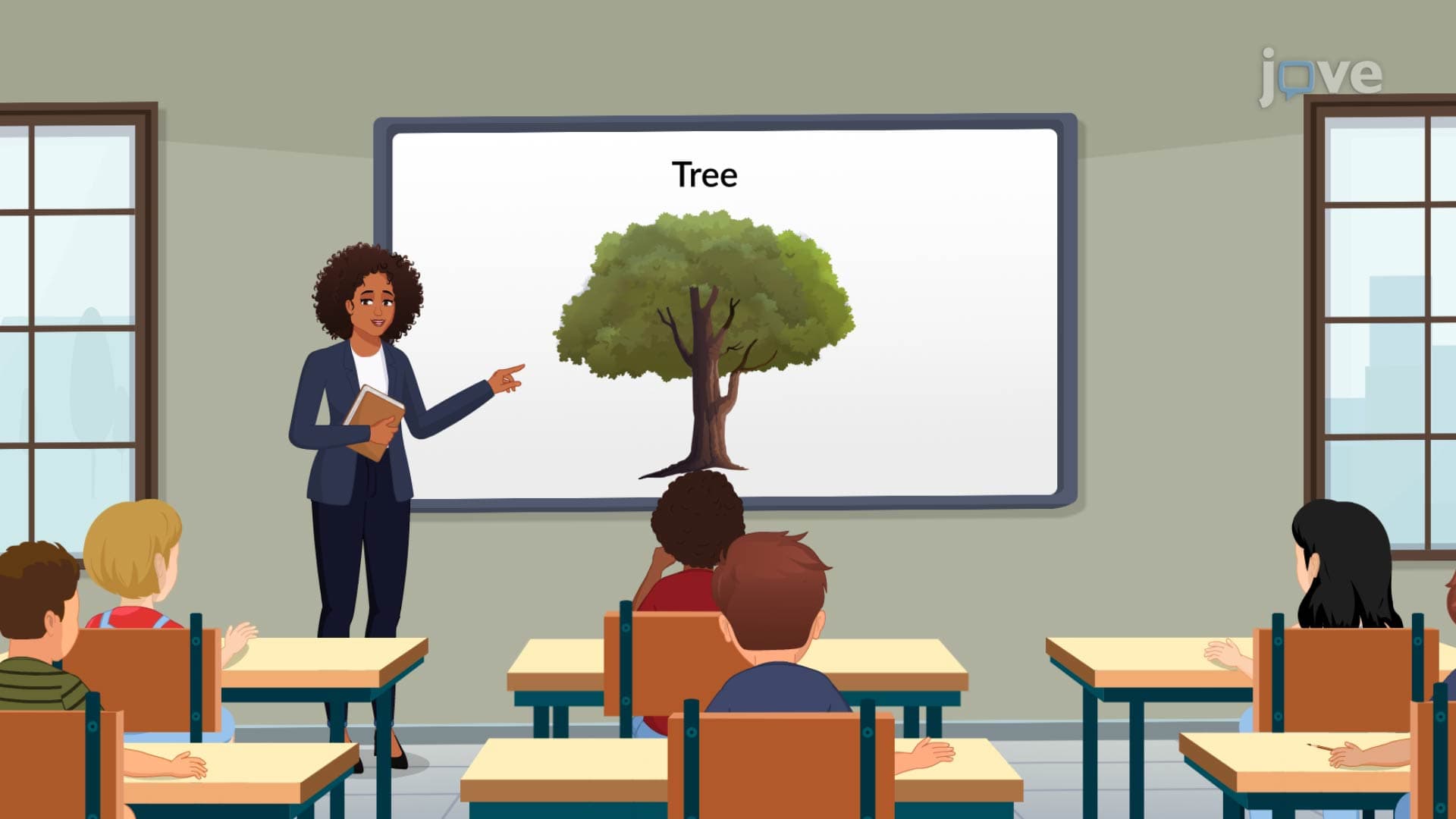
Priming effects significantly impact student performance on standardized tests like the SAT and MCAT. Research from Harvard University shows that students exposed to achievement-related words before testing often perform better than control groups. This phenomenon explains why many American high schools implement positive morning announcements and motivational displays—these environmental cues prime students for academic success throughout the day.
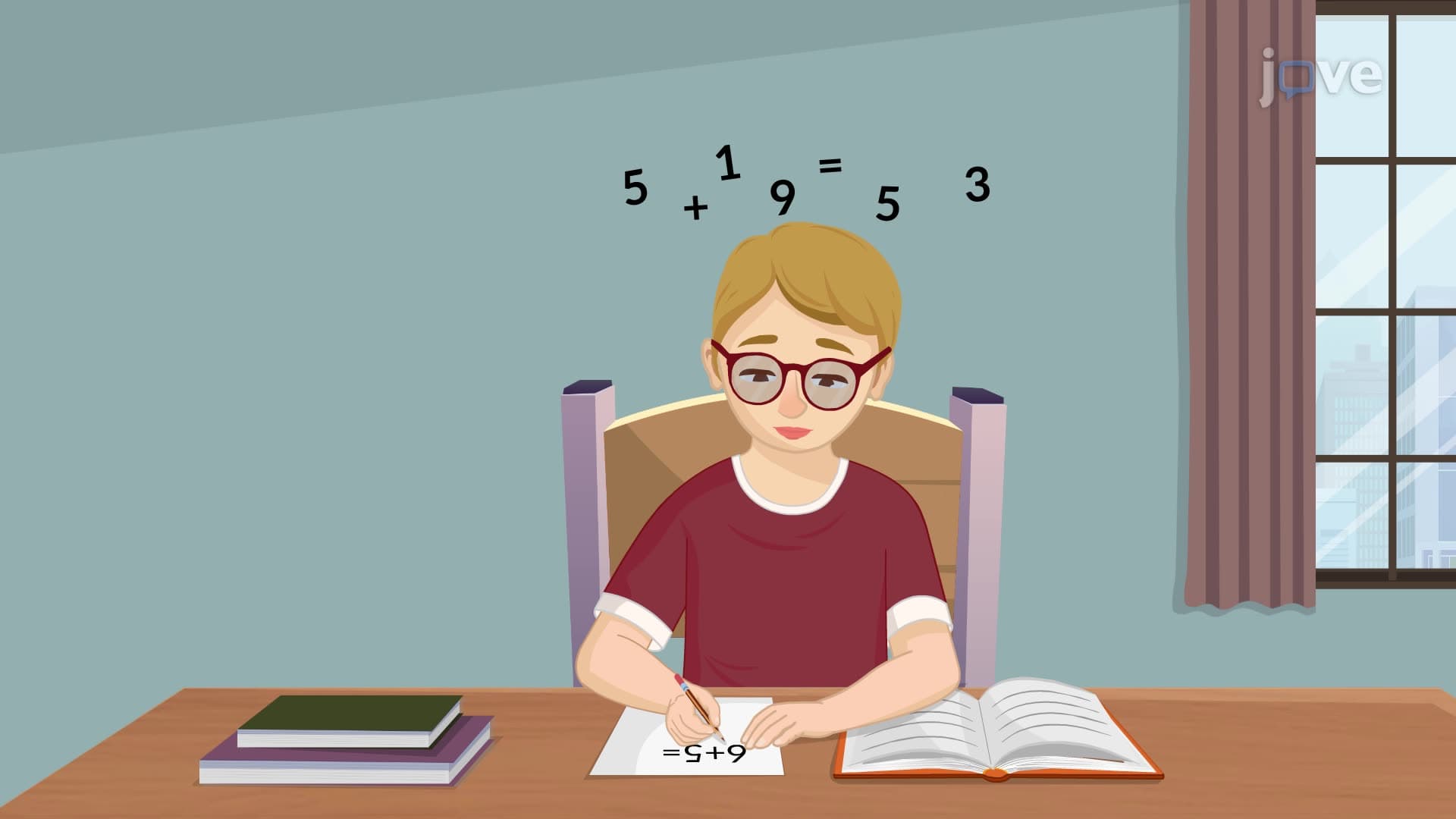
Understanding priming helps explain why cramming proves less effective than distributed practice. When students at the University of California system study vocabulary using spaced repetition, they create stronger implicit memory networks that activate more readily during exams. This principle applies directly to AP course preparation, where consistent exposure to key concepts builds implicit recognition patterns.
Clinical and Educational Applications
Mental health professionals across the United States utilize implicit memory principles in treating trauma and phobias. Exposure therapy relies on gradually reconditioning implicit responses, helping patients develop new automatic reactions to previously triggering stimuli. Similarly, educators leverage these concepts when designing curriculum that incorporates repeated exposure to core concepts across multiple contexts, strengthening implicit knowledge networks that support long-term retention and academic success.
Frequently Asked Questions
Implicit memories are long-term memories that influence behavior without conscious recollection, operating automatically through past experiences. Unlike explicit memories that require deliberate recall (like remembering your address), implicit memories work behind the scenes to guide actions like riding a bike or feeling anxious in certain situations. They form through repetition and conditioning rather than conscious study.
The serial position effect demonstrates how implicit memory systems naturally prioritize information at the beginning and end of sequences. This occurs because these positions receive enhanced encoding through primacy and recency effects, creating stronger implicit associations. Students notice this when vocabulary words at the start and end of study lists feel more familiar during AP exams, even without conscious recall efforts.
The AP Psychology exam frequently includes implicit memory questions, particularly regarding procedural memory and conditioning examples. MCAT test-takers encounter these concepts in the Psychological, Social, and Biological Foundations section, while college psychology courses test implicit memory through case studies and real-world application scenarios. Understanding these concepts proves essential for pre-med students and psychology majors.
High school students rely on implicit memories constantly—from automatically navigating school hallways to feeling nervous before presentations due to past experiences. These memories influence study habits, social interactions, and even food preferences developed through conditioning. Students who understand implicit memory can better recognize why certain environments make them feel anxious or confident, helping them optimize their learning conditions.
Absolutely! Implicit memory concepts are highly intuitive because everyone experiences them daily. The key is connecting technical terms to familiar experiences like muscle memory in sports or automatic responses to familiar songs. High school students without prior psychology coursework can easily grasp these ideas through relatable examples and practical applications.
Create personal examples for each implicit memory type—identify your own procedural memories, conditioning experiences, and priming effects you've noticed. Use flashcards that pair technical terms with specific scenarios, and practice applying concepts to new situations. Form study groups to share examples and quiz each other on distinguishing between implicit and explicit memory systems.
This foundational knowledge supports advanced coursework in cognitive psychology, learning theory, and behavioral neuroscience. Students who master implicit memory concepts excel in research methods courses, as these principles underlie experimental design in memory studies. The concepts also prove valuable for students pursuing clinical psychology, education, or neuroscience careers, where understanding unconscious behavioral influences is crucial.
Related Micro-courses