Loading subject page…


24,241 views


Video Summary: What are Role of Neurotransmitters
Ever wonder why forgetting your keys feels so different from forgetting a calculus formula? The role of neurotransmitters reveals how chemical messengers in your brain control memory formation and loss. When Alzheimer's patients experience severe forgetting, it's often due to depleted acetylcholine levels disrupting neural communication. Watch the full video on JoVE Coach to master this concept with expert-led visuals and step-by-step explanations.
The role of neurotransmitters extends far beyond simple signal transmission-these chemical messengers orchestrate the complex dance of memory formation, storage, and retrieval. When students struggle with forgetting important information before exams, understanding neurotransmitter function provides crucial insights into optimizing learning strategies.
Glutamate serves as the brain's primary excitatory neurotransmitter, essential for creating lasting memories through synaptic plasticity. This forgetting prevention mechanism works by strengthening neural pathways through repeated activation. When you practice AP Biology concepts repeatedly, glutamate reinforces these connections, making information more resistant to forgetting. Students preparing for the MCAT benefit from understanding how glutamate-mediated long-term potentiation creates durable memories that survive test anxiety.
The striatum's dopamine release creates powerful procedural memories, explaining why muscle memory feels so automatic. Basketball players at Duke University demonstrate this principle-repeated practice triggers dopamine release that solidifies shooting techniques into unforgettable motor patterns. This forgetting-resistant storage system helps explain why some skills, once learned, remain accessible even after years of disuse.
During high-stakes situations like SAT testing, multiple neurotransmitters coordinate memory processes. Serotonin modulates emotional intensity, preventing overwhelming anxiety from disrupting recall. Simultaneously, norepinephrine sharpens focus, while glutamate reinforces the neural circuits containing test-relevant information. Understanding this forgetting prevention system helps students develop effective study strategies that work with their brain's natural chemistry.
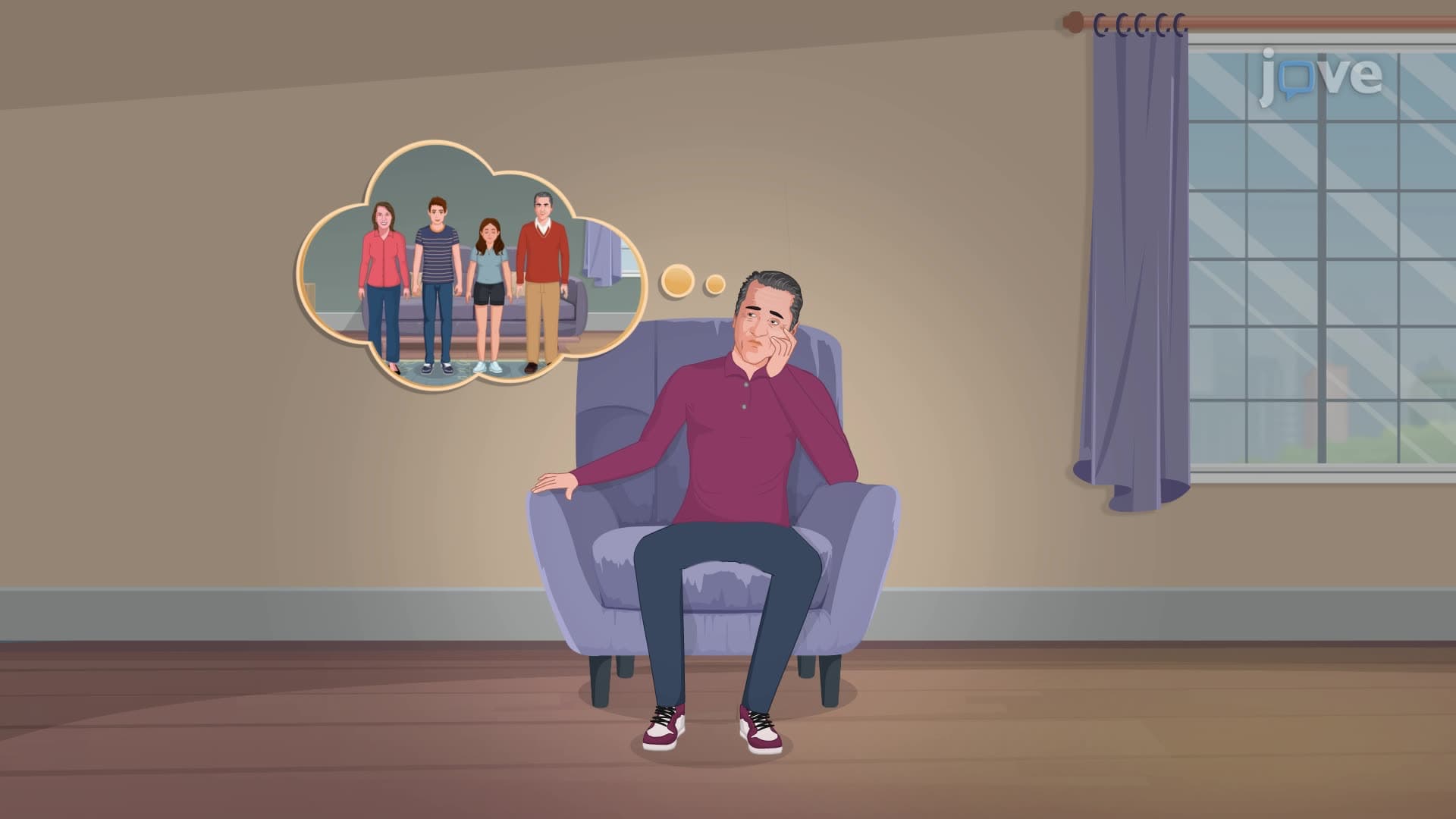
Acetylcholine depletion in Alzheimer's disease provides a stark example of how neurotransmitter dysfunction leads to severe forgetting. This cholinergic deficit disrupts the attention and encoding processes necessary for new learning. Medical students studying for the USMLE encounter this concept when learning about dementia pathophysiology, highlighting the critical relationship between neurotransmitter balance and cognitive function.
Related Micro-courses