Loading video…


 16 Concepts
 3K views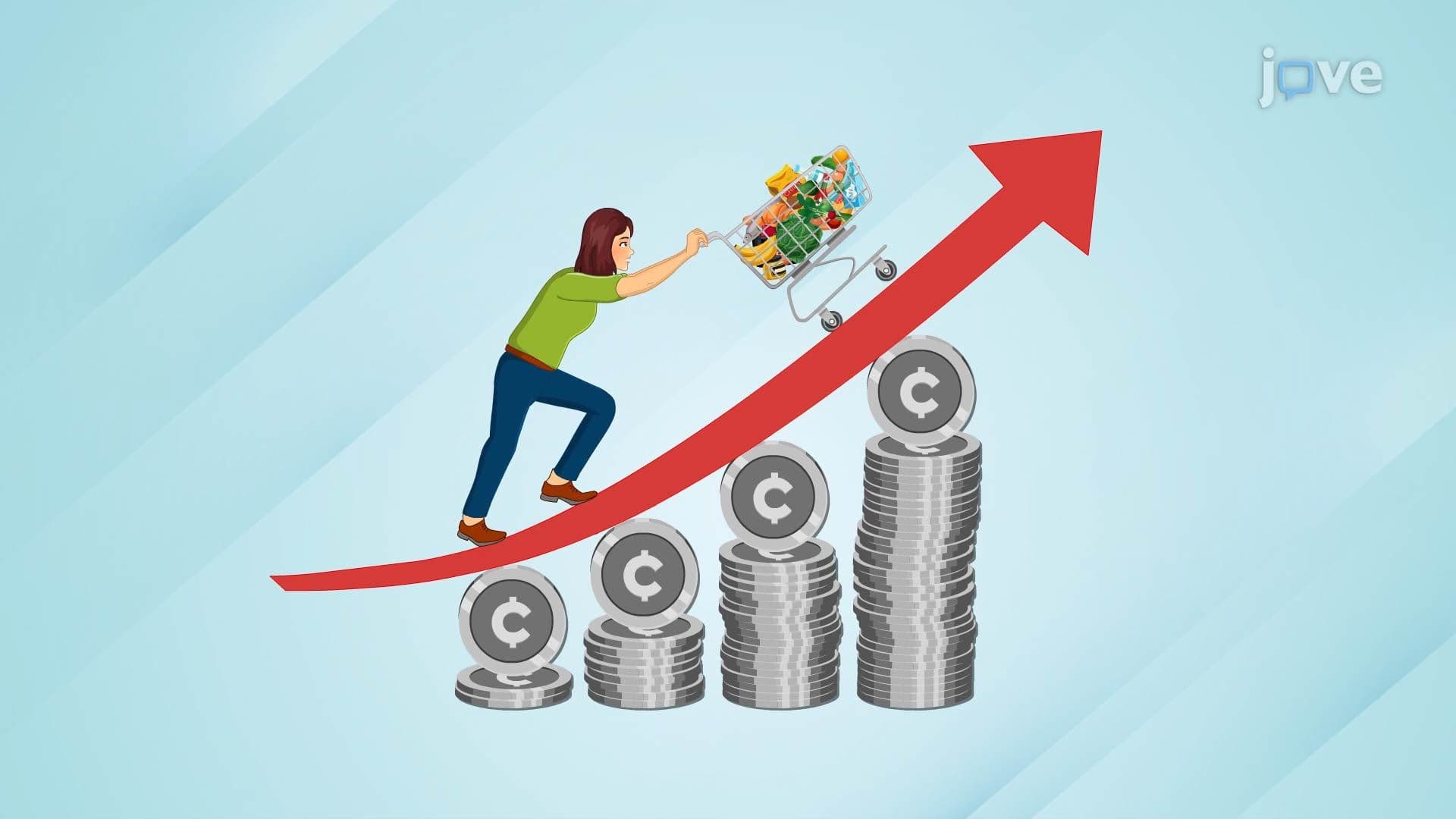

Video Summary: The Ripple Effect of Inflation Explained
Did you know that when coffee prices rise at your local Starbucks, it can trigger changes throughout the entire U.S. economy? The ripple effect of inflation demonstrates how price increases in one sector spread like waves across multiple economic areas, affecting everything from your savings account to workers' paychecks. When the Federal Reserve reported 9.1% inflation in June 2022, Americans witnessed firsthand how rising costs created cascading effects on purchasing power, business operations, and wage demands. Watch the full video on JoVE Coach to master this concept with expert-led visuals and step-by-step explanations.
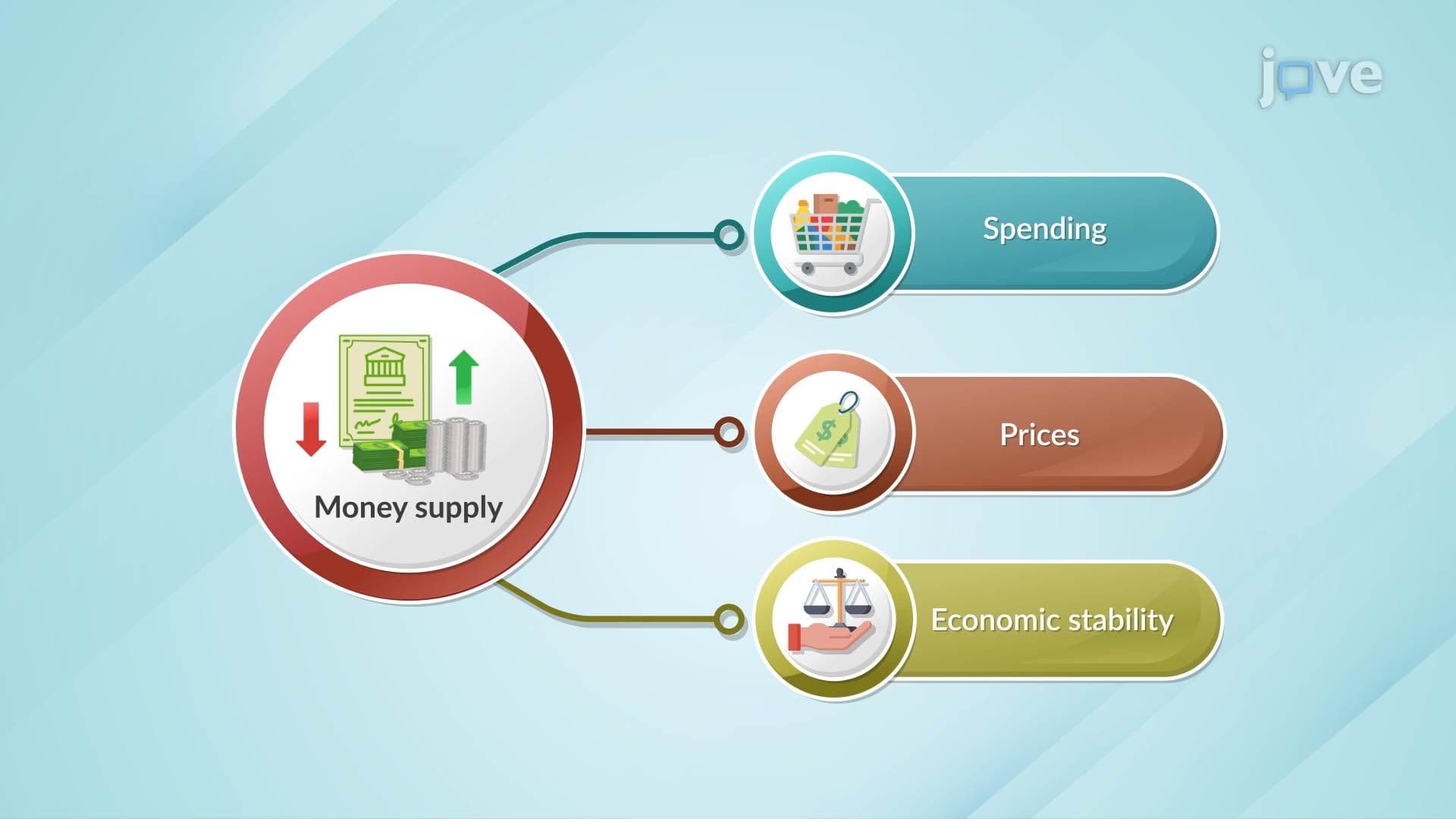
The ripple effect of inflation illustrates how price level increases create interconnected consequences throughout the economic system. Unlike isolated price changes for individual goods, inflation represents a sustained, broad-based rise in the general price level that generates cascading effects across multiple sectors. This concept is fundamental to macroeconomic analysis and appears frequently on AP Economics exams and college-level economics courses.
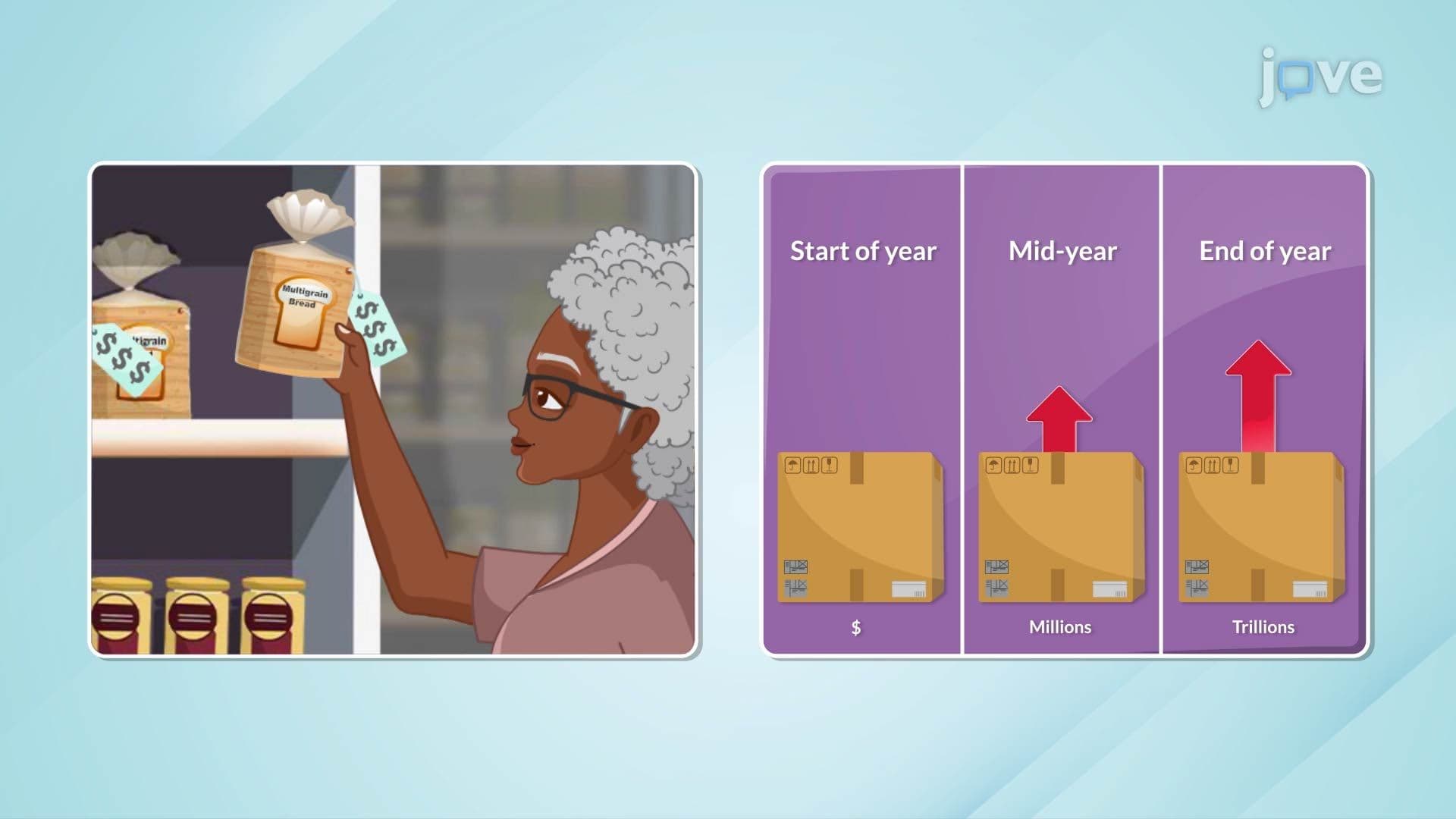
When inflation occurs, the most immediate effect is the reduction in purchasing power-the amount of goods and services consumers can buy with a given amount of money. Consider a practical example: if a McDonald's Big Mac meal cost $8.00 in 2021 and $9.20 in 2023 due to 15% cumulative inflation, consumers need 15% more money to maintain the same consumption level. This phenomenon particularly affects vulnerable populations, including Social Security recipients whose benefits, while adjusted for inflation, often lag behind actual price increases.
Fixed-income earners face the harshest consequences. A retiree receiving $2,000 monthly in pension payments will find their standard of living declining if inflation exceeds 3% annually while their income remains static. This scenario frequently appears in microeconomics problem sets and standardized tests like the SAT Subject Test in Economics.
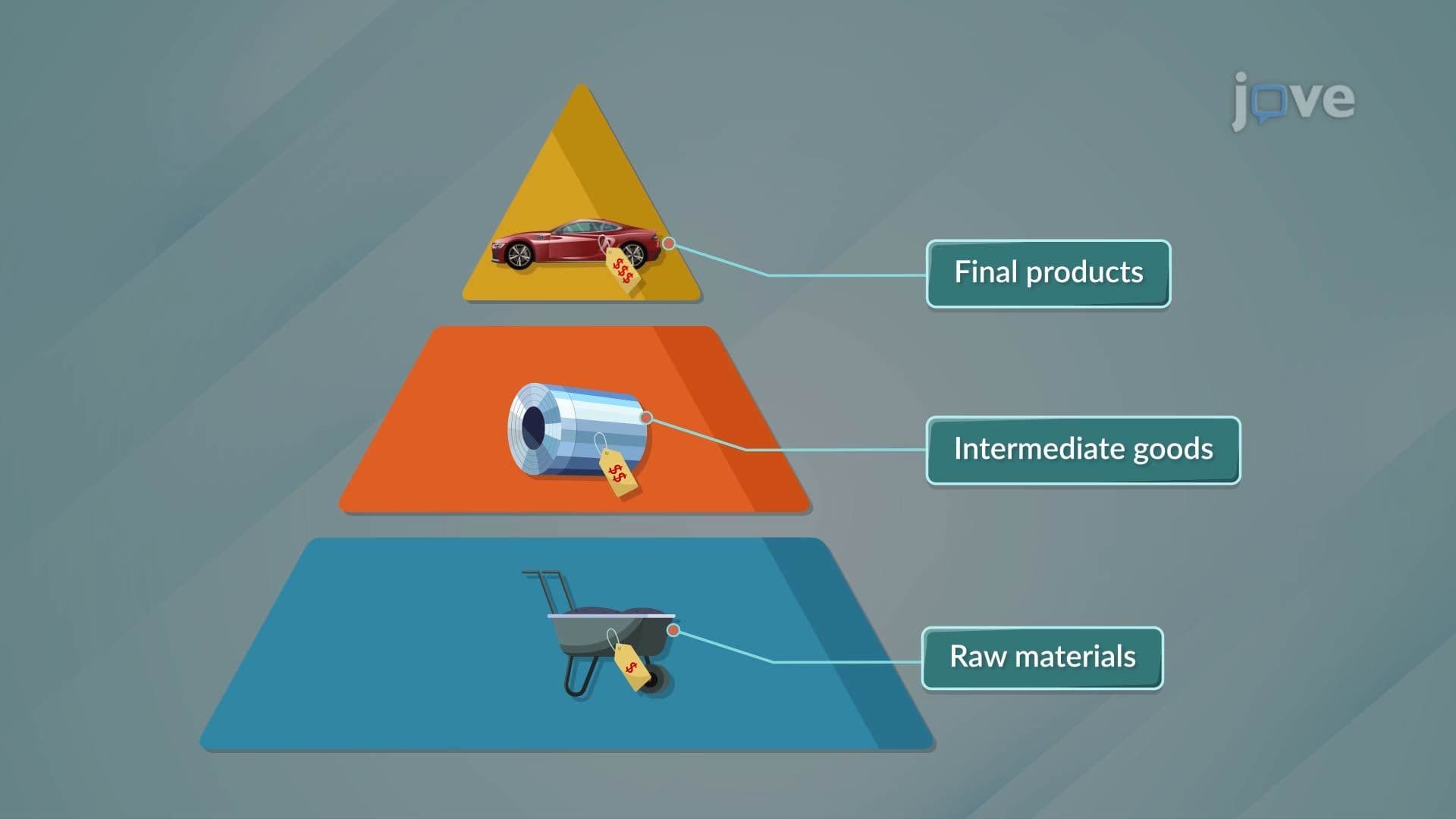
Businesses experience inflation through increased input costs-raw materials, energy, and labor become more expensive. A manufacturing company like Ford must pay more for steel, semiconductors, and assembly line workers. To maintain profit margins, businesses typically pass these costs to consumers through higher prices, creating what economists call "cost-push inflation."
The wage-price spiral represents a particularly dangerous aspect of inflation's ripple effect. When workers demand higher nominal wages to maintain their standard of living, and businesses grant these increases while simultaneously raising prices to cover higher labor costs, it creates a self-reinforcing cycle. The 1970s stagflation period in the United States exemplified this phenomenon, when both unemployment and inflation remained persistently high.
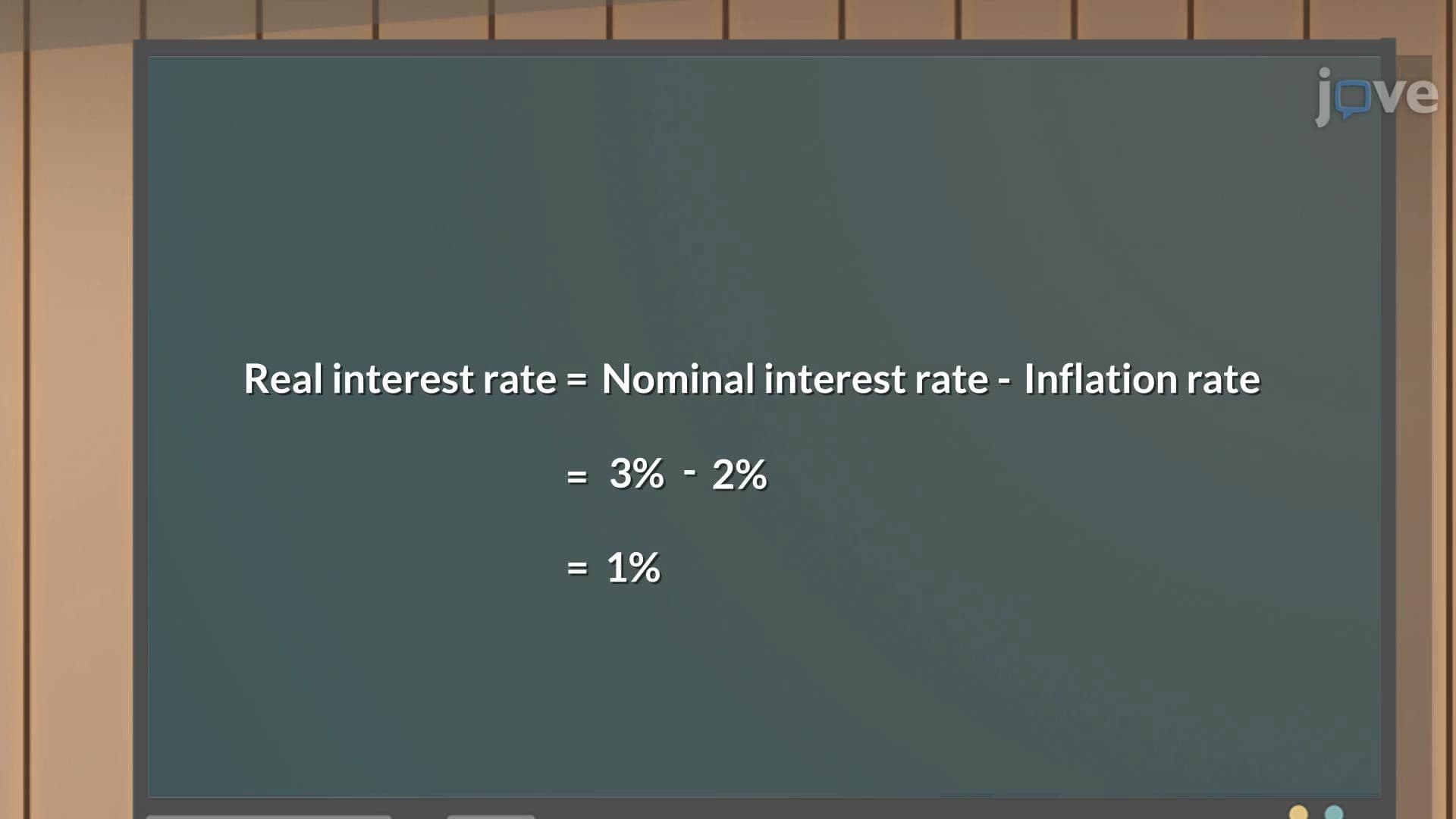
Inflation erodes the real value of savings, particularly affecting conservative investors holding cash or low-yield bonds. If inflation runs at 6% while a savings account yields only 2%, savers experience a 4% real loss in purchasing power annually. This concept appears regularly on MCAT economics sections and business school entrance exams, testing students' understanding of nominal versus real returns.
Related Micro-courses