Loading video…


 16 Concepts
 3K views

Video Summary: What are Causes of Hyperinflation
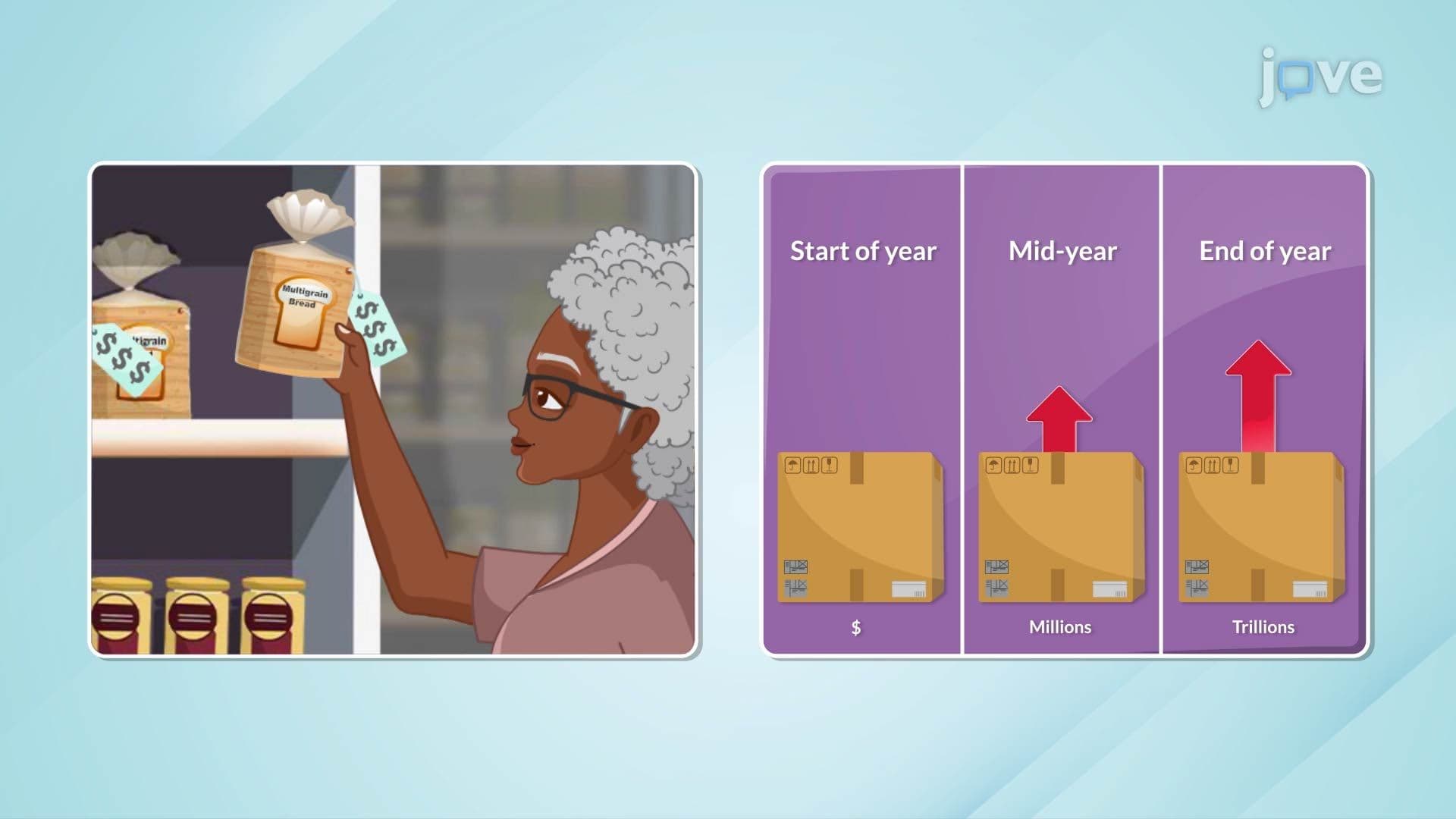
Did you know a country's currency can become so worthless that people use wheelbarrows of cash just to buy bread? The causes of hyperinflation reveal how quickly an economy can collapse when monetary policy spins out of control. Understanding causes of hyperinflation basics helps explain historical crises, and warns against repeating them. Watch the full video on JoVE Coach to master this concept with expert-led visuals and step-by-step explanations.
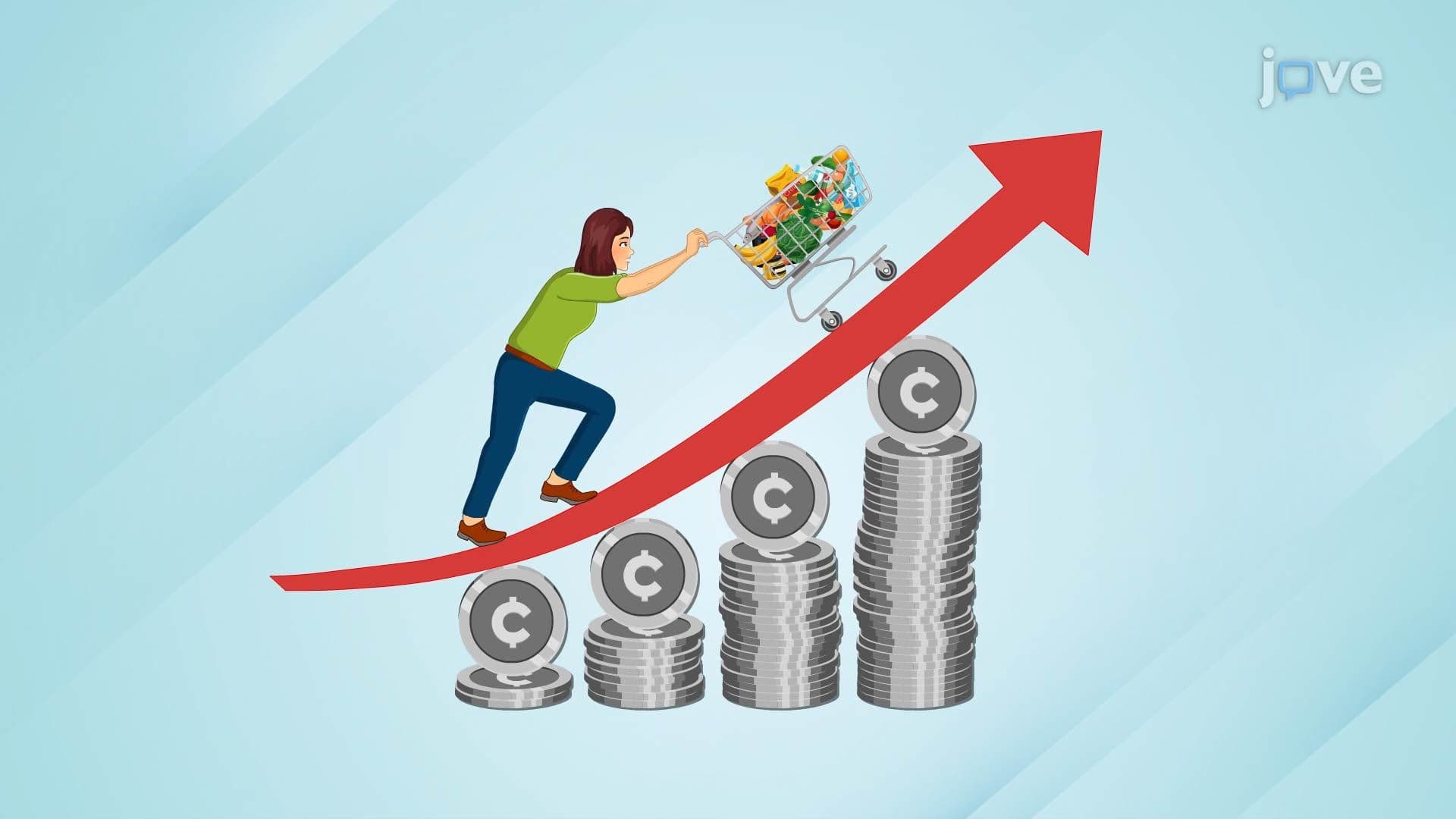
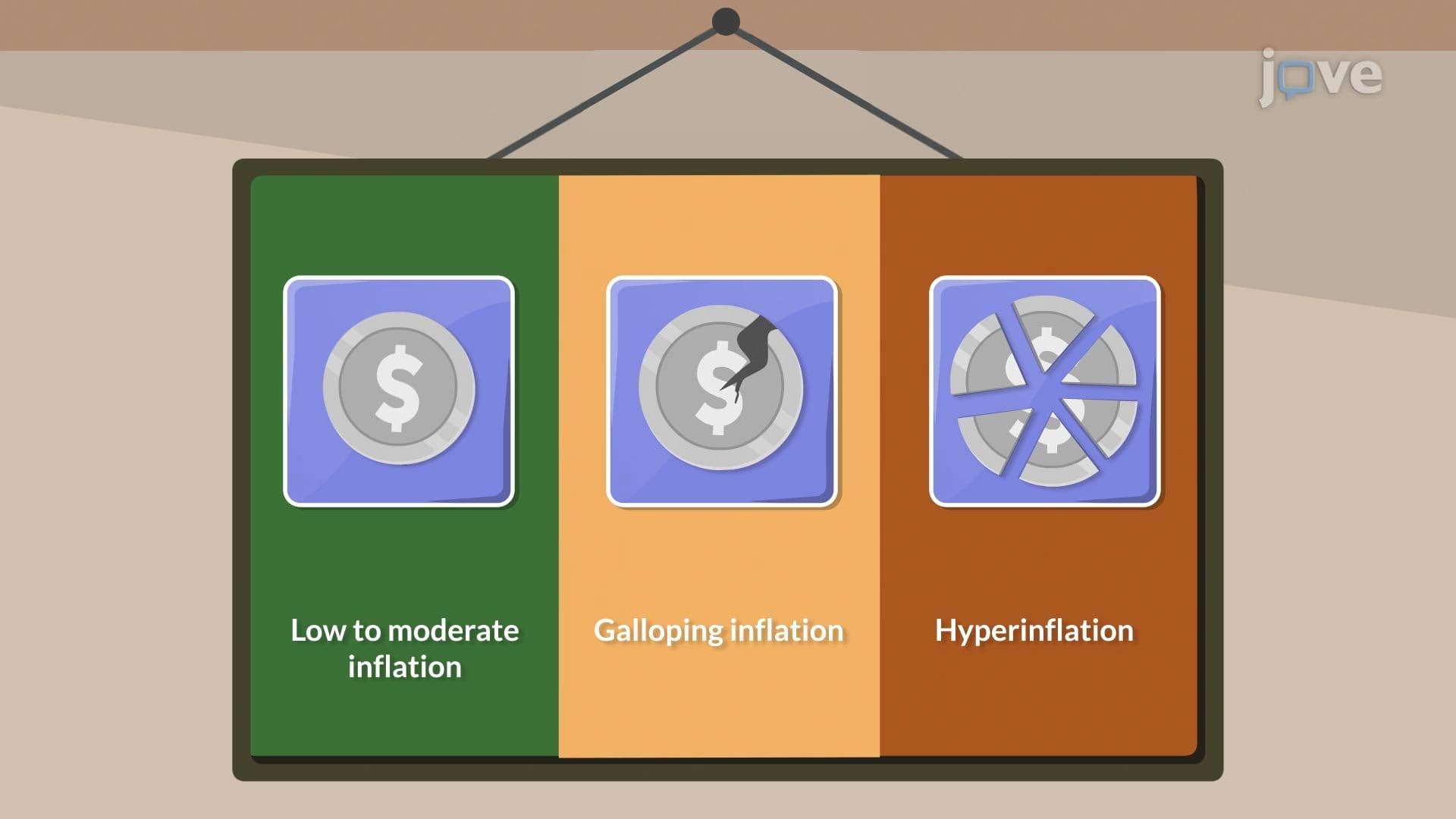
Hyperinflation is one of the most dramatic and destructive economic events a country can experience, defined generally as inflation exceeding 50% per month. While ordinary inflation reflects moderate price increases, hyperinflation represents a complete breakdown of monetary stability. Understanding the causes of hyperinflation is essential for any student studying macroeconomics, whether in an AP Economics class, an introductory college course, or preparing for standardized exams.
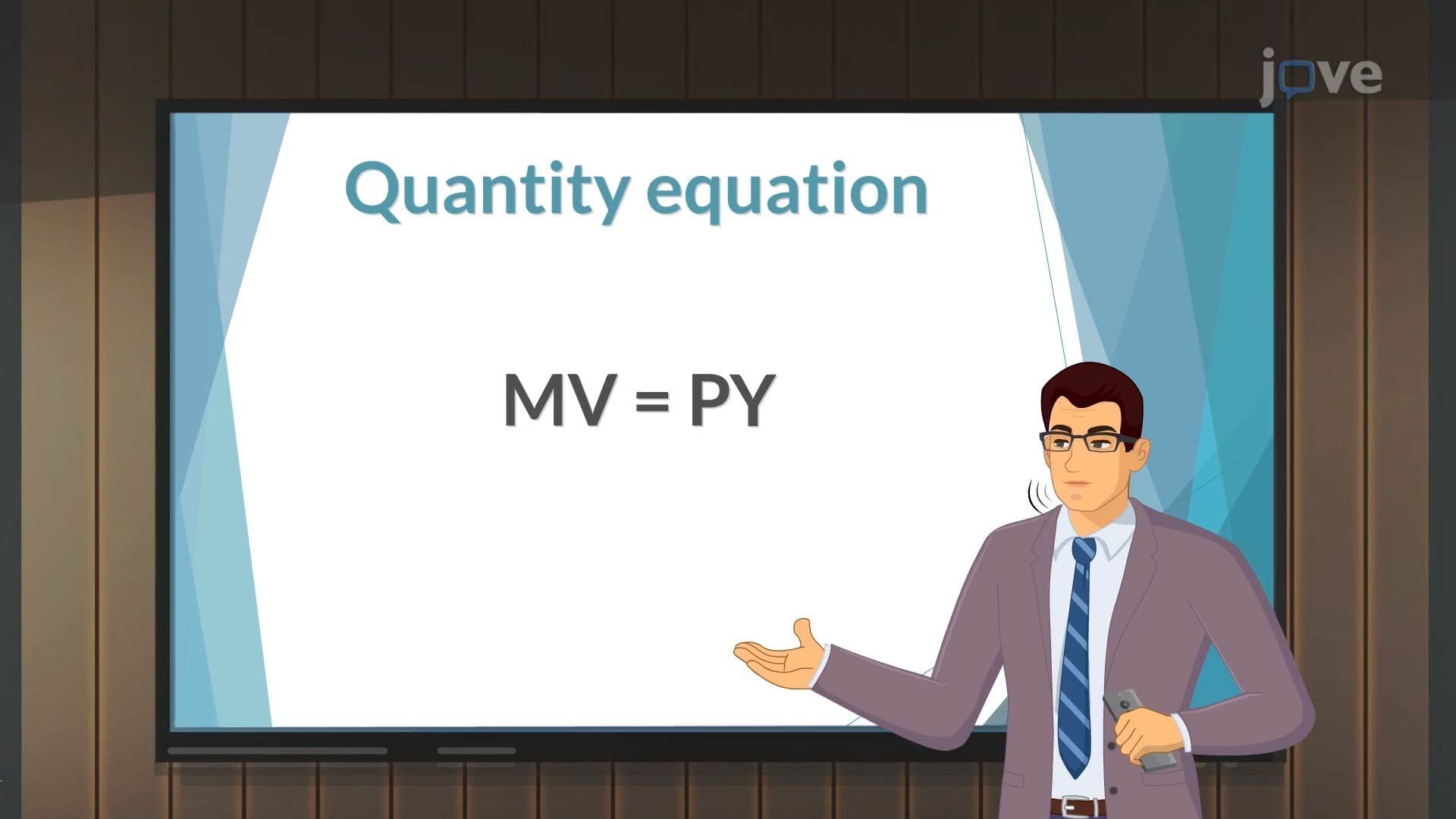
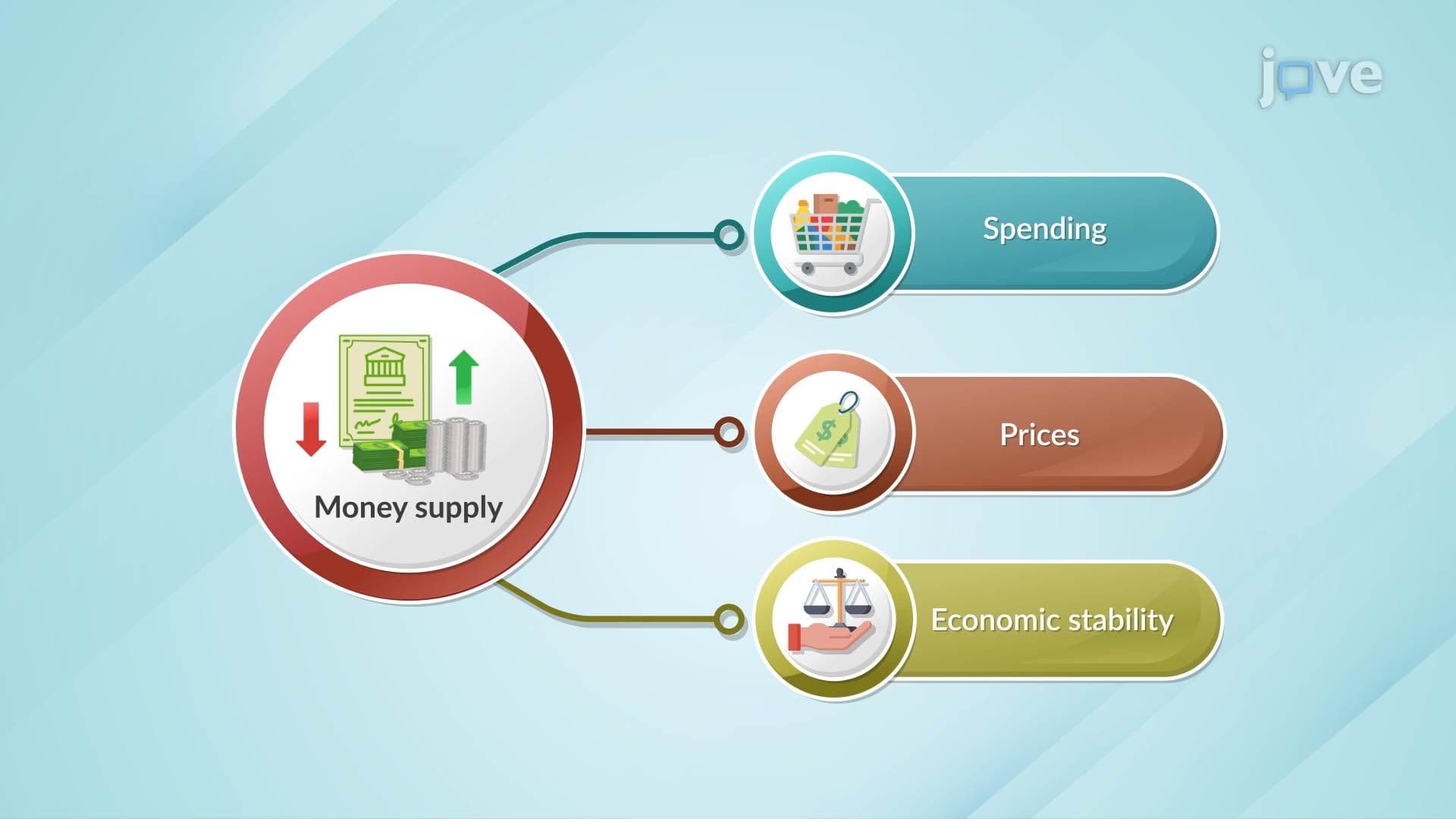
The most widely cited cause of hyperinflation is a government printing money far beyond what the economy can support. When a central bank or treasury floods the economy with currency, often to cover government debts or fund public spending, the supply of money rises sharply while the supply of real goods and services does not. According to the quantity theory of money (MV = PQ), when money supply (M) grows much faster than real output (Q), prices (P) must rise. This is the fundamental engine of hyperinflation.
In the United States, economists and policymakers frequently reference this principle when debating Federal Reserve monetary policy. While the U.S. has not experienced hyperinflation, debates around quantitative easing programs following the 2008 financial crisis raised legitimate questions about the long-term relationship between money supply and price stability, making this a highly relevant concept in modern economic discourse.
Hyperinflation rarely results from monetary policy alone. A simultaneous collapse in economic output creates a dangerous combination: too much money chasing too few goods. Supply disruptions, caused by war, political instability, crop failures, or misguided policy, shrink the availability of products and services. This drives prices upward from the supply side, compounding the effects of excess currency.
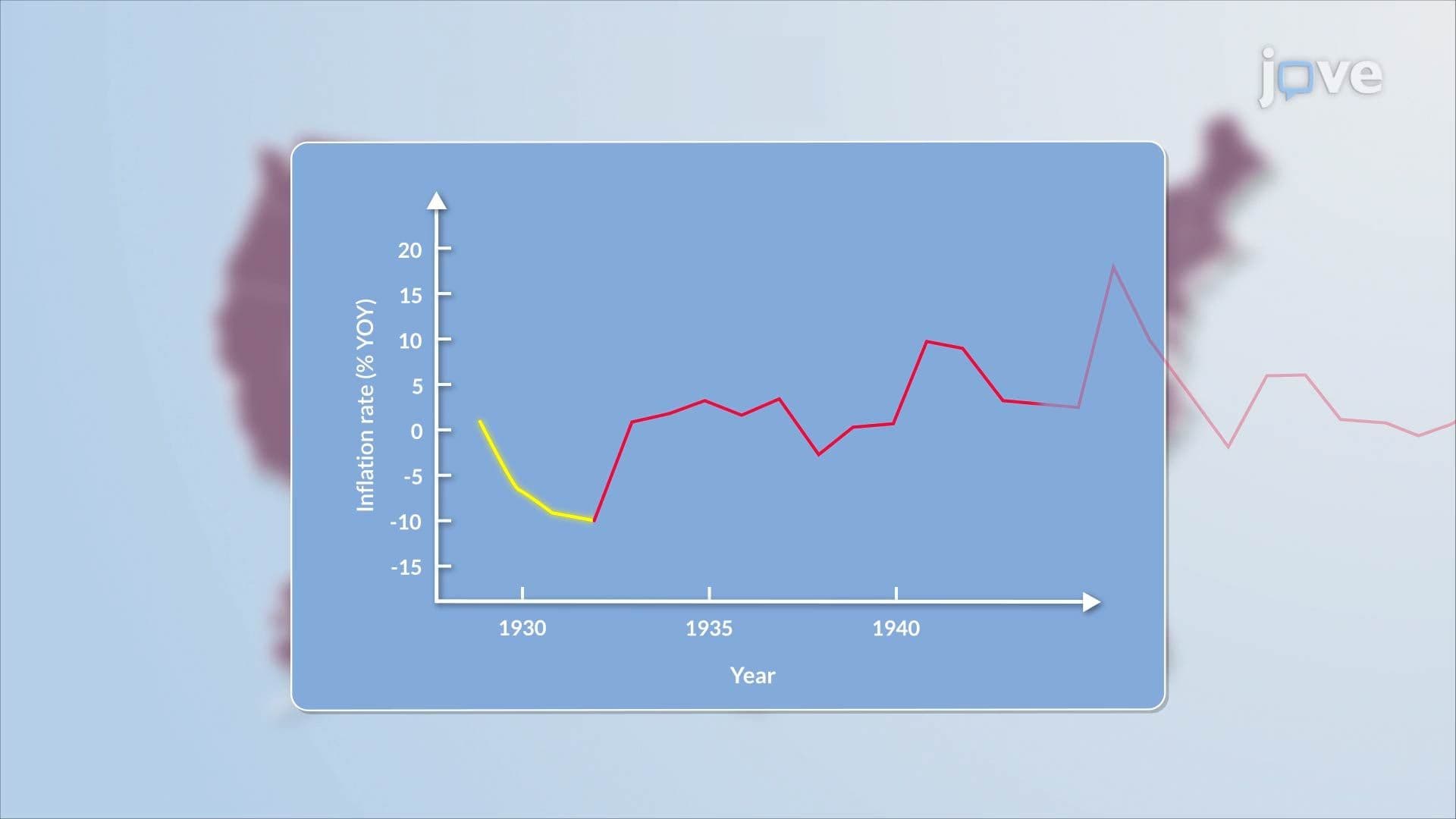
A parallel U.S. example can be found in supply chain disruptions during the COVID-19 pandemic. While the U.S. did not enter hyperinflation, economists observed how constrained supply combined with government stimulus payments caused notable inflationary pressure from 2021 to 2023, reaching rates not seen since the 1980s. This real-world comparison helps students connect causes of hyperinflation explained in textbooks to observable economic events.
Perhaps the most self-reinforcing cause of hyperinflation is the collapse of public trust in the national currency. Once people believe their money will lose value rapidly, they rush to spend it immediately, a behavior economists call a velocity of money increase. This panic spending pushes prices even higher, creating a feedback loop that is extremely difficult to stop.
Currency substitution, where citizens adopt foreign currencies for everyday transactions, is a telltale sign that hyperinflation has become severe. This behavior is a key concept tested on AP Macroeconomics exams and frequently appears in college-level monetary economics discussions.
Beyond domestic policy failures, inflation causes and economic impacts can also originate externally. International economic sanctions can restrict a country's access to foreign exchange and imports, shrinking the supply of goods. Falling export revenues reduce national income, weakening the currency further. Political instability discourages investment, reduces productivity, and can paralyze the institutions needed to implement corrective fiscal or monetary policy. These compounding external factors help explain why hyperinflation tends to occur in countries already experiencing governance crises, a pattern consistently examined in AP Human Geography, AP Economics, and college macroeconomics curricula.
Related Micro-courses