Loading subject page…

3,026 views

Video Summary: The Real and Nominal Interest Rate Explained
Did you know your savings account might actually be losing value even while your balance grows? Understanding the real and nominal interest rate is the key to unlocking that paradox. When a US saver earns 3% interest but inflation runs at 4%, their purchasing power shrinks, a concept central to The Real and Nominal Interest Rate Explained. Watch the full video on JoVE Coach to master this concept with expert-led visuals and step-by-step explanations.
When most people check the interest rate on a savings account or student loan, they are looking at the nominal interest rate, the stated percentage before any adjustment for inflation. However, economists and financially savvy consumers care just as much, if not more, about the real interest rate, which strips away the effects of inflation to reveal the true change in purchasing power. Grasping both figures is foundational to AP Economics, college macroeconomics courses, and smart personal finance planning.
The nominal interest rate is the percentage return on a financial product as advertised, no adjustments included. A US bank advertising a 3% annual yield on a savings account is quoting a nominal rate. This figure is straightforward and easy to compare across institutions, which is why it dominates marketing materials and financial contracts. However, it can be misleading on its own because it ignores the fact that inflation steadily reduces what each dollar can actually purchase.
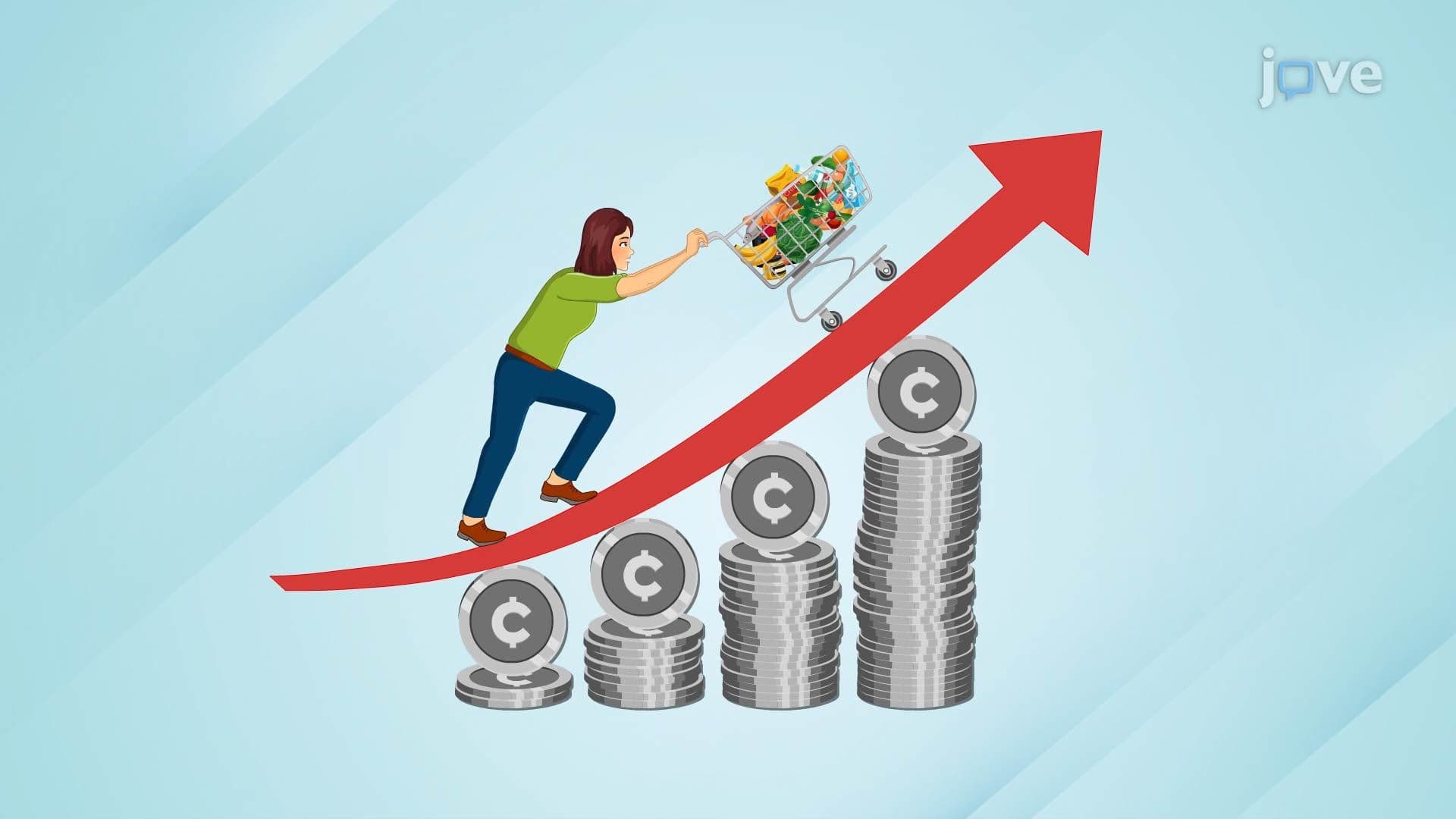
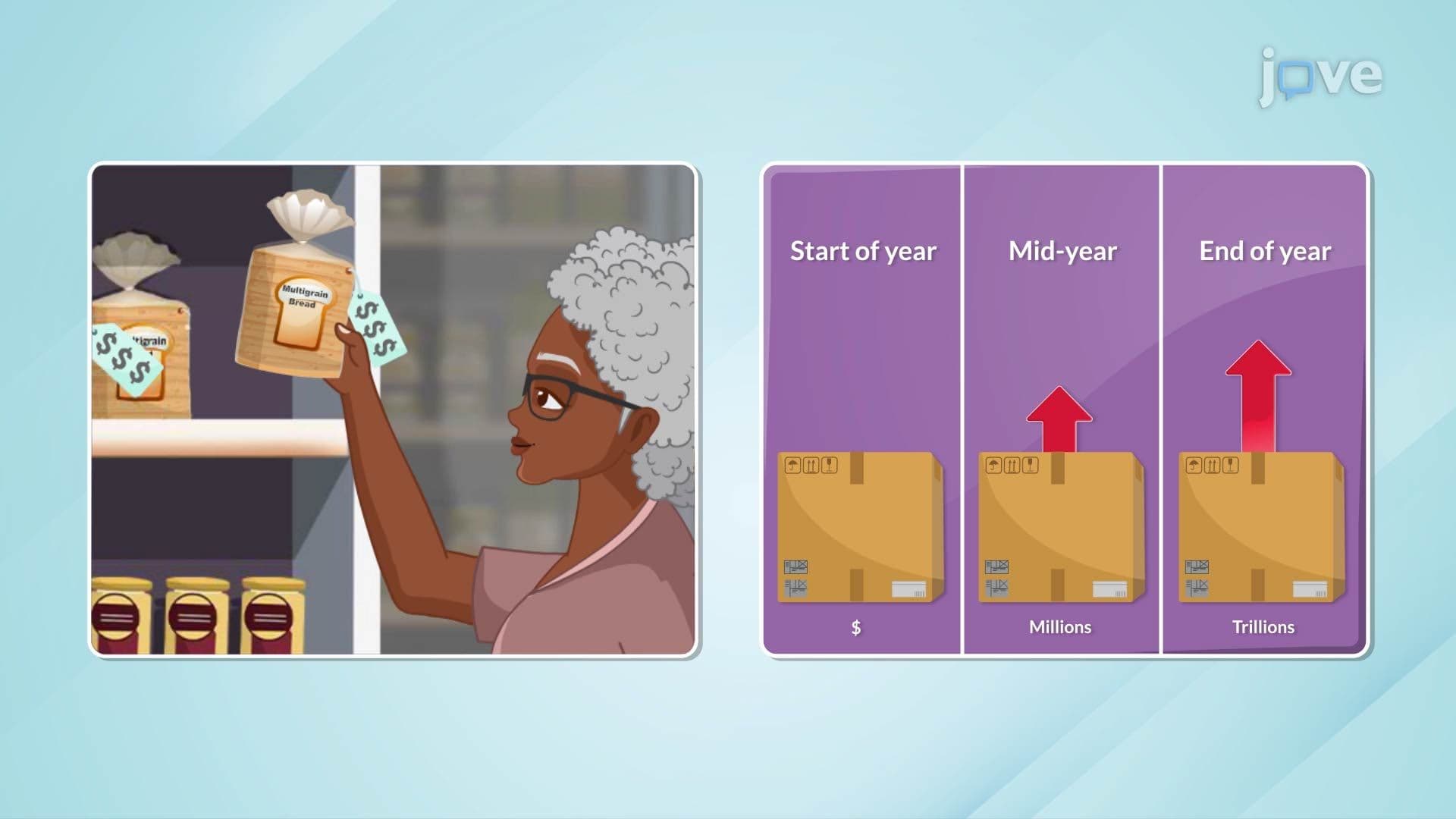
Inflation measures the general rise in prices across the economy. The US Bureau of Labor Statistics tracks this through the Consumer Price Index (CPI), which monitors a broad basket of goods and services. When inflation runs at 2% annually, a product that costs $100 today will cost $102 next year. That means even if your savings account balance grows by 3%, your ability to buy goods and services only improves by roughly 1%. This gap is precisely what the real interest rate captures.
The formula is elegantly simple:
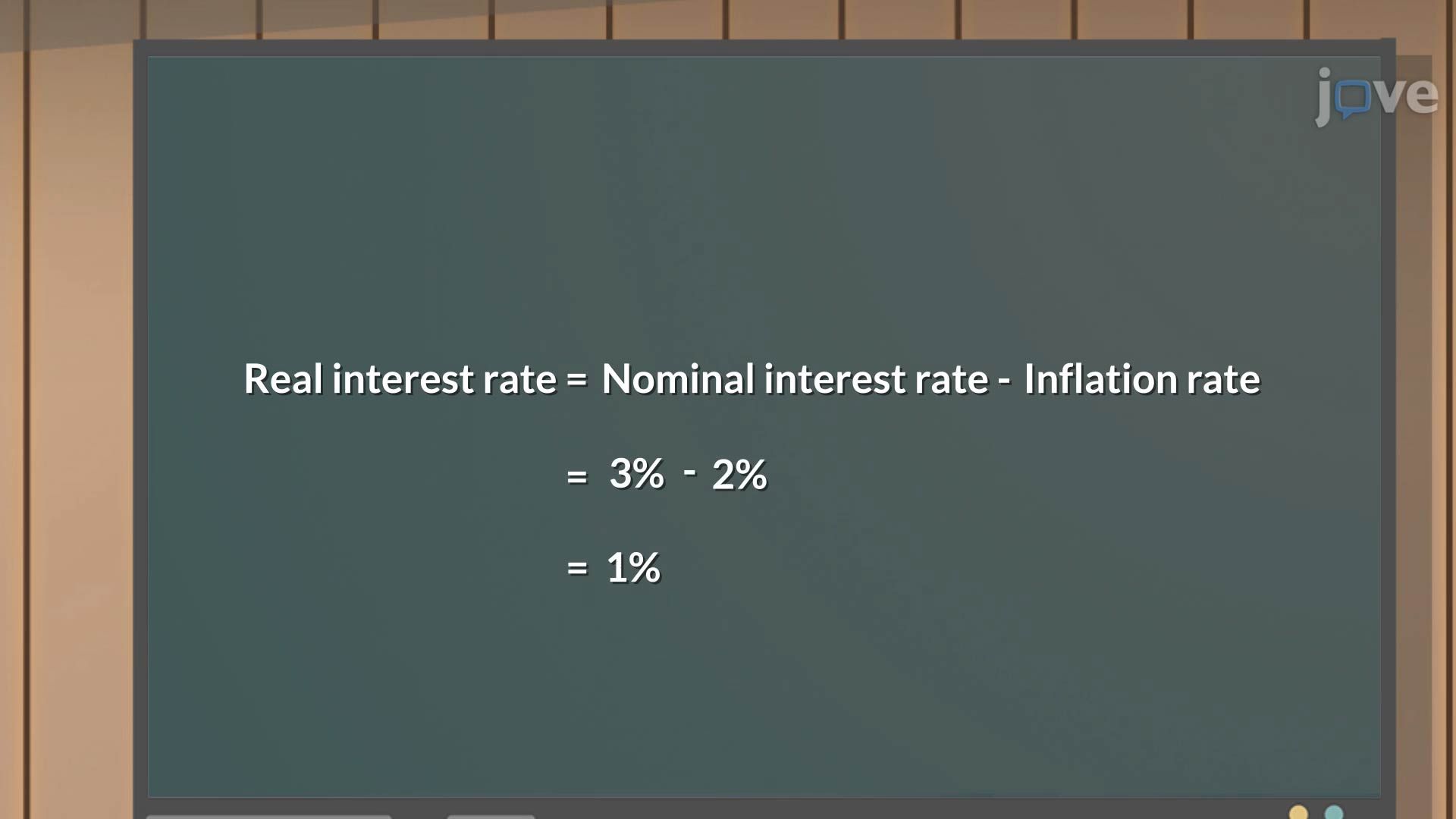
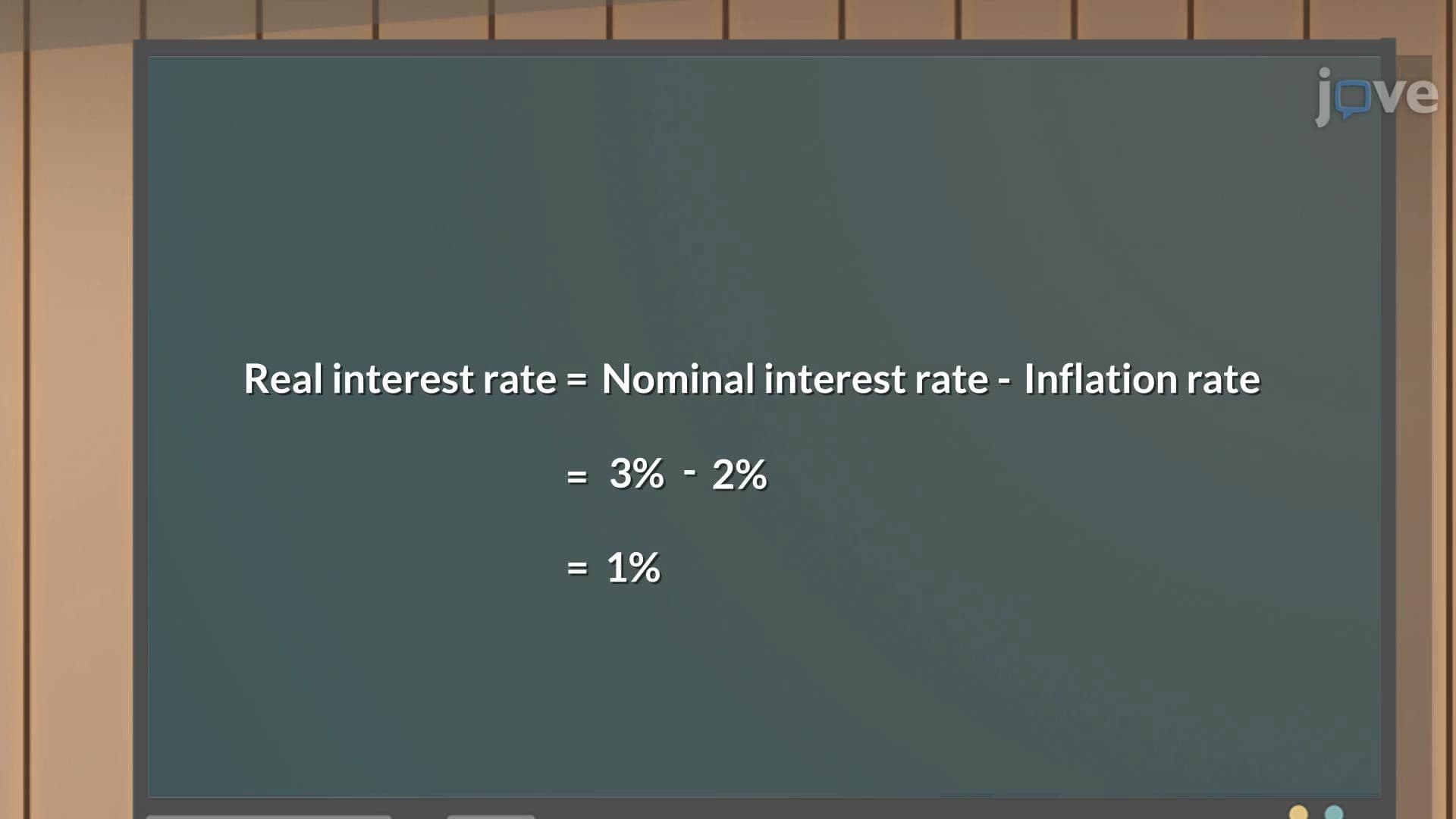
Real Interest Rate = Nominal Interest Rate − Inflation Rate
If the nominal rate is 3% and inflation is 2%, the real interest rate is 1%. If inflation climbs to 4%, the real rate becomes −1%, meaning your money loses purchasing power despite a growing balance, a situation that has real consequences for retirement savers, college funds, and everyday households.
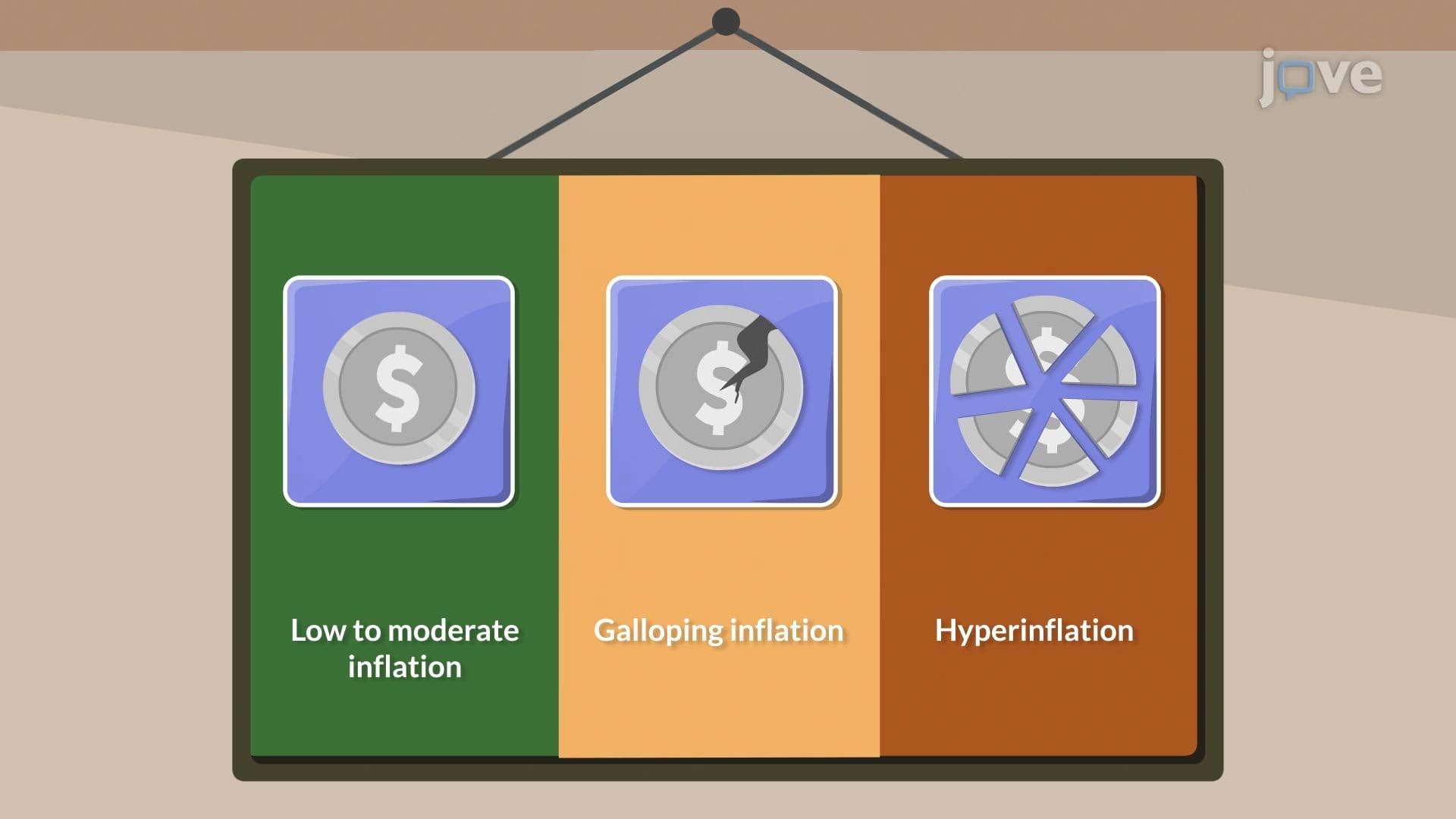
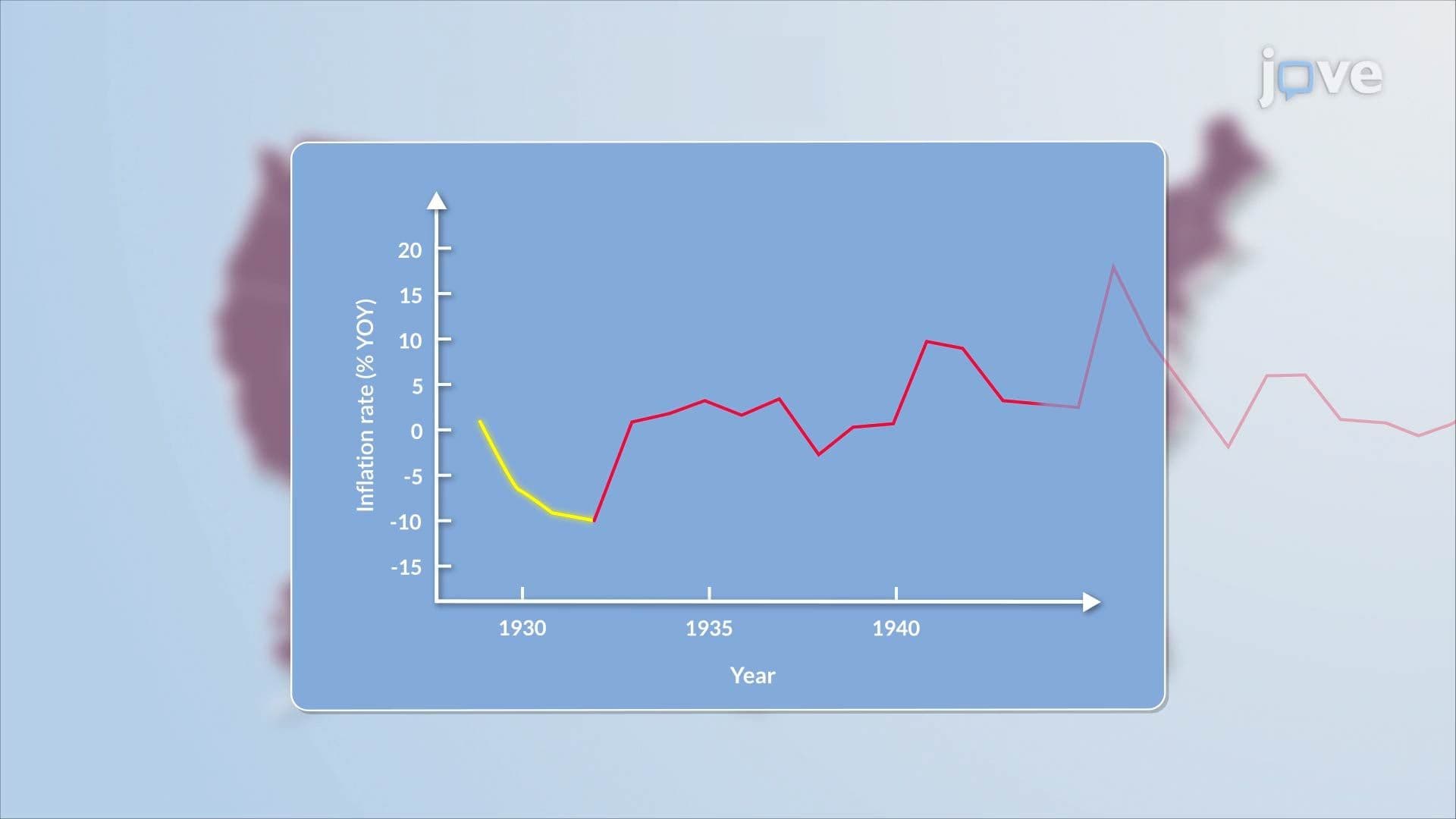
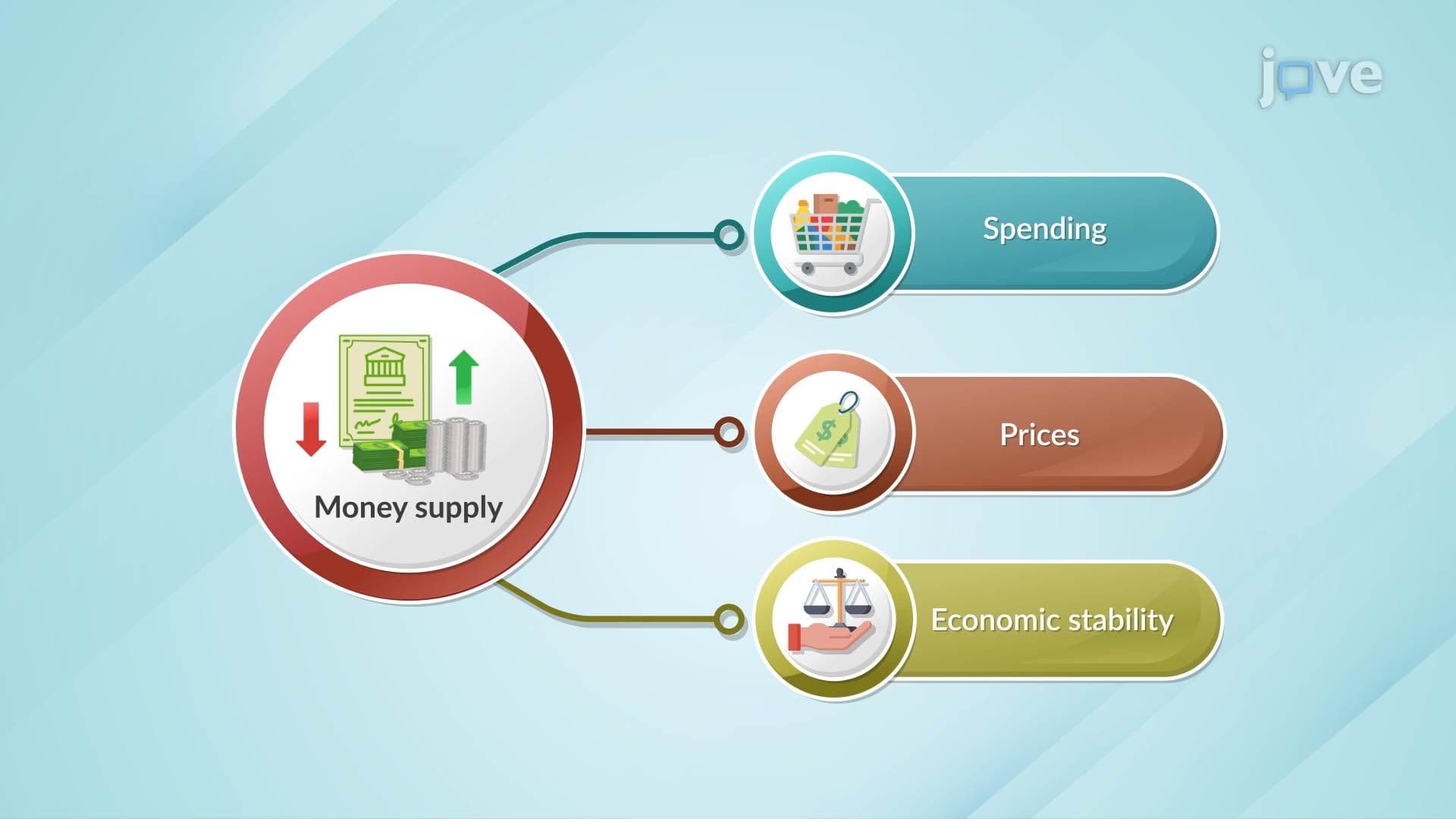
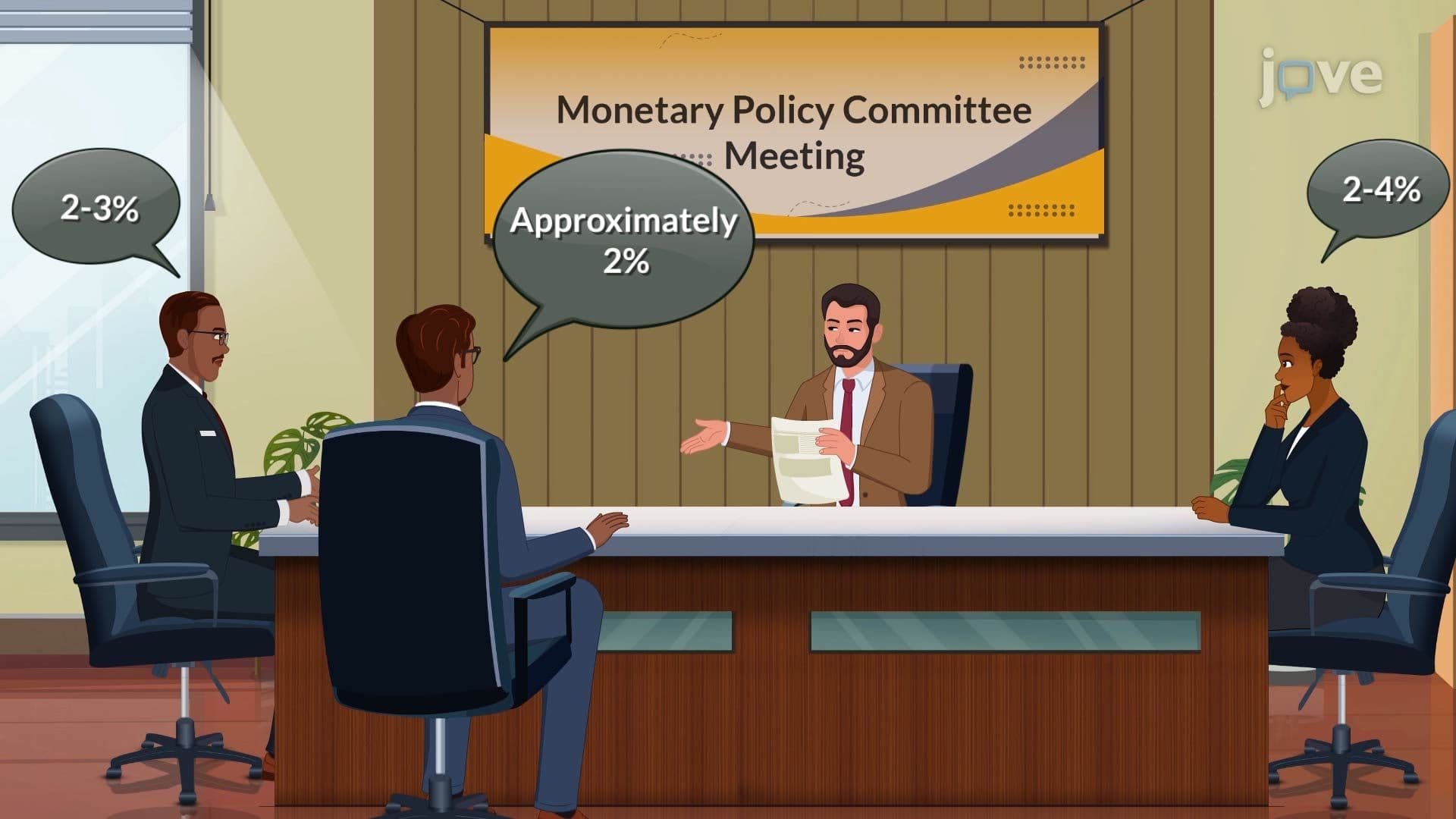
A negative real interest rate is not a theoretical edge case. During periods of elevated inflation, such as when US inflation surged above 8% in 2022, many savings accounts offering 0.5% or 1% nominal returns were delivering deeply negative real returns. This creates an incentive for consumers to spend or invest rather than hold cash, which in turn influences broader economic behavior. The Federal Reserve monitors real interest rates closely when setting monetary policy, aiming to balance growth with price stability.
The real versus nominal interest rate distinction is a staple of the AP Macroeconomics exam, frequently appearing in both multiple-choice and free-response sections. College courses in principles of macroeconomics, personal finance, and even introductory business cover this framework early in the semester. Students are expected to apply the subtraction formula, interpret graphs showing inflation trends, and explain how changes in the Federal Reserve's target rate filter through to real borrowing costs. Mastering this concept also builds the analytical foundation for understanding related topics like the Fisher Effect, bond pricing, and the time value of money.
Related Micro-courses