Loading video…

 16 Concepts
 3K views

Video Summary: What Is Anticipated and Unanticipated Inflation
Did you know a single drought can unravel months of carefully negotiated business contracts? Anticipated and unanticipated inflation explains why, and it's a concept that shapes everything from grocery pricing to federal policy. When a California food supplier and a retail chain agree on price schedules, they're banking on predictable inflation. One climate shock later, that plan collapses. Watch the full video on JoVE Coach to master this concept with expert-led visuals and step-by-step explanations.
Inflation, the general rise in the price level over time, is rarely a surprise to economists, businesses, or policymakers. What matters enormously is whether inflation unfolds *as expected* or catches everyone off guard. This distinction is at the heart of anticipated and unanticipated inflation, two concepts that appear in AP Macroeconomics courses, college Economics 101 curricula, and real-world financial decision-making alike.
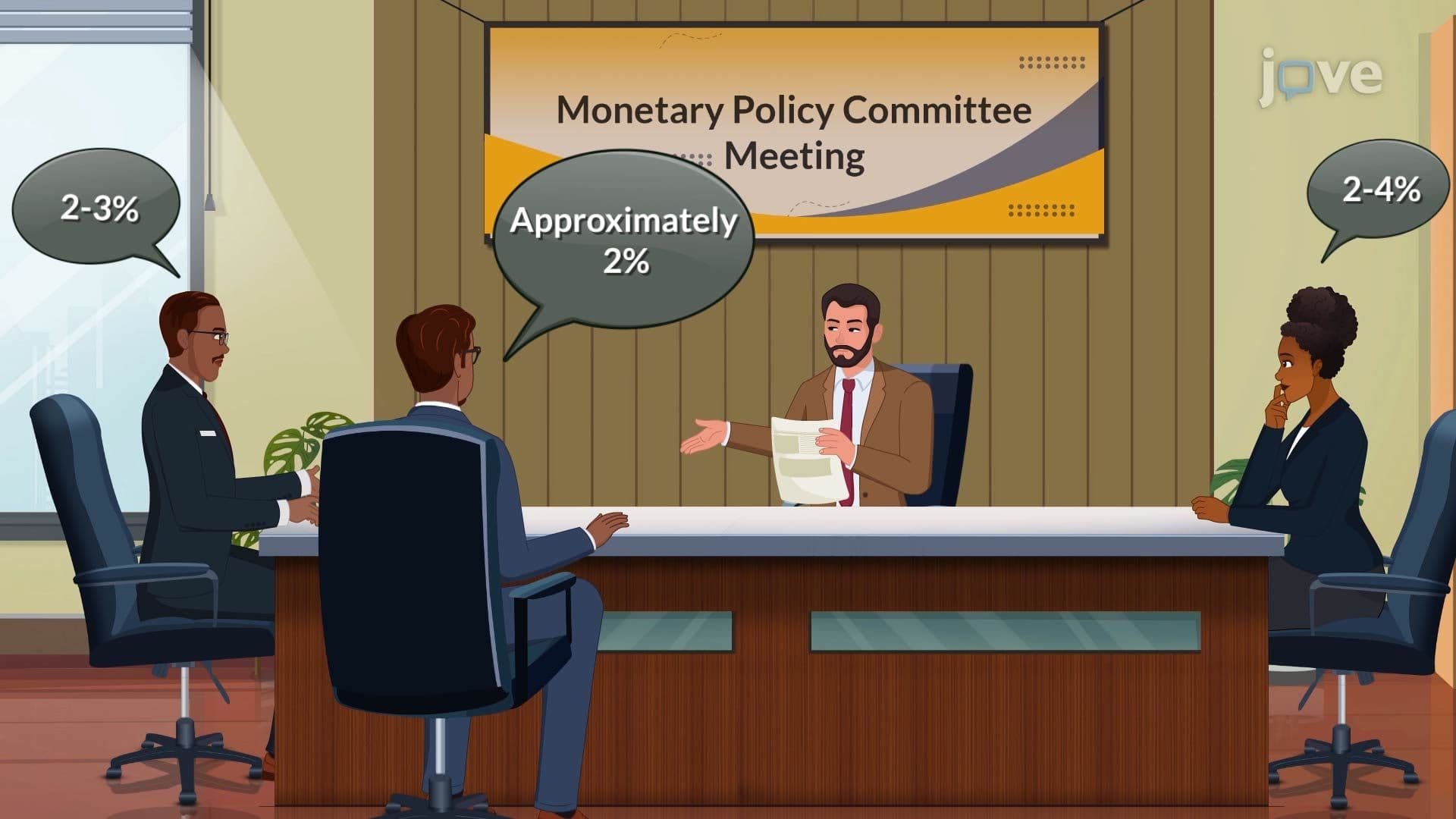
Anticipated inflation is inflation that economic actors expect and factor into their decisions in advance. When a business negotiates a multi-year supplier contract, a landlord sets annual rent escalations, or a lender determines a mortgage interest rate, they are all embedding an inflation forecast into those agreements. If the U.S. Federal Reserve signals a 2-3% annual inflation target, its long-standing benchmark, businesses, unions, and consumers adjust wages, prices, and contracts accordingly.
For example, when American autoworkers negotiate multi-year union contracts with built-in cost-of-living adjustments (COLAs), they are responding to anticipated inflation. Both parties agree because they share roughly the same expectations about future price levels. The key feature of anticipated inflation is that it causes minimal disruption, everyone has already accounted for it.
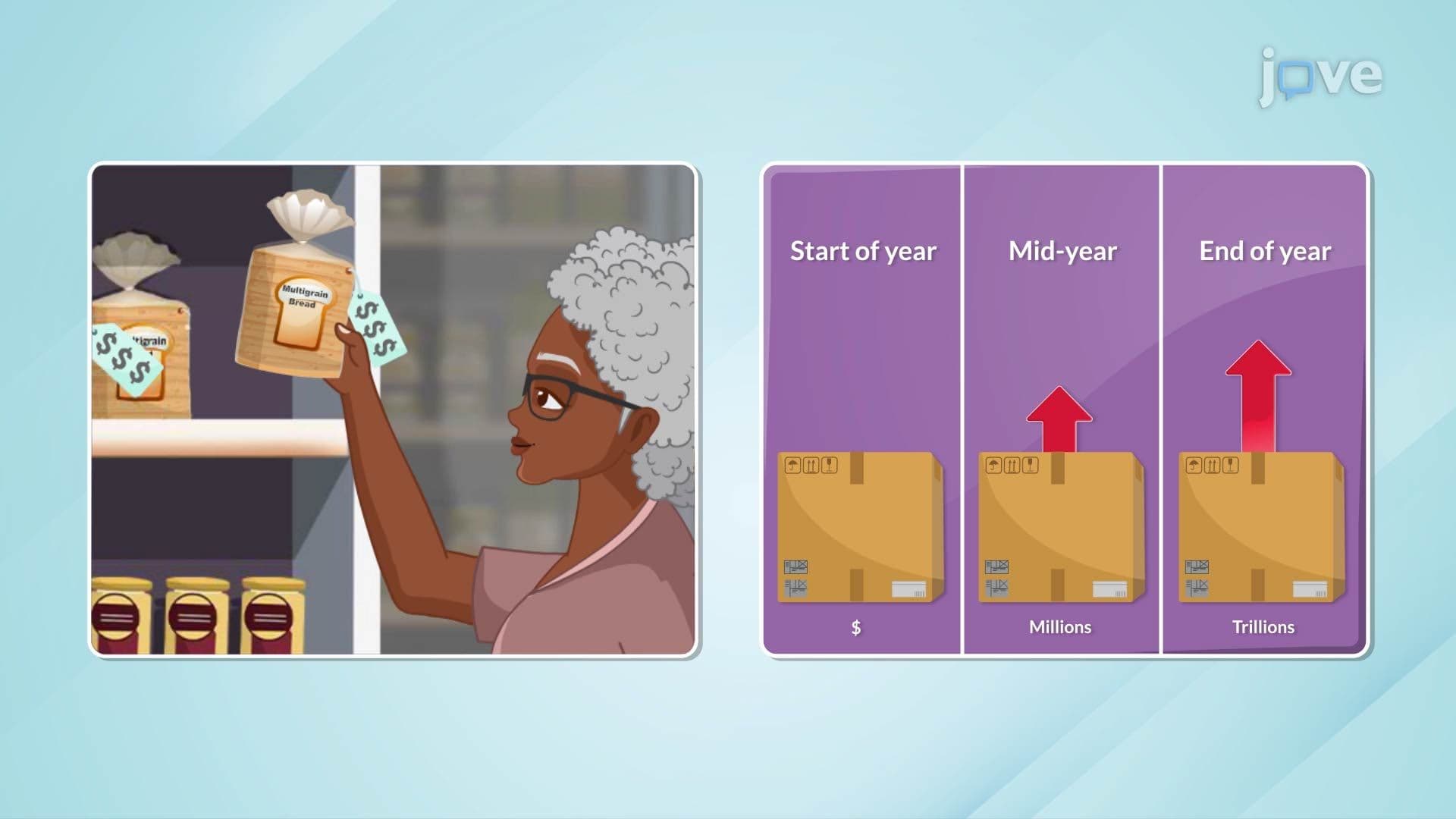
Unanticipated inflation occurs when the actual inflation rate rises or falls significantly faster than what was planned for. This mismatch is where real economic harm, or windfall, happens. Borrowers with fixed-rate loans benefit when inflation surges unexpectedly because they repay debt with dollars that are worth less than anticipated. Lenders and creditors, on the other hand, lose purchasing power.
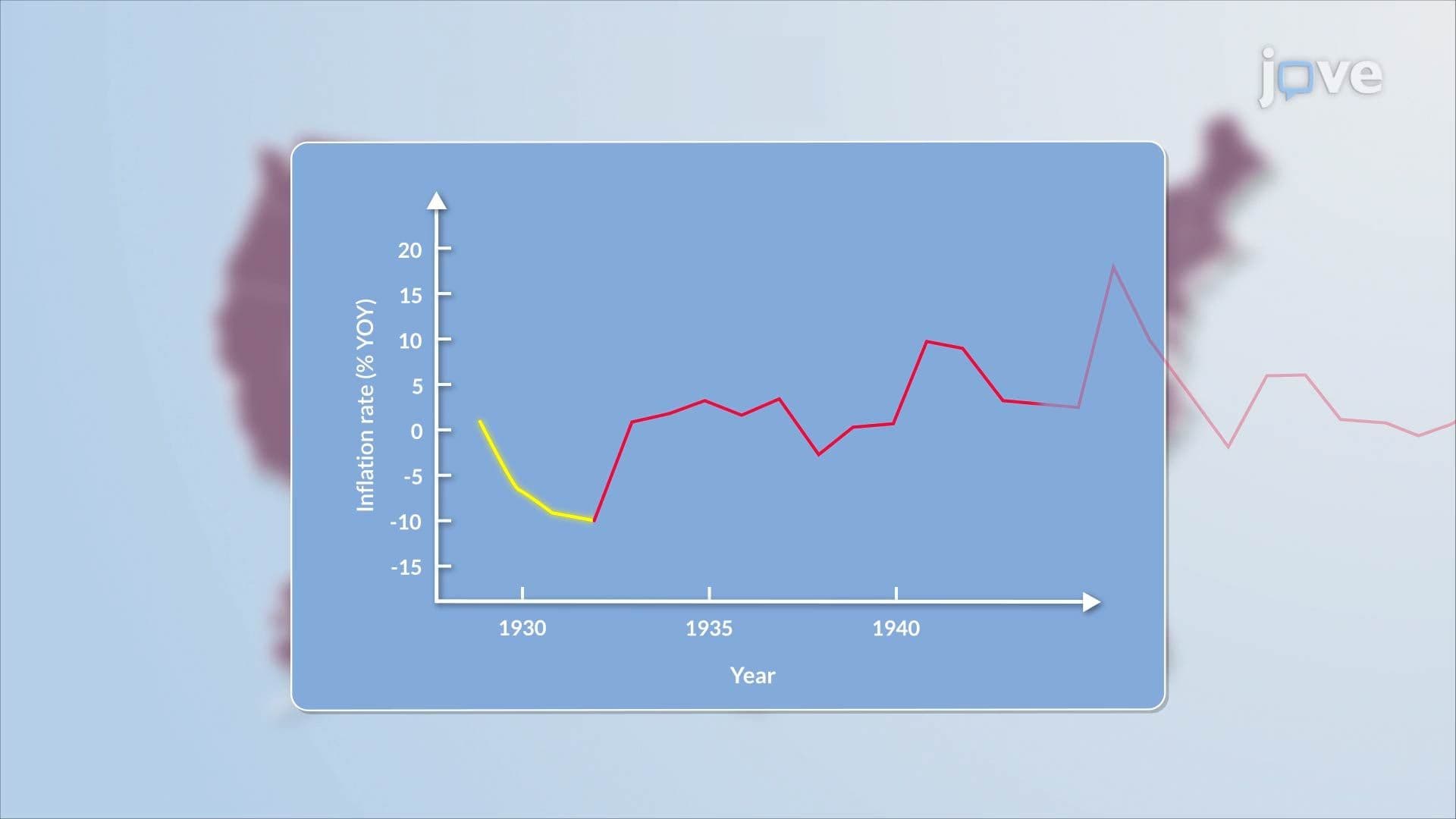
A vivid U.S. example is the 2021-2022 inflation surge, when supply chain disruptions and post-pandemic demand caused the Consumer Price Index (CPI) to climb above 8%, far beyond the Fed's 2% target and most private forecasts. Businesses locked into fixed-price contracts with suppliers suddenly found their cost structures completely misaligned, squeezing profit margins. Workers whose wages were set before the spike lost real purchasing power, even if their nominal pay stayed the same.
A negative supply shock, such as a regional drought, an oil embargo, or a port shutdown, reduces the availability of goods faster than markets can adapt. This pushes prices up sharply and unexpectedly. The 1973 OPEC oil embargo is a classic U.S. case study, sending gasoline prices soaring and triggering inflation that no contract or policy had planned for. More recently, agricultural disruptions caused by extreme weather events across the American Midwest have created regional food price spikes that outpace inflation forecasts.
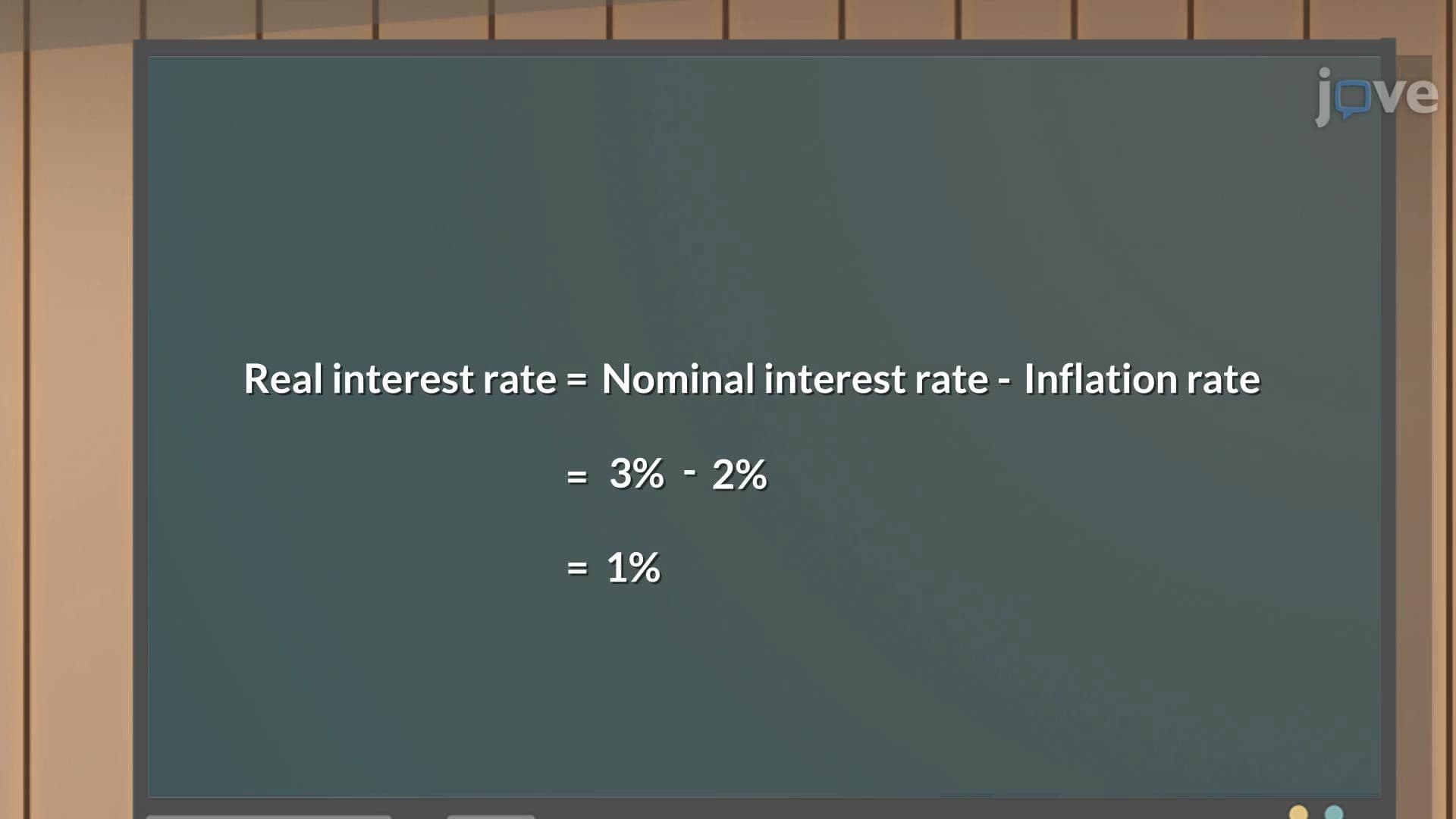
On the AP Macroeconomics exam, students are frequently asked to distinguish between anticipated and unanticipated inflation in free-response scenarios, especially in the context of the Fisher Effect (where nominal interest rates adjust for expected inflation) and real vs. nominal variables. In college-level Principles of Macroeconomics courses, this concept connects directly to monetary policy, wage rigidity, and the Phillips Curve.
Understanding this distinction also builds the analytical foundation for topics like stagflation, inflationary expectations theory, and central bank credibility, all of which appear in intermediate macroeconomics and business school coursework.
Related Micro-courses