Loading video…


 16 Concepts
 3K views

Video Summary: What are Impacts on Economic Efficiency
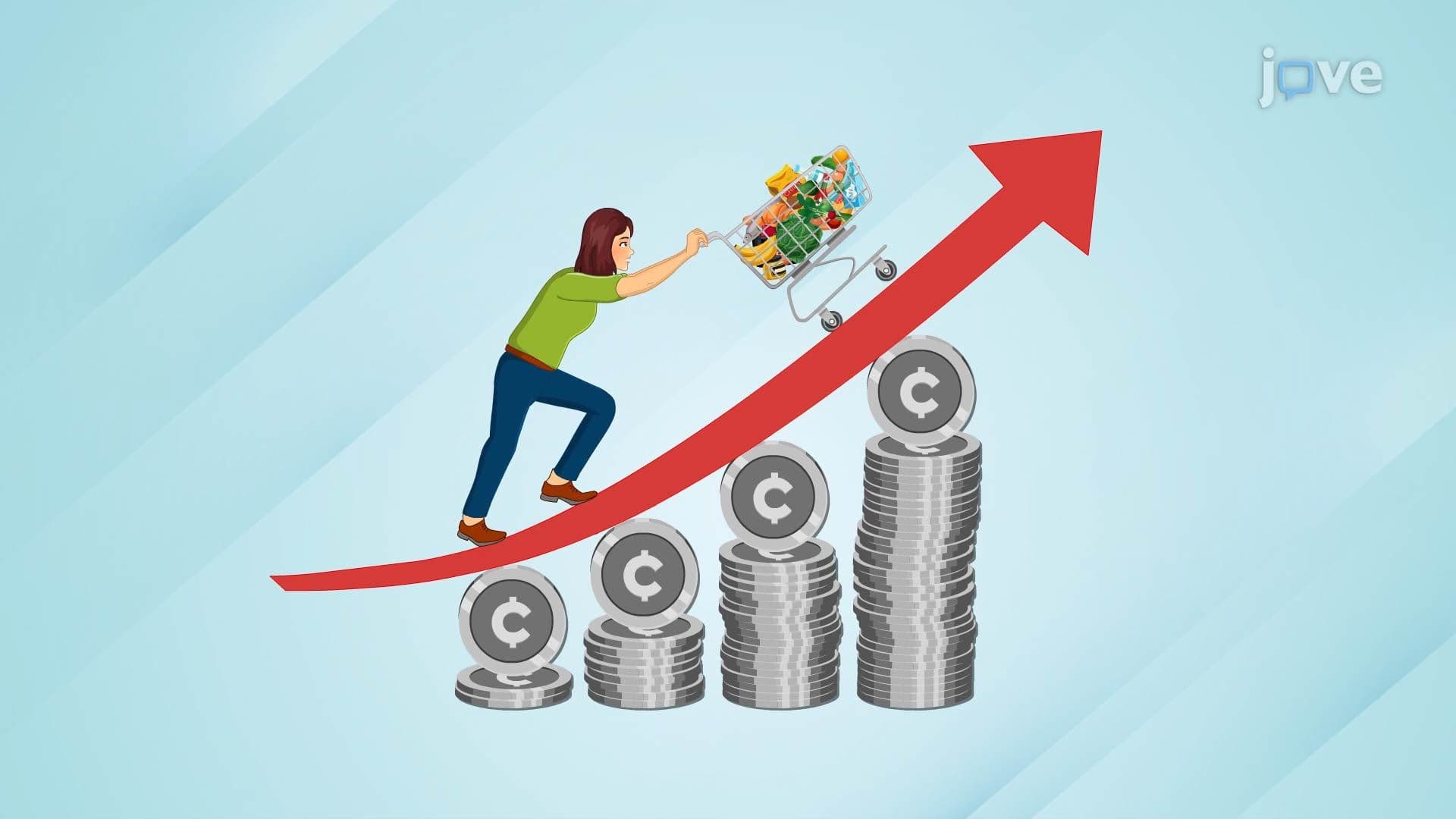
Did you know high inflation can actually make an economy *less* efficient, even when people are working and producing? Understanding the impacts on economic efficiency reveals why stable prices matter beyond your grocery bill. When U.S. inflation surged in 2022, businesses struggled to distinguish real price signals from general price noise, leading to poor investment decisions. Watch the full video on JoVE Coach to master this concept with expert-led visuals and step-by-step explanations.
Economic efficiency means an economy is allocating its resources, labor, capital, raw materials, in the most productive way possible. When markets function well, prices act as the economy's navigation system, directing resources toward their highest-value uses. But inflation, especially when it is high or unpredictable, disrupts that navigation system in serious ways. Understanding the impacts on economic efficiency is essential for any student studying macroeconomics, whether in AP Economics, a college Principles of Macroeconomics course, or beyond.
In a stable-price environment, a price increase carries meaningful information. If the cost of a specific agricultural commodity like soybeans rises while corn prices stay flat, farmers naturally shift production toward soybeans. That's the price signal working correctly, resources flow toward what the market values most.
High inflation corrupts this process. When all prices are rising simultaneously, producers and consumers can no longer tell whether a specific price increase reflects genuine scarcity or simply the general erosion of the dollar's purchasing power. This confusion leads to misallocation of resources, firms may over-invest in sectors that only *appear* profitable due to inflated prices, while neglecting areas with genuine long-term demand. The U.S. housing bubble of the mid-2000s offers a compelling example: artificially distorted price signals contributed to massive overinvestment in real estate, with deeply inefficient consequences.
One of the most damaging impacts on economic efficiency is the chilling effect inflation has on business investment. When firms cannot reliably forecast future costs, for materials, energy, or labor, they become risk-averse. Capital projects with long time horizons, such as building a new manufacturing facility or investing in R&D, become difficult to justify when cost assumptions may be wildly off by the time the project is complete.
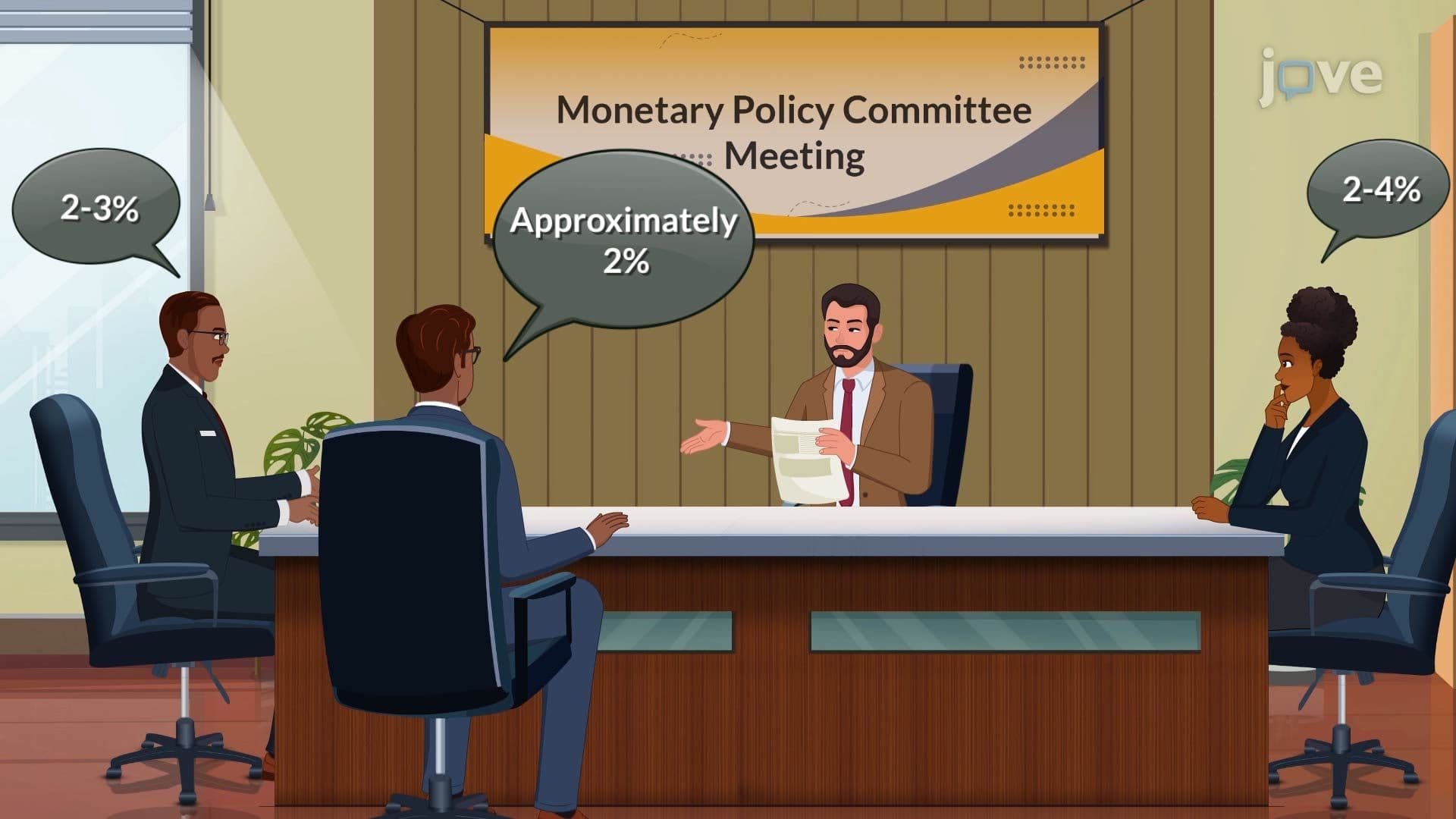
During the inflation surge of 2021-2023 in the United States, many small businesses reported delaying equipment purchases and expansion plans precisely because of this uncertainty. The Federal Reserve's mandate for price stability, keeping inflation near 2%, exists largely to prevent this kind of efficiency loss. Stable inflation allows firms to plan with confidence, supporting productive investment and long-run growth.
Inflation also disrupts labor markets in ways that reduce efficiency. As the cost of living rises, workers rationally demand higher nominal wages to preserve their real purchasing power. While this is individually reasonable, it creates a challenge for employers: rising labor costs squeeze profit margins and can lead businesses to cut hiring, reduce hours, or substitute capital for labor, sometimes before those adjustments are truly justified by productivity gains.
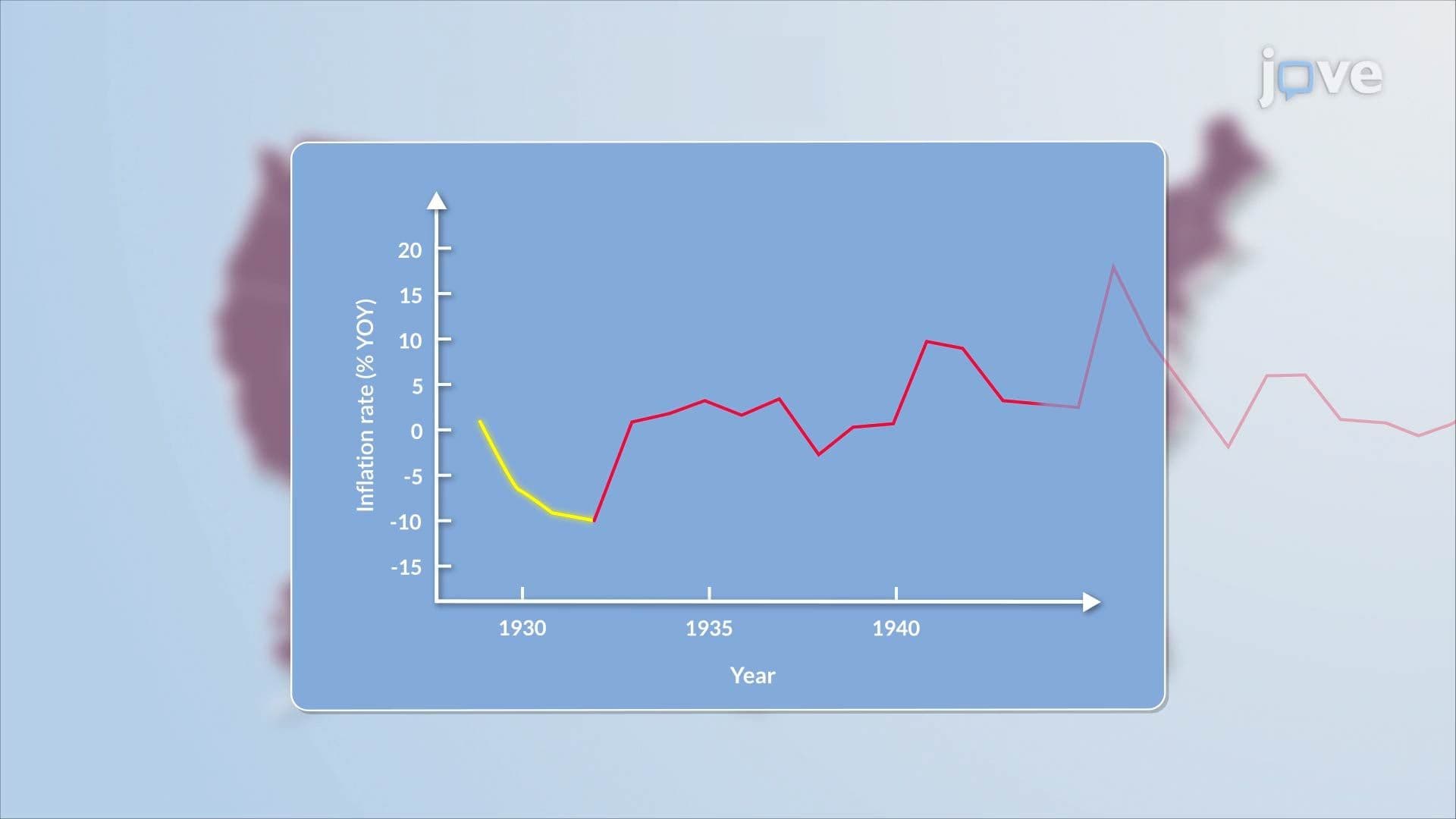
This wage-price dynamic can contribute to a self-reinforcing cycle where inflation expectations drive up wages, which in turn drive up production costs, further fueling inflation. Economists call this a wage-price spiral, and it was a central concern for U.S. policymakers during the inflationary periods of the 1970s and again in 2022.
On the AP Macroeconomics exam, questions about inflation's costs frequently appear in both multiple-choice and free-response sections. You should be prepared to explain how inflation distorts price signals, causes resource misallocation, reduces investment, and slows economic growth. Understanding this concept also strengthens your ability to analyze Federal Reserve policy choices, a recurring exam theme. In college-level macroeconomics courses, these ideas connect directly to aggregate supply and demand models, long-run growth theory, and monetary policy discussions.
Related Micro-courses