Loading video…


 16 Concepts
 3K views

Video Summary: The Optimal Rate of Inflation Explained
Did you know that a 0% inflation rate could actually *hurt* the U.S. economy? Understanding the "optimal rate" of inflation basics reveals why the Federal Reserve targets roughly 2% annual inflation, not zero. When inflation is too low, consumers delay spending, businesses cut jobs, and a damaging deflationary spiral can take hold. Watch the full video on JoVE Coach to master this concept with expert-led visuals and step-by-step explanations.
Few economic concepts generate as much debate as the "optimal rate" of inflation. At its core, the question is simple: how much should prices rise each year to keep an economy healthy? The answer, however, involves balancing competing risks, too much inflation erodes purchasing power, while too little can trigger a deflationary trap that's equally damaging. For students taking AP Macroeconomics, introductory college economics, or preparing for standardized assessments, understanding this balance is a foundational skill.
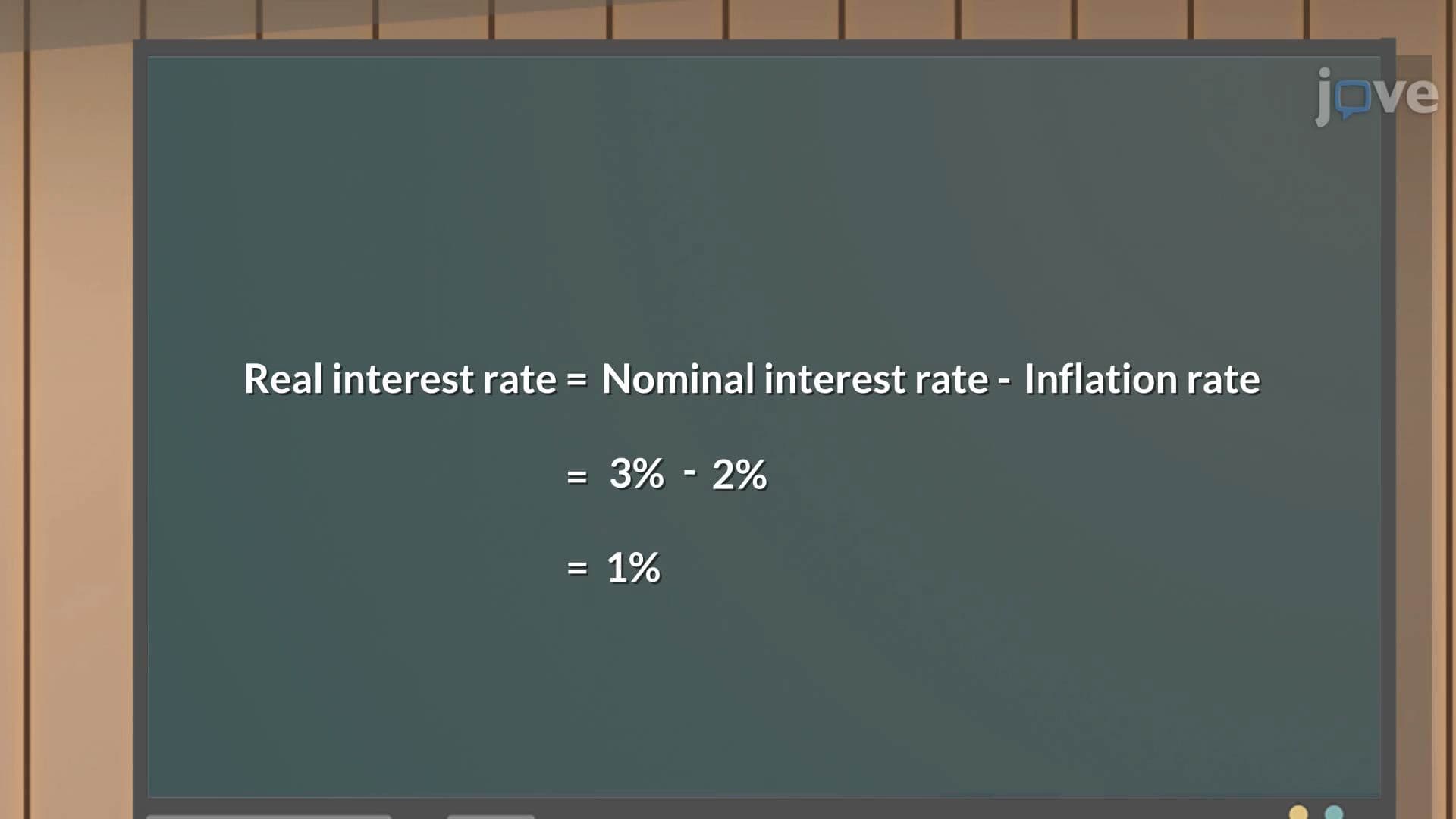
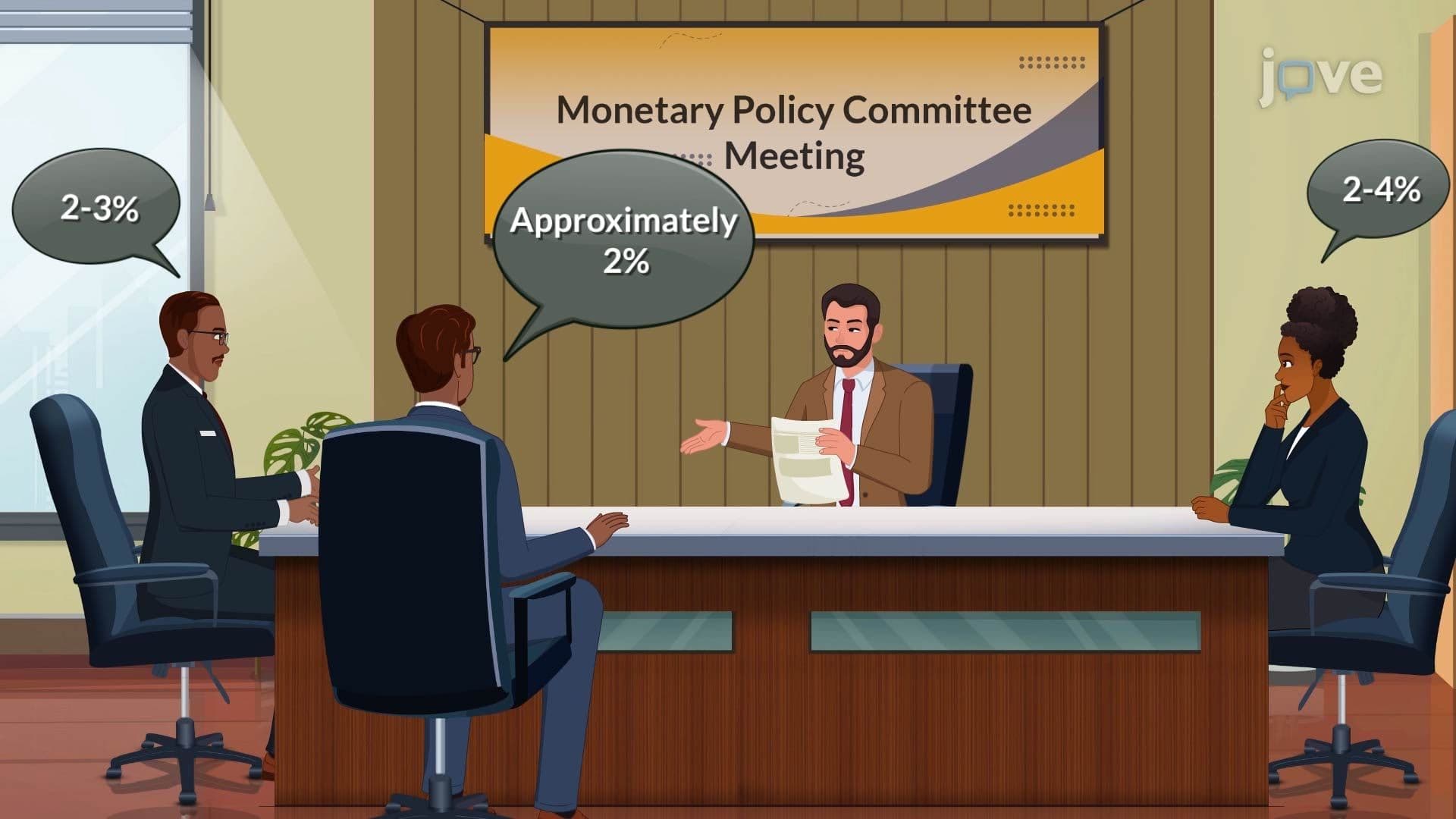
The U.S. Federal Reserve officially adopted a 2% inflation target in 2012, a benchmark that remains in place today. This figure isn't arbitrary. Economists identified 2% as a "sweet spot" that preserves price stability while providing a critical safety margin above zero. That margin matters because measuring inflation is imperfect, the Consumer Price Index (CPI), the most commonly used gauge, tends to slightly overstate true inflation due to substitution bias and quality improvements. A 2% target accounts for this measurement error while also giving the Fed room to cut real interest rates during recessions without hitting the zero lower bound.
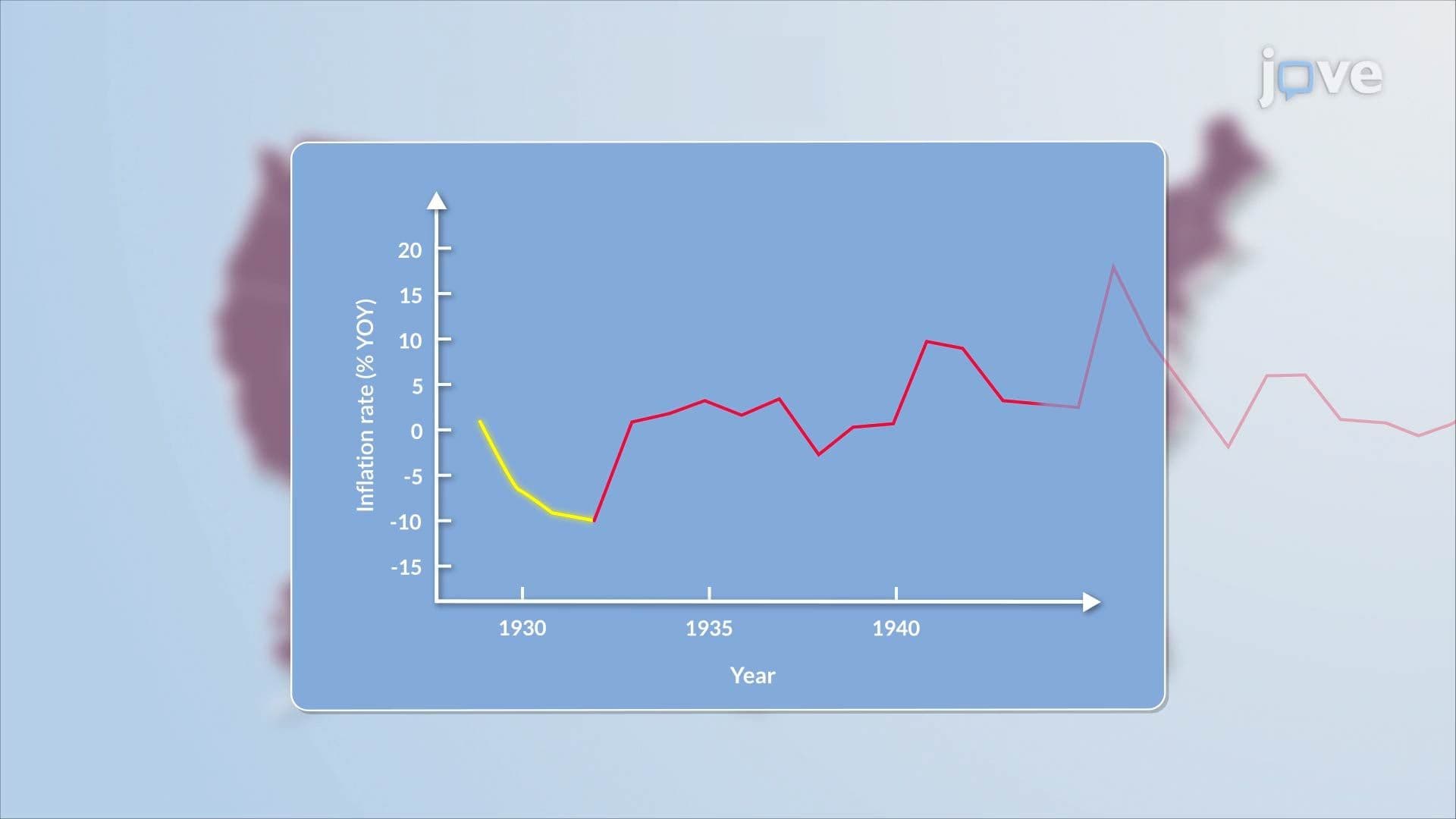
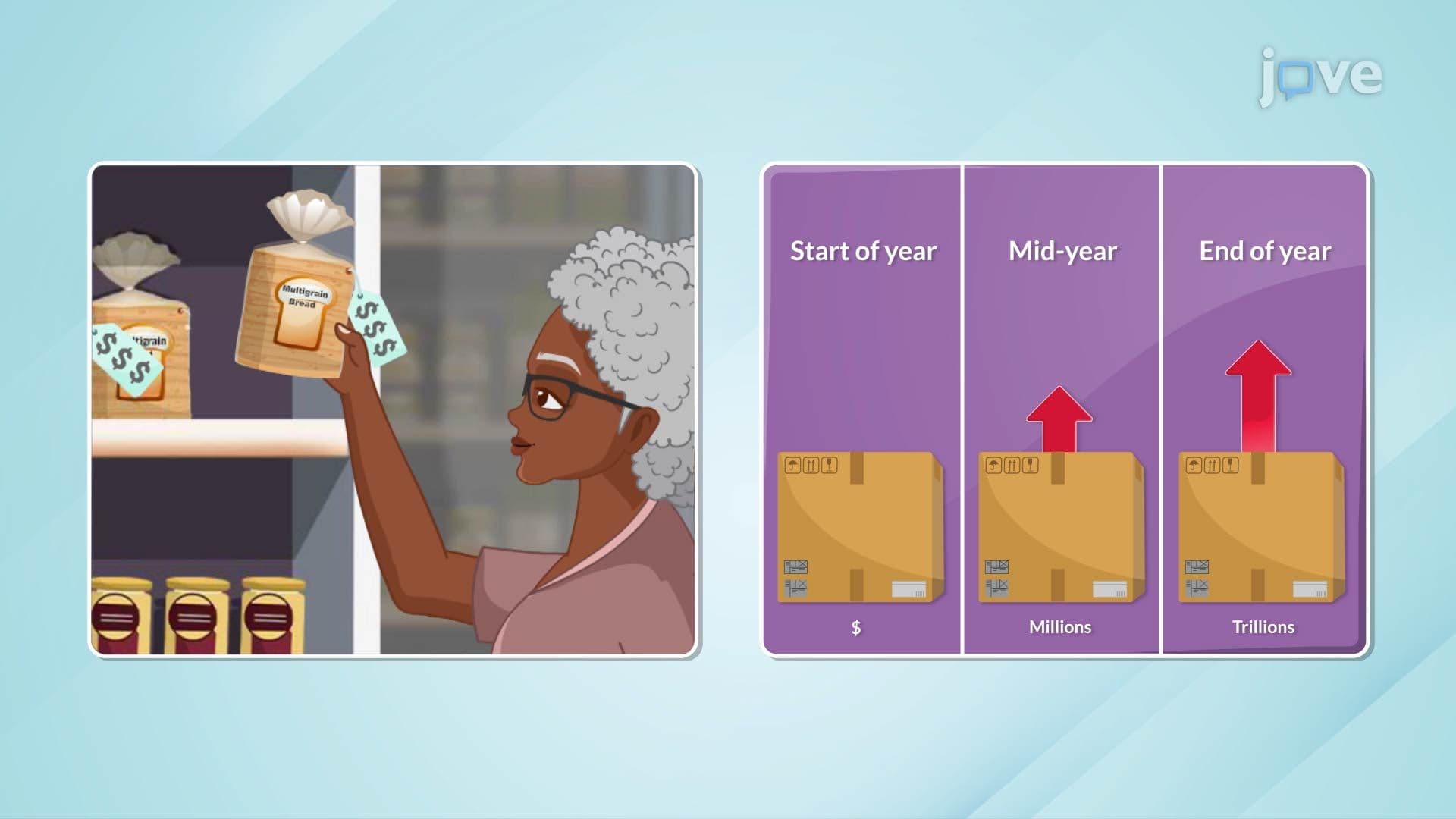
When inflation falls to zero or turns negative, consumer psychology shifts in a dangerous way. Shoppers who expect prices to keep falling have an incentive to *wait* before buying cars, appliances, or electronics. That delay reduces demand. Lower demand forces businesses to cut prices further, lay off workers, and reduce investment, which reduces demand even more. This self-reinforcing cycle is called a deflationary spiral. The United States experienced a severe version during the Great Depression of the 1930s, and Japan battled chronic deflation for much of the 1990s and 2000s, a cautionary tale economists reference frequently in U.S. policy discussions. A modest, positive inflation rate short-circuits this cycle by rewarding spending now rather than waiting.
Not every country uses a 2% benchmark. Developing economies typically target higher rates, often 3% to 6%, because they face greater exposure to supply shocks (such as crop failures or oil price swings), volatile exchange rates, and rapid structural changes in their labor markets and industries. These economies need more policy flexibility to absorb unexpected disruptions without tipping into recession. By contrast, advanced economies with stable institutions, diversified export bases, and deep financial markets can afford to keep inflation tighter. Understanding this distinction helps students answer comparative macroeconomics questions on AP exams and college midterms, where explaining *why* targets differ across country types is a common essay prompt.
In AP Macroeconomics, the optimal inflation rate connects directly to units on monetary policy, the role of the Federal Reserve, and the Phillips Curve, the trade-off between inflation and unemployment. On college midterms in Principles of Macroeconomics (ECON 101), students are often asked to explain why central banks prefer low positive inflation over price stability at zero. Multiple-choice questions may present scenarios, such as a sudden drop in the CPI, and ask students to predict the Federal Reserve's likely policy response. Knowing that 2% is the Fed's explicit target, and understanding the reasoning behind it, gives students a concrete anchor for these analytical questions.
Related Micro-courses