Loading video…


 16 Concepts
 3K views

Video Summary: What Is the Fisher Effect
Why does your savings account interest rate jump when inflation rises? The Fisher Effect, a foundational concept in economics, explains exactly this. The Fisher Effect shows that nominal interest rates automatically adjust upward to compensate for expected inflation, protecting investors' real purchasing power. When the U.S. Federal Reserve signals rising inflation, banks raise rates accordingly. Watch the full video on JoVE Coach to master this concept with expert-led visuals and step-by-step explanations.
The Fisher Effect is an economic theory developed by American economist Irving Fisher in the early 20th century. It describes the systematic relationship between expected inflation and nominal interest rates. At its core, the Fisher Effect argues that nominal interest rates, the rates you see advertised on loans and savings accounts, are not arbitrary. They reflect the lender's or investor's desired real return plus an adjustment for how much prices are expected to rise. Understanding this concept is essential for anyone studying AP Macroeconomics, college-level economics, or personal finance.
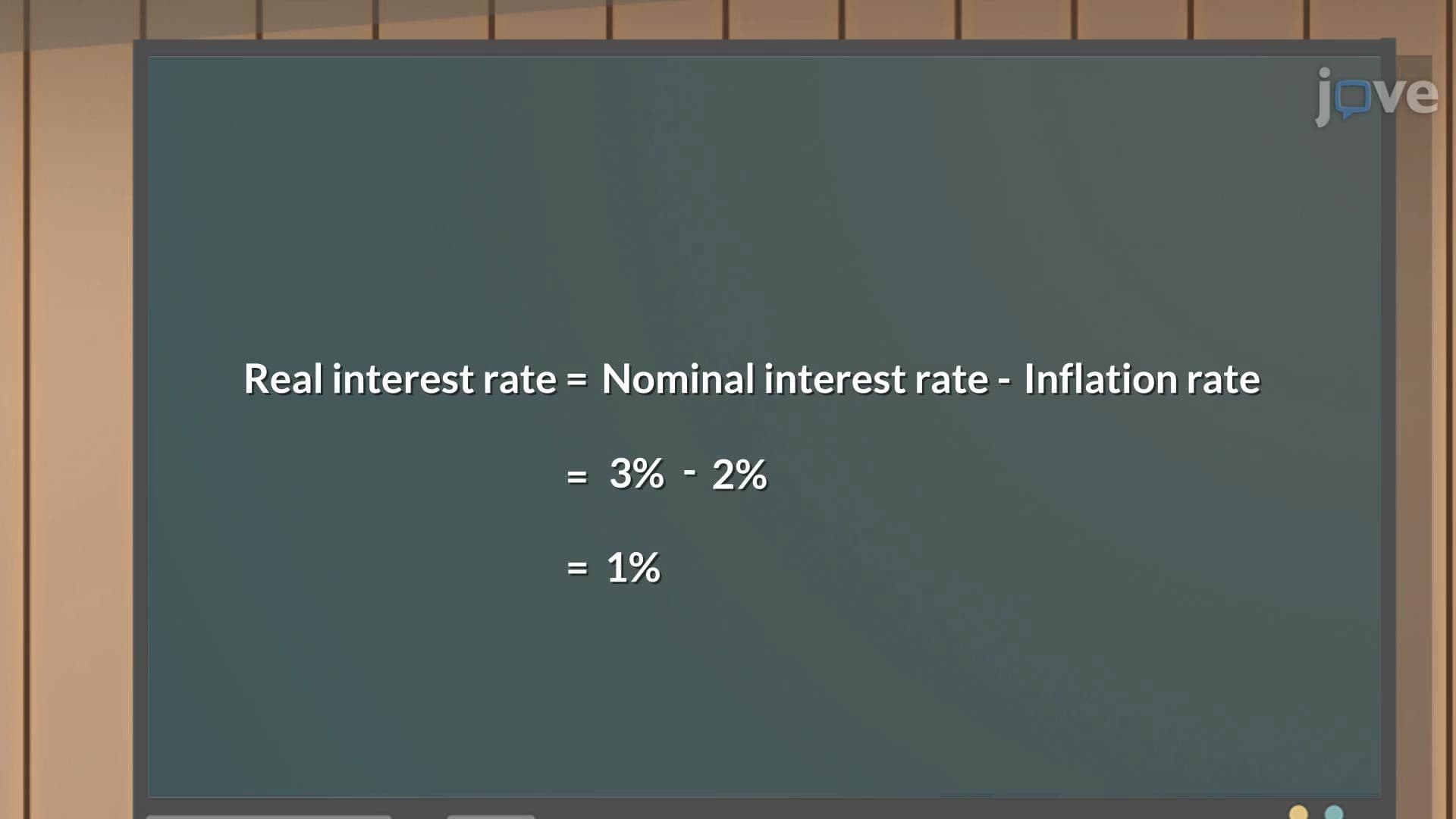
The Fisher Equation is elegantly simple:
Nominal Interest Rate (i) = Real Interest Rate (r) + Expected Inflation (π)
Each variable has a distinct role. The real interest rate (r) is the true gain in purchasing power an investor wants to earn, the reward for delaying consumption and taking on risk. The expected inflation rate (π) represents how much the general price level is anticipated to rise over a given period. The nominal interest rate (i) is what borrowers actually pay and what lenders actually charge, expressed in today's dollars before adjusting for inflation.
For example, if a U.S. Treasury bond investor wants a real return of 3% and expects annual inflation of 4%, they will demand a nominal yield of at least 7%. This is precisely why U.S. Treasury Inflation-Protected Securities (TIPS) are structured the way they are, they automatically adjust principal for inflation, separating real returns from inflation compensation.
The Fisher Effect is not just a textbook formula, it actively shapes monetary policy and financial markets. When the U.S. Federal Reserve forecasts rising inflation, banks and financial institutions immediately adjust lending rates upward. During the inflationary period of 2021-2023, the Fed raised the federal funds rate multiple times, and mortgage rates climbed from roughly 3% to over 7%. This is the Fisher Effect in action: higher inflation expectations pushed nominal rates sharply higher even as lenders tried to maintain stable real returns.
For consumers, this means higher costs for car loans, student loans, and home mortgages during inflationary periods. For investors and policymakers, it means that monitoring inflation expectations is just as important as watching current inflation data.
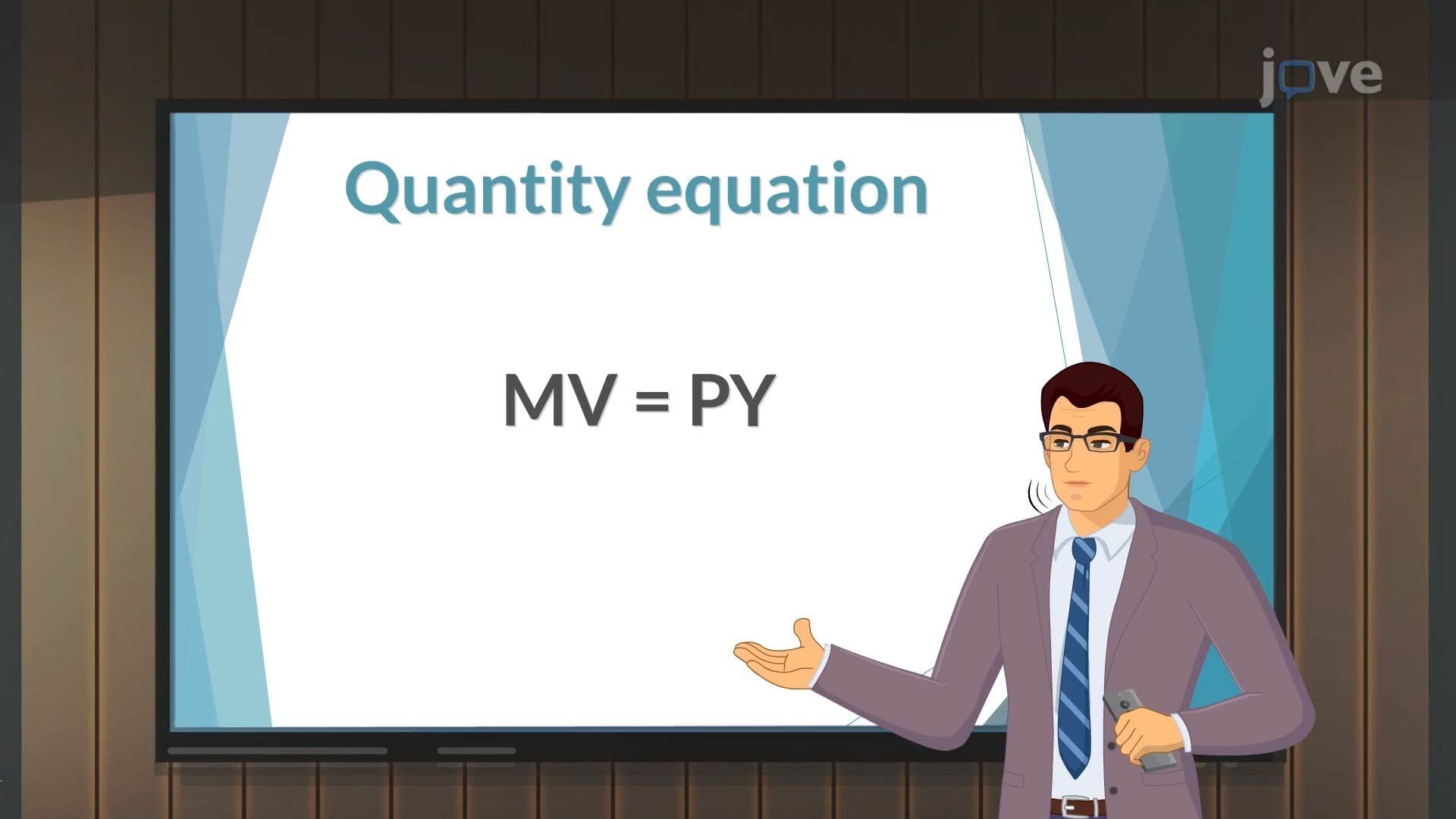
The Fisher Effect is a high-frequency topic on the AP Macroeconomics exam, regularly appearing in both multiple-choice and free-response questions. Students are often asked to calculate a missing variable using the Fisher Equation, explain why nominal rates rise with inflation, or connect the Fisher Effect to the loanable funds market model. In college-level Principles of Macroeconomics courses, it appears alongside topics like monetary policy, the quantity theory of money, and aggregate demand.
A common exam trap is confusing nominal and real interest rates. Remember: the nominal rate is what is stated; the real rate is what matters for purchasing power. Mastering the Fisher Effect gives you a conceptual anchor for understanding how inflation ripples through the entire financial system.
Related Micro-courses