Loading video…


 16 Concepts
 3K views


Video Summary: What Is the Consumer Price Index
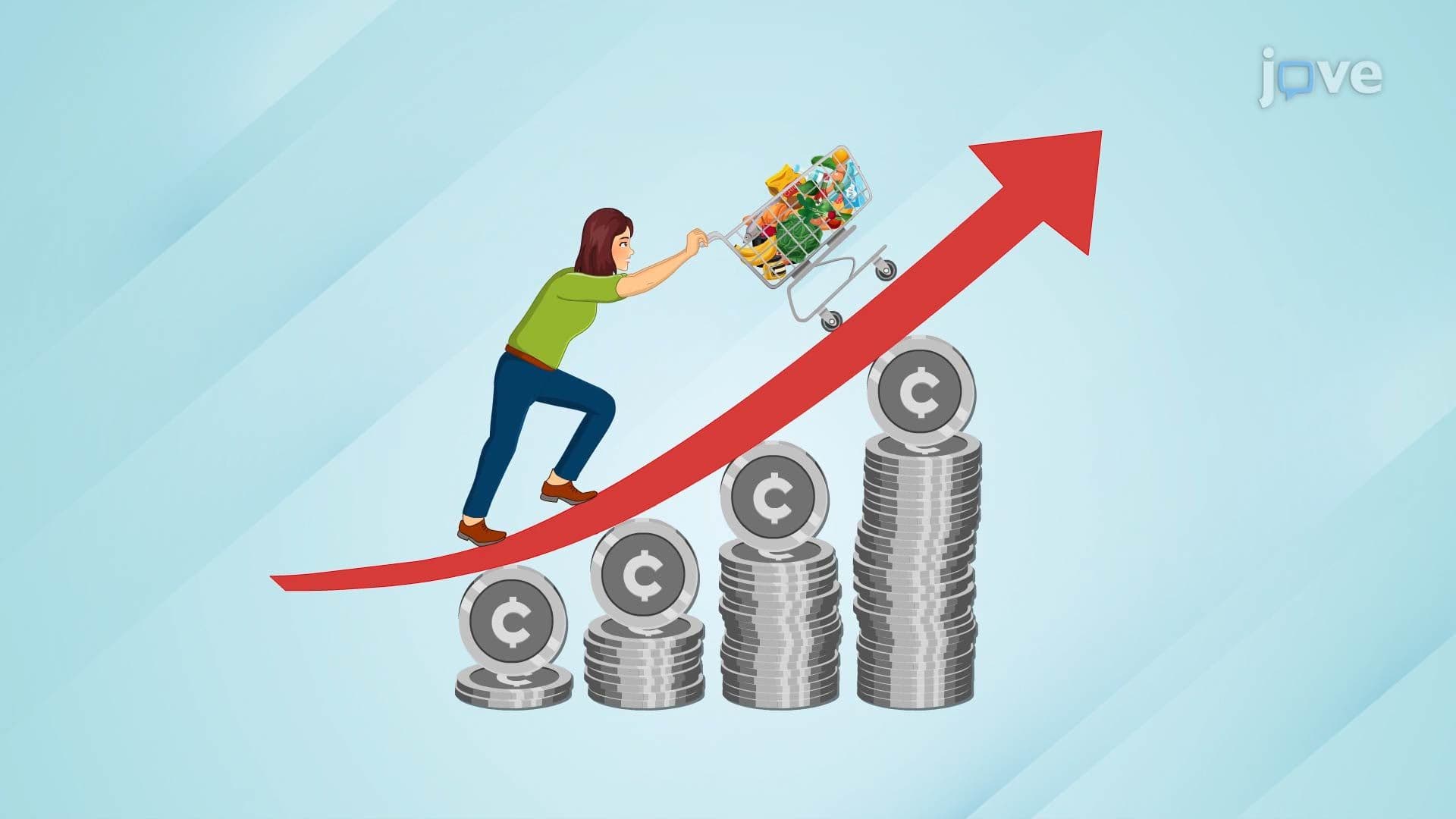
Why does a gallon of milk that cost $3.50 last year now cost $4.00? The Consumer Price Index (CPI) provides the answer by tracking how average prices change over time for urban consumers across America. This economic indicator measures inflation by comparing the cost of a standardized "market basket" of goods and services-from groceries and rent to healthcare and education-against a baseline year. For instance, when the U.S. Bureau of Labor Statistics reported a 3.2% annual CPI increase in 2023, it meant the average American family needed $103.20 to buy what $100 purchased the previous year. Watch the full video on JoVE Coach to master this concept with expert-led visuals and step-by-step explanations.
The Consumer Price Index represents one of America's most critical economic indicators, serving as the primary gauge for measuring inflation and cost-of-living changes. Unlike simple price comparisons, the CPI employs a sophisticated methodology that reflects real household spending patterns across urban areas, covering approximately 93% of the U.S. population.
The Bureau of Labor Statistics (BLS) constructs the CPI using a representative "market basket" containing over 80,000 items across eight major categories. Housing commands the largest weight at roughly 42% of the index, followed by transportation (16%), food and beverages (14%), and medical care (8%). These weightings aren't arbitrary-they're derived from the Consumer Expenditure Survey, which tracks actual spending habits of American families.
The mathematical foundation of CPI relies on comparing current costs to a established baseline. Using 1982-1984 as the reference period (indexed to 100), today's CPI of approximately 310 means prices have more than tripled since the early 1980s. The formula appears straightforward: CPI = (Cost of basket in current year / Cost of basket in base year) × 100.
However, the process involves intricate data collection from approximately 75 urban areas nationwide. BLS economists visit roughly 23,000 retail establishments monthly, recording prices for identical items to ensure consistency. This meticulous approach enables accurate month-to-month and year-over-year comparisons that inform everything from Social Security adjustments to Federal Reserve interest rate decisions.
The Consumer Price Index directly affects millions of Americans through cost-of-living adjustments (COLAs). Social Security beneficiaries, federal retirees, and military personnel receive automatic payment increases based on CPI changes. Additionally, many labor contracts include CPI-linked wage escalations, protecting workers against inflation erosion.
For students preparing for AP Economics or college-level macroeconomics courses, understanding CPI limitations proves crucial. The index suffers from substitution bias-when beef prices soar, consumers might switch to chicken, but the CPI continues tracking beef prices. Quality improvements present another challenge; today's smartphones offer capabilities unimaginable decades ago, yet CPI struggles to quantify these enhancements.
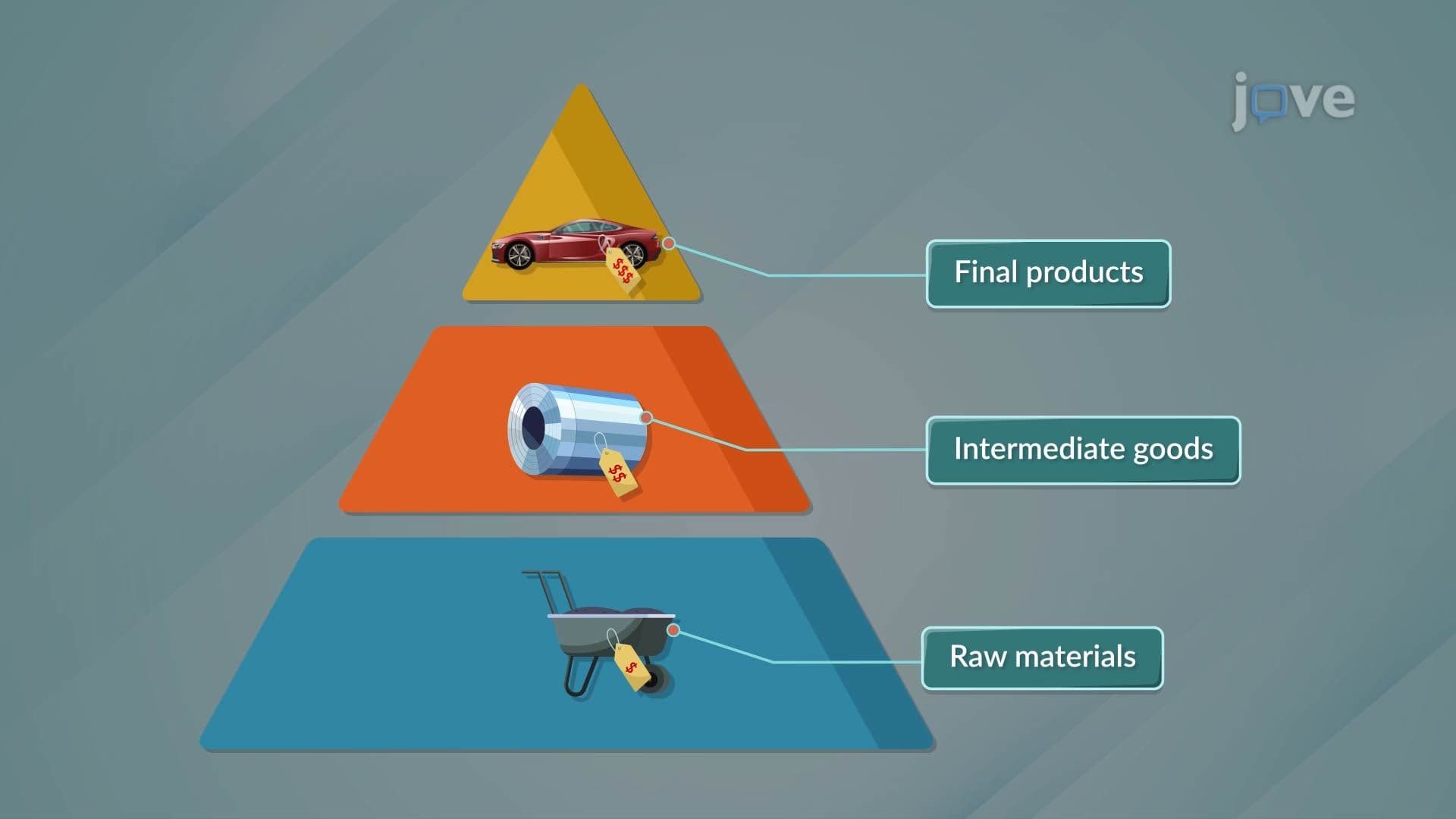
Economics students encounter CPI across multiple assessment formats, from AP Macroeconomics free-response questions to college midterm calculations. The concept frequently appears alongside related measures like the Producer Price Index (PPI) and Personal Consumption Expenditures (PCE) deflator, requiring students to distinguish between these complementary but distinct indicators.
Related Micro-courses