Loading…
Loading video…

36,613 views

Understanding the factors affecting consumer decision process cultural dynamics is critical when 72% of US consumers expect brands to reflect their values. Cultural influences drive purchasing behaviors differently across market segments—Apple successfully leverages status-conscious messaging in affluent demographics while adapting products for diverse subcultural preferences. The factors affecting consumer decision process cultural explained framework helps business leaders navigate complex consumer landscapes, from Hispanic market opportunities to generational spending patterns. Watch the full video on JoVE Coach to master this concept with expert-led visuals and step-by-step explanations.
When Procter & Gamble's Pampers diapers failed in Japan because the stork imagery conflicted with local beliefs about babies arriving via giant peaches, the lesson became clear: cultural factors fundamentally drive consumer decisions. Understanding these dynamics isn't academic theory—it's bottom-line business strategy that determines market success or failure.
Cultural foundations—shared values, beliefs, and practices—create distinct consumer segments with predictable buying patterns. Status-conscious cultures drive luxury market growth, explaining why Coach and Michael Kors thrive in aspirational demographics while brands emphasizing utility perform better in modest-value cultures. These cultural underpinnings influence everything from color preferences (red signifies luck in Chinese-American communities but danger in others) to product functionality expectations.
Smart executives recognize that cultural analysis extends beyond demographics into psychographics. When Walmart expanded internationally, initial failures stemmed from applying American cultural assumptions globally—lessons that informed their eventual $500+ billion revenue model through localized cultural adaptation.
Subcultures represent concentrated profit opportunities within broader markets. Hispanic Americans, representing $1.9 trillion in annual purchasing power, demonstrate distinct preferences for family-oriented messaging and Spanish-language content. Technology companies like Apple capitalize on youth subcultures through design aesthetics and social media integration, while financial services firms like Charles Schwab target professional subcultures with sophisticated investment platforms.
Religious subcultures create specialized markets—halal food represents a $20+ billion US opportunity, while kosher markets influence everything from food manufacturing to hospitality services. Progressive managers identify these subcultural patterns early, positioning their organizations ahead of competitors still using broad demographic targeting.
Social class transcends income alone, incorporating education, occupation, and lifestyle aspirations. Upper-middle-class professionals prioritize different value propositions than working-class consumers, even at similar income levels. Mercedes-Benz targets social class aspirations, not just financial capability, while Costco's warehouse model appeals across classes through value and quality positioning.
Understanding social class dynamics helps predict channel preferences, payment methods, and brand loyalty patterns. Executive decision-makers use these insights for pricing strategies, distribution planning, and competitive positioning that align with target customers' self-perception and social identity.
Frequently Asked Questions
Cultural factors include shared values, beliefs, customs, and practices that shape purchasing preferences. These manifest through national culture, subcultures (ethnic, age-based, interest groups), and social class distinctions. Business leaders must analyze these elements to predict consumer behavior, optimize product positioning, and develop effective marketing strategies that resonate with target segments.
Cultural values directly influence price sensitivity and feature preferences across different market segments. Status-conscious cultures support premium pricing strategies, while value-oriented cultures prioritize functionality over prestige. Product developers must consider cultural color associations, sizing preferences, and usage patterns when designing offerings for diverse markets.
Cultural understanding creates sustainable competitive advantages by enabling precise market segmentation and messaging differentiation. Companies that master cultural nuances can enter underserved segments, avoid costly cultural missteps, and build stronger brand loyalty. This knowledge informs distribution channel selection, partnership strategies, and geographic expansion planning.
McDonald's demonstrates masterful cultural adaptation—offering rice burgers in Asian-American markets, kosher options in Jewish communities, and regional menu variations reflecting local tastes. Their $20+ billion annual revenue partly stems from recognizing that cultural preferences vary significantly within the US market, requiring localized approaches rather than standardized offerings.
No specialized academic background required—successful application focuses on systematic observation and data analysis. Start with demographic research, customer surveys, and sales pattern analysis across different cultural segments. Many executives develop cultural competency through market research, focus groups, and collaborating with diverse team members who understand target communities.
Cultural competency increasingly determines promotion potential as markets become more diverse and global. Executives who demonstrate ability to navigate cultural differences, identify emerging demographic opportunities, and develop inclusive strategies often advance faster. This skill set becomes essential for leadership roles involving market expansion, team management, and strategic planning.
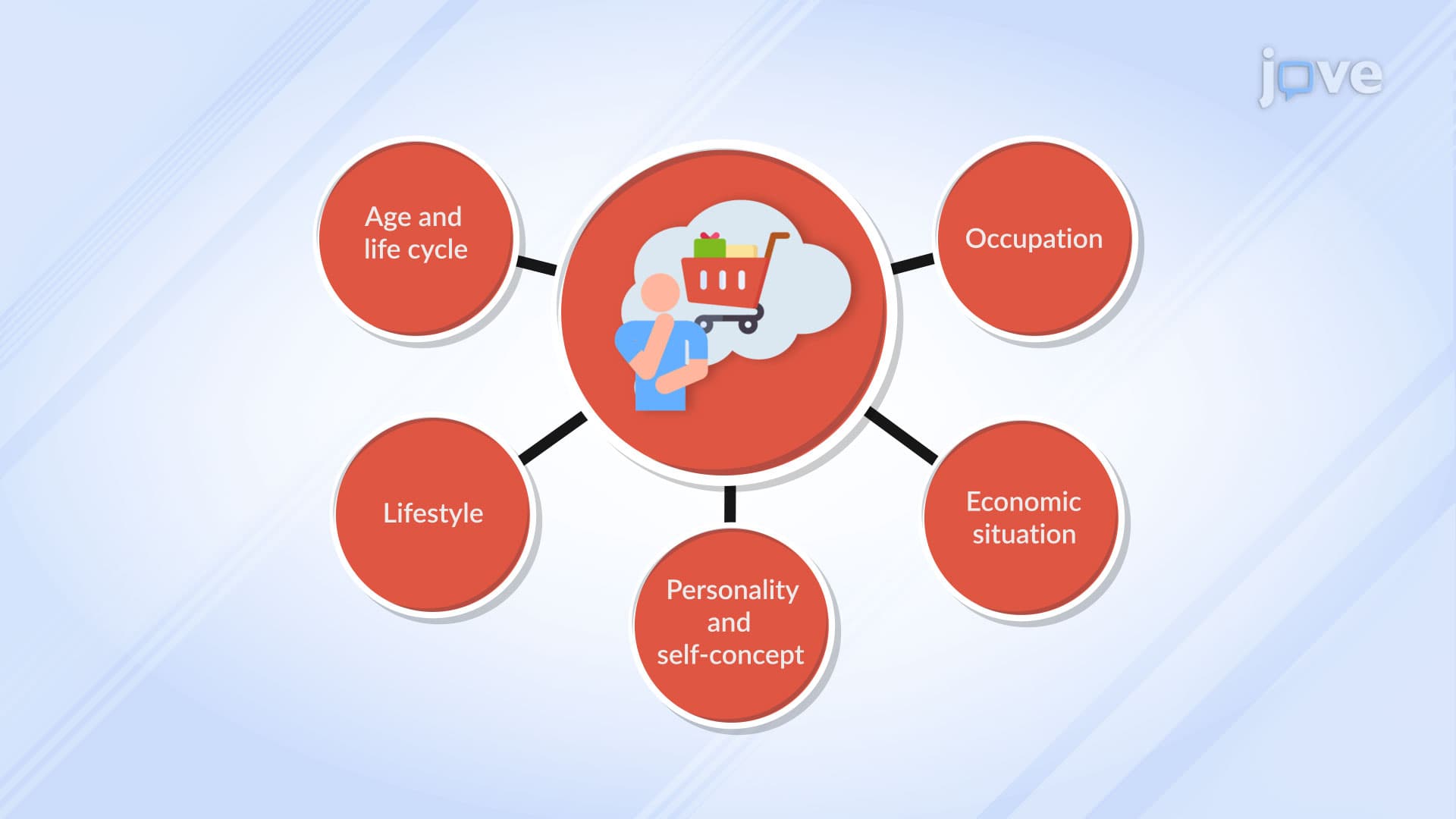
Advance to psychological factors (motivation, perception, learning) and social factors (reference groups, family influence) that interact with cultural elements. Understanding the complete consumer decision framework—including situational and personal factors—enables more sophisticated market analysis and strategic decision-making capabilities essential for senior business roles.
Related Micro-courses

Related Subjects