Loading subject page…

- Marketing
- Consumer Behaviour
- Types of Customers
Micro-course: Consumer Behaviour
36,615 views
Learn key concepts and earn your certificate.










Types of Customers

00:00
01:30
Video Summary: What are Types of Customers
Customer acquisition costs at major retailers like Target often exceed $100 per new customer, making understanding types of customers critical for sustainable growth. Different customer segments-from loyal advocates to price-sensitive switchers-require distinct engagement strategies that directly impact lifetime value and retention rates. Amazon's success stems partly from recognizing that impulse buyers respond to personalized recommendations while informed customers need detailed product specifications and reviews. Watch the full video on JoVE Coach to master this concept with expert-led visuals and step-by-step explanations.
- Apply customer segmentation frameworks to optimize marketing spend allocation across acquisition and retention campaigns
- Evaluate loyalty program effectiveness by identifying which customer types generate highest lifetime value
- Analyze purchasing behavior patterns to predict churn risk and implement targeted retention strategies
- Implement personalized service approaches that match customer communication preferences and decision-making styles
- Compare conversion rates across customer segments to optimize sales funnel performance and resource allocation
- Leverage behavioral data to create targeted messaging that resonates with specific customer motivations and pain points
- Identify high-value customer types within your portfolio to prioritize relationship-building investments
- Assess customer satisfaction metrics by segment to prevent reputation damage and improve service delivery
Understanding Customer Types in Business Strategy
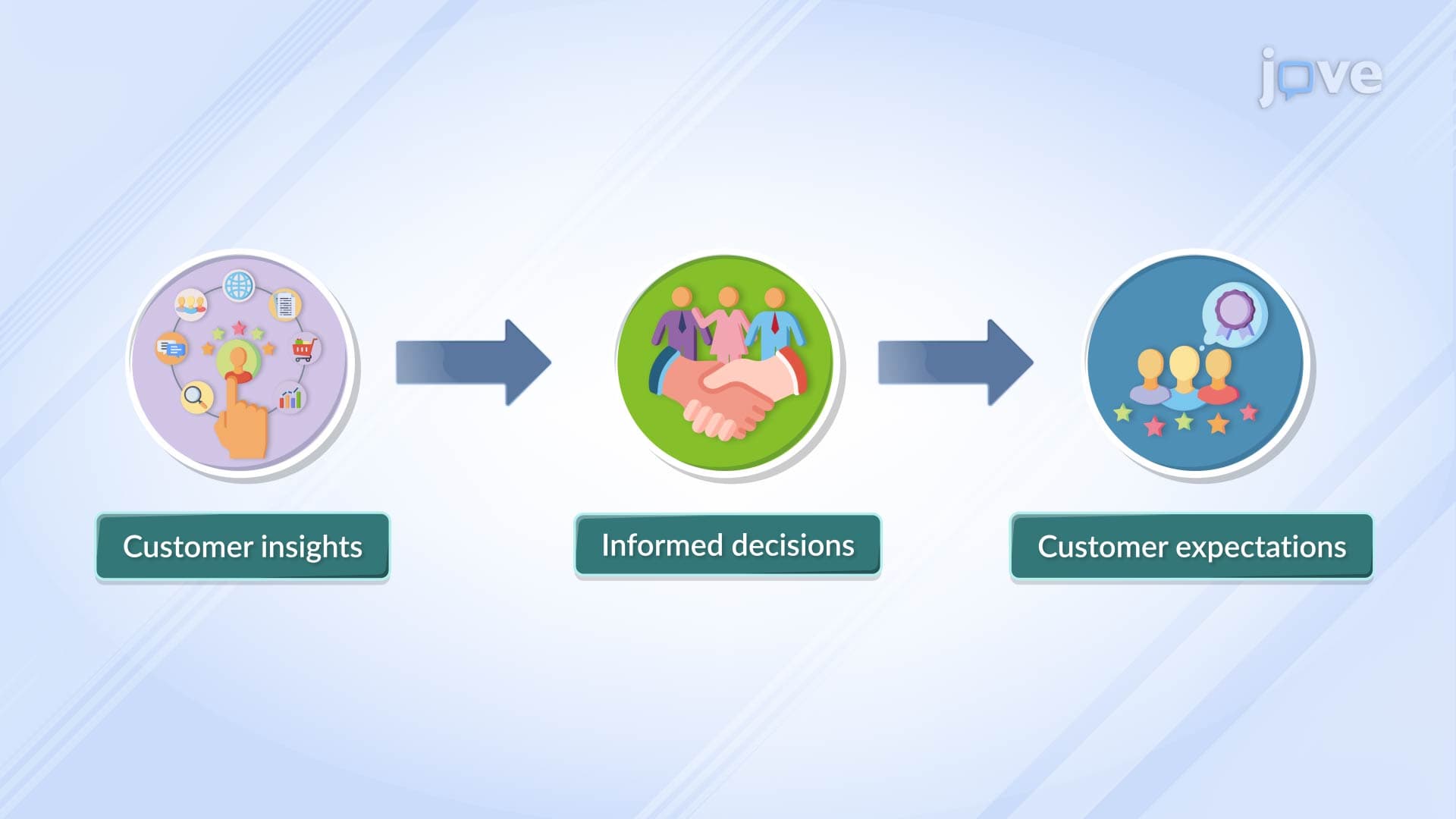
When Starbucks redesigned their mobile app to reduce wait times, they recognized that their customer base included both impulse buyers grabbing quick coffee and informed customers who wanted detailed nutritional information before ordering. This strategic insight-that different types of customers require different engagement approaches-drives billions in revenue decisions across American businesses.
The Seven Core Customer Segments
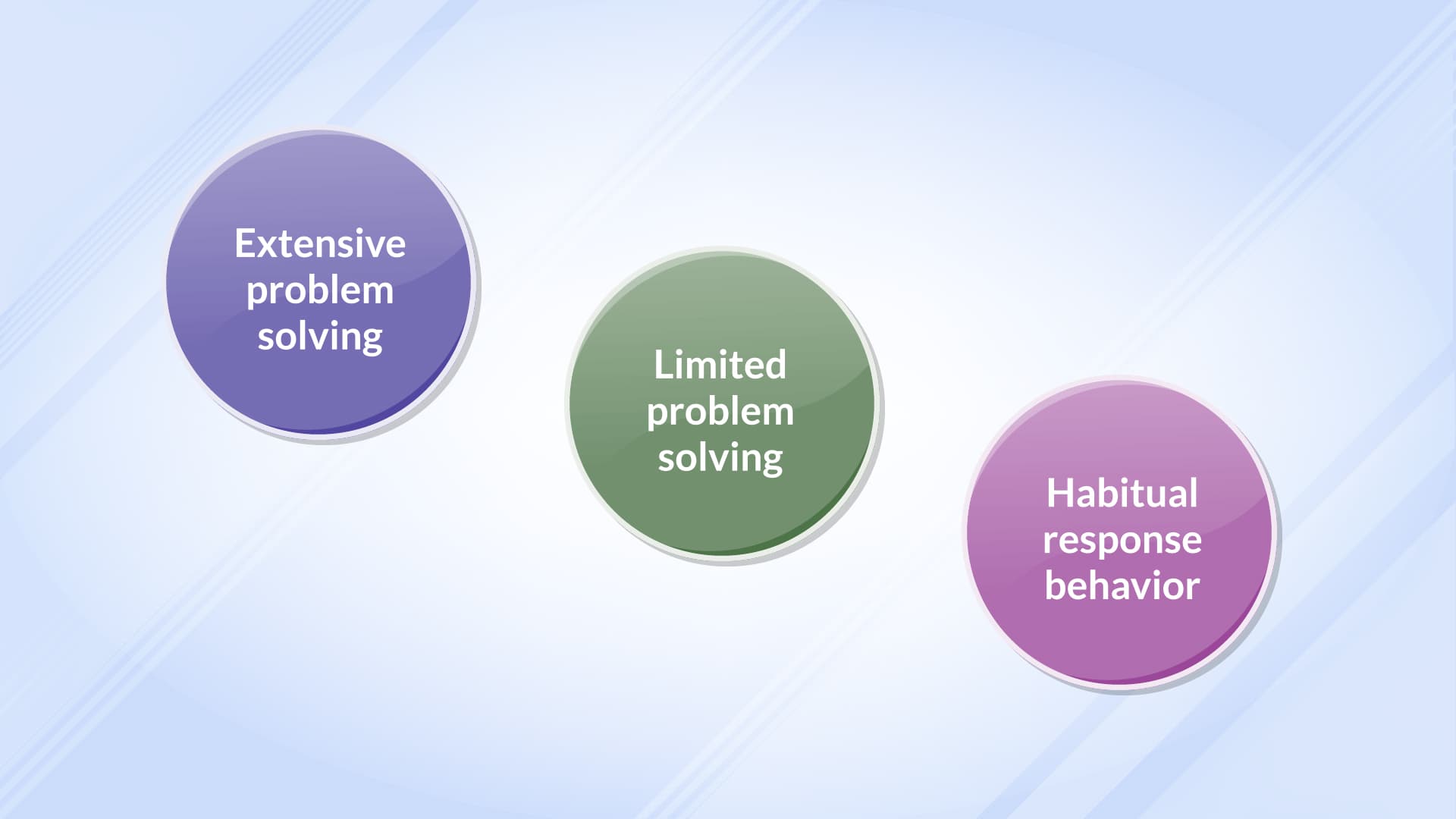
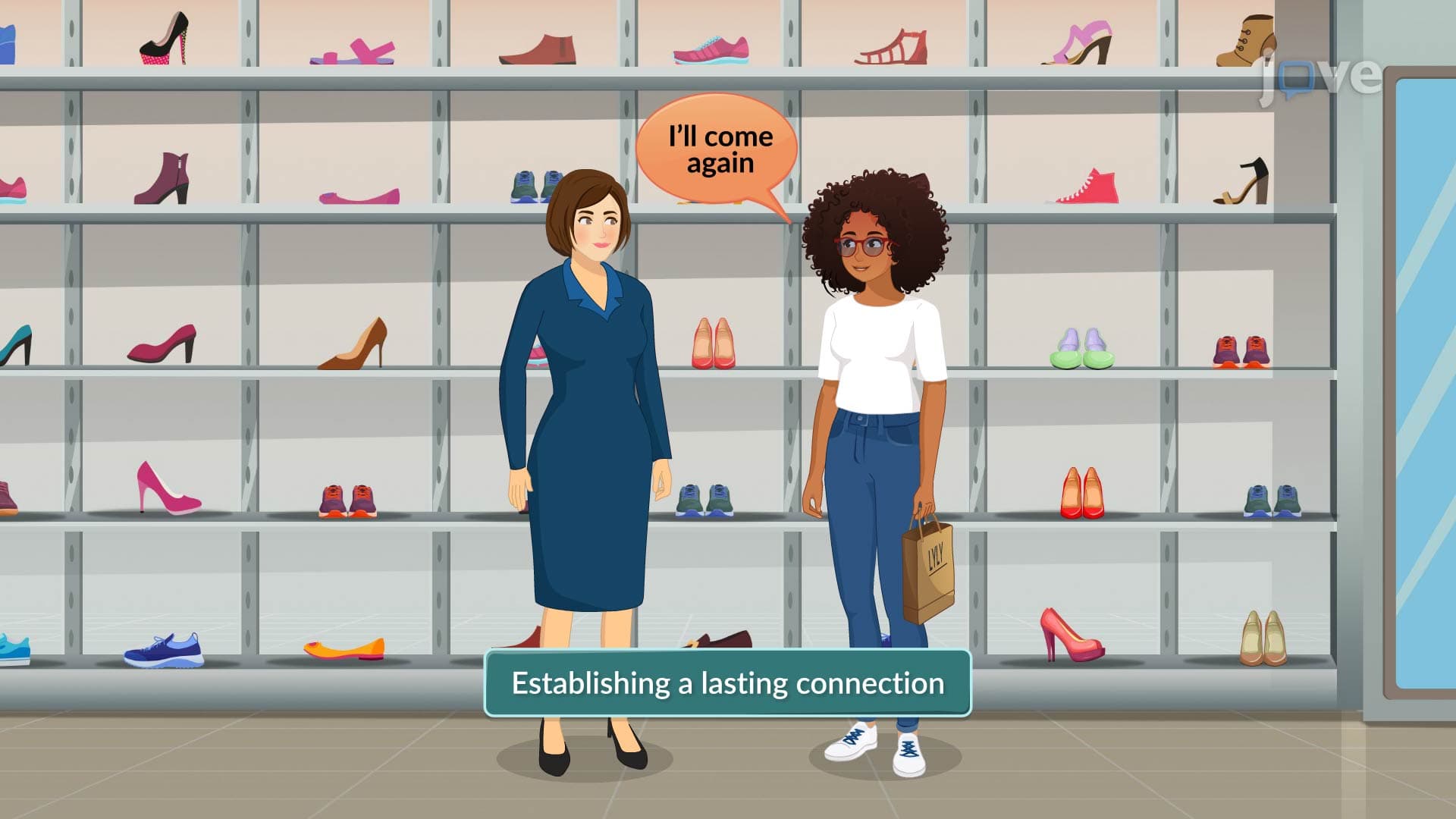
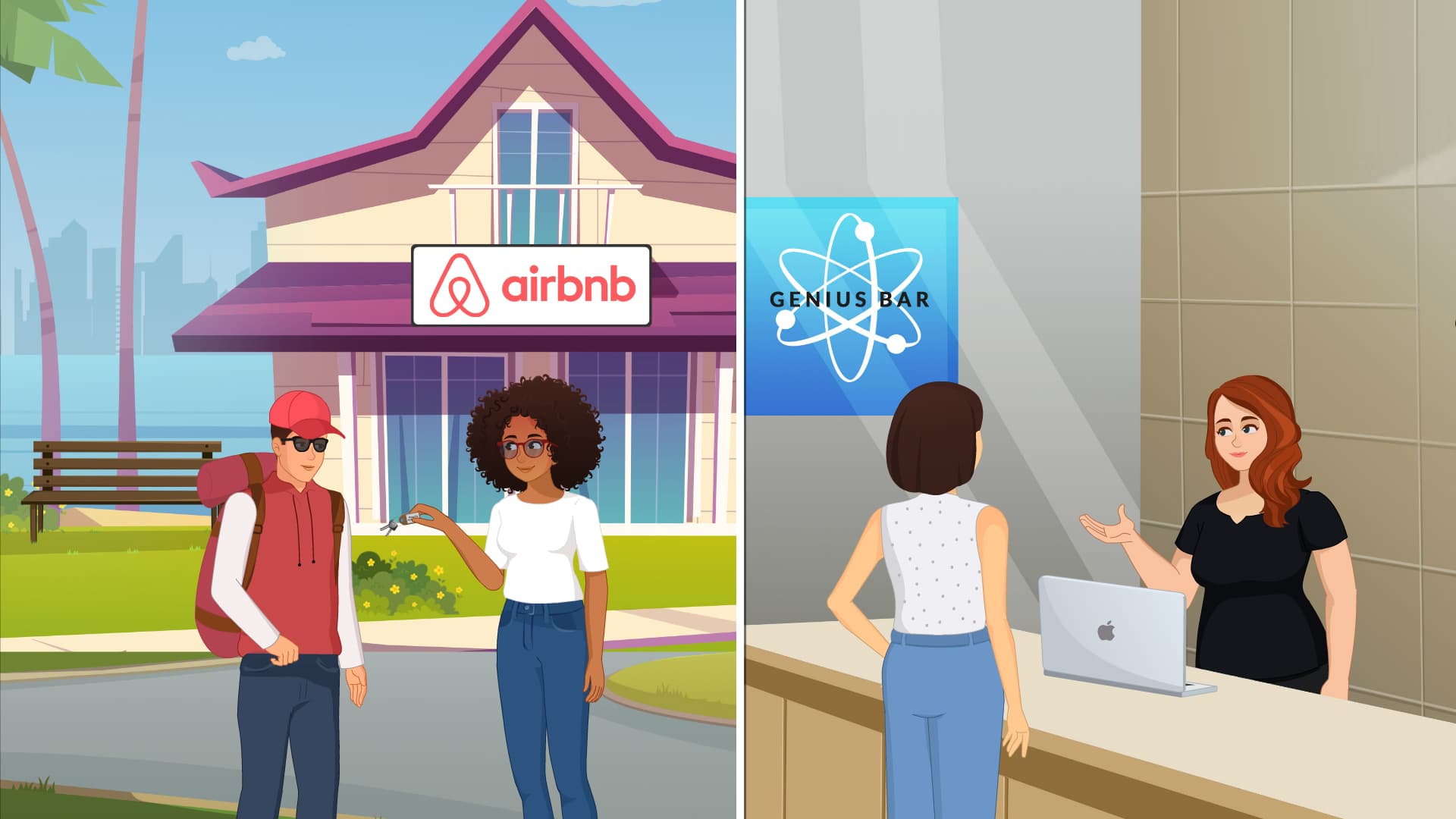
New and Loyal Customers represent opposite ends of the relationship spectrum. New customers at companies like Apple often convert through word-of-mouth from loyal customers who become brand evangelists. Loyal customers generate 67% more revenue over time, according to research from major consulting firms, making retention strategies equally important as acquisition.
Needs-Based and Informed Customers drive different purchasing decisions. Needs-based customers purchasing enterprise software focus on solving immediate business problems, while informed customers conduct extensive vendor comparisons. Microsoft's B2B sales teams adjust their approach accordingly-providing quick ROI demonstrations for needs-based buyers while offering detailed technical specifications for informed decision-makers.
Price-Sensitive and Impulse Buyers create distinct revenue challenges. Walmart's everyday low pricing strategy captures price-sensitive customers, while their strategically placed impulse-buy items near checkout counters target emotional purchasers. Understanding this segmentation helps optimize both pricing strategies and store layouts.
Managing Dissatisfied Customers as Strategic Assets
Angry customers present transformation opportunities when handled strategically. Southwest Airlines' reputation for exceptional customer service partly stems from treating complaints as intelligence gathering-angry customers often identify operational improvements that benefit entire customer segments. Their quick resolution protocols turn dissatisfied customers into loyal advocates, demonstrating how customer service becomes competitive advantage.
Strategic Implementation Framework
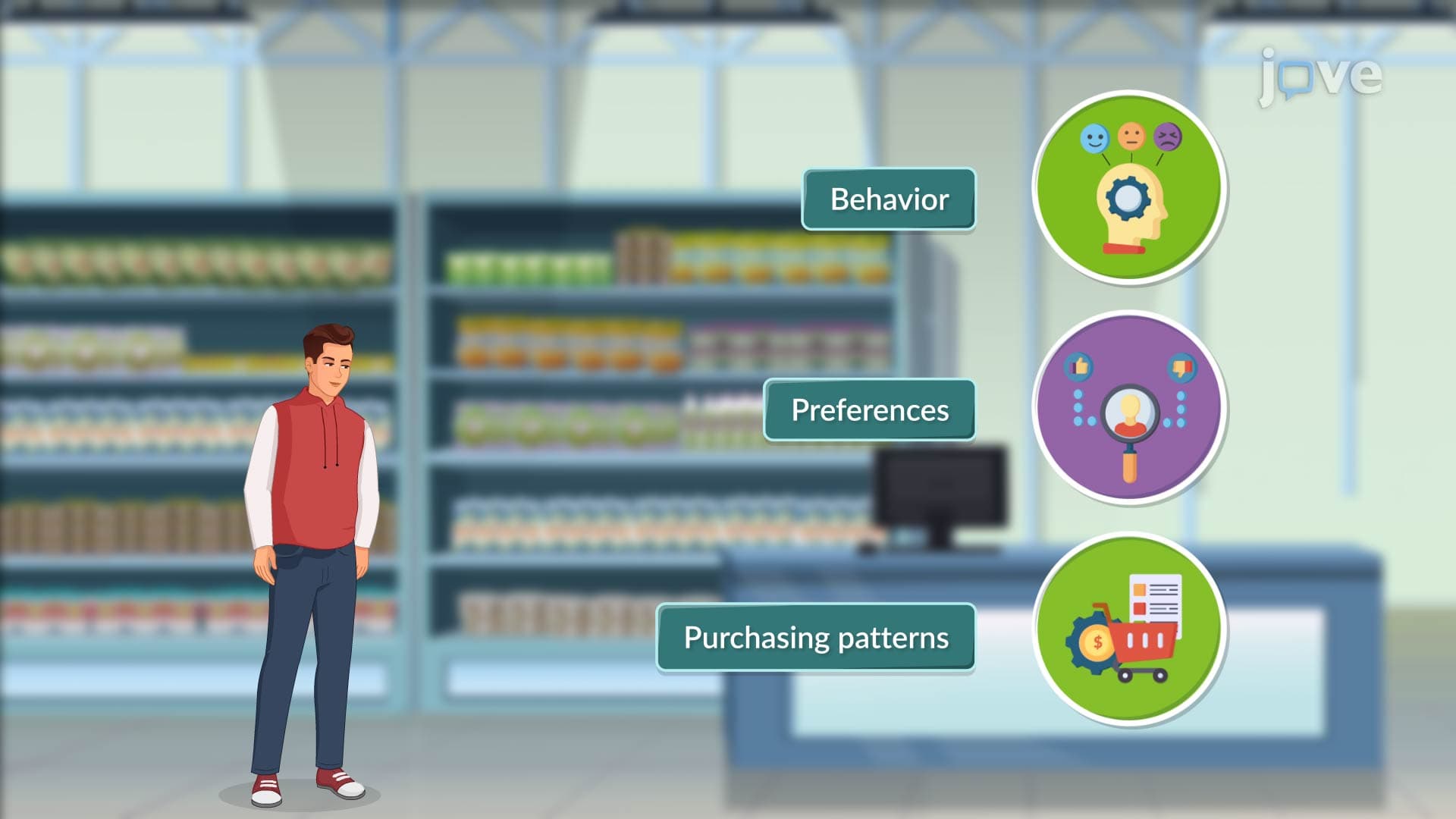
Successful customer type management requires integrated approaches across marketing, sales, and service functions. Companies like Amazon use behavioral data to automatically segment customers, triggering personalized communications and offers. This systematic approach to customer types enables scalable personalization while maintaining operational efficiency.
Frequently Asked Questions
Customer types are behavioral segments that help businesses tailor marketing, sales, and service approaches for maximum effectiveness. These include loyal customers, price-sensitive buyers, impulse purchasers, and informed decision-makers, each requiring different engagement strategies to optimize conversion and retention.
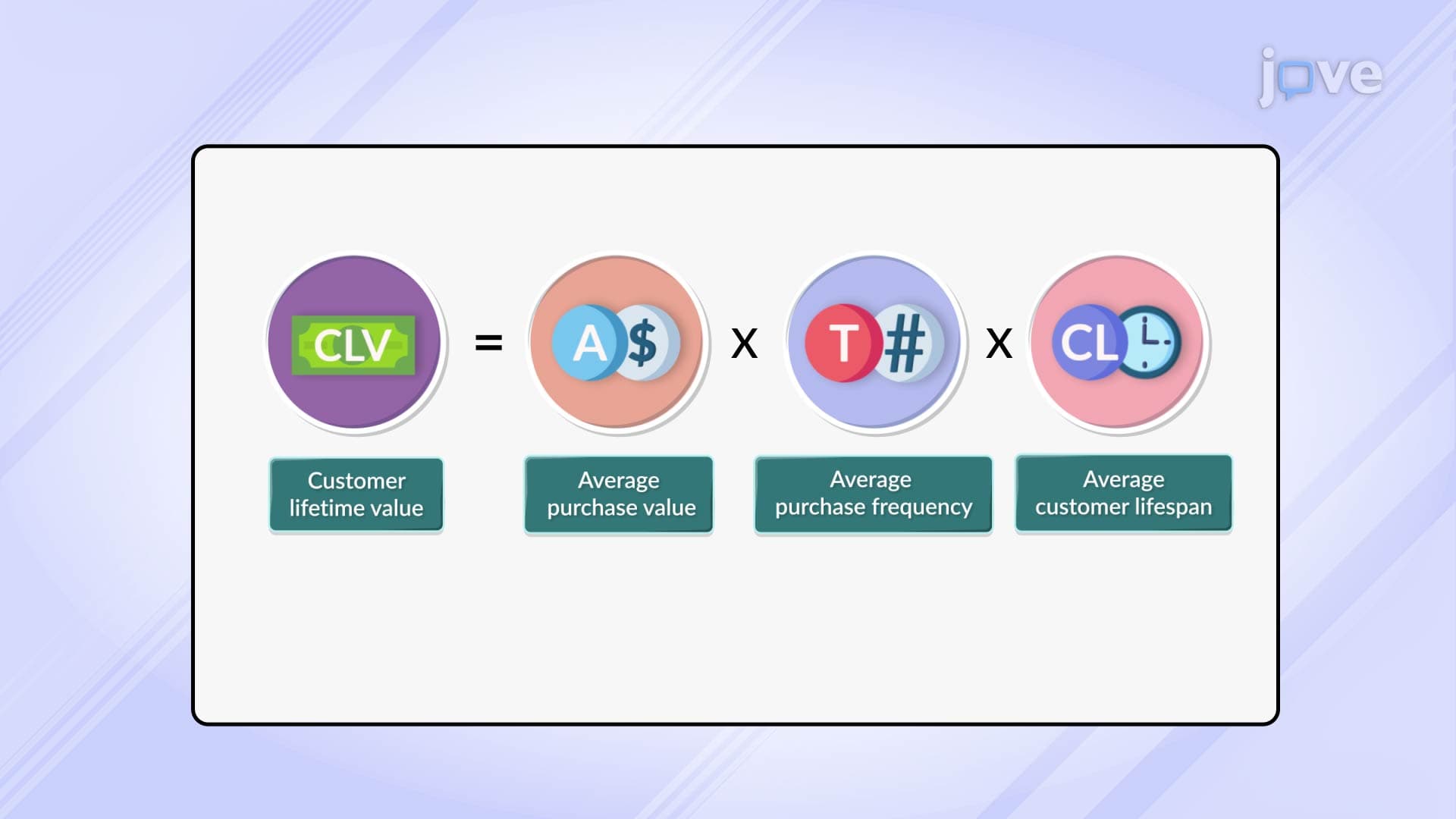
Analyze lifetime value metrics across segments using purchase frequency, average order value, and retention rates. Track acquisition costs by segment and measure conversion rates from different marketing channels. Most businesses find loyal and needs-based customers provide highest long-term value despite potentially higher initial acquisition costs.
Implement value-based pricing tiers rather than across-the-board discounts to maintain margin integrity. Create loyalty programs that reward repeat purchases and bundle complementary products to increase average transaction value. Focus on communicating total cost of ownership rather than competing solely on initial price.
Netflix segments viewers into types like binge-watchers, casual browsers, and genre-specific audiences to optimize content recommendations and production investments. They use viewing behavior data to identify which shows retain different customer segments and invest in original content that appeals to their most valuable subscriber types.
While advanced analytics enhance segmentation precision, basic customer type identification can begin with sales data analysis and customer feedback patterns. Start with observable behaviors like purchase frequency and price sensitivity, then gradually incorporate more sophisticated behavioral tracking as capabilities develop.
Professionals who demonstrate customer segmentation expertise often advance faster because they can optimize resource allocation and improve campaign performance. This skill set proves valuable in strategic roles, client management positions, and leadership opportunities where customer-centric thinking drives business results.
Customer lifetime value calculation provides natural progression, followed by customer journey mapping and retention strategy development. Understanding customer acquisition costs by segment and churn prediction modeling builds comprehensive customer management expertise essential for senior marketing and business development roles.
Related Micro-courses
11 Concepts


15 Concepts