Loading…
Loading video…

36,613 views

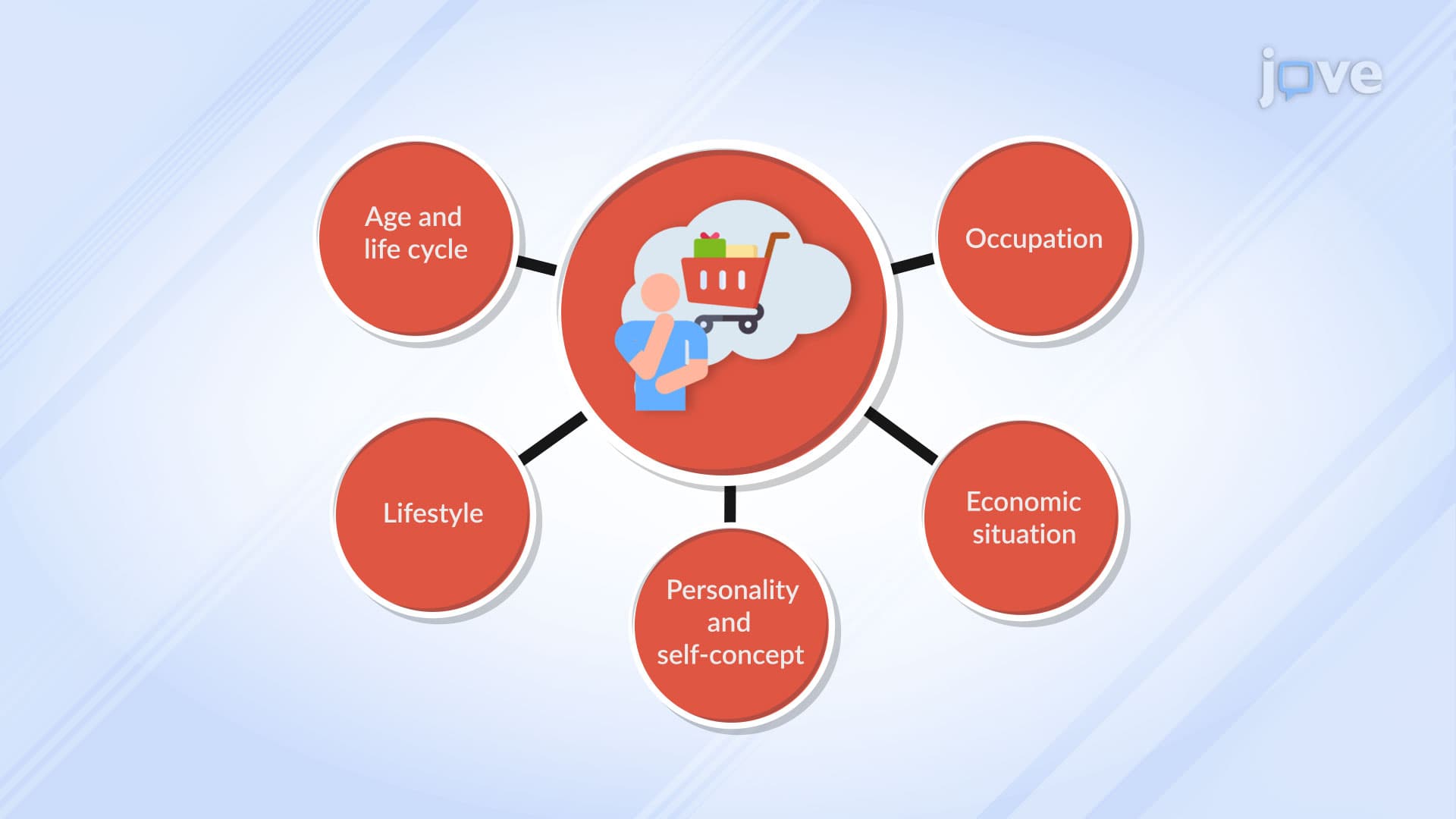
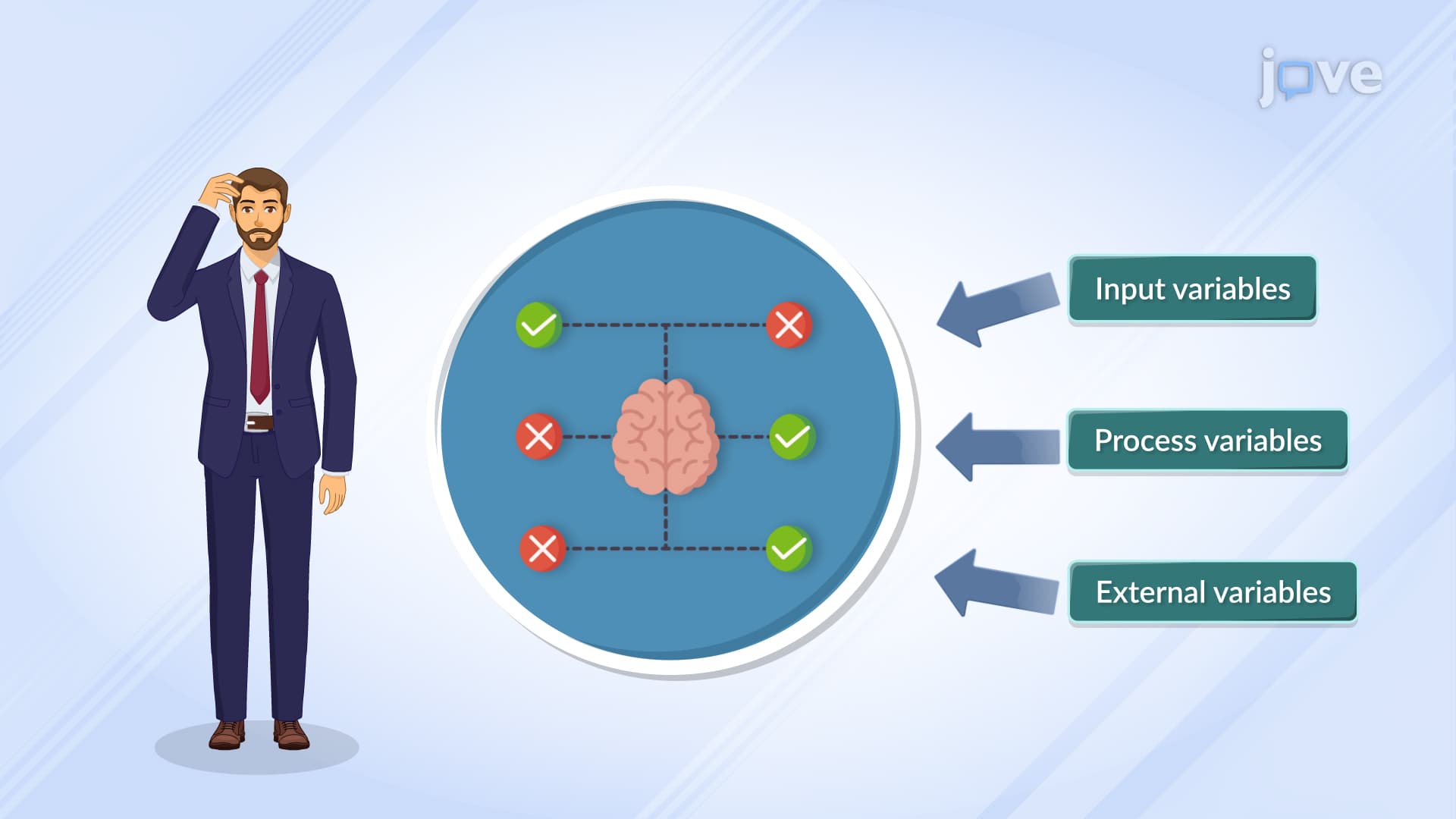
The factors affecting consumer decision process psychological framework drives $15 trillion in annual US consumer spending, making it critical for business leaders to understand buyer psychology. Major retailers like Amazon leverage psychological triggers—motivation, perception, learning, and beliefs—to influence purchasing decisions across their platform. Understanding factors affecting consumer decision process psychological explained helps professionals optimize marketing strategies, improve customer acquisition, and drive revenue growth through targeted behavioral insights. Watch the full video on JoVE Coach to master this concept with expert-led visuals and step-by-step explanations.
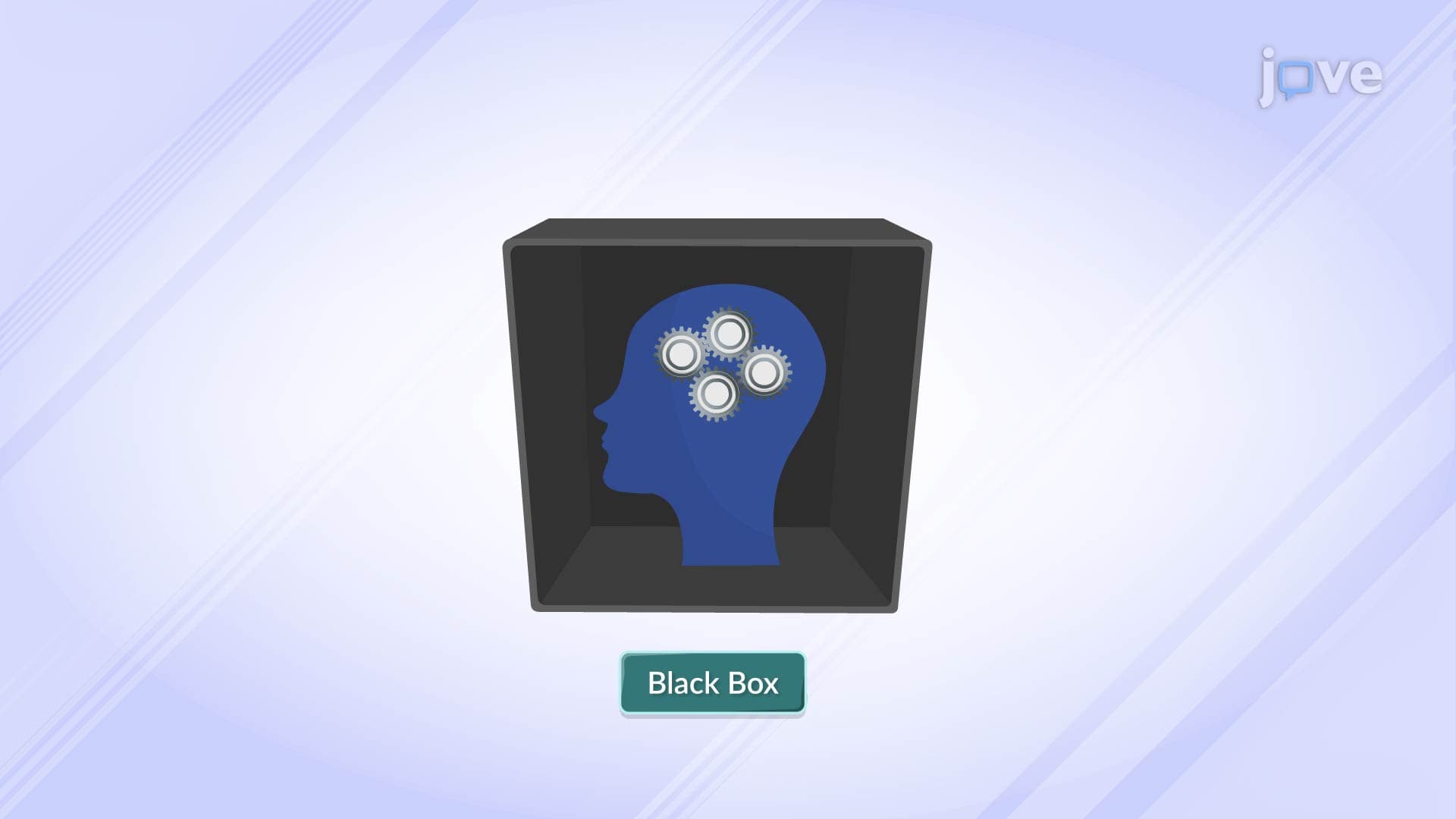
Consumer psychology drives every major business decision, from Apple's $365 billion annual revenue to Walmart's inventory management across 4,700 US stores. The psychological factors affecting consumer decisions represent the internal mental processes that determine whether a customer converts, churns, or becomes a brand advocate.
Motivation serves as the primary driver behind customer actions. Netflix leverages psychological motivation by understanding that subscribers seek convenience, entertainment variety, and social connection through shared viewing experiences. Their algorithm capitalizes on the psychological need for instant gratification while building long-term viewing habits.
Perception shapes how customers interpret your brand messaging and competitive positioning. Starbucks transformed consumer perception of coffee from a commodity purchase to a premium lifestyle experience, justifying price premiums through psychological association with quality, status, and community belonging.
Learning influences repeat purchase behavior and brand loyalty development. Amazon's recommendation engine capitalizes on learned customer preferences, driving 35% of their revenue through personalized suggestions based on previous purchasing patterns and browsing behavior.
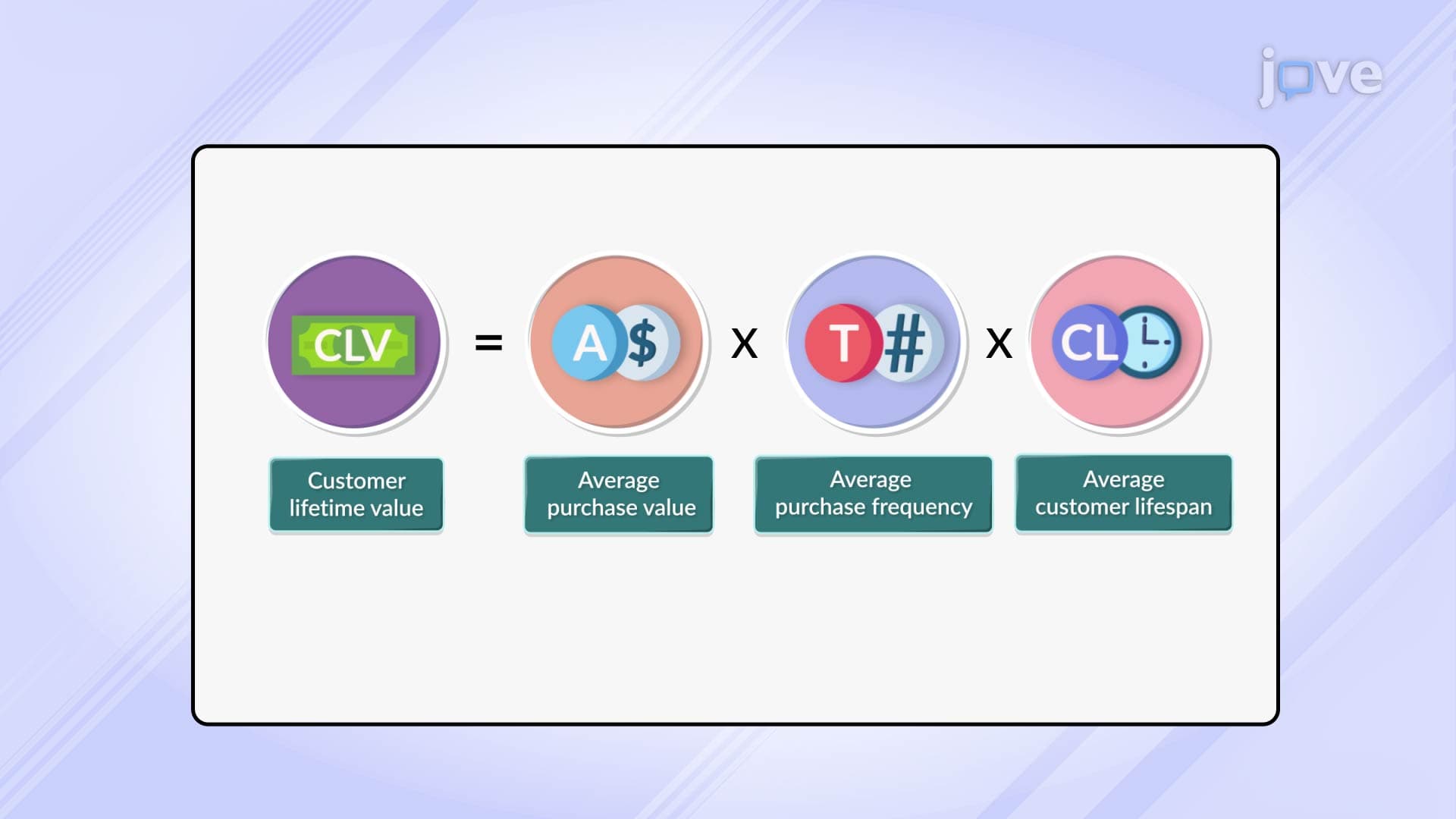
Beliefs and Attitudes determine long-term customer lifetime value and brand advocacy. Tesla's success stems from aligning with consumer beliefs about environmental responsibility and technological innovation, creating emotional connections that transcend traditional automotive purchasing criteria.
Professional implementation requires systematic analysis of your customer base's psychological profile. Marketing executives at Fortune 500 companies use psychological segmentation to allocate billion-dollar advertising budgets, targeting specific motivational triggers across different customer cohorts.
Investment managers apply these principles when analyzing consumer discretionary stocks, evaluating how psychological factors impact quarterly earnings forecasts and market share dynamics. Understanding consumer psychology helps predict which companies will outperform during economic uncertainty or shifting social trends.
Frequently Asked Questions
It's the internal mental framework that drives customer purchasing decisions across all industries. These psychological elements—motivation, perception, learning, and beliefs—directly impact revenue, customer acquisition costs, and lifetime value metrics that business leaders track quarterly.
Present customer psychology data alongside traditional metrics when proposing marketing campaigns, product launches, or pricing strategies. Use psychological insights to justify budget allocation, predict market responses, and differentiate from competitors who rely solely on demographic data.
Psychological factors predict actual buying behavior while demographics only indicate potential. Companies using psychological insights report 2-3x higher conversion rates and 40% better customer retention compared to those using traditional segmentation methods alone.
McDonald's leverages psychological triggers through consistent branding (perception), convenience-focused messaging (motivation), loyalty programs that reward repeat visits (learning), and family-oriented positioning that aligns with customer values about togetherness and affordability (beliefs and attitudes).
No specialized psychology training required. Most successful business applications focus on observable customer behaviors and measurable outcomes. Start by analyzing existing customer data through a psychological lens rather than just demographic patterns.
Professionals who understand customer psychology command higher salaries in marketing, product management, and executive roles. This skill set directly contributes to revenue growth, making you invaluable for strategic decision-making and leadership positions.
Explore behavioral economics and choice architecture, which builds on psychological foundations to design systems that guide customer decisions. This advanced framework helps optimize customer experience design and pricing strategy development.
B2B decisions involve multiple stakeholders with different psychological motivations, requiring more complex analysis of group dynamics, risk aversion, and professional reputation concerns. However, the core psychological framework remains applicable across both contexts.
Related Micro-courses

Related Subjects