Loading subject page…

- Marketing
- Consumer Behaviour
- Types of Customer Relationships
Micro-course: Consumer Behaviour
36,615 views
Learn key concepts and earn your certificate.














Types of Customer Relationships

00:00
01:19
Video Summary: What are Types of Customer Relationships
Understanding the types of customer relationships has become critical as US companies lose $75 billion annually due to poor customer experience strategies. The customer relationship pyramid framework reveals six distinct types of customer relationships, from basic utility transactions to collaborative co-creation partnerships. Companies like Amazon demonstrate advanced relationship management through Prime's personal recognition features, while LEGO's Ideas platform exemplifies co-creation success. Watch the full video on JoVE Coach to master this concept with expert-led visuals and step-by-step explanations.
- Apply the customer relationship pyramid framework to evaluate your current customer engagement strategy and identify upgrade opportunities
- Analyze which relationship level delivers optimal ROI for different customer segments within your portfolio
- Implement convenience-focused improvements to reduce customer friction and increase retention rates
- Leverage personal recognition tactics to transform high-value customers into brand advocates and reduce churn
- Evaluate co-creation opportunities that can drive product innovation while strengthening customer loyalty
- Assess your competitive positioning by comparing relationship depth against industry leaders
- Identify operational gaps between your intended customer experience and actual service delivery
- Apply relationship segmentation to optimize resource allocation across different customer tiers
Understanding Types of Customer Relationships in Modern Business
Customer relationship management has evolved from simple transactional exchanges to sophisticated partnership models that drive sustainable competitive advantage. The customer relationship pyramid provides a strategic framework for categorizing and advancing these relationships across six distinct levels.
The Foundation: Utility and Convenience Relationships
At the pyramid's base, utility relationships focus on frictionless transactions where customers prioritize efficiency over engagement. ExxonMobil's gas stations exemplify this approach-customers want quick, reliable service without complications. Moving up, convenience relationships emphasize streamlined purchasing processes. Target's self-checkout expansion and mobile payment integration demonstrate how retailers can enhance convenience while maintaining operational efficiency. These foundational relationships, while transactional, generate significant volume and establish market presence.
Building Emotional Connection: Comfort and Recognition
The middle tiers introduce emotional elements that differentiate brands in crowded markets. Comfort-focused relationships create pleasant environments that encourage longer engagement and repeat visits. Starbucks has mastered this approach by transforming coffee purchases into experiential moments through store ambiance and personalized service. Personal recognition relationships acknowledge customer loyalty through tailored benefits and exclusive treatment. Amazon Prime represents the gold standard here, offering faster shipping, exclusive content, and priority customer service that makes members feel valued and special.
Advanced Relationship Models: Self-Expression and Co-Creation
The pyramid's apex involves deeper customer integration into brand identity and business operations. Self-expression relationships align customer values with brand positioning, as seen in Patagonia's environmental activism that resonates with eco-conscious consumers. Co-creation represents the ultimate relationship level, where customers become innovation partners. LEGO Ideas platform enables enthusiasts to submit product concepts, with successful designs becoming official sets-creating emotional investment while generating profitable new products.
Strategic Implementation Considerations
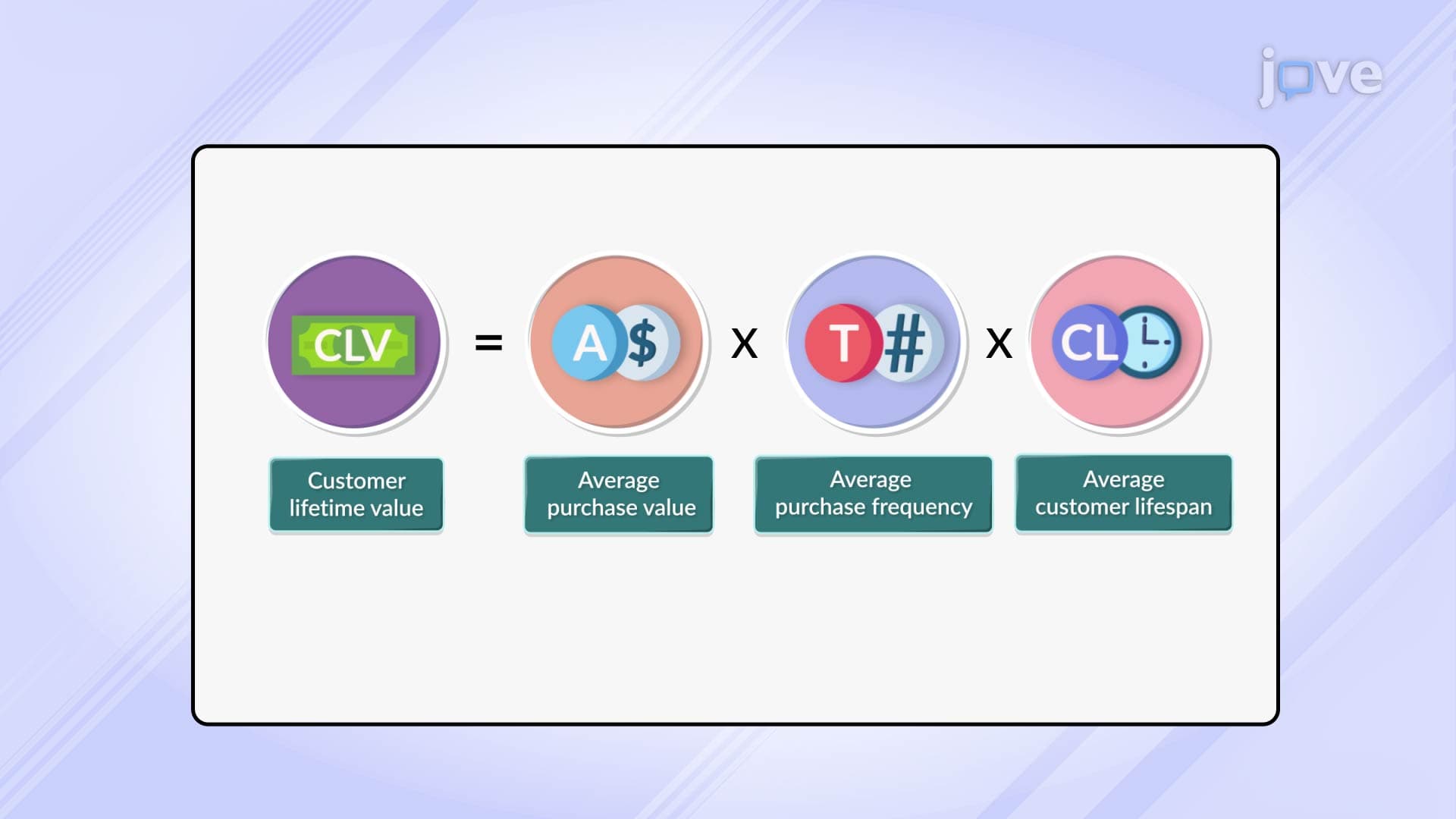
Successful relationship progression requires careful resource allocation and timing. Companies must evaluate which relationship levels deliver optimal customer lifetime value within their specific industry context. Financial services firms might prioritize personal recognition through wealth management services, while technology companies may focus on co-creation through developer communities and beta programs.
Frequently Asked Questions
The six types of customer relationships form a pyramid: utility, convenience, comfort, personal recognition, self-expression, and co-creation. Each level represents increasing customer engagement and typically correlates with higher lifetime value, reduced churn rates, and improved profit margins as relationships deepen.
Assess your industry dynamics, customer expectations, and competitive landscape to identify optimal relationship levels. B2B companies often benefit from personal recognition and co-creation models, while high-volume retail businesses may focus on utility and convenience relationships that scale efficiently across large customer bases.
Upgrade relationships when customer acquisition costs exceed retention investments, when competitors are advancing their relationship models, or when your customer lifetime value calculations show positive ROI from deeper engagement. Consider your operational capacity and brand positioning before committing resources to relationship advancement.
Microsoft transformed from purely transactional software sales to co-creation partnerships through its developer ecosystem and Azure cloud platform. The company now collaborates with enterprise customers on custom solutions, creating deeper relationships that generate recurring revenue while reducing customer switching likelihood.
While marketing knowledge helps, successful relationship management primarily requires understanding customer needs, operational capabilities, and financial metrics. Focus on measuring relationship ROI through retention rates, customer lifetime value, and referral generation rather than complex marketing theory.
Understanding relationship frameworks enables you to drive measurable business results through improved customer metrics, which directly impacts revenue and profitability. This skill set is valuable across roles from account management to executive leadership, as customer-centric strategies increasingly drive business success.
Customer journey mapping provides the operational framework for implementing relationship strategies across touchpoints. This concept helps translate relationship objectives into specific process improvements and measurement systems that deliver consistent customer experiences.
Related Micro-courses
11 Concepts


15 Concepts