Loading…
Loading video…

36,613 views

Understanding the learning model transforms how business leaders predict and influence consumer behavior patterns, driving measurable revenue growth through strategic customer engagement. This behavioral framework explains why Target's personalized advertising campaigns consistently outperform generic marketing approaches by leveraging consumer learning patterns and reinforcement mechanisms. The learning model reveals four critical elements that shape purchasing decisions: drives, cues, responses, and reinforcement cycles that smart marketers exploit for competitive advantage. Watch the full video on JoVE Coach to master this concept with expert-led visuals and step-by-step explanations.
When Netflix's recommendation algorithm suggests your next binge-watch series, it's executing a sophisticated learning model strategy that has generated billions in subscriber retention value. The learning model of consumer behavior provides executives with a systematic framework for understanding how customers develop preferences, make purchasing decisions, and build brand loyalty through experiential learning processes.
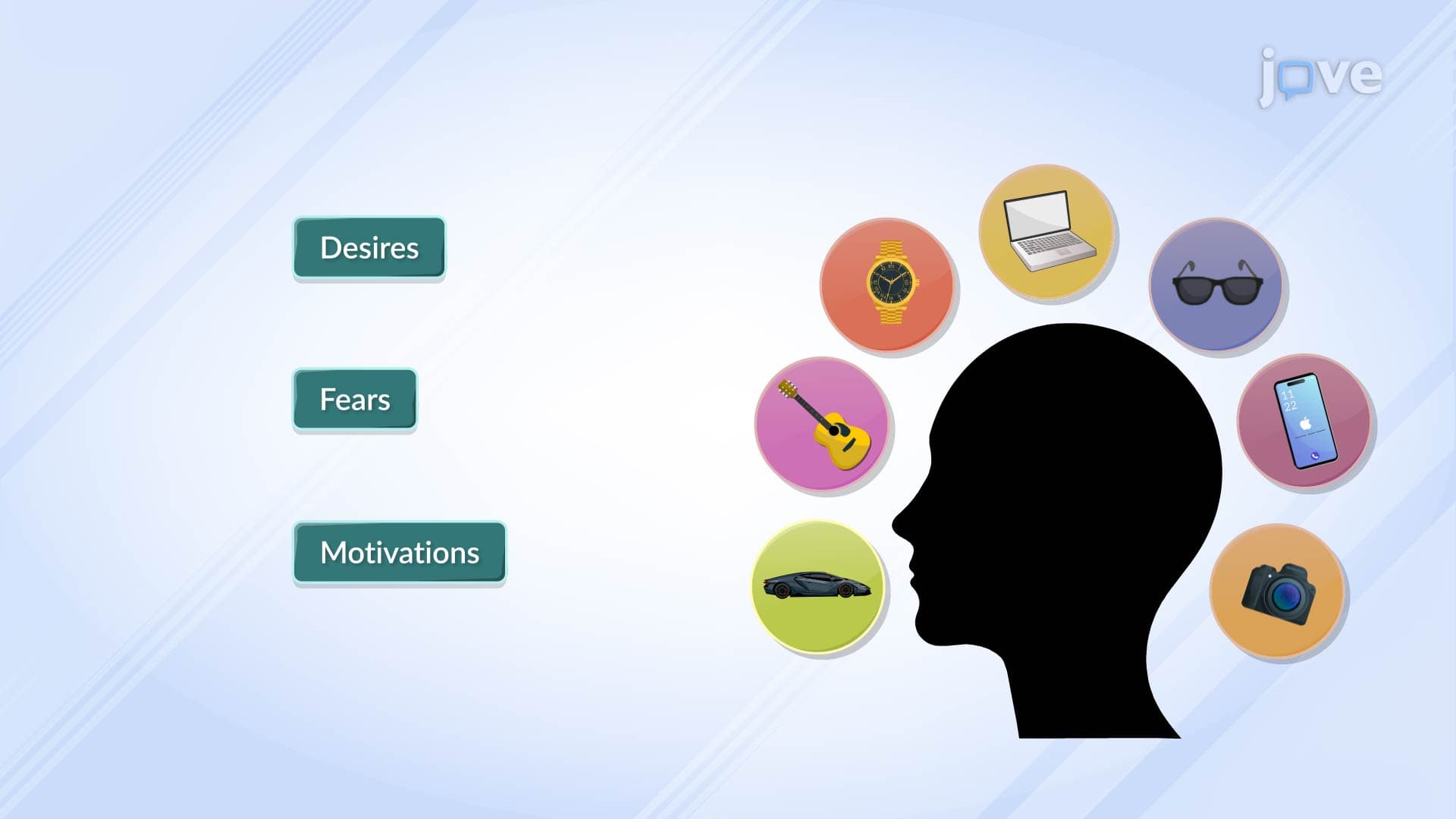
Modern businesses leverage four interconnected learning components to drive customer behavior. Drives represent the fundamental needs that motivate consumer action—whether it's convenience, status, security, or cost savings. Amazon's Prime membership program brilliantly targets multiple drives simultaneously: convenience (fast shipping), exclusivity (member-only deals), and financial benefit (free shipping thresholds).
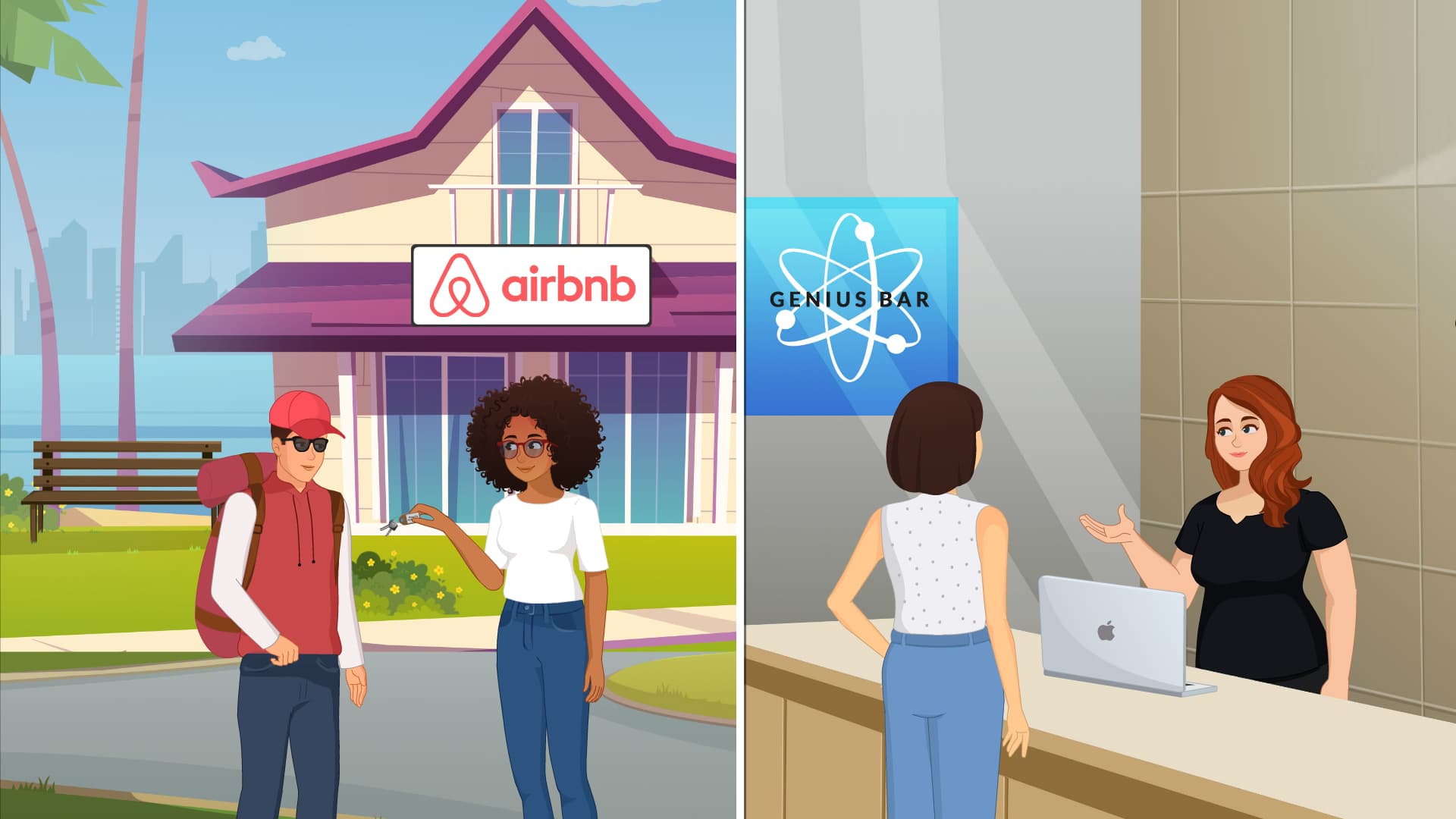
Cues function as environmental triggers that activate consumer responses. Apple's retail store design exemplifies masterful cue engineering—from the minimalist aesthetic that suggests premium quality to the strategic product placement that guides customer flow and encourages hands-on interaction. Smart executives recognize that cues extend beyond advertising to include packaging, pricing signals, store locations, and even customer service interactions.
Response patterns reveal how customers react to your cues based on their accumulated learning experiences. Starbucks has systematically trained millions of customers to associate their locations with productivity and social status, creating predictable response behaviors that drive consistent traffic patterns across thousands of locations.
Reinforcement mechanisms determine whether customer behaviors become habitual or fade away. Companies like Costco have built entire business models around positive reinforcement—their membership renewal rates exceed 90% because customers consistently experience value that reinforces their initial purchasing decision.
The learning model's strategic power lies in its predictive capability. By understanding how customers learn and form preferences, executives can design systematic approaches to influence market behavior. This becomes particularly valuable in competitive markets where customer acquisition costs are rising and retention directly impacts profitability.
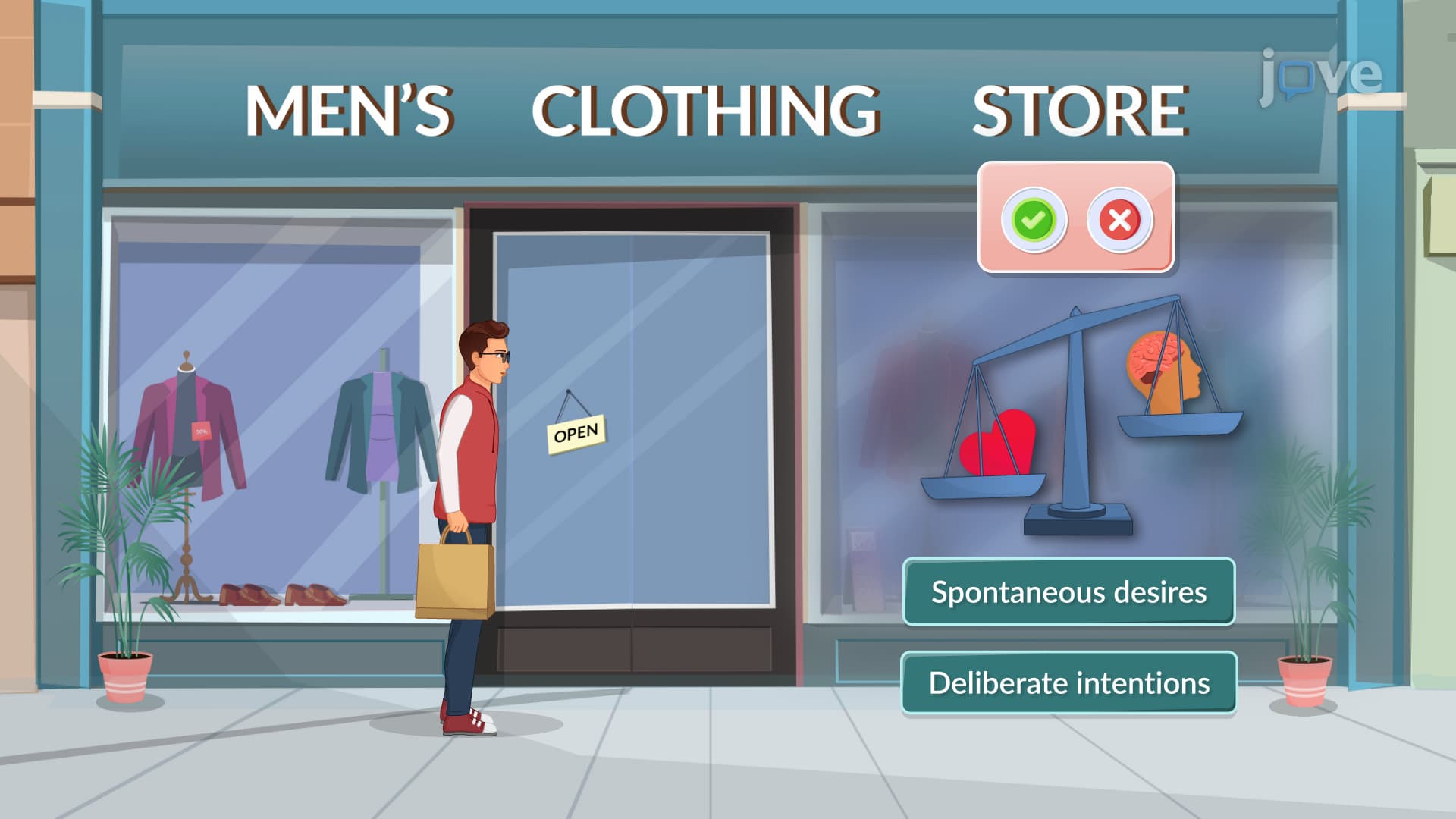
However, successful implementation requires acknowledging the model's limitations. Emotional and impulsive purchasing decisions often override learned behaviors, particularly in categories like luxury goods or during crisis situations. Effective business leaders combine learning model insights with emotional intelligence and situational awareness to create comprehensive customer strategies.
Frequently Asked Questions
The learning model explains how customers develop preferences and make purchasing decisions through repeated experiences with products, brands, and marketing messages. It provides a framework for predicting and influencing consumer behavior by understanding how people learn to associate certain cues with desired outcomes. Business leaders use this model to design marketing campaigns, customer experiences, and product positioning strategies that systematically build customer loyalty and drive revenue growth.
Start by mapping your customer journey to identify key cues (touchpoints) where customers form impressions about your brand. Analyze which drives motivate your target customers and design reinforcement mechanisms that reward desired behaviors. Present data on how competitors use learning principles, then propose systematic tests of different cue-response combinations to optimize your marketing effectiveness and customer retention rates.
Absolutely—B2B customers learn to associate vendors with reliability, value delivery, and problem-solving capability through repeated interactions. Design consistent positive reinforcement through excellent service delivery, proactive communication, and value demonstration. Track which customer touchpoints most effectively reinforce their decision to choose your company, then systematically optimize those experiences to increase renewal rates and expand account relationships.
Coca-Cola has spent decades conditioning consumers to associate their brand with happiness, celebration, and social connection through consistent messaging and strategic placement at positive life events. Their reinforcement strategy includes memorable advertising campaigns, strategic partnerships with entertainment venues, and consistent product quality that rewards customer loyalty. This systematic approach has created learned behaviors where consumers automatically reach for Coke during social situations and celebrations.
No specialized psychology training is required—successful implementation focuses on systematic observation of customer behavior patterns and testing different approaches to influence those patterns. The key skills are data analysis, customer empathy, and strategic thinking. Many successful marketing executives and business leaders apply these principles intuitively, but understanding the formal framework helps create more systematic and measurable approaches to customer influence.
Understanding learning models demonstrates strategic thinking capabilities that separate senior marketers from tactical executors. You'll be able to design systematic customer influence strategies, predict market responses to new initiatives, and optimize marketing investments based on behavioral science principles. This expertise is particularly valuable in customer retention roles, brand management positions, and strategic marketing leadership opportunities where long-term customer relationship building drives business success.
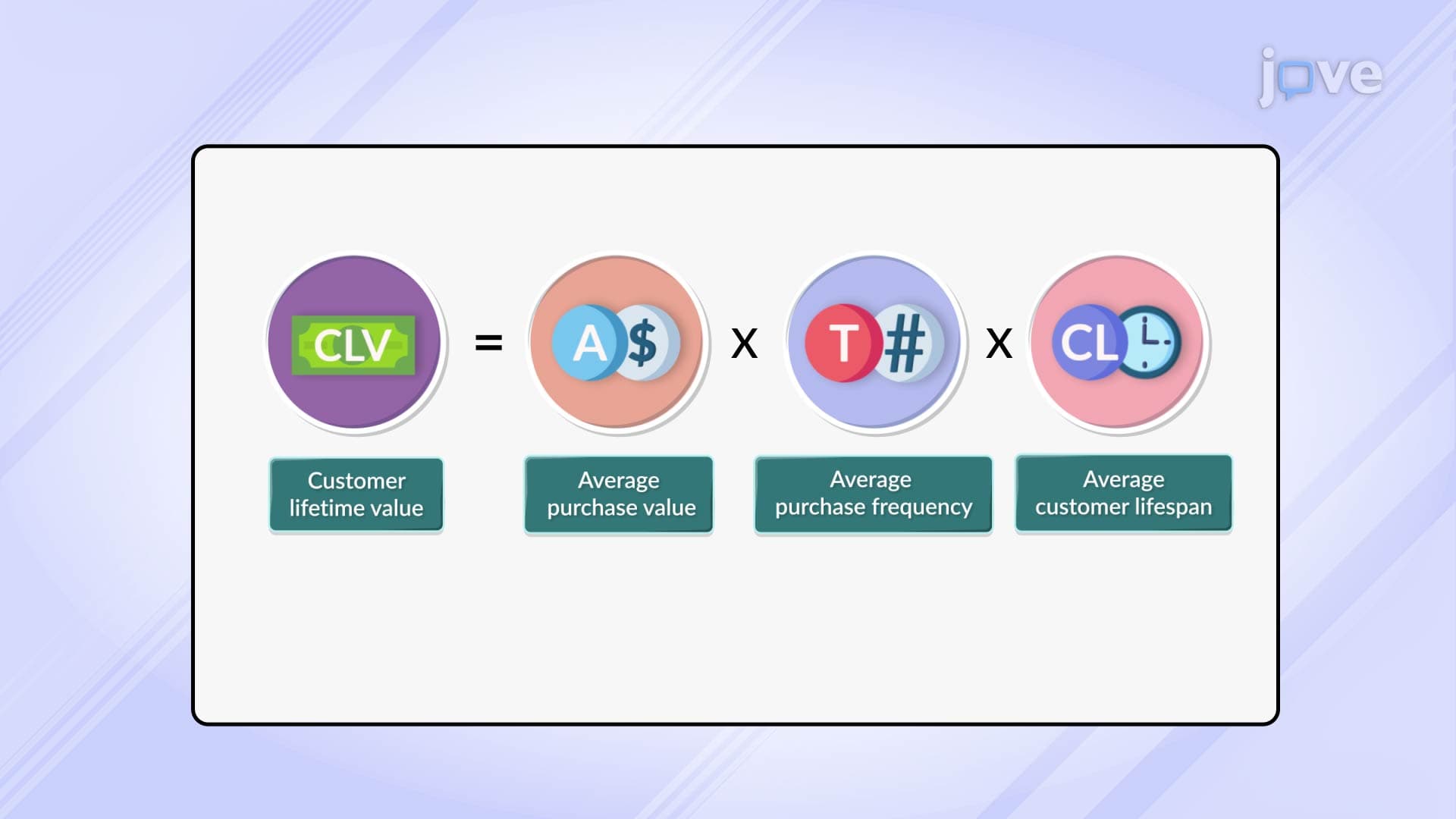
Explore behavioral economics principles, customer lifetime value optimization, and neuromarketing techniques to deepen your understanding of consumer psychology. These complementary frameworks will enhance your ability to design comprehensive customer strategies that combine learning theory with emotional triggers and economic decision-making factors.
Related Micro-courses

Related Subjects