Loading…
Loading video…

36,613 views

Today's business leaders must decode how customers navigate increasingly complex purchasing journeys across digital and physical touchpoints. The consumer decision process provides a strategic framework for understanding buyer behavior, from initial problem recognition through post-purchase evaluation. Companies like Amazon have revolutionized each stage, using personalized recommendations during information search and one-click purchasing to streamline decision-making. Mastering the consumer decision process enables professionals to optimize marketing funnels, improve customer experience, and drive revenue growth. Watch the full video on JoVE Coach to master this concept with expert-led visuals and step-by-step explanations.
Modern business success hinges on understanding how customers make purchasing decisions in an omnichannel marketplace. When Starbucks expanded beyond coffee into food, retail products, and digital experiences, they leveraged deep consumer decision process insights to guide customers through each stage seamlessly. The consumer decision process represents a systematic approach to buyer behavior that helps executives anticipate customer needs, allocate marketing resources effectively, and design experiences that drive profitable growth.
Marketing leaders use the consumer decision process definition to orchestrate integrated campaigns that address specific stages. During problem recognition, companies like Nike create aspirational content that helps customers identify performance gaps. The information search stage becomes critical for B2B software companies, where decision-makers evaluate complex solutions over months. Evaluation of alternatives requires sophisticated competitive positioning—Apple's product ecosystem creates switching costs that influence comparative analysis. The purchase decision stage demands friction-free experiences, which explains Amazon's patent on one-click ordering.
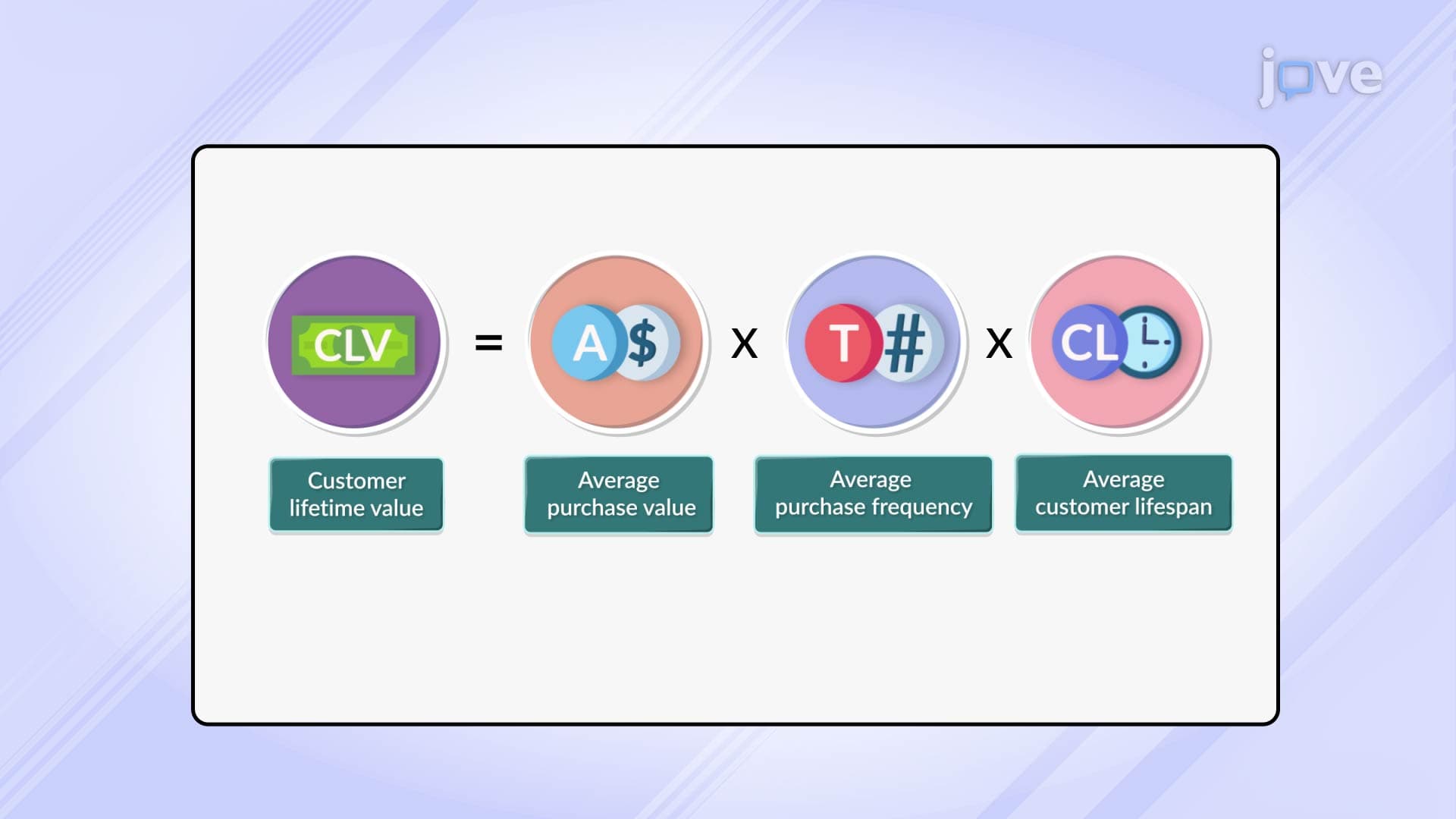
Finance and operations teams apply consumer decision process insights to forecast demand patterns and optimize inventory management. Retail giants like Target analyze seasonal decision-making cycles to time promotions and stock levels. The post-purchase evaluation stage directly impacts customer lifetime value calculations and retention strategies. Companies tracking Net Promoter Scores and customer satisfaction metrics use this final stage to identify improvement opportunities and reduce churn.
Strategic planning teams leverage the consumer decision process to understand competitive vulnerabilities and market opportunities. When Tesla entered the automotive market, they disrupted traditional dealer networks by controlling the entire decision process through direct sales and digital experiences. Understanding how customers evaluate alternatives helps companies like Microsoft position cloud services against competitors by addressing specific decision criteria like security, scalability, and total cost of ownership.
Frequently Asked Questions
The consumer decision process is a five-stage framework (problem recognition, information search, evaluation of alternatives, purchase decision, post-purchase evaluation) that maps how customers make buying decisions. It matters because understanding each stage allows companies to optimize marketing spend, improve conversion rates, and design customer experiences that drive revenue growth and competitive advantage.
Analyze where your customers spend the most time and face the greatest friction in their decision journey. Allocate larger budgets to stages with high drop-off rates or competitive pressure. For example, if customers extensively research alternatives, invest more in SEO, content marketing, and competitive positioning during the information search stage.
Train sales teams to identify which stage each prospect is in and tailor their approach accordingly. Provide different tools and content for each stage—problem identification materials for early-stage prospects, comparison guides for evaluation phase, and risk-mitigation resources for purchase decisions. This targeted approach typically increases close rates by 20-30%.
Amazon excels at optimizing each stage: they use browsing data to trigger problem recognition, provide comprehensive reviews and recommendations for information search, offer detailed comparison tools for evaluation, enable one-click purchasing for decisions, and follow up with delivery tracking and review requests for post-purchase evaluation.
No marketing background is required. This framework applies across functions—operations teams use it for inventory planning, finance teams for forecasting, and product teams for feature prioritization. The concept is intuitive because it mirrors how we all make decisions, making it accessible to any business professional.
Understanding customer decision-making is increasingly valued across roles, from product management to executive leadership. It demonstrates strategic thinking ability and customer-centricity that boards and C-suite executives prioritize. Professionals who can translate customer insights into business results often advance faster and command higher compensation.
Consider studying customer journey mapping, behavioral economics principles like loss aversion and anchoring bias, and segmentation strategies. Understanding customer lifetime value calculations and churn prediction models will also enhance your ability to apply decision process insights strategically.
Related Micro-courses

Related Subjects