Loading…
Loading video…

36,613 views
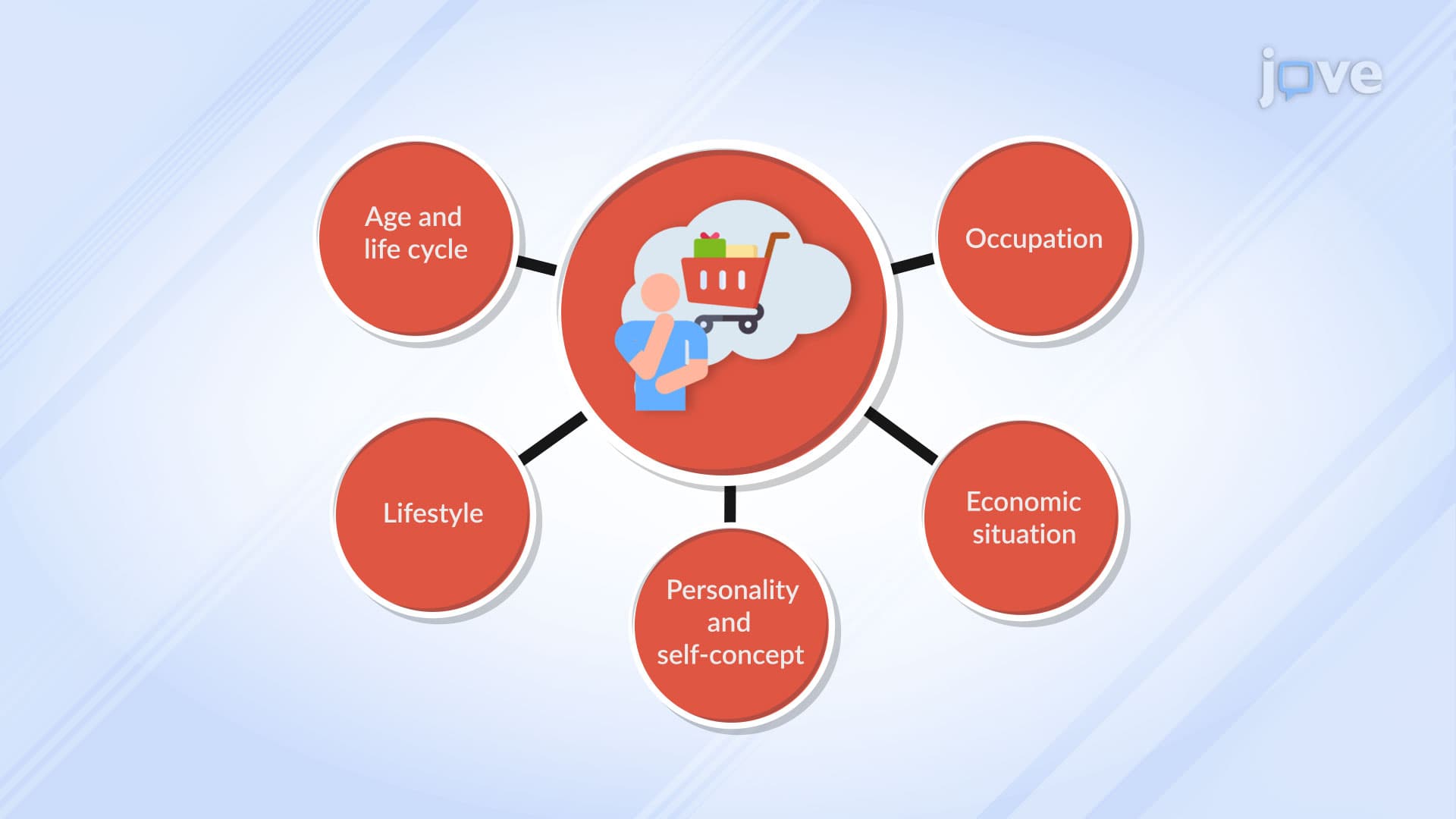
Understanding factors affecting consumer decision dynamics has become critical as US retail spending patterns shift post-pandemic, with companies like Amazon leveraging demographic and lifestyle data to drive $514 billion in annual revenue. The factors affecting consumer decision process personal explained framework reveals how age, occupation, economic status, lifestyle, and personality shape purchasing behaviors across market segments. Watch the full video on JoVE Coach to master this concept with expert-led visuals and step-by-step explanations.
Consumer behavior analysis has evolved from broad demographic assumptions to sophisticated personal factor modeling, particularly as digital commerce generates unprecedented data on individual purchasing patterns. When Walmart restructured its grocery offerings in 2019, executives discovered that traditional age-based assumptions failed to predict actual buying behaviors—leading to a $2.3 billion investment in personalized shopping experiences.
Life stage segmentation drives portfolio decisions across industries, from financial services to automotive. Consider how Ford's marketing spend allocation reflects this reality: families with young children represent 34% of SUV purchases, while empty nesters drive 28% of luxury sedan sales. This demographic intelligence shapes everything from R&D investment priorities to dealer inventory management.
Smart executives recognize that life cycle stages create distinct value propositions. Mortgage lenders like Quicken Loans have built entire business models around this principle, offering first-time homebuyer programs for millennials while developing reverse mortgage products for baby boomers—each requiring fundamentally different risk assessment and marketing approaches.
Professional identity significantly influences purchasing decisions, creating opportunities for targeted business development. Construction industry purchasing managers prioritize durability and safety certifications when evaluating equipment suppliers, while healthcare administrators focus on compliance and patient outcomes. This occupational lens explains why Caterpillar's sales strategy emphasizes total cost of ownership rather than upfront pricing.
Understanding occupational factors enables more effective account-based marketing and sales enablement. Technology companies like Salesforce have built industry-specific solutions recognizing that a manufacturing CFO's software evaluation criteria differ dramatically from those of a retail operations manager.
Economic segmentation remains fundamental to pricing strategy and product development decisions. Tesla's evolution from luxury positioning to mass market accessibility demonstrates how economic factors drive strategic pivots. The company's Model 3 launch specifically targeted households earning $50,000-$100,000 annually, recognizing that environmental consciousness spans income levels but purchasing power determines product accessibility.
Successful brands develop tiered strategies addressing different economic segments simultaneously. Apple's iPhone SE serves price-sensitive consumers while the Pro models capture premium buyers, maximizing market penetration across economic strata.
Frequently Asked Questions
It's the analytical framework examining how individual characteristics—age, occupation, income, lifestyle, and personality—influence purchasing decisions. This concept helps businesses predict buying behaviors, optimize marketing spend, and develop targeted products. Understanding these factors enables more precise customer segmentation and competitive positioning strategies.
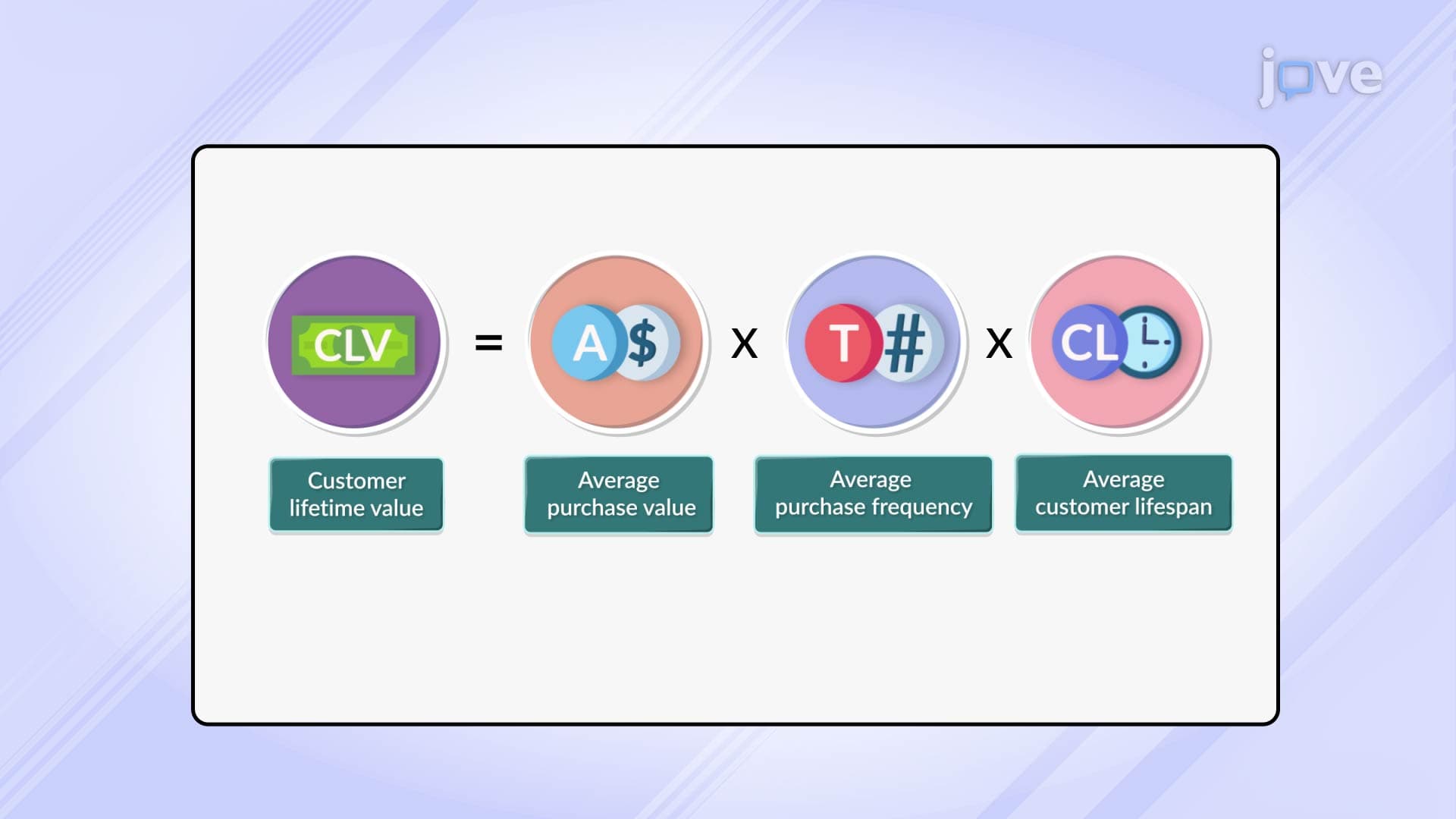
Start by mapping your customer base against the five personal factors, identifying patterns in high-value segments. Use this data to inform product roadmap decisions, marketing budget allocation, and sales territory planning. Cross-reference personal factors with purchase frequency and lifetime value metrics to prioritize market opportunities.
Personal factors directly impact price sensitivity and value perception across customer segments. Economic status affects willingness to pay premium prices, while lifestyle factors influence feature preferences that justify higher costs. Occupation-based analysis reveals which customer segments view your solution as essential versus discretionary spending.
Starbucks analyzed lifestyle and economic factors to identify suburban markets where busy professionals valued convenience and quality over price sensitivity. They positioned stores near office complexes and residential areas with higher household incomes, creating the "third place" concept that appealed to personality traits valuing social connection and productivity.
No specialized background is required, though basic familiarity with customer segmentation helps. Start with existing customer data, survey responses, and sales team insights to identify personal factor patterns. Many CRM systems and analytics platforms provide demographic and behavioral data that supports personal factor analysis without requiring advanced research skills.
This capability positions you for strategic roles requiring customer insight and market analysis skills. Marketing managers, product managers, and business development executives who understand personal factors make more informed decisions about resource allocation, target market selection, and competitive positioning—skills highly valued in senior leadership roles.
Study psychological factors affecting consumer decisions, which examines motivation, perception, learning, and attitudes. This builds naturally on personal factors by explaining the mental processes behind purchasing behaviors, providing deeper insight into customer decision-making that complements demographic and lifestyle analysis.
Related Micro-courses

Related Subjects