Loading subject page…

- Marketing
- Consumer Behaviour
- Examples of cultural factors influencing consumer behavior
Micro-course: Consumer Behaviour
36,615 views
Learn key concepts and earn your certificate.

















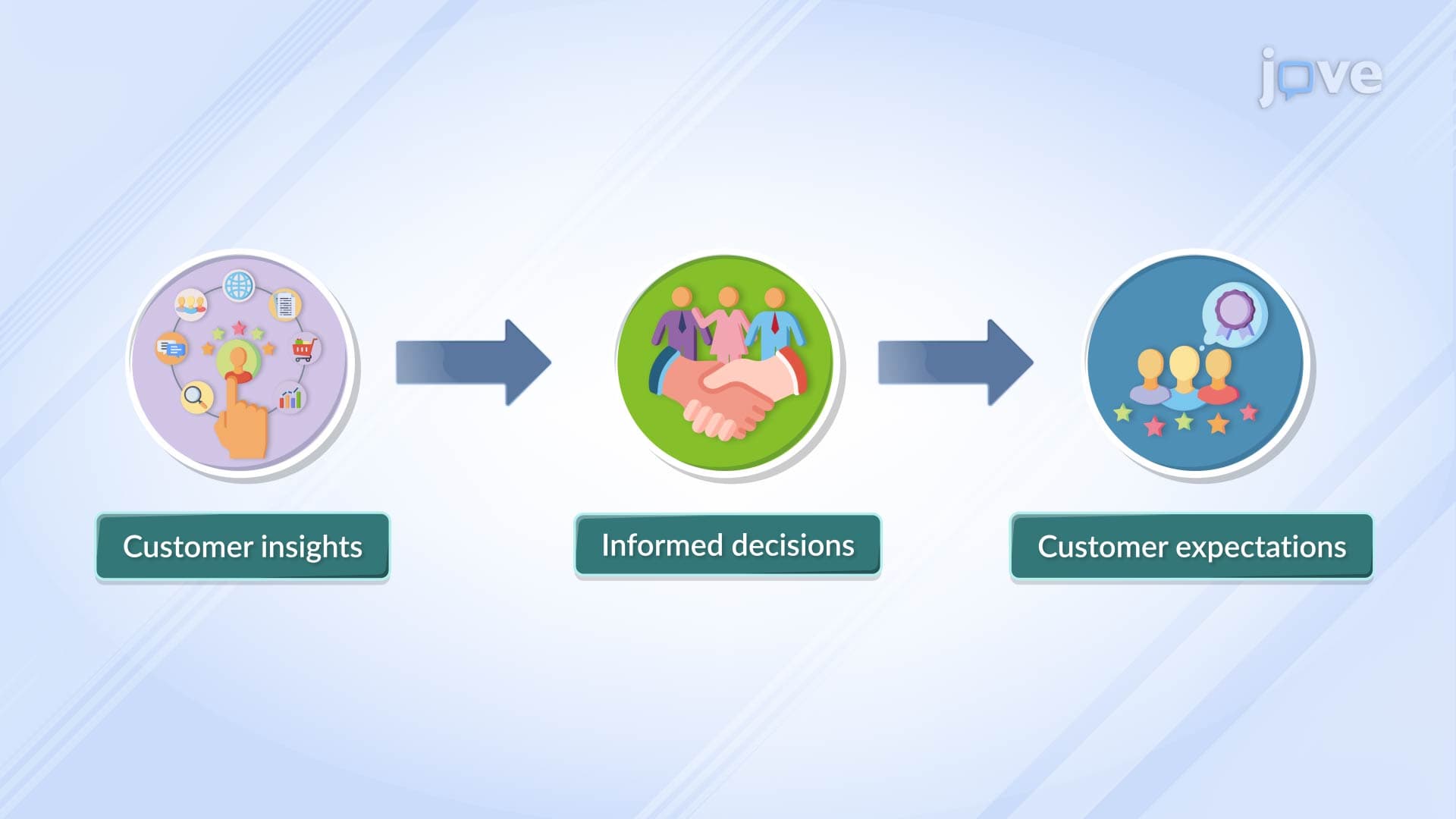


Examples of cultural factors influencing consumer behavior


00:00
01:27
Video Summary: Examples of Cultural Factors Influencing Explained
Market leaders increasingly recognize that examples cultural factors influencing consumer behavior directly impact revenue streams and competitive positioning. When McDonald's adapted its menu to serve rice-based meals in Asia and halal options in Muslim markets, it demonstrated how cultural awareness drives profitability. Understanding Examples of Cultural Factors Influencing Explained enables executives to make data-driven decisions about product development, marketing spend allocation, and international expansion strategies. Watch the full video on JoVE Coach to master this concept with expert-led visuals and step-by-step explanations.
- Apply cultural segmentation strategies to identify untapped market opportunities and optimize product-market fit across diverse demographics
- Evaluate competitor cultural positioning to develop differentiated messaging that resonates with specific cultural subgroups within your target market
- Analyze regional preference patterns to inform supply chain decisions, inventory management, and distribution channel optimization
- Implement culturally-sensitive marketing campaigns that increase engagement rates and reduce brand reputation risks in multicultural markets
- Assess cultural factors' impact on pricing strategies, considering cultural attitudes toward luxury, value, and purchasing behaviors
- Leverage cultural insights for talent acquisition and team management when expanding into new geographic markets
- Identify cultural barriers that may impede product adoption and develop mitigation strategies to accelerate market penetration
- Compare cultural adaptation costs versus standardization benefits to optimize international business strategy ROI
Understanding Examples of Cultural Factors Influencing Business Performance
Consider Netflix's challenge when entering international markets: their original content strategy worked domestically, but international subscribers demanded local programming. This scenario illustrates how cultural factors fundamentally shape business outcomes, requiring strategic adaptation rather than simple market replication.
Cultural Segmentation Framework for Strategic Decision-Making
Cultural factors influencing consumer behavior operate across three distinct levels that directly impact P&L performance. National culture shapes broad market preferences-American Express leverages patriotic themes during July 4th campaigns to drive card acquisition. Subcultural influences create niche opportunities-Whole Foods targets health-conscious consumers willing to pay premium prices for organic products. Social class dynamics affect purchasing power and brand perception-luxury retailers like Tiffany & Co. maintain exclusivity through pricing strategies that reinforce status differentiation.
Operational Implementation Strategies
Successful cultural adaptation requires systematic analysis of local market conditions. Starbucks demonstrates this through menu localization-offering green tea lattes in Japan and cardamom-flavored beverages in Middle Eastern markets. These adaptations cost approximately 15% more in operational complexity but generate 40% higher customer satisfaction scores in international locations.
The beverage giant's approach extends beyond product modification to encompass store design, employee training, and community engagement. In conservative markets, Starbucks creates separate seating areas to accommodate cultural norms, while in individualistic cultures, they emphasize personalized service and customization options.
Measuring Cultural Impact on Business Metrics
Financial services companies like JPMorgan Chase track cultural responsiveness through conversion rate analysis across demographic segments. Their research indicates that culturally-tailored financial products achieve 25% higher adoption rates than standardized offerings. This data drives resource allocation decisions for marketing campaigns, product development timelines, and regional hiring strategies.
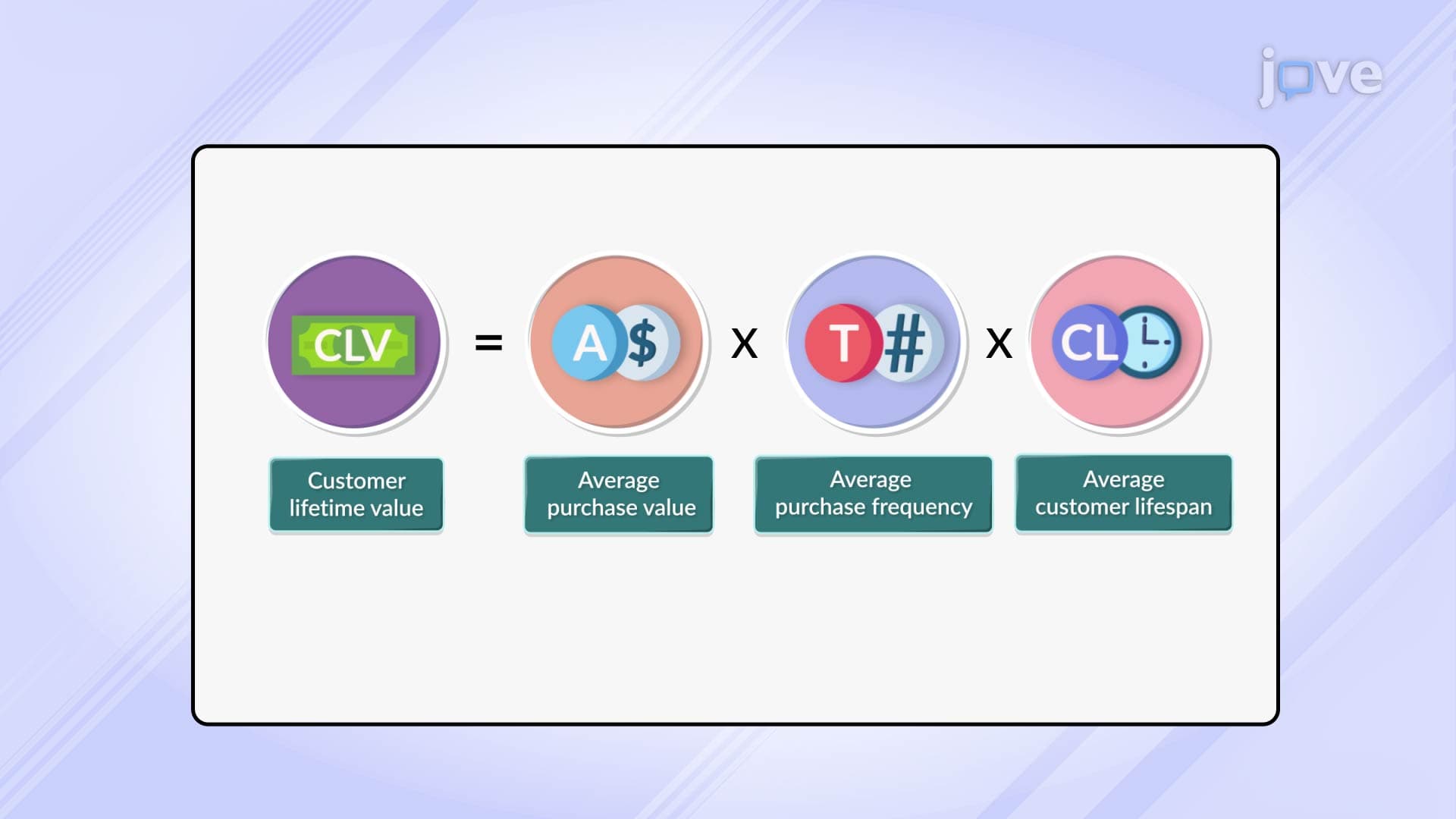
Cultural factors also influence customer lifetime value calculations. Brands serving family-oriented cultures typically see higher referral rates but longer decision-making cycles, requiring adjusted cash flow projections and sales team compensation structures.
Frequently Asked Questions
Cultural factors are shared beliefs, values, and behaviors within specific groups that drive purchasing decisions and brand preferences. They include language preferences, religious practices, family structures, and social customs that directly impact how consumers interact with products and services. These factors determine everything from product features to pricing strategies.
Start by analyzing your customer data for demographic patterns and behavioral trends across different cultural segments. Conduct focus groups within each cultural subgroup and track engagement metrics across marketing campaigns. The factors showing the strongest correlation with purchase behavior and customer retention should drive your strategic priorities.
Adaptation makes financial sense when cultural preferences directly impact core product functionality or when regulatory requirements demand changes. Standardization works best for universal needs where brand consistency outweighs local customization costs. Test both approaches through pilot programs and measure ROI before making enterprise-wide decisions.
Amazon's Prime Video invests billions in local content production, creating region-specific programming that drives subscription growth in international markets. They also adapt their logistics network to accommodate cultural shopping patterns-offering cash-on-delivery in markets where credit card adoption is low, and adjusting delivery timing around religious holidays and family gatherings.
Basic cultural awareness training helps, but focus on data-driven approaches rather than deep cultural studies. Partner with local market research firms, hire regional talent, and establish feedback loops with customers from different cultural backgrounds. Your existing analytical skills combined with cultural insights will drive better business outcomes.
Professionals who demonstrate cultural competency often lead international expansion projects, manage diverse teams more effectively, and identify new revenue streams through untapped market segments. These skills become increasingly valuable as companies globalize and domestic markets become more culturally diverse, positioning you for senior leadership roles.
Consumer behavior segmentation strategies build naturally on cultural factors knowledge. This includes psychographic profiling, behavioral targeting, and advanced customer personas that combine cultural insights with purchasing pattern analysis for more sophisticated marketing campaigns.
Related Micro-courses

11 Concepts


15 Concepts