Loading subject page…

- Mechanical Engineering
- Deflection of Beams
- Beams with Unsymmetric Loadings
Micro-course: Deflection of Beams
5,176 views
Learn key concepts and earn your certificate.
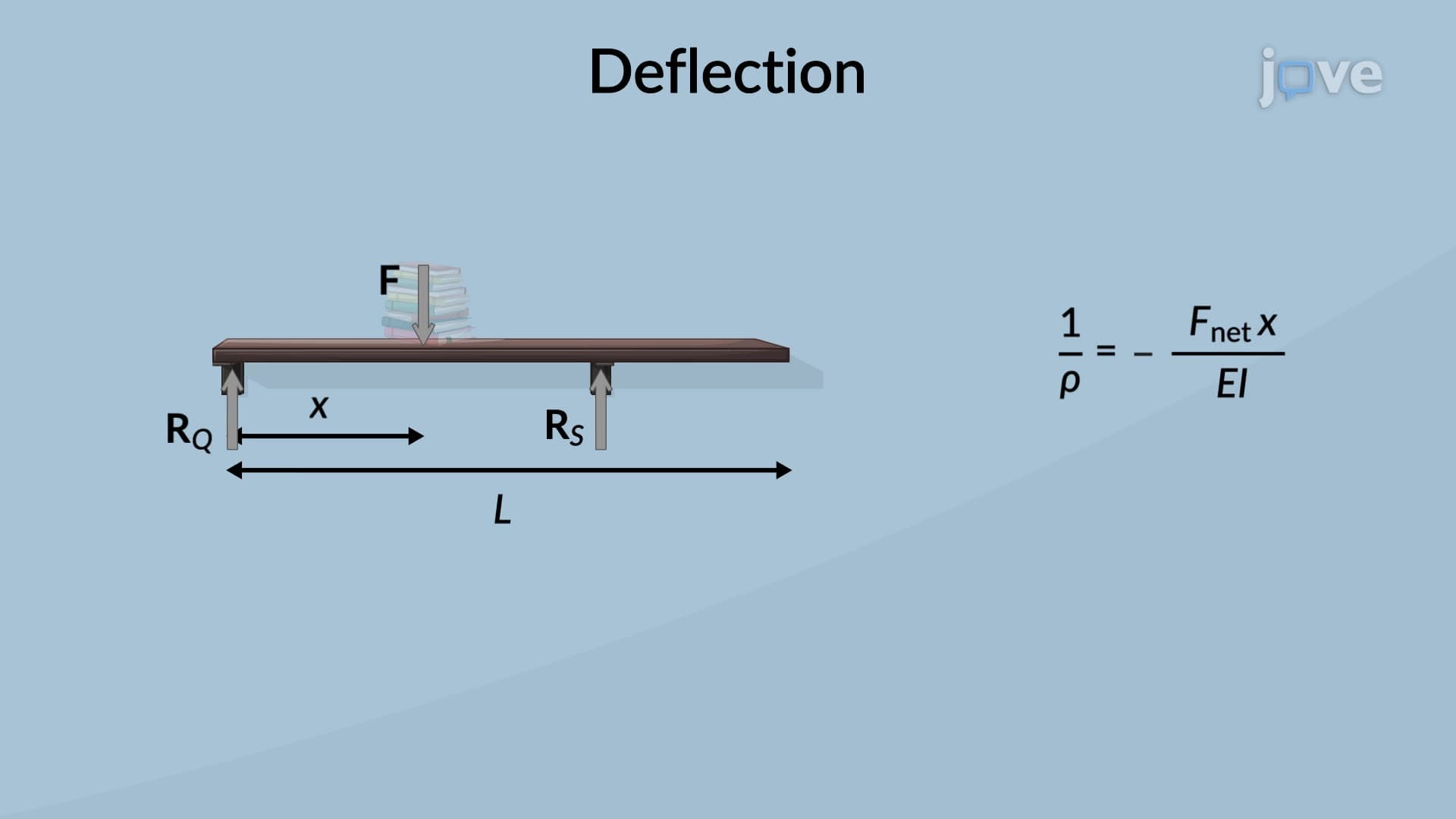

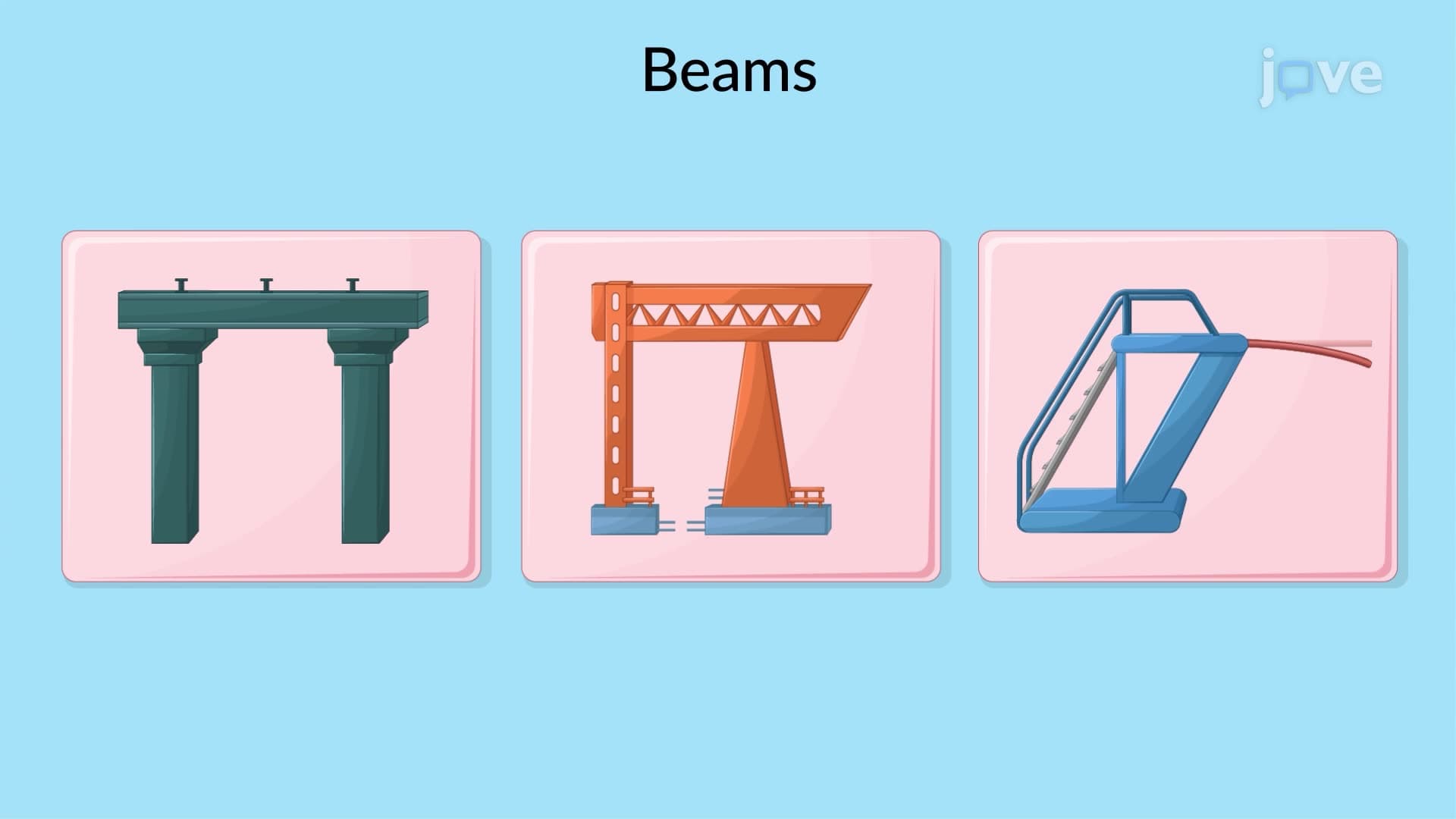


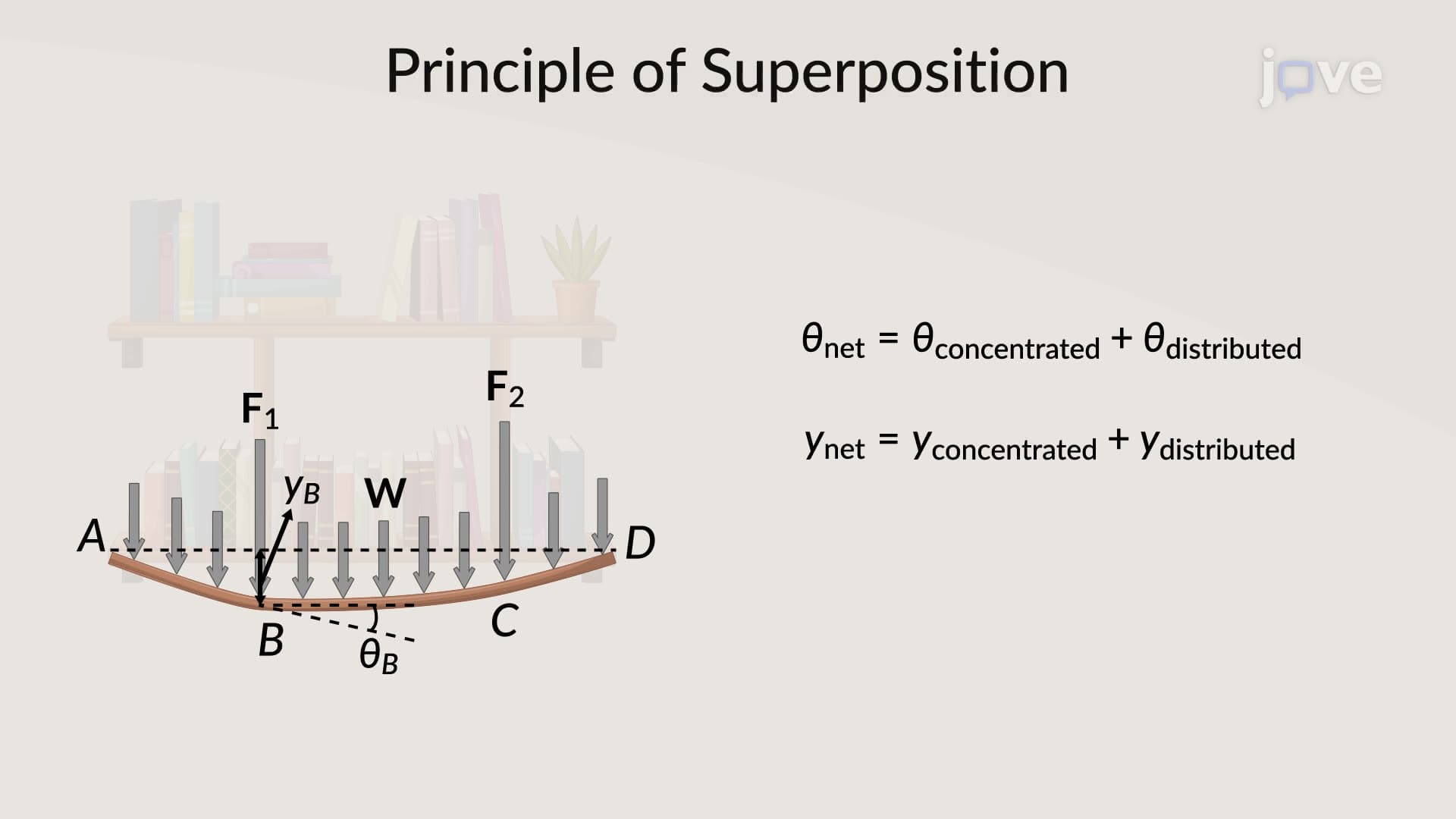
Beams with Unsymmetric Loadings

00:00
01:17
Video Summary: What Is Beams with Unsymmetric Loadings
Ever wondered why skyscrapers like the Willis Tower in Chicago don't collapse under wind forces that push from just one side? Beams with unsymmetric loadings handle exactly these uneven force distributions that occur when loads don't act symmetrically along a beam's centerline. Understanding what is beams with unsymmetric loadings becomes crucial when analyzing real structures where forces create complex bending patterns, requiring engineers to calculate precise deflections and slopes using advanced geometric methods. Watch the full video on JoVE Coach to master this concept with expert-led visuals and step-by-step explanations.
- Understand what is beams with unsymmetric loadings and how they differ from symmetrically loaded beam systems in structural analysis
- Identify the key components needed for analysis: reference tangents, tangential deviations, and deflection calculations
- Analyze beam slopes at any point using the first moment area theorem and geometric relationships
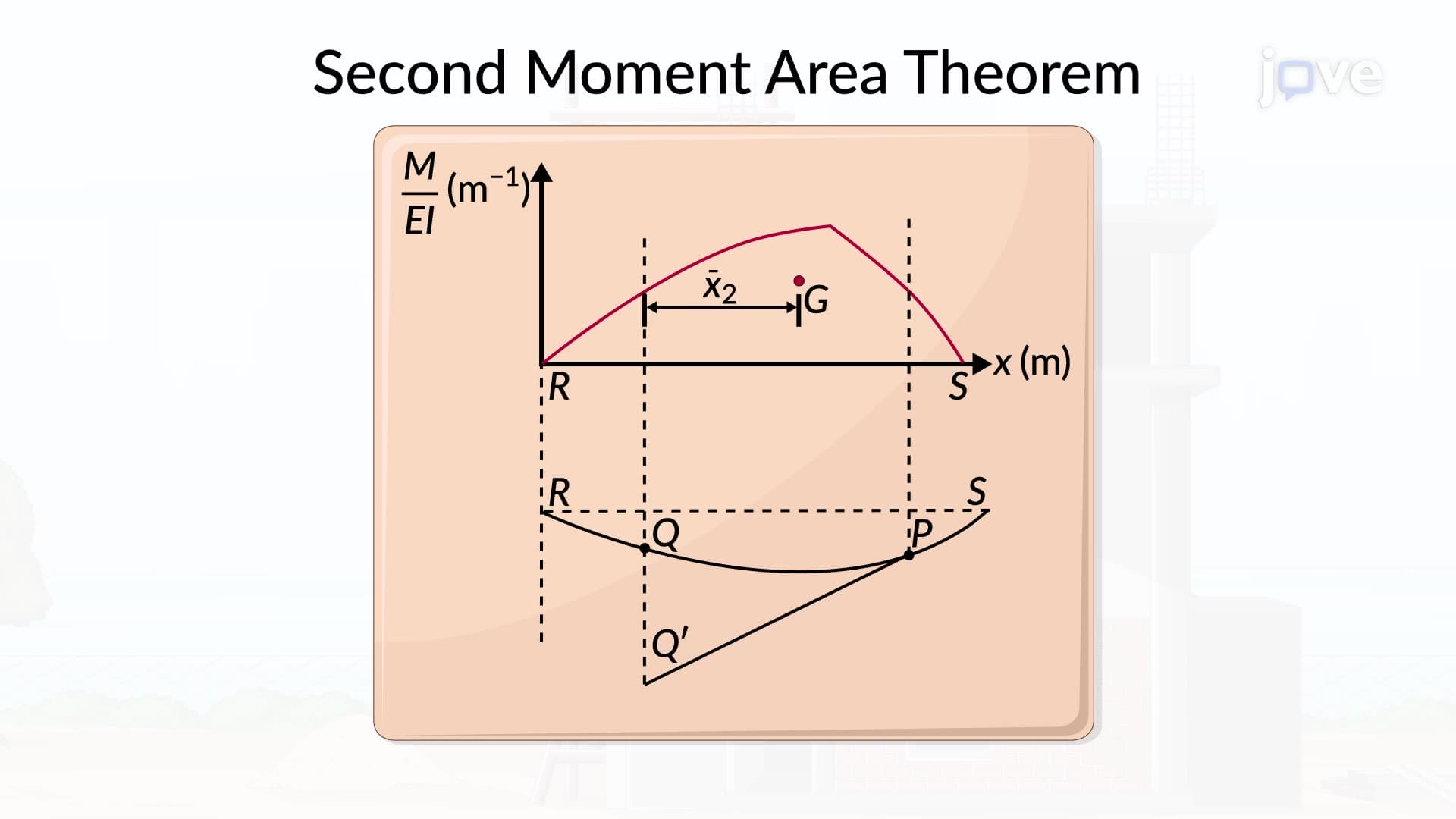
- Apply the second moment area theorem to determine tangential deviations from reference points
- Evaluate deflection patterns by calculating vertical distances from horizontal reference lines
- Recognize sign conventions for deflections and tangential deviations in unsymmetric loading scenarios
- Compare deflection methods using similar triangles and geometric segment relationships
- Explore practical applications in real-world structural engineering problems and design challenges
Understanding Beams with Unsymmetric Loadings Fundamentals
Beams with unsymmetric loadings represent one of the most challenging yet practical concepts in structural mechanics. Unlike symmetric loading where forces create predictable, mirror-image deflection patterns, unsymmetric loadings produce complex deformation behaviors that require sophisticated analysis techniques. These scenarios commonly occur in real-world structures like highway overpasses, where traffic loads concentrate on one side, or building frames experiencing lateral wind forces.
Reference Tangent Method and Slope Analysis
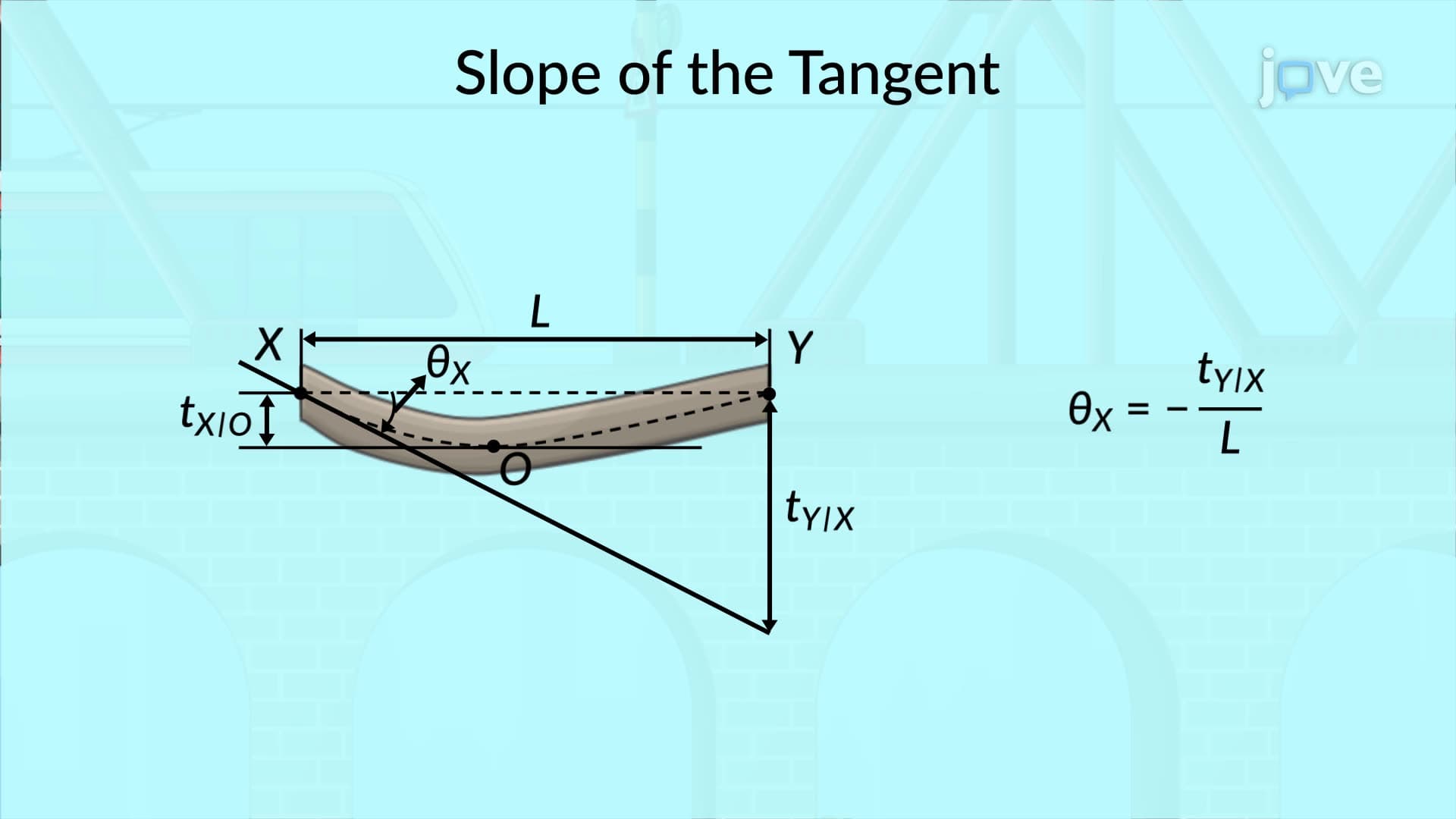
The foundation of analyzing beams with unsymmetric loadings lies in establishing a reference tangent with known slope characteristics. This reference line serves as the baseline for measuring all subsequent deformations and rotations. Engineers calculate the tangential shift between beam ends to determine this critical slope value, which becomes the anchor point for all deflection calculations.
Using the first moment area theorem, structural analysts can determine beam slopes at any location along the span. This theorem states that the change in slope between two points equals the area of the moment diagram divided by the flexural rigidity (EI). For AP Physics students and college engineering majors, mastering this relationship proves essential for solving complex beam problems on exams and in professional practice.
Beams With Unsymmetric Loadings Analysis Techniques
The beams with unsymmetric loadings concept extends beyond basic deflection calculations to include tangential deviation measurements. The second moment area theorem provides the mathematical framework for determining these deviations, calculating the vertical distance from any point to the established reference tangent. This measurement, known as tangential deviation, represents a crucial parameter in understanding how unsymmetric loads affect structural behavior.
Real-world applications include analyzing the Golden Gate Bridge's response to asymmetric wind loads or calculating deflections in cantilever sections of sports stadiums where seating creates uneven loading patterns. These practical examples demonstrate why understanding beams with unsymmetric loadings remains fundamental for structural engineers working on major infrastructure projects.
Deflection Calculations and Sign Conventions
Deflection analysis involves determining vertical distances from horizontal reference lines, requiring careful attention to established sign conventions. Engineers must distinguish between upward and downward deflections while accounting for the geometric relationships created by similar triangles in the deformed beam configuration. This mathematical precision becomes particularly important when designing structures with strict serviceability limits, such as hospital buildings or precision manufacturing facilities where excessive deflections could compromise functionality.
Frequently Asked Questions
Beams with unsymmetric loadings are structural elements subjected to forces that don't create mirror-image loading patterns about the beam's centerline. These create complex deflection and rotation patterns requiring advanced analysis methods using moment area theorems and reference tangent techniques. Understanding this concept is essential for analyzing real-world structures like bridges and buildings.
Unlike symmetric loadings that produce predictable, mirror-image deflections, unsymmetric loadings create irregular deformation patterns with varying slopes and deflections along the beam span. This complexity requires establishing reference tangents and using geometric relationships to solve for deflections. The analysis becomes significantly more challenging but represents most real-world loading scenarios.
Master static equilibrium, moment calculations, and basic beam theory from AP Physics C: Mechanics first. Strong algebra and trigonometry skills are essential for geometric relationships and similar triangle applications. Review centroids and area calculations as these appear frequently in moment area theorem problems on AP exams.
Typical exam problems involve calculating deflections at specific points, determining maximum deflection locations, and finding beam slopes using moment area theorems. Many universities test this concept through comprehensive beam analysis problems worth 15-25% of structural mechanics midterm grades. Practice with highway bridge and building frame examples commonly appears on exams.
Absolutely - the Fundamentals of Engineering exam includes multiple structural analysis problems involving unsymmetric loading scenarios. These problems typically account for 10-15% of the structural analysis section and often combine with material properties questions. Mastering this concept significantly improves FE exam performance for aspiring structural engineers.
The Statue of Liberty's internal framework experiences unsymmetric wind loads, while highway overpasses handle uneven traffic distributions creating complex loading patterns. Stadium cantilevers supporting upper-deck seating represent classic examples where concentrated loads create significant unsymmetric effects requiring precise deflection analysis for safe design.
While challenging, motivated high school students taking AP Physics C can grasp the fundamental concepts with proper preparation in static equilibrium and basic calculus. Start with symmetric loading problems, then gradually introduce unsymmetric cases. Many students successfully learn this material as preparation for engineering programs at universities like MIT and Stanford.
Practice drawing detailed free-body diagrams and moment diagrams before attempting deflection calculations. Work systematically through reference tangent establishment, then apply moment area theorems step-by-step. Create summary sheets of sign conventions and common geometric relationships. Solve at least 15-20 practice problems covering different loading scenarios to build confidence for exams.
Related Micro-courses


