Loading…
Loading video…

6,845 views
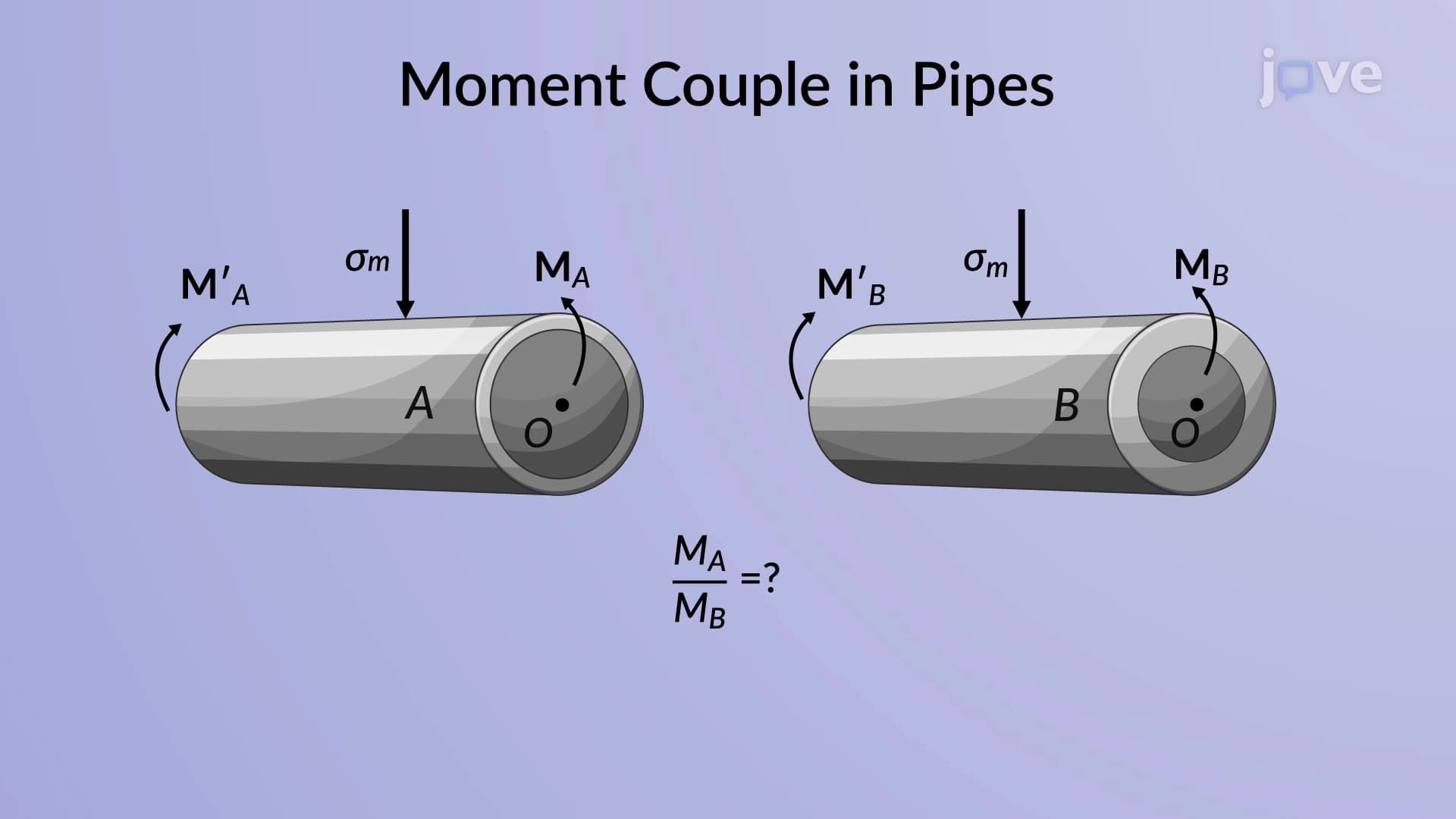
Ever wondered why bridge engineers choose specific pipe diameters for structural supports? Bending of material problem solving reveals how geometric properties determine a material's resistance to failure under stress. When metallic pipes with different inner and outer radii face identical maximum stress limits of 100 megapascals, their load-bearing capacities vary dramatically based on moment of inertia calculations. Consider the pipelines beneath cities like New York or Los Angeles—engineers must solve these exact problems to ensure infrastructure safety. Watch the full video on JoVE Coach to master this concept with expert-led visuals and step-by-step explanations.
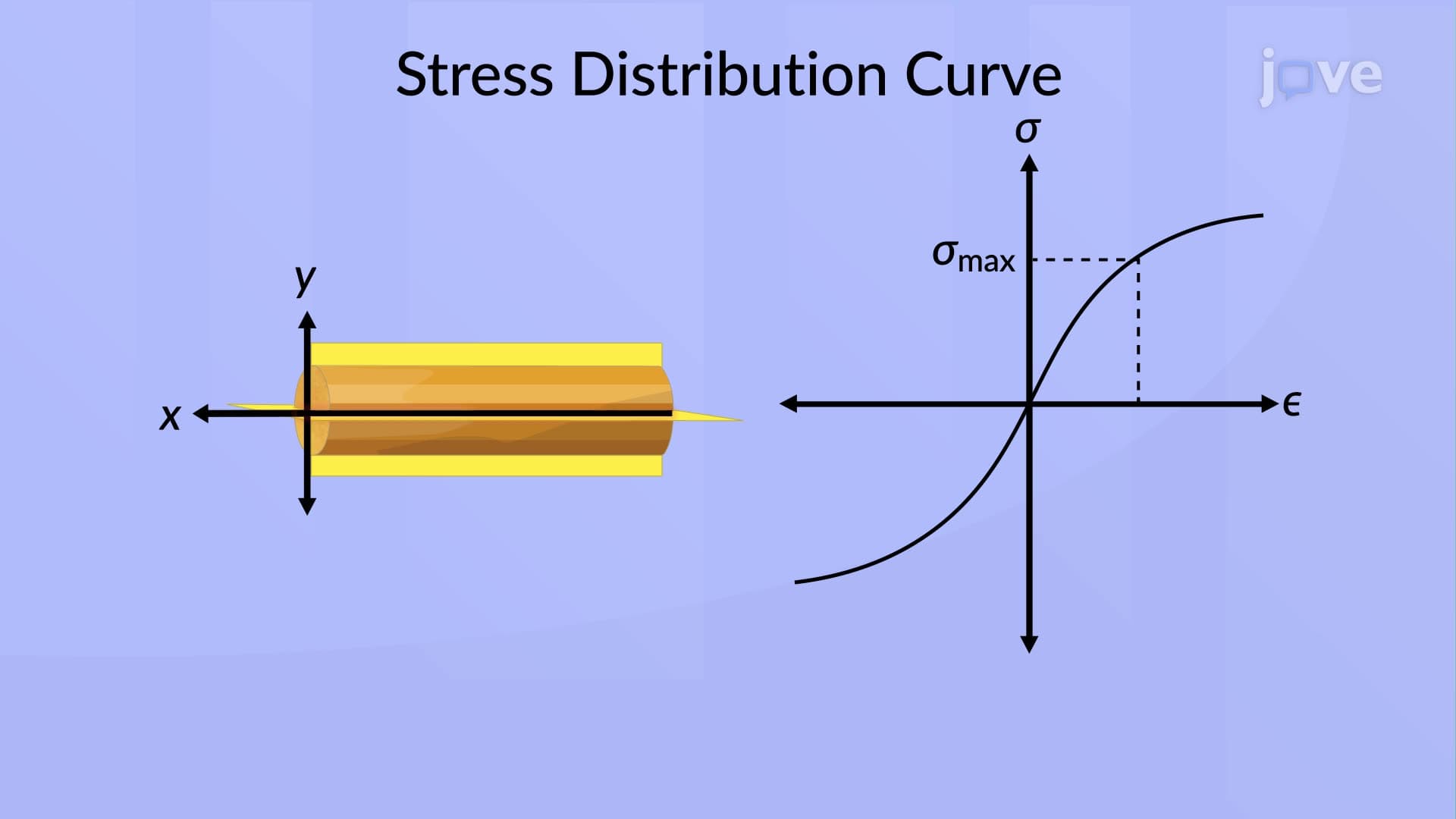
Bending of material problem solving forms the backbone of structural engineering analysis, helping engineers predict how materials behave under applied loads. When materials bend, internal stresses develop that vary across the cross-section, with maximum stress occurring at the outermost fibers. This concept is crucial for designing everything from aircraft wings to building beams, where failure could have catastrophic consequences.
The moment of inertia serves as a geometric property that quantifies a cross-section's resistance to bending. For hollow circular sections like pipes, this property depends on both outer and inner radii, following the formula I = π/4(R⁴ - r⁴), where R represents the outer radius and r the inner radius. This relationship explains why hollow structures often provide excellent strength-to-weight ratios—a principle exploited in aerospace and automotive industries.
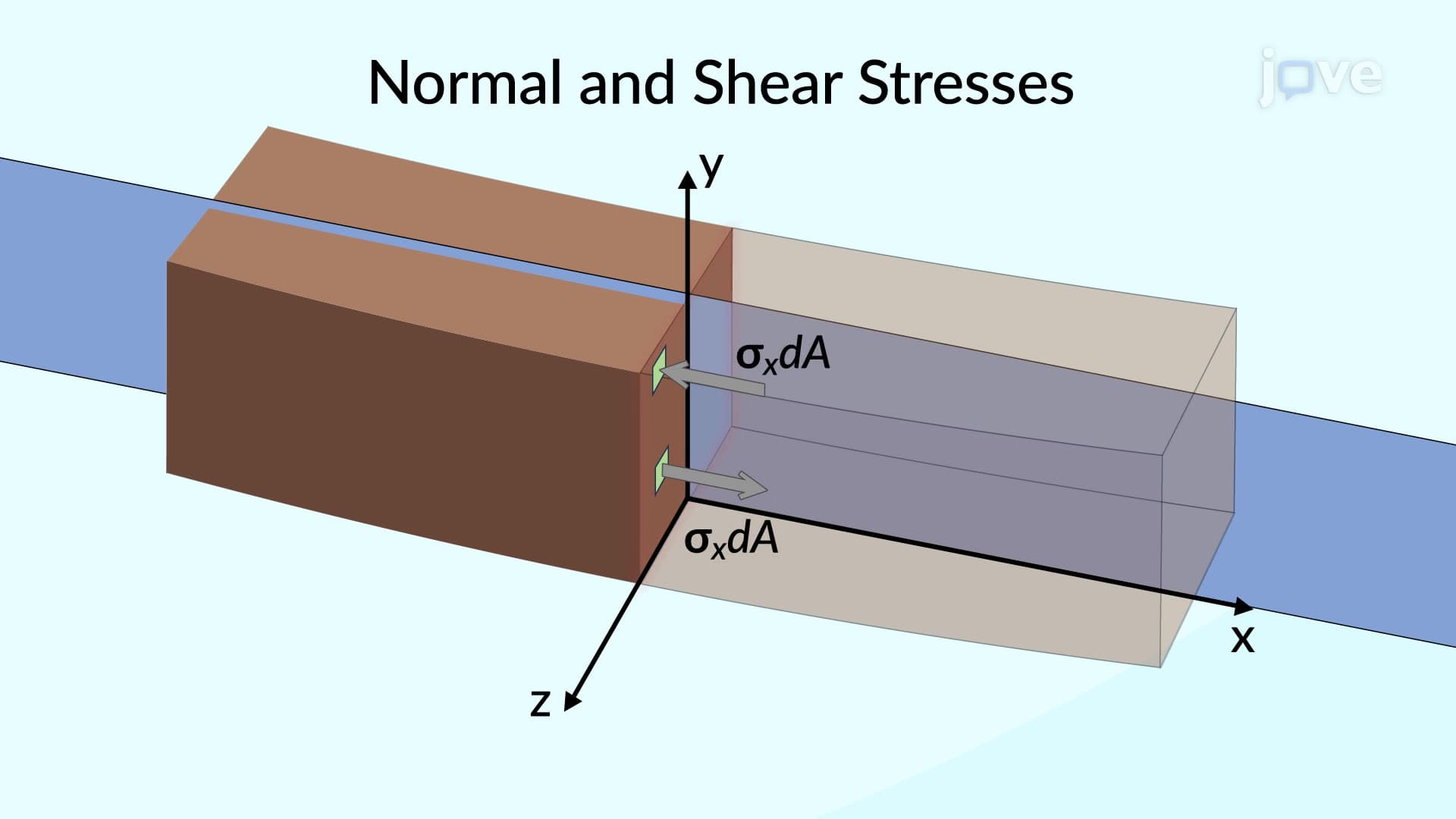
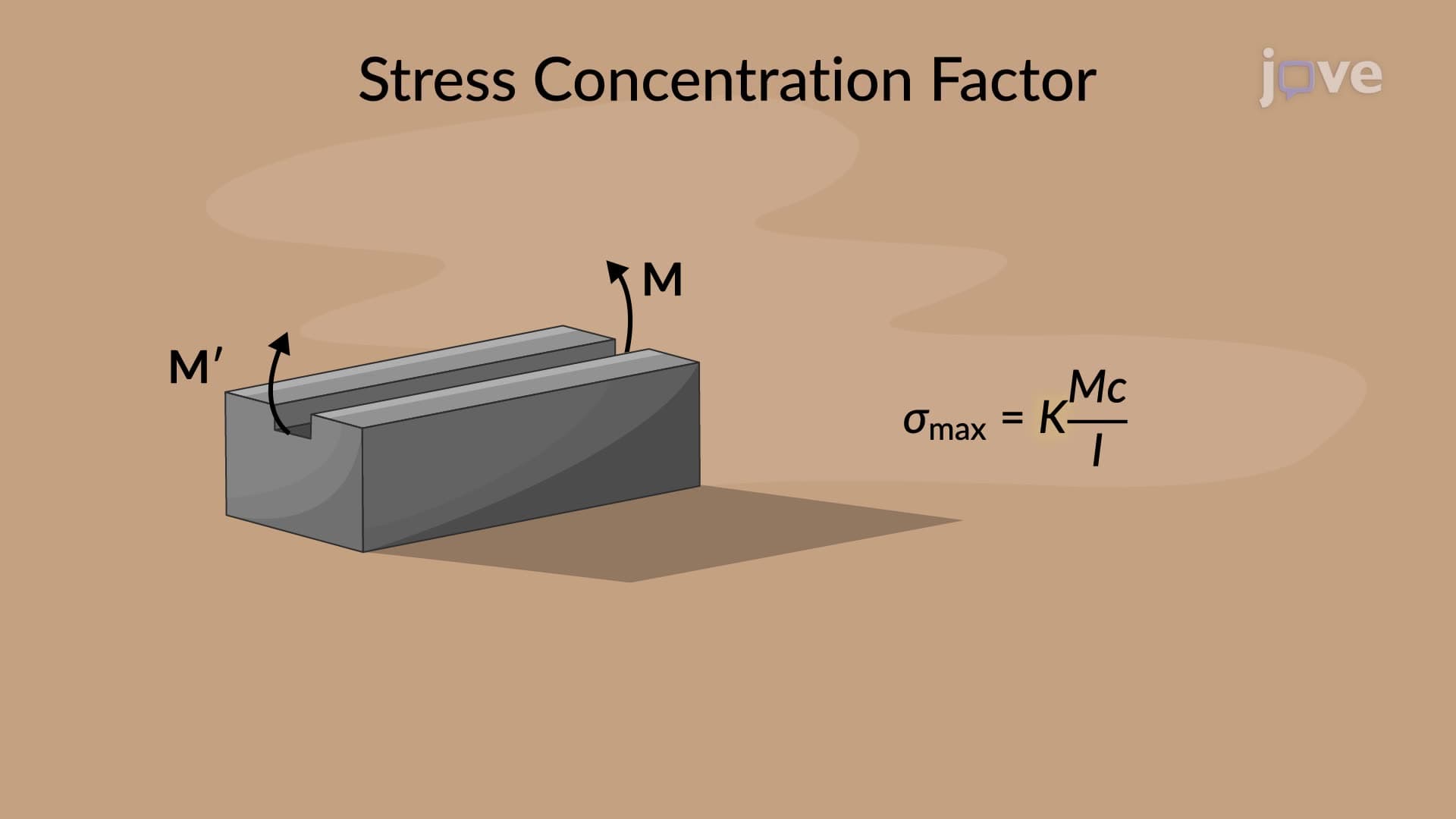
Maximum bending stress occurs at the material's outermost fiber, located at the outer radius from the neutral axis. The fundamental bending equation σ(max) = M × c / I connects maximum stress (σ), applied moment (M), distance to extreme fiber (c), and moment of inertia (I). This relationship allows engineers to determine safe loading limits for structural components.
When comparing pipes with different geometric properties, the ratio of their load-bearing capacities directly correlates to their moment of inertia values. A pipe with inner radius 1.5 cm and outer radius 1.8 cm has significantly different structural properties than one with inner radius 1.0 cm and the same outer radius, despite both having identical wall thickness variations.
These principles appear extensively in AP Physics courses, particularly when studying rotational mechanics and material properties. Students encounter similar problems in college-level mechanics of materials courses, where understanding stress distribution becomes essential for engineering majors. The MCAT often includes questions testing these relationships in biological contexts, such as bone loading analysis.
Professional engineers apply these concepts daily when designing pipeline systems for oil and gas transportation, structural supports for buildings, and components for manufacturing equipment. The ability to optimize material usage while maintaining safety margins directly impacts project costs and structural reliability across industries.
Frequently Asked Questions
Bending of material problem solving is the analytical process of determining how materials respond to bending forces and calculating their safe loading limits. It's essential because it prevents structural failures in everything from bridges to aircraft components. Engineers use these principles to optimize designs, ensuring safety while minimizing material costs and weight.
AP Physics C often includes bending stress problems in rotational mechanics sections, typically worth 10-15 points on free-response questions. College mechanics of materials courses feature these calculations prominently on midterms and finals. Students should expect problems involving hollow and solid cross-sections, stress distribution diagrams, and safety factor calculations.
Yes, the MCAT includes bending mechanics in its physics section, particularly when analyzing biological structures like bones under load. These questions typically appear as passage-based problems worth 4-6 points total. Understanding stress-strain relationships and structural properties helps with questions about skeletal system mechanics and material failure.
Engineers apply bending analysis to size beams, columns, and supports in structures like the Golden Gate Bridge or Empire State Building. They calculate maximum expected loads, apply safety factors, and select materials with appropriate moment of inertia values. This ensures structures can withstand wind loads, earthquakes, and daily use without failure.
Not at all! The core concepts use algebra and basic geometry that high school students handle easily. While professional applications involve more variables, the fundamental relationships between force, geometry, and stress remain straightforward. Students who understand area calculations and basic physics can master these principles.
Practice identifying cross-sectional properties first, then work through moment of inertia calculations systematically. Create a formula sheet with key equations and practice drawing stress distribution diagrams. Focus on understanding the physical meaning behind each variable rather than memorizing formulas blindly.
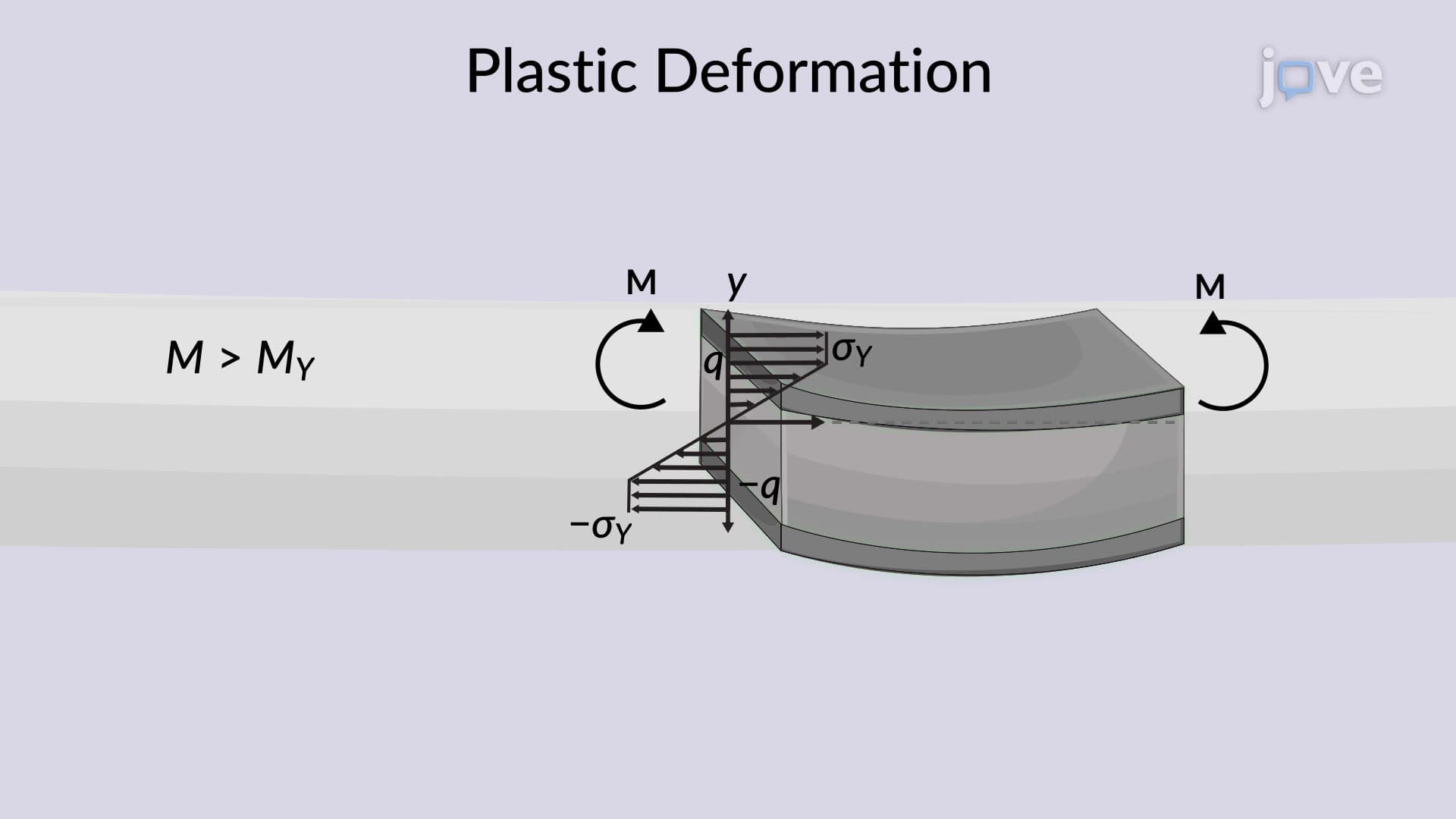
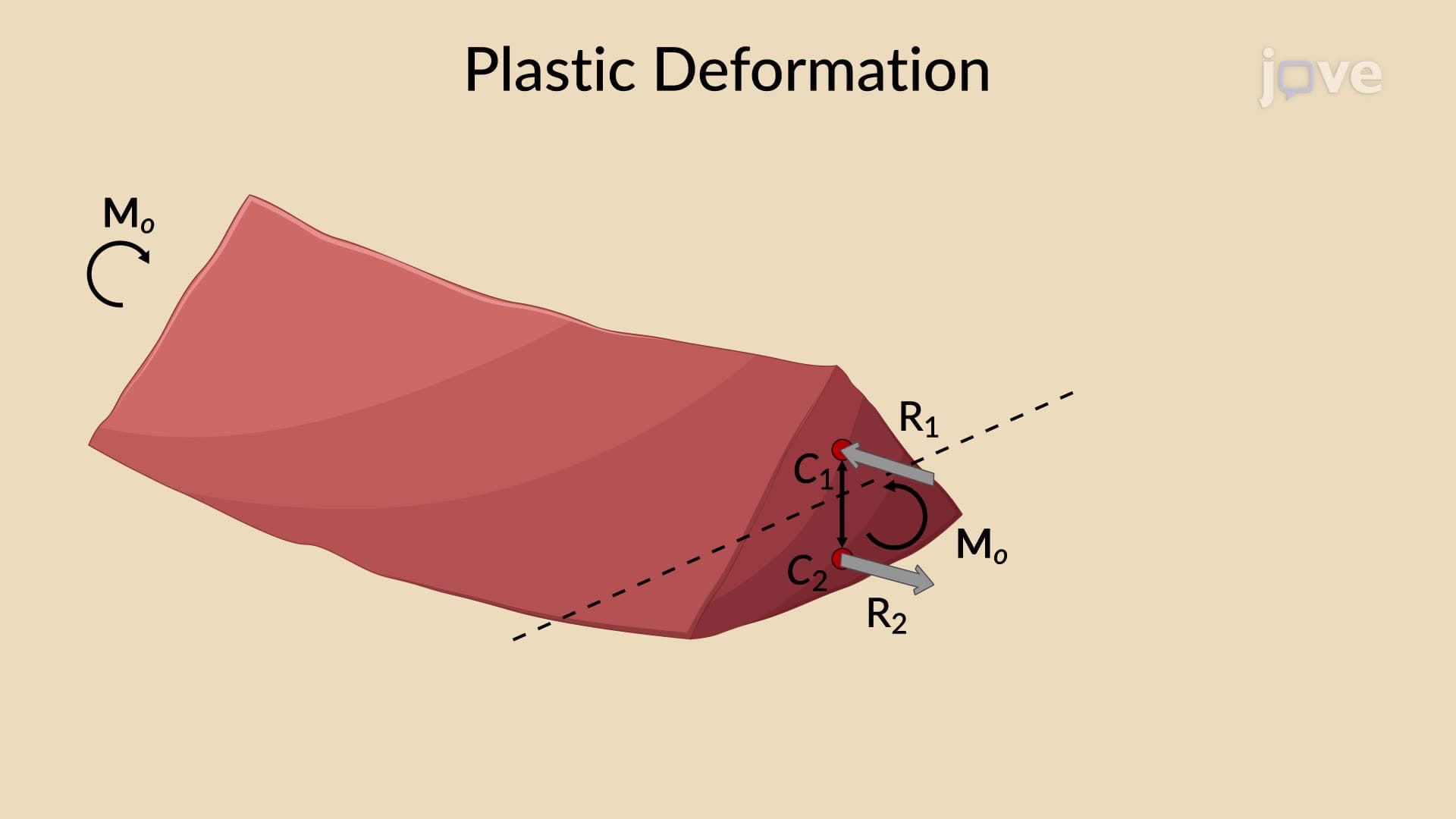
Consider exploring beam deflection calculations, combined loading scenarios, and fatigue analysis. Advanced courses cover topics like plastic bending, composite materials, and dynamic loading. These concepts build naturally from basic bending principles and appear in mechanical engineering, civil engineering, and materials science programs.
Related Micro-courses
Related Subjects
 Civil Engineering 30 micro-courses›Electrical Engineering 33 micro-courses›