Loading…
Loading video…

6,845 views
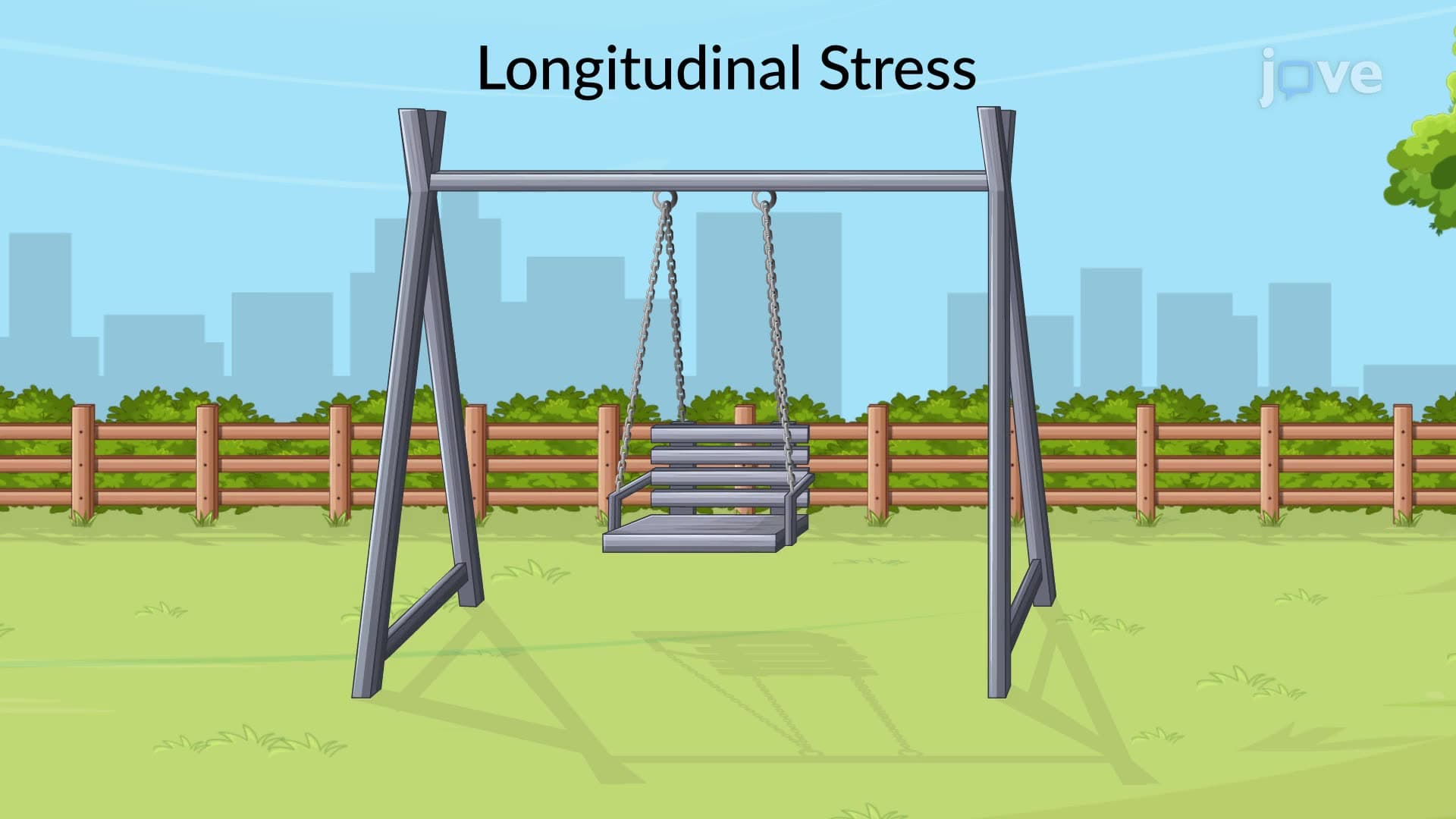
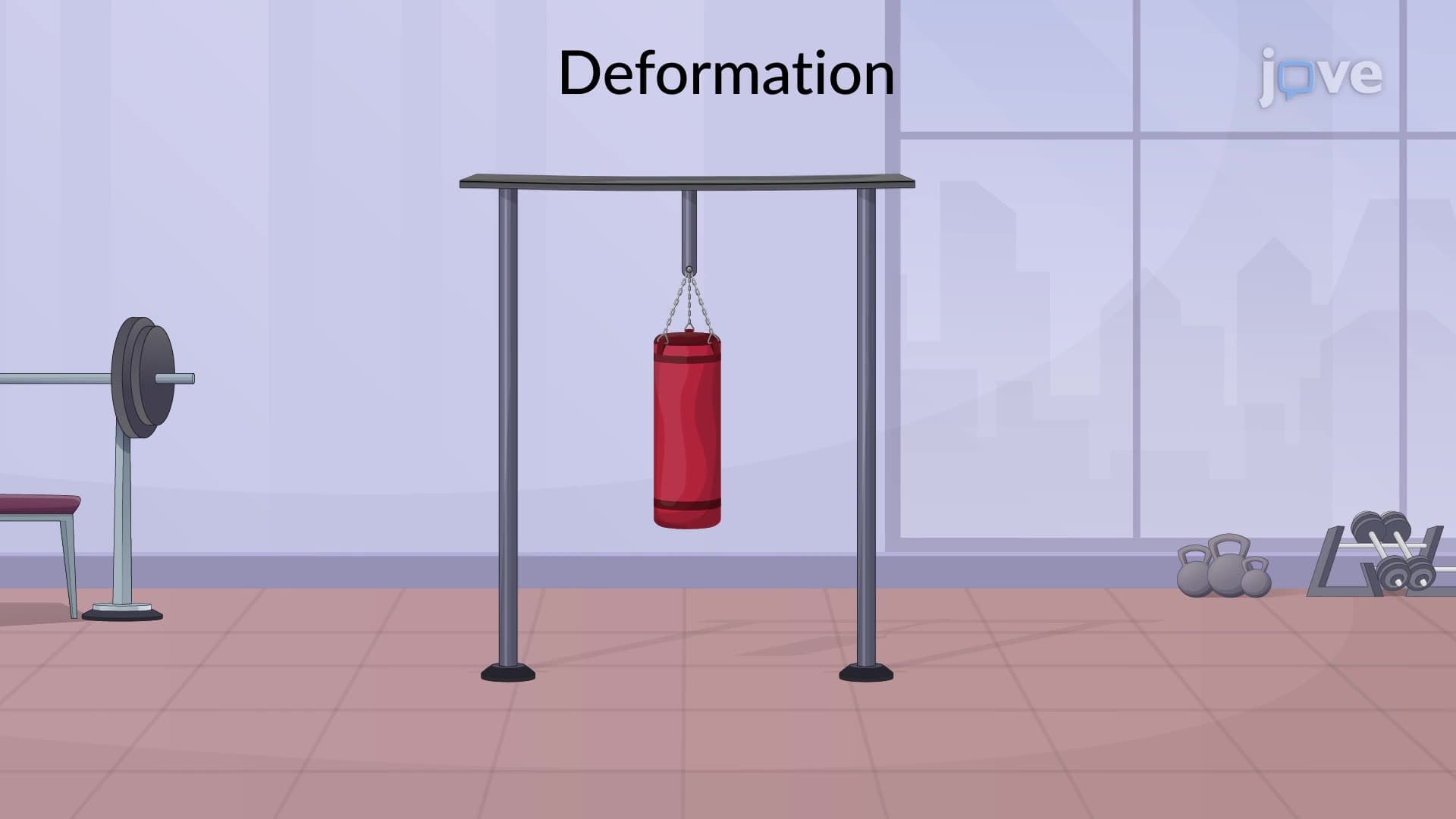
Ever wonder why a diving board springs back perfectly after a gymnast's leap, but a wooden plank might snap under too much weight? Flexural stress determines whether materials like the steel beams in San Francisco's Golden Gate Bridge can handle bending forces without failing. This fundamental engineering concept explains how stress distributes through cross-sections when materials bend, helping engineers design everything from skyscraper frameworks to aircraft wings. Watch the full video on JoVE Coach to master this concept with expert-led visuals and step-by-step explanations.
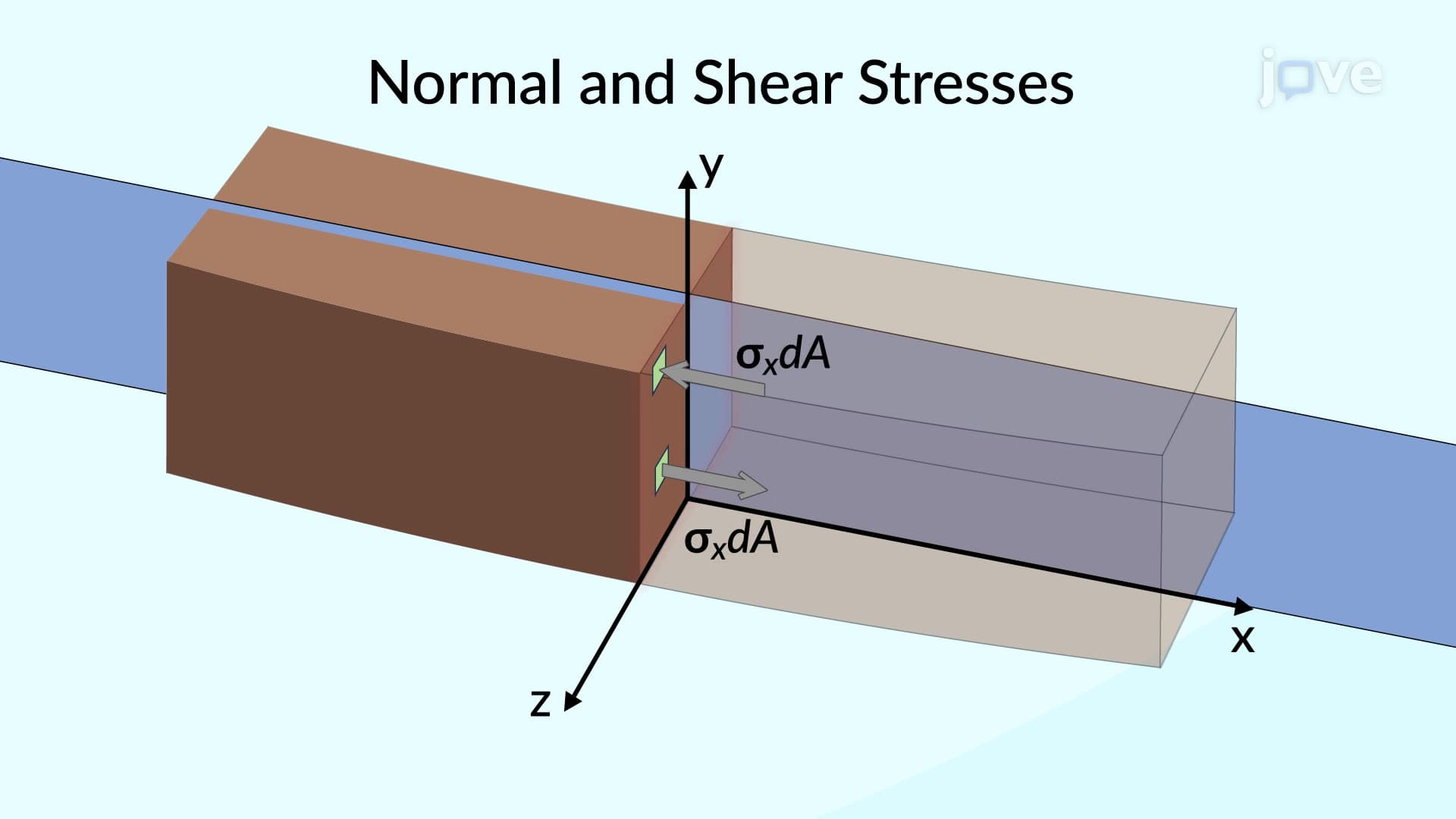
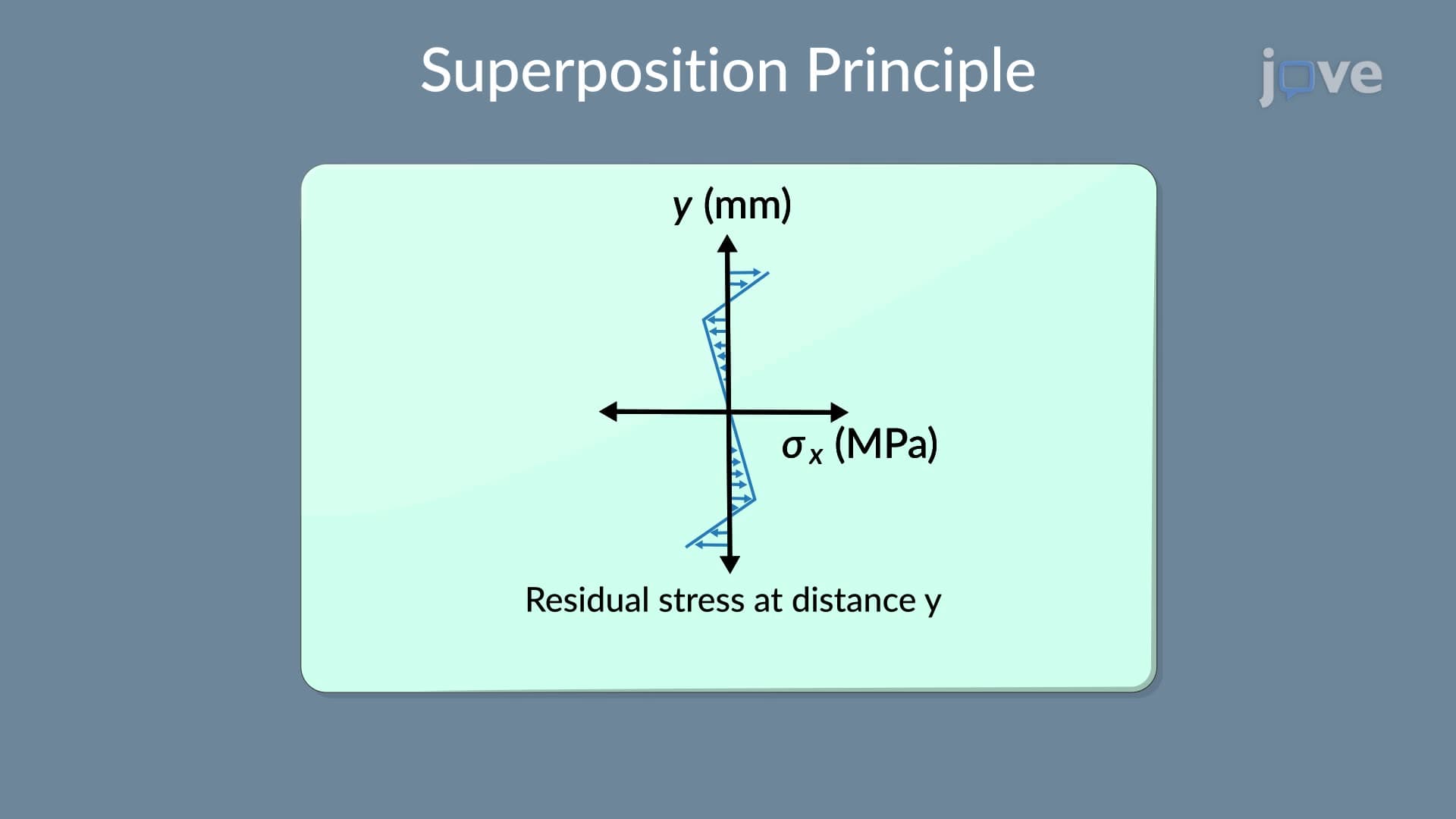
Flexural stress represents the normal stress that develops in materials when they bend under applied loads. Unlike simple tension or compression, flexural stress varies across a material's cross-section, creating a linear distribution pattern that's crucial for engineering analysis. This concept forms the foundation for designing safe structures, from residential floor joists to massive suspension bridge cables.
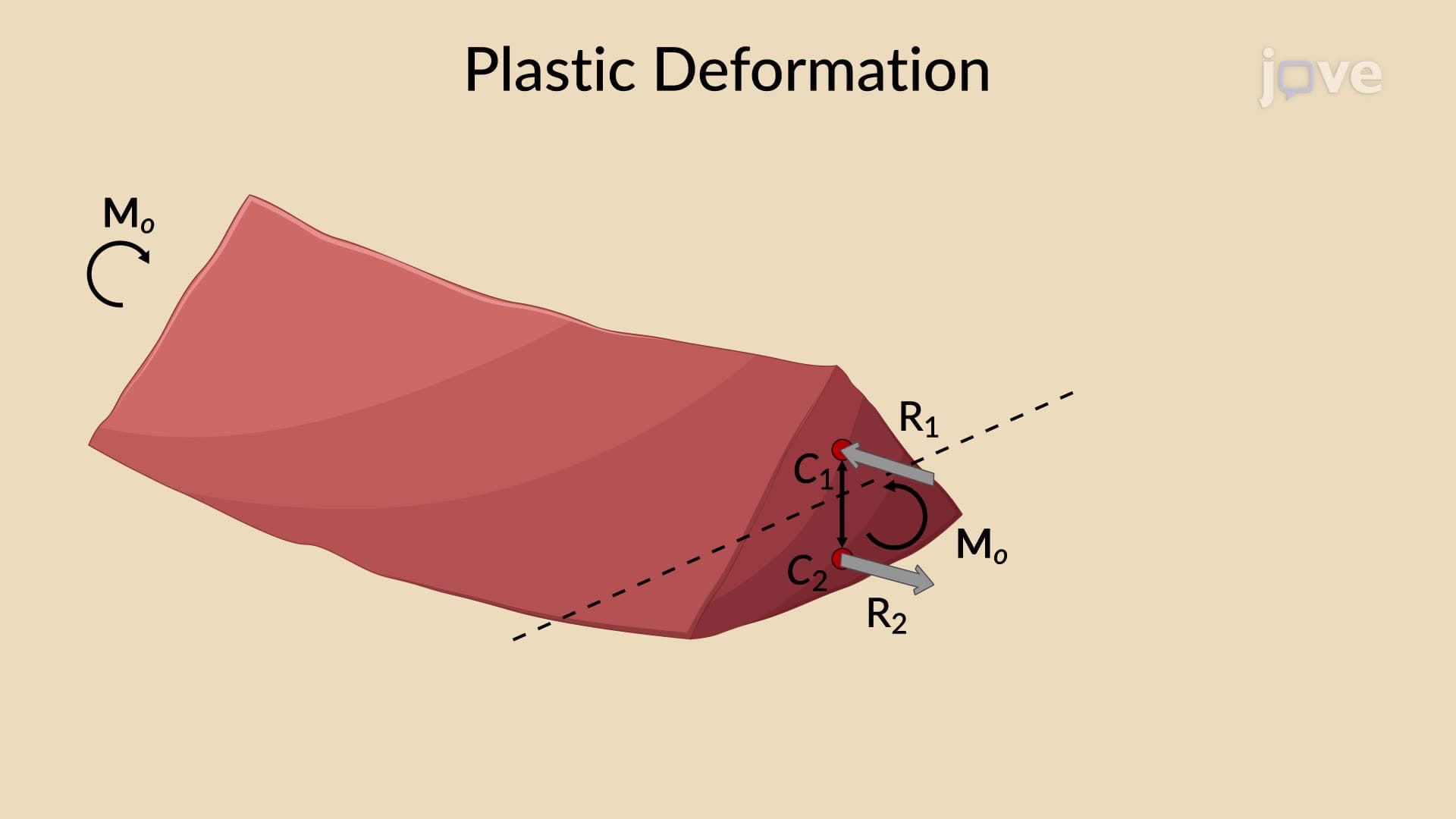
When materials bend, they experience both compression and tension simultaneously. The top surface might compress while the bottom stretches, or vice versa, depending on loading direction. Between these extremes lies the neutral axis—a zone experiencing zero stress that passes through the cross-section's centroid when materials remain within elastic limits.
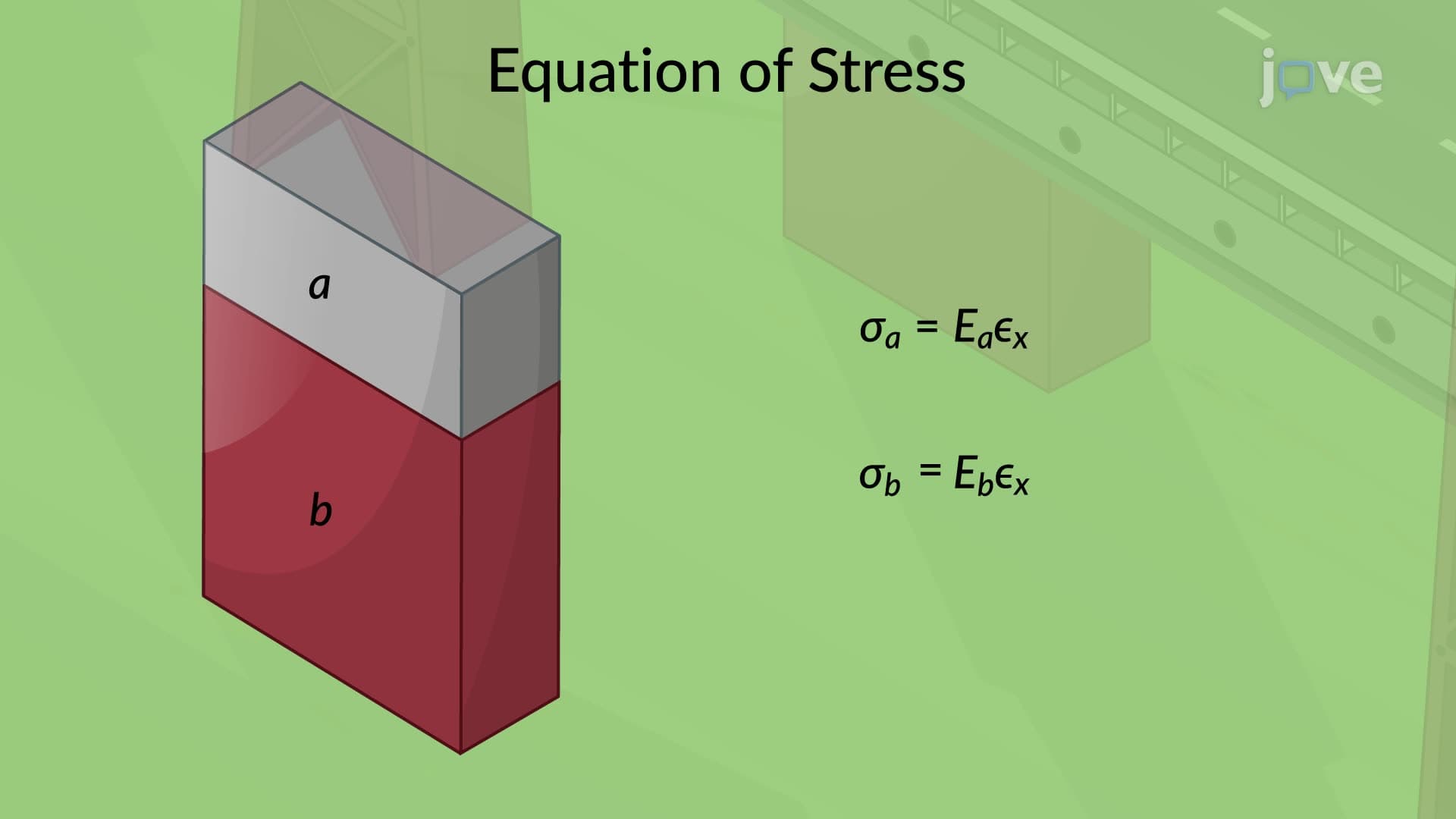
The elastic flexure formula provides engineers with a precise method for calculating flexural stress at any point within a bent member. This formula, σ = (M × y) / I, relates bending moment (M), distance from neutral axis (y), and moment of inertia (I) to determine stress magnitude.
Students preparing for AP Physics or college-level Statics courses frequently encounter this relationship. The formula's beauty lies in its linear relationship—stress increases proportionally with distance from the neutral axis. Maximum stress occurs at the furthest points from neutral surfaces, making these locations critical for failure analysis.
American infrastructure depends heavily on flexural stress calculations. The Pentagon's renovation required extensive flexural analysis to ensure existing steel beams could support additional loads. Similarly, NASA's Space Launch System relies on precise flexural calculations for rocket structural components that must withstand enormous bending forces during launch.
Construction professionals use flexural stress principles when designing residential structures. California's seismic building codes specifically require flexural analysis for moment-resisting frames that protect buildings during earthquakes. These calculations ensure structures can bend without breaking under dynamic loads.
College engineering exams frequently test flexural stress through beam analysis problems. Students typically encounter scenarios involving cantilever beams, simply supported beams, or continuous spans. MIT's introductory mechanics courses emphasize graphical solutions alongside mathematical calculations, helping students visualize stress distributions.
Success requires understanding that maximum flexural stress doesn't always occur where maximum bending moment exists—cross-sectional geometry matters equally. I-beams concentrate material far from neutral axes, maximizing resistance to flexural stress while minimizing weight.
Frequently Asked Questions
Flexural stress is the internal stress that develops when materials bend, varying linearly from maximum compression on one side to maximum tension on the other. It's the reason why rulers snap when bent too far—the outer fibers experience stress beyond the material's capacity. Engineers use flexural stress calculations to prevent structural failures in buildings, bridges, and mechanical components.
MCAT physics sections often include flexural stress in biomechanics contexts, such as bone loading during movement. Engineering exams like the FE (Fundamentals of Engineering) test flexural stress through beam analysis problems requiring stress calculations at specific cross-sectional locations. Students must apply the elastic flexure formula and understand stress distribution patterns.
Mechanical Engineering programs introduce flexural stress in Statics and Mechanics of Materials courses, typically during sophomore year. Civil Engineering students encounter it in Structural Analysis classes. Physics majors often see flexural stress applications in Advanced Mechanics or Materials Physics courses, usually as junior-level coursework.
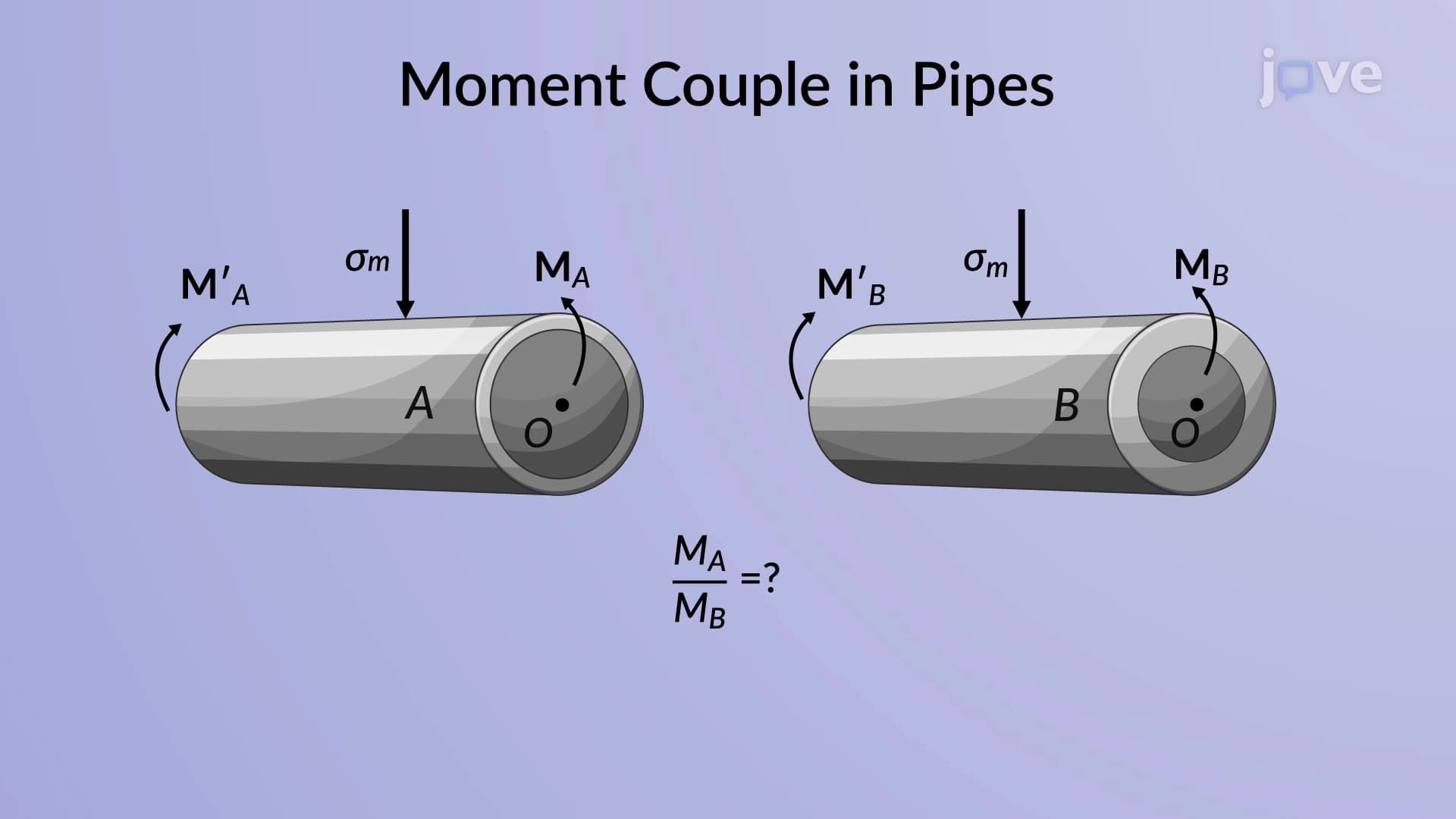
I-beams concentrate material far from the neutral axis, maximizing the moment of inertia while minimizing weight. This geometry places more material where flexural stress is highest, providing greater resistance to bending. That's why skyscrapers like Chicago's Willis Tower use I-beam construction—maximum strength with efficient material usage.
Basic flexural stress problems only require algebra and understanding of the elastic flexure formula. However, deriving the formula and solving complex loading scenarios requires calculus integration skills. High school students can grasp fundamental concepts, while college-level analysis demands stronger mathematical foundations including differential equations for advanced beam problems.
Practice drawing stress distribution diagrams and identifying maximum stress locations before applying formulas. Create a formula sheet including the elastic flexure equation and common moment of inertia values for standard shapes. Work through problems involving different beam types—cantilever, simply supported, and continuous spans—to build pattern recognition skills.
Flexural stress foundations lead naturally to advanced topics like combined loading, fatigue analysis, and structural design codes. It connects with materials science through yield strength and factor of safety concepts. Students often progress to studying deflection calculations, dynamic loading, and finite element analysis methods used in modern engineering software.
Structural engineers designing buildings and bridges use flexural stress daily, as do aerospace engineers creating aircraft components. Mechanical engineers developing automotive frames and manufacturing equipment rely on these calculations. Even biomedical engineers apply flexural principles when designing prosthetics and medical devices that must withstand bending forces safely.
Related Micro-courses
Related Subjects
 Civil Engineering 30 micro-courses›Electrical Engineering 33 micro-courses›