Loading…
Loading video…

6,845 views
Ever wondered why a bent paper clip doesn't return to its original shape? Plastic deformations occur when materials like steel beams in US skyscrapers experience stresses beyond their yield strength, causing permanent changes that don't reverse when the load is removed. Understanding what is plastic deformations helps explain why the Golden Gate Bridge's cables maintain their shape under massive loads while remaining functional for decades. Watch the full video on JoVE Coach to master this concept with expert-led visuals and step-by-step explanations.
Plastic deformations represent a fundamental shift in material behavior that occurs when applied stresses exceed a material's yield strength. Unlike elastic deformations where materials return to their original shape after load removal, plastic deformations create permanent changes in the material's structure. This concept is crucial for students preparing for AP Physics, engineering coursework, and standardized tests like the SAT Subject Tests.
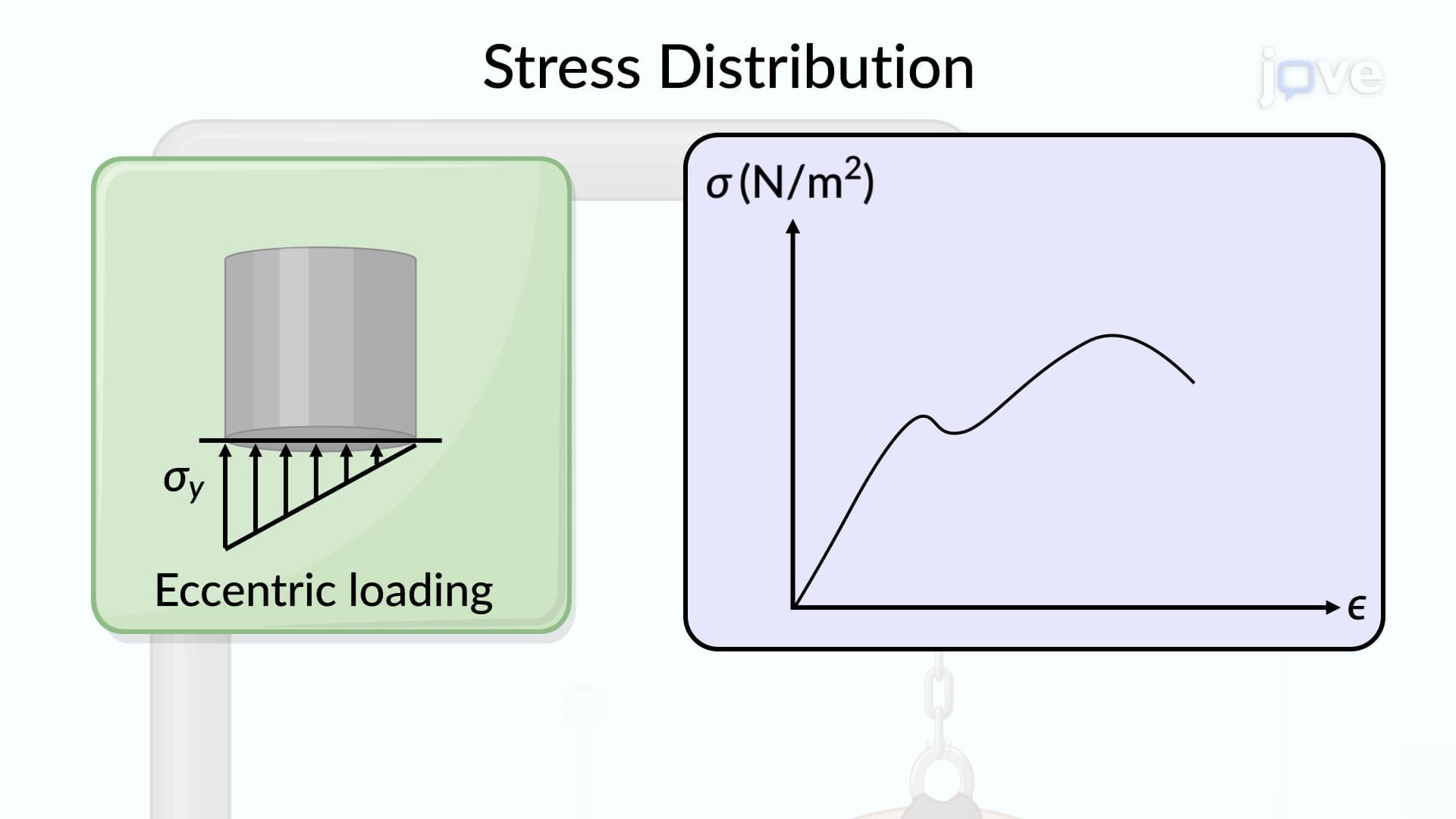
When maximum stress in a structural member exceeds the material's yield strength, the transition from elastic to plastic behavior begins. This threshold represents the point where atomic bonds within the material start to permanently reorganize. In practical applications, engineers designing US infrastructure like the Interstate Highway System must account for this transition to prevent catastrophic failures. The yield strength varies significantly among materials – structural steel typically yields around 36,000-50,000 psi, while aluminum alloys yield at approximately 35,000 psi.
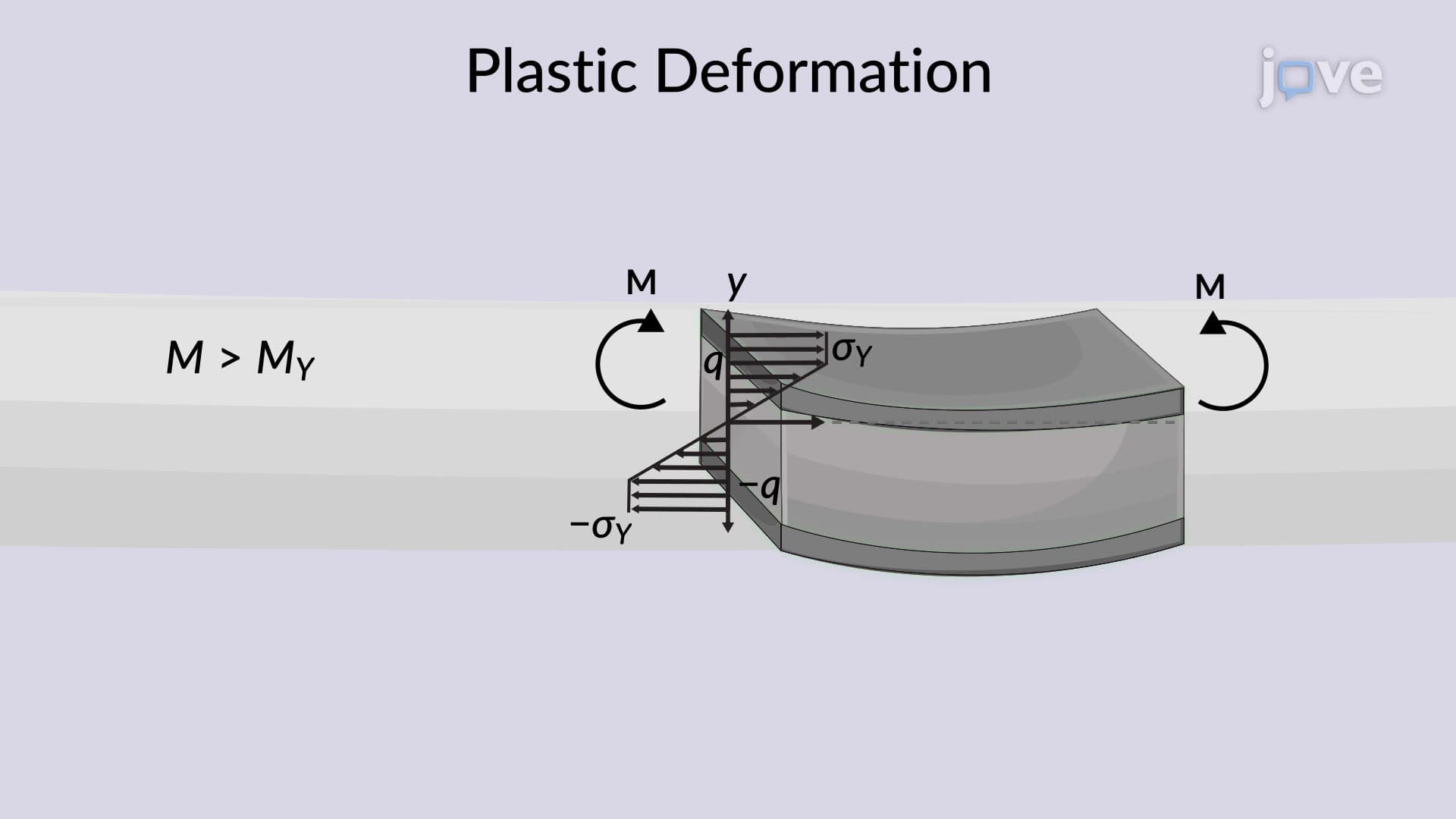
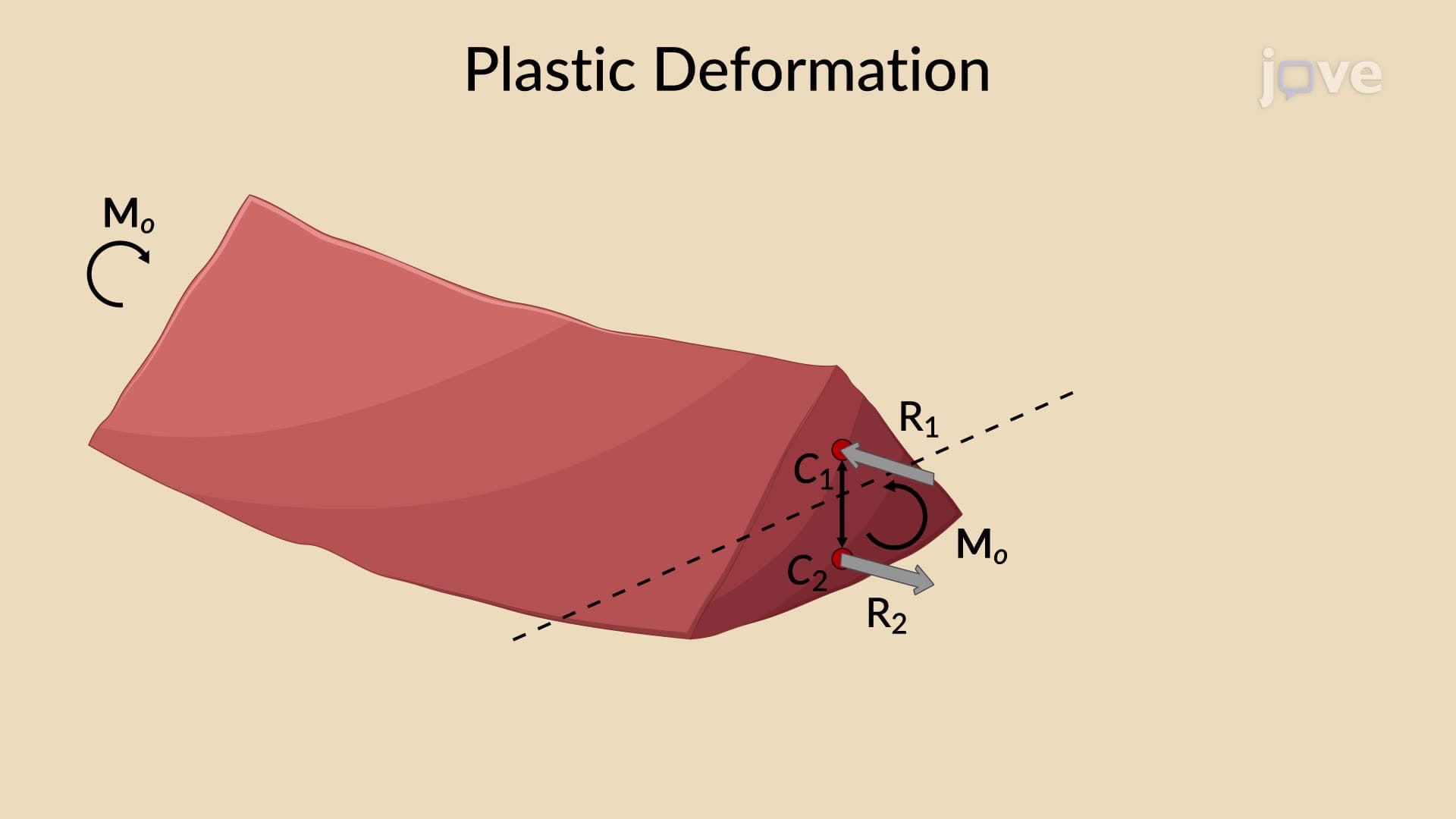
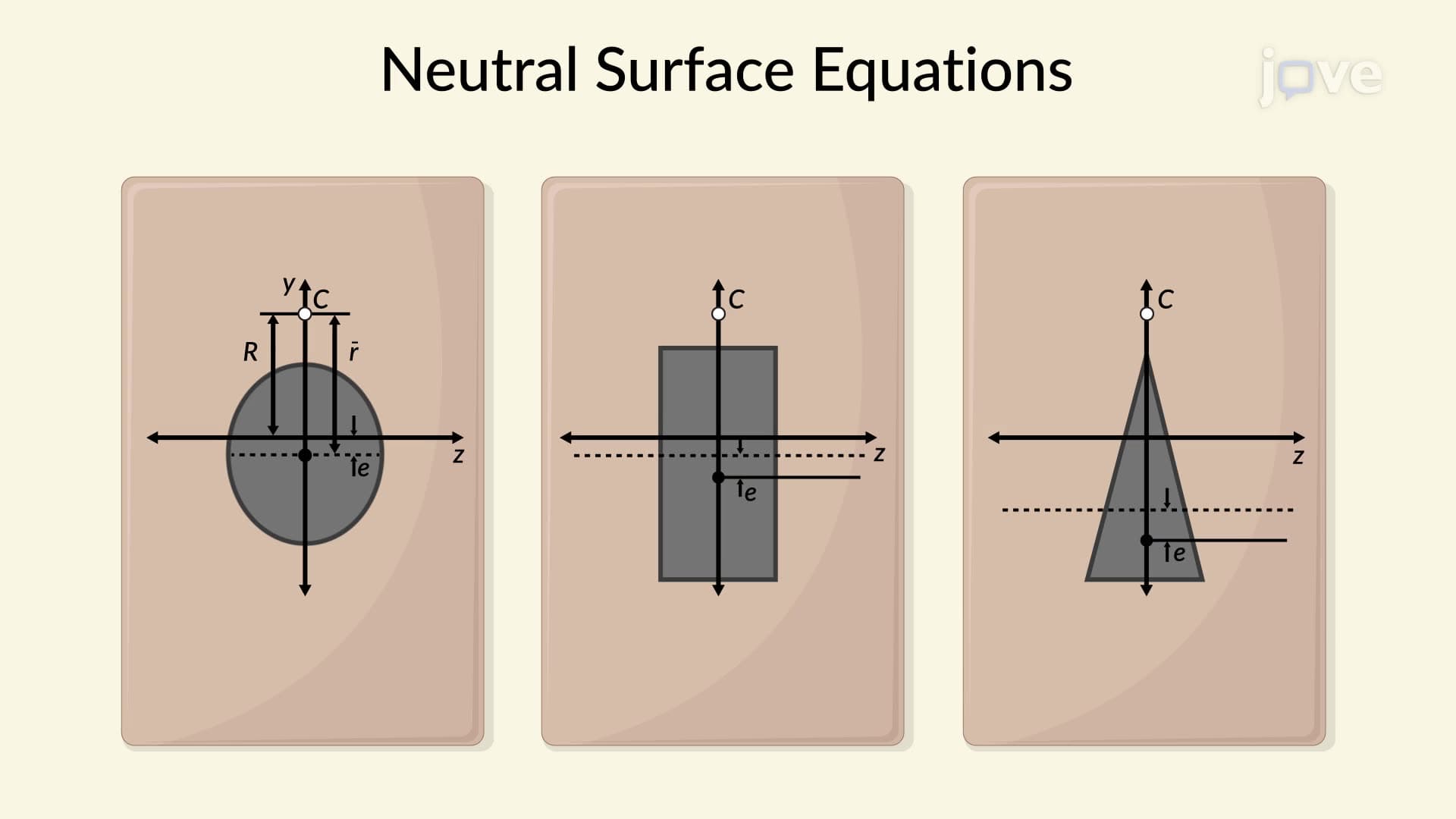
During plastic bending, the neutral axis location becomes more complex than in elastic analysis. While elastic theory places the neutral axis at the centroid, plastic deformations can shift this axis depending on the stress-strain relationship and loading conditions. For members with both vertical and horizontal planes of symmetry and identical tension-compression properties, the neutral axis coincides with the horizontal symmetry axis. However, materials with different tension and compression characteristics require iterative methods to determine the actual neutral axis position.
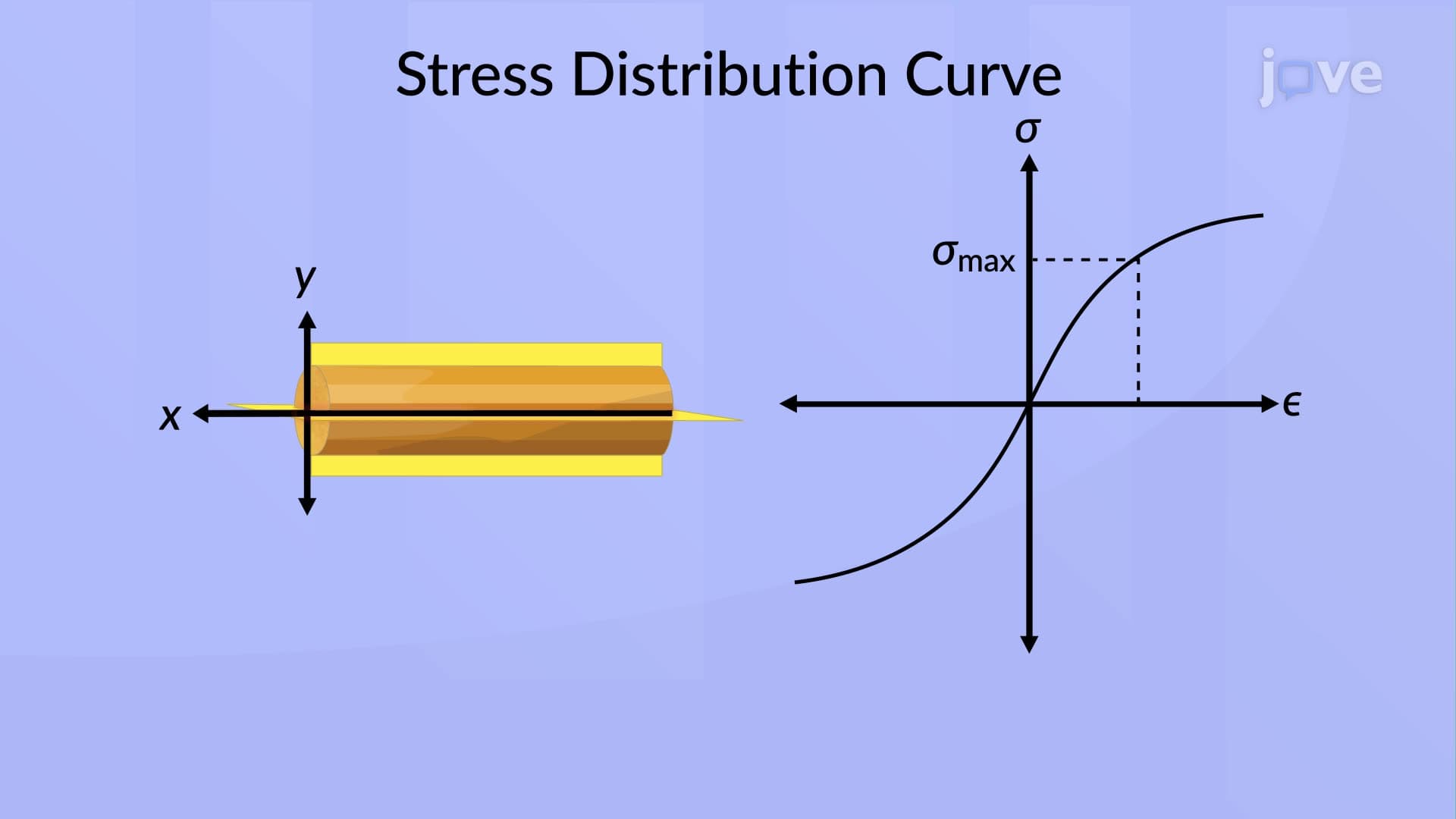
The stress distribution in plastically deformed members differs dramatically from the linear distribution seen in elastic behavior. Instead of a triangular stress pattern, plastic deformation creates a more rectangular distribution approaching the material's ultimate strength. This understanding helps structural engineers calculate the modulus of rupture – the maximum stress corresponding to the ultimate bending moment that causes failure. These calculations are essential for designing safe structures and appear frequently in college-level mechanics of materials courses and the Fundamentals of Engineering (FE) exam.
Frequently Asked Questions
Plastic deformations are permanent changes in a material's shape that occur when stress exceeds the yield strength. Unlike elastic deformations, these changes don't reverse when the load is removed. Think of bending a paper clip – once bent beyond a certain point, it stays bent permanently.
AP Physics C and college mechanics courses frequently test stress-strain relationships, yield point identification, and elastic versus plastic behavior comparisons. Students must recognize stress-strain diagrams, calculate yield strengths, and solve problems involving permanent deformation in structural members.
Elastic deformations are temporary and reversible when loads are removed, following Hooke's Law with linear stress-strain relationships. Plastic deformations are permanent, occurring beyond the yield point, and don't follow linear relationships. SAT Subject Tests and AP exams often present stress-strain graphs requiring this distinction.
Plastic deformation principles guide the design of earthquake-resistant buildings in California, where controlled plastic behavior in steel frames absorbs seismic energy. Bridge engineers also use plastic analysis for designing connections that can handle extreme loads while maintaining structural integrity.
Basic algebra and graphing skills suffice for introductory plastic deformation concepts. Advanced applications require calculus for stress integration and iterative methods, but high school students can grasp fundamental principles using stress-strain diagrams and yield strength comparisons without complex mathematics.
Focus on stress-strain diagrams, memorize common yield strengths for steel and aluminum, practice identifying elastic-plastic transition points, and work through beam bending problems. Create comparison charts between elastic and plastic behavior, and solve problems involving neutral axis calculations.
Advanced topics include fatigue analysis, fracture mechanics, and plastic design methods for steel structures. These concepts build directly on plastic deformation principles and appear in upper-level structural engineering courses and professional engineering licensure exams.
Related Micro-courses
Related Subjects
 Civil Engineering 30 micro-courses›Electrical Engineering 33 micro-courses›