Loading subject page…

- Mechanical Engineering
- Bending
- Bending of Curved Members - Strain Analysis
Micro-course: Bending
6,847 views
Learn key concepts and earn your certificate.

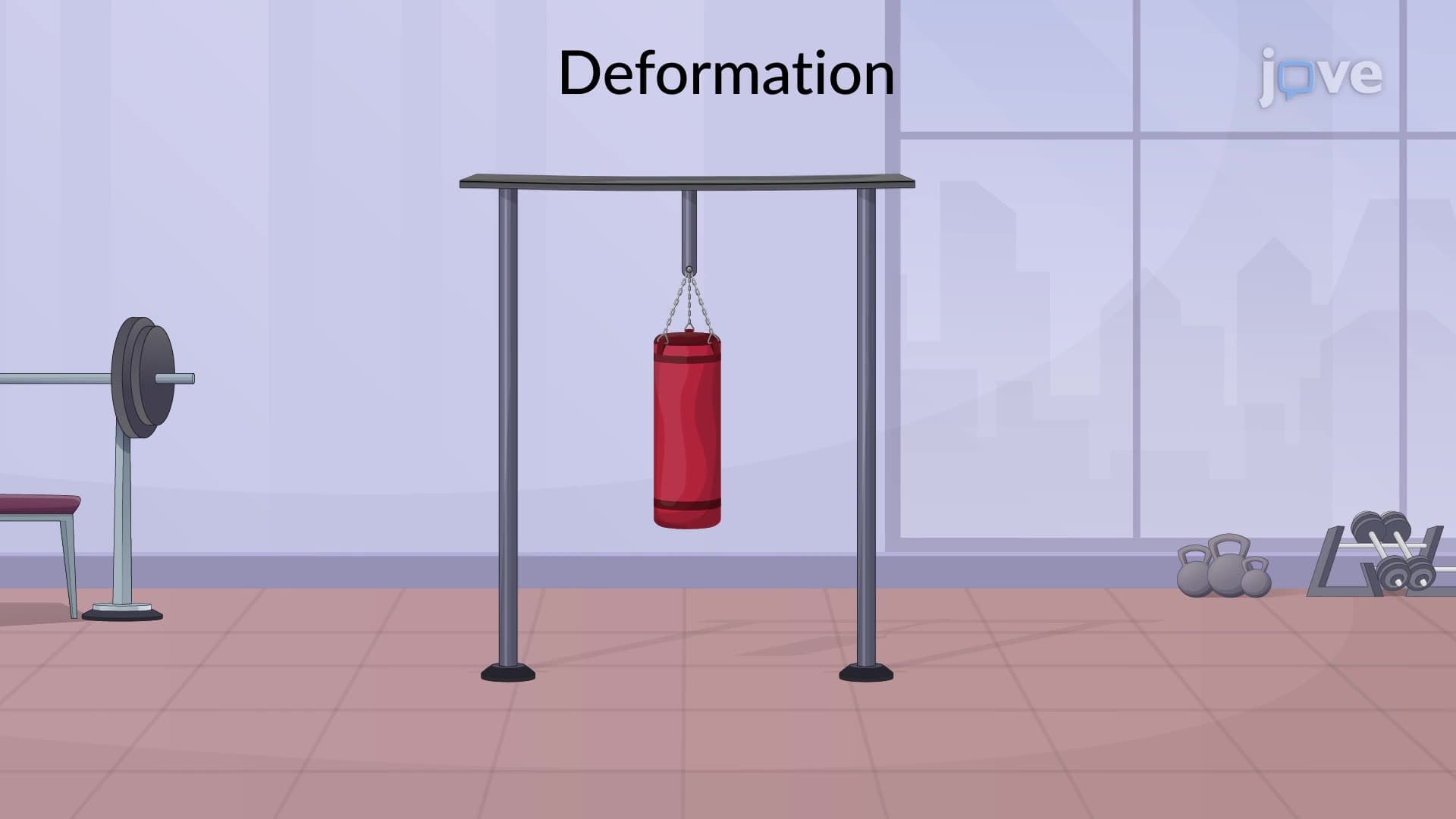
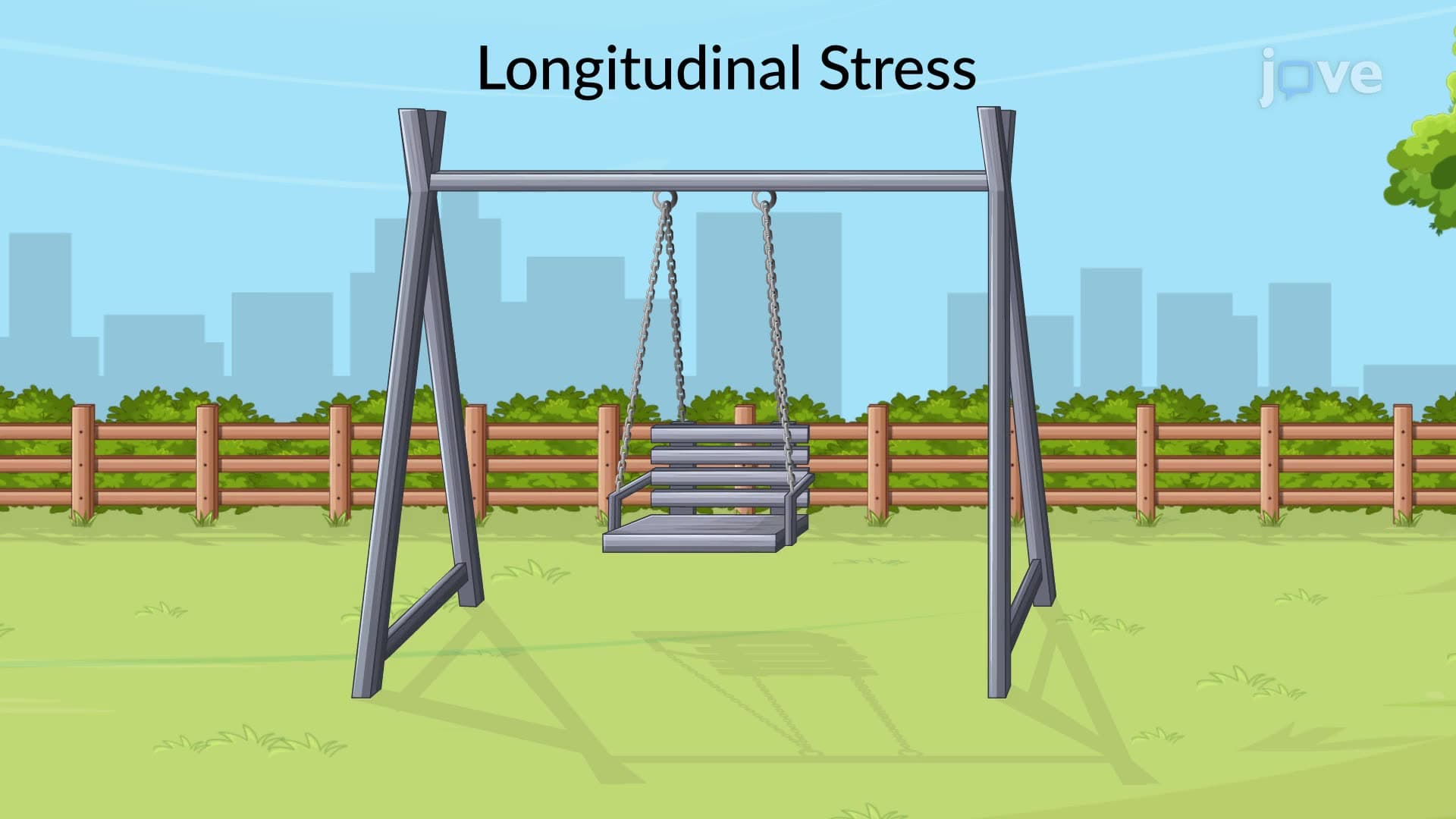
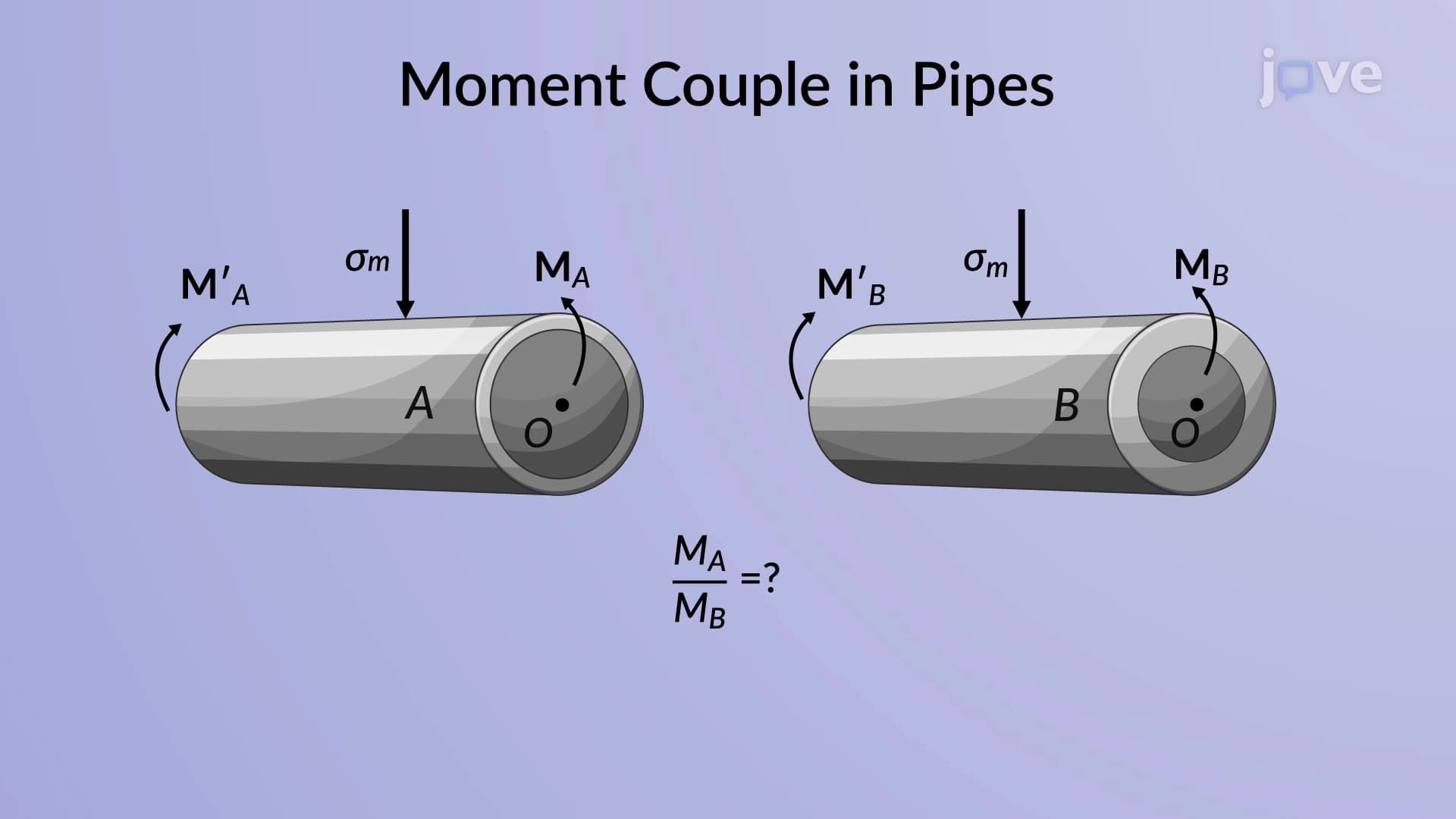
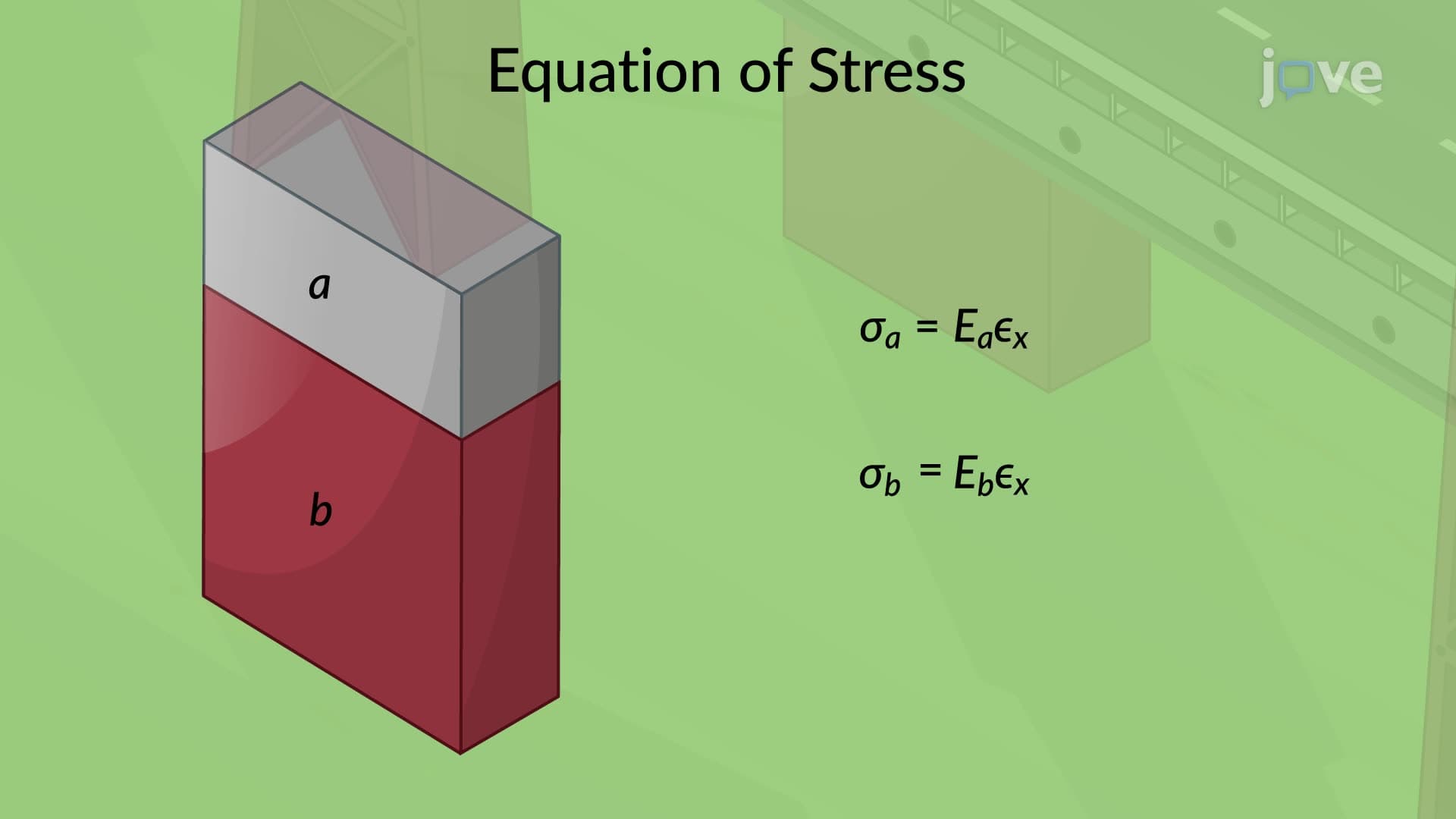
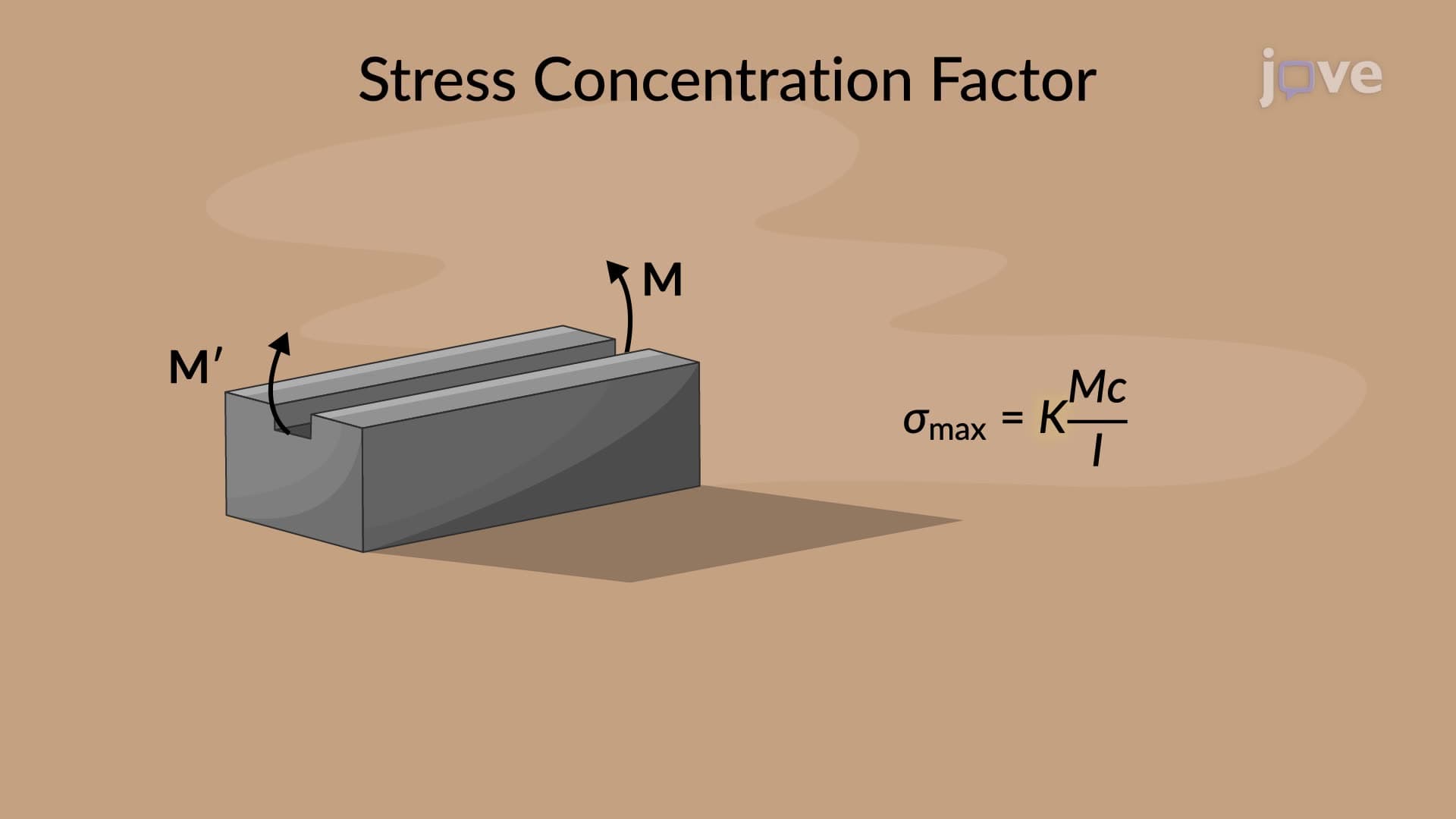
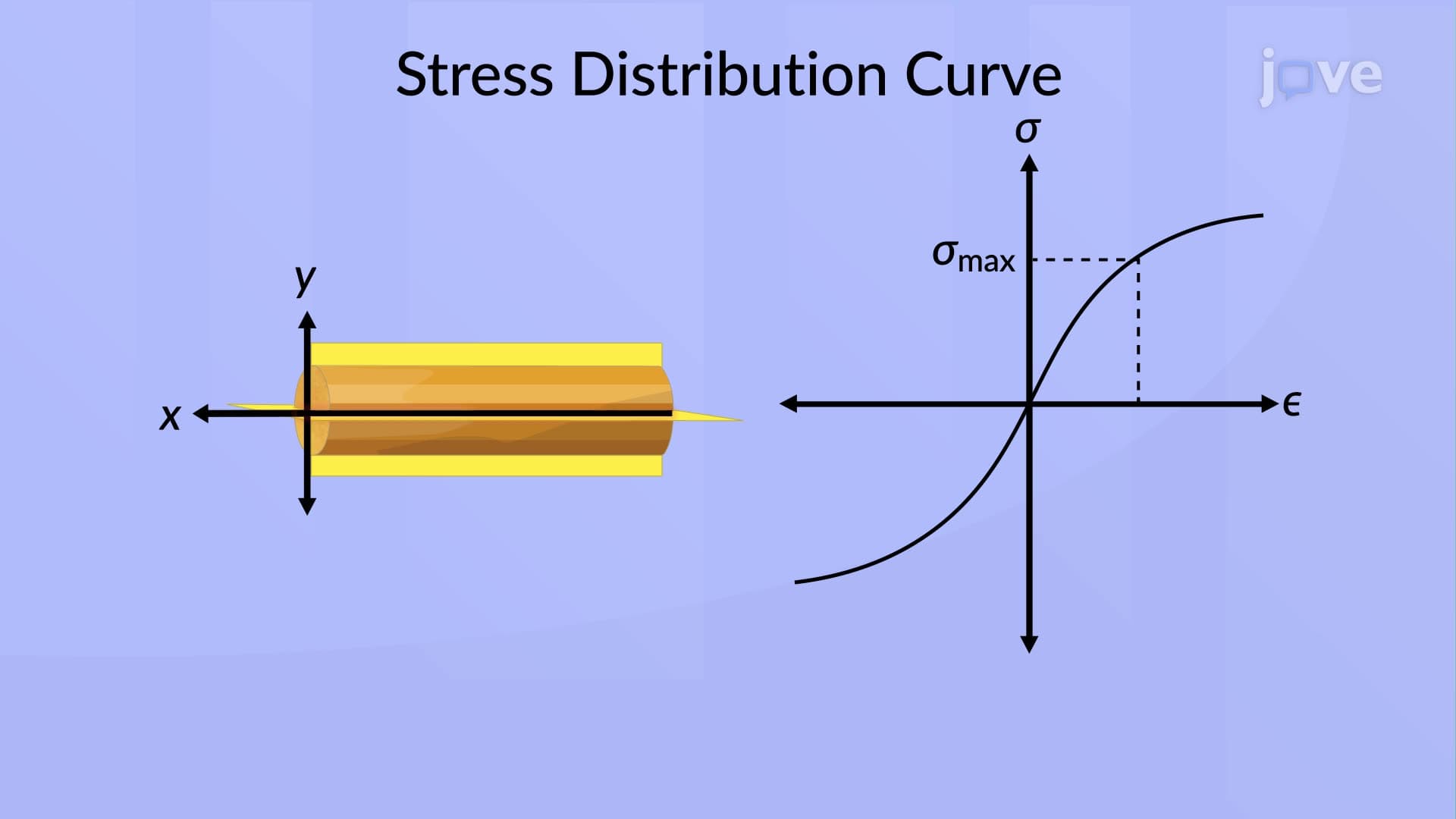
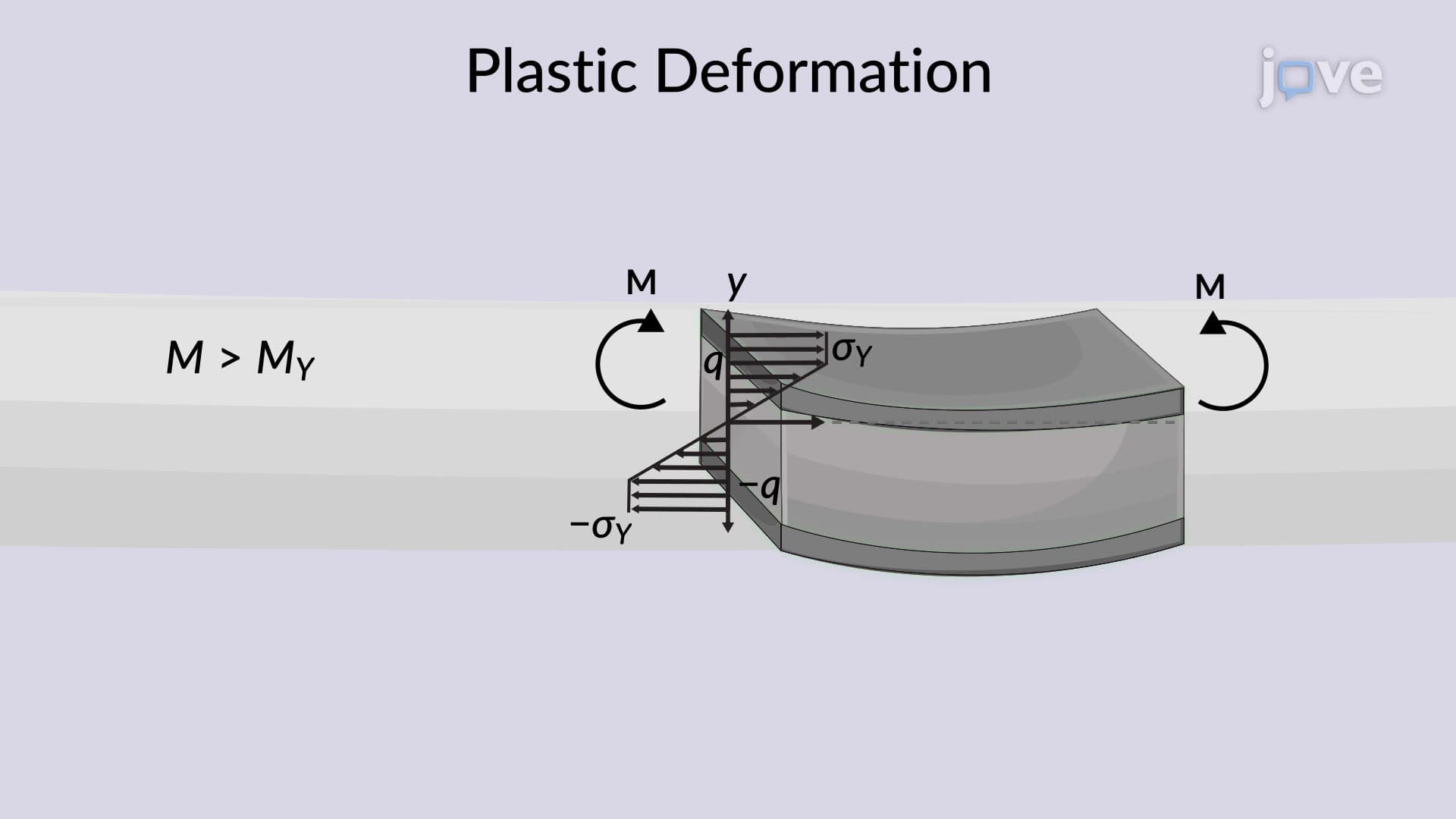
Bending of Curved Members - Strain Analysis

00:00
01:14
Video Summary: Bending of Curved Members Strain Analysis Explained
Ever wonder why the Golden Gate Bridge's curved cables can handle massive loads without snapping? The secret lies in bending of curved members strain analysis, understanding how materials deform when bent into curved shapes. When couples (equal and opposite forces) act on curved structures like bridge arches or aircraft frames, the material experiences non-uniform strain distribution, with some fibers stretching while others compress around a neutral axis. This fundamental engineering principle determines whether structures from San Francisco's iconic bridges to Boeing's wing designs will succeed or fail. Watch the full video on JoVE Coach to master this concept with expert-led visuals and step-by-step explanations.
- Understand the fundamental principles of bending of curved members strain analysis and how it differs from straight beam bending
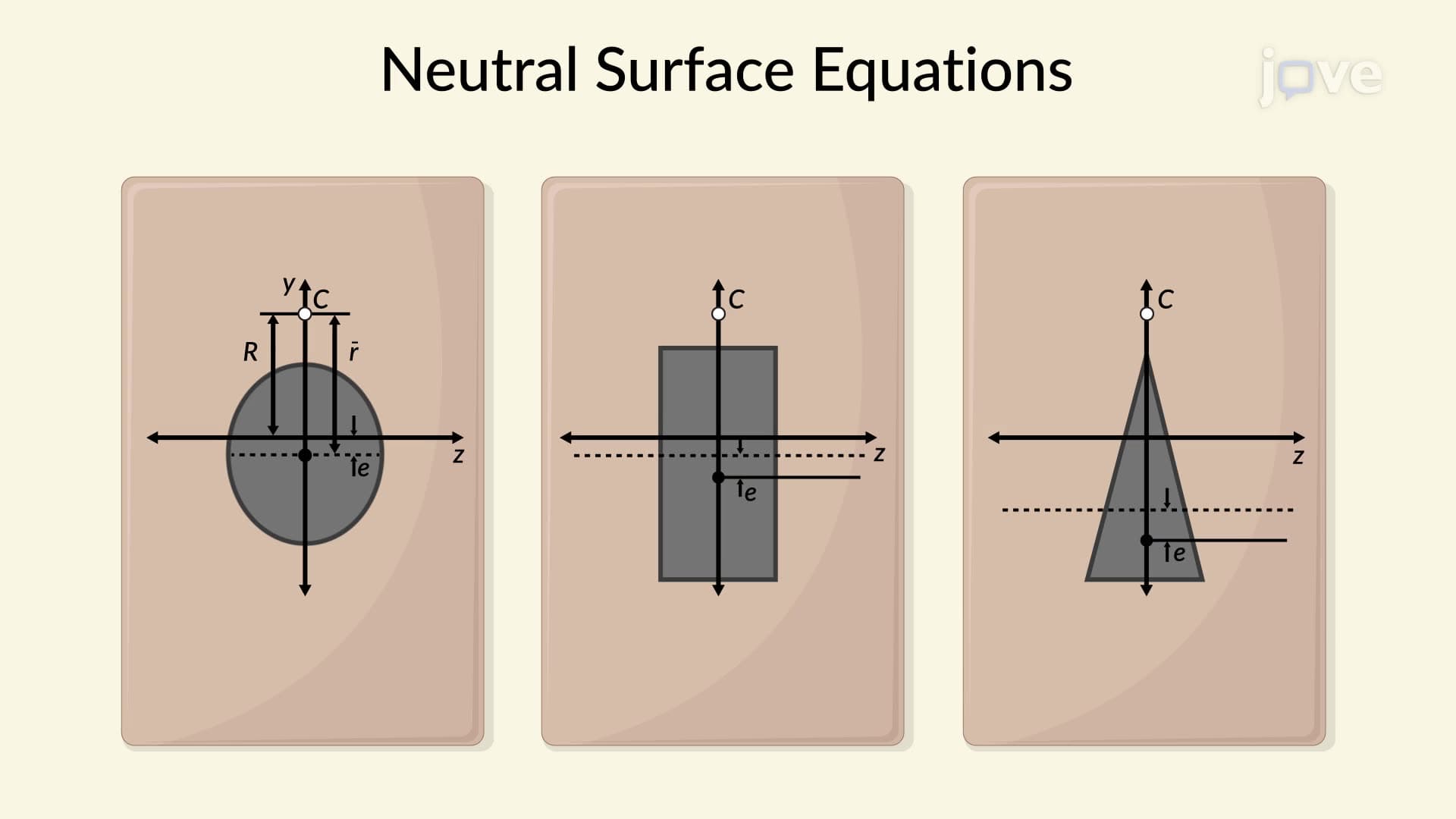
- Identify the neutral axis location in curved members and explain why it doesn't coincide with the centroidal axis
- Analyze how strain distribution varies non-linearly with distance from the neutral surface in curved beams
- Recognize the relationship between applied couples, curvature changes, and resulting deformations in curved structural elements
- Apply geometric relationships to calculate strain and deformation in curved members under bending loads
- Evaluate the significance of radius of curvature changes when couples act on symmetric curved sections
- Compare stress and strain patterns between the inner (compression) and outer (tension) surfaces of curved beams
- Explore real-world applications in structural engineering, from bridge design to mechanical components
Understanding Bending of Curved Members Strain Analysis Fundamentals
Bending of curved members strain analysis represents a critical advancement beyond elementary beam theory, addressing the complex behavior of structural elements that follow curved paths. Unlike straight beams where strain varies linearly with distance from the neutral axis, curved members exhibit non-linear strain distribution due to their inherent geometry.
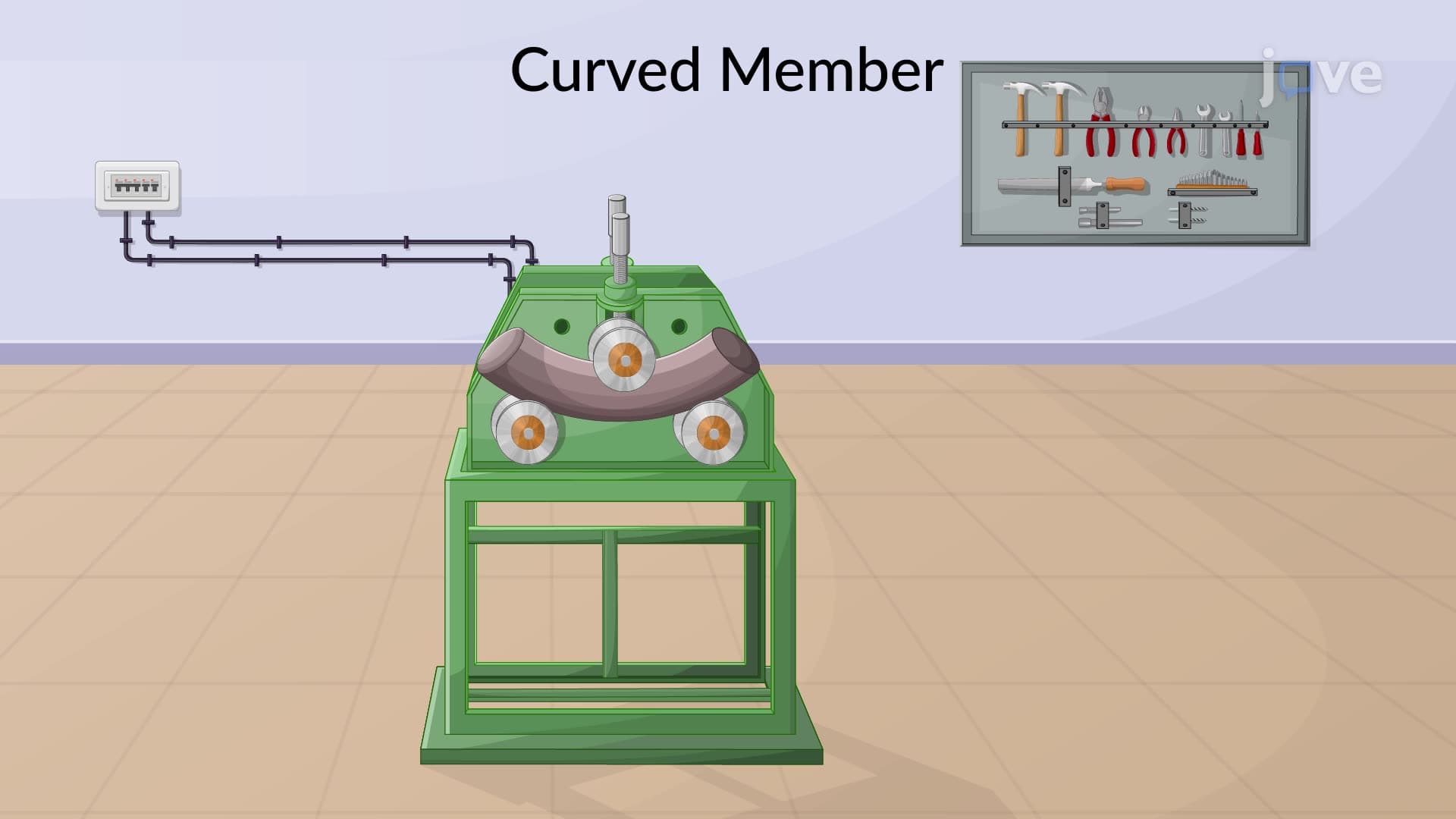
When engineers design curved structures, from the arched supports of the Brooklyn Bridge to the curved frames in aircraft fuselages, they must account for how bending moments create different deformation patterns than those found in straight structural elements. The fundamental difference lies in how the neutral axis (the surface that experiences zero strain) behaves in curved versus straight members.
Geometric Analysis and Strain Distribution
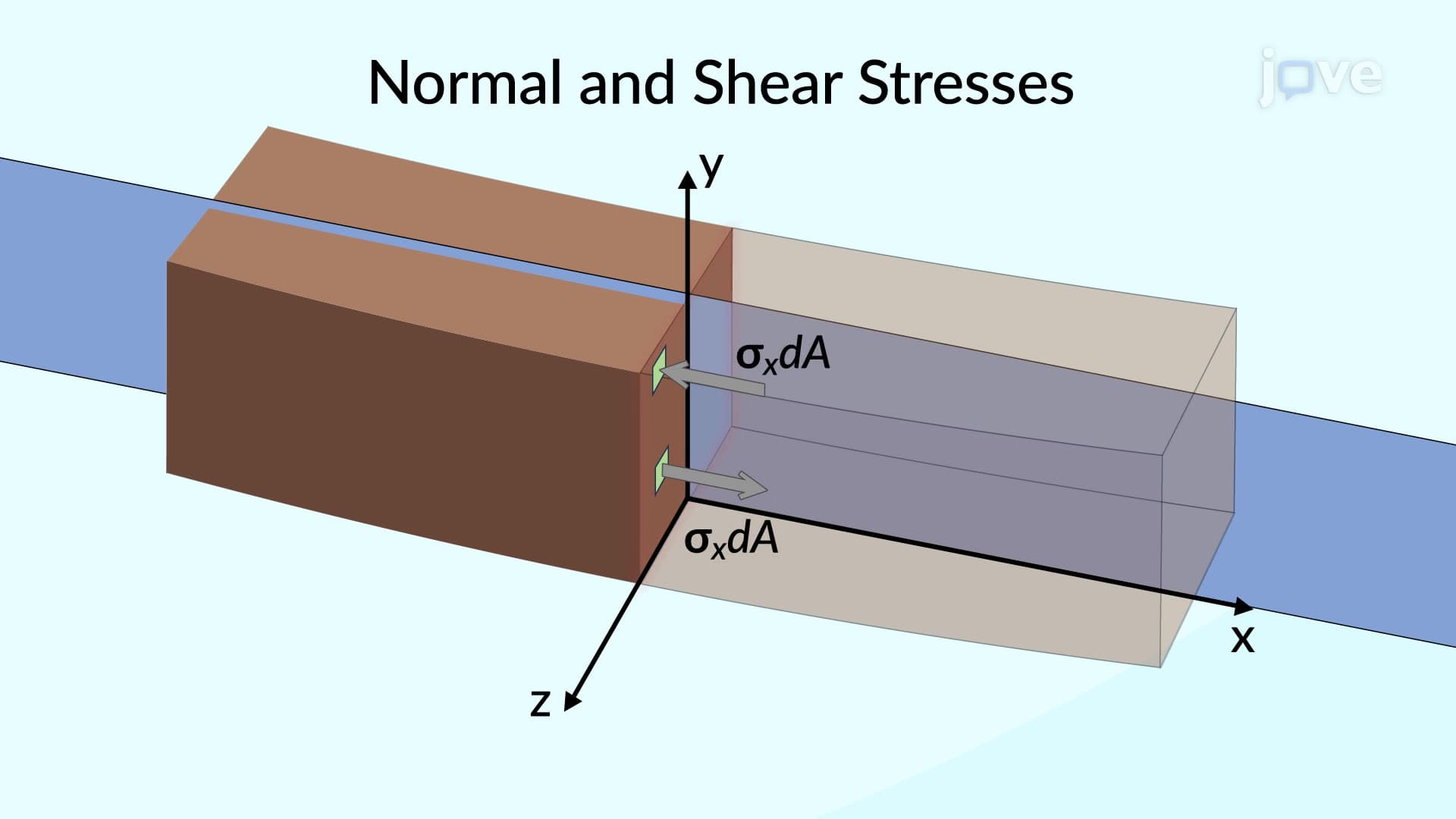
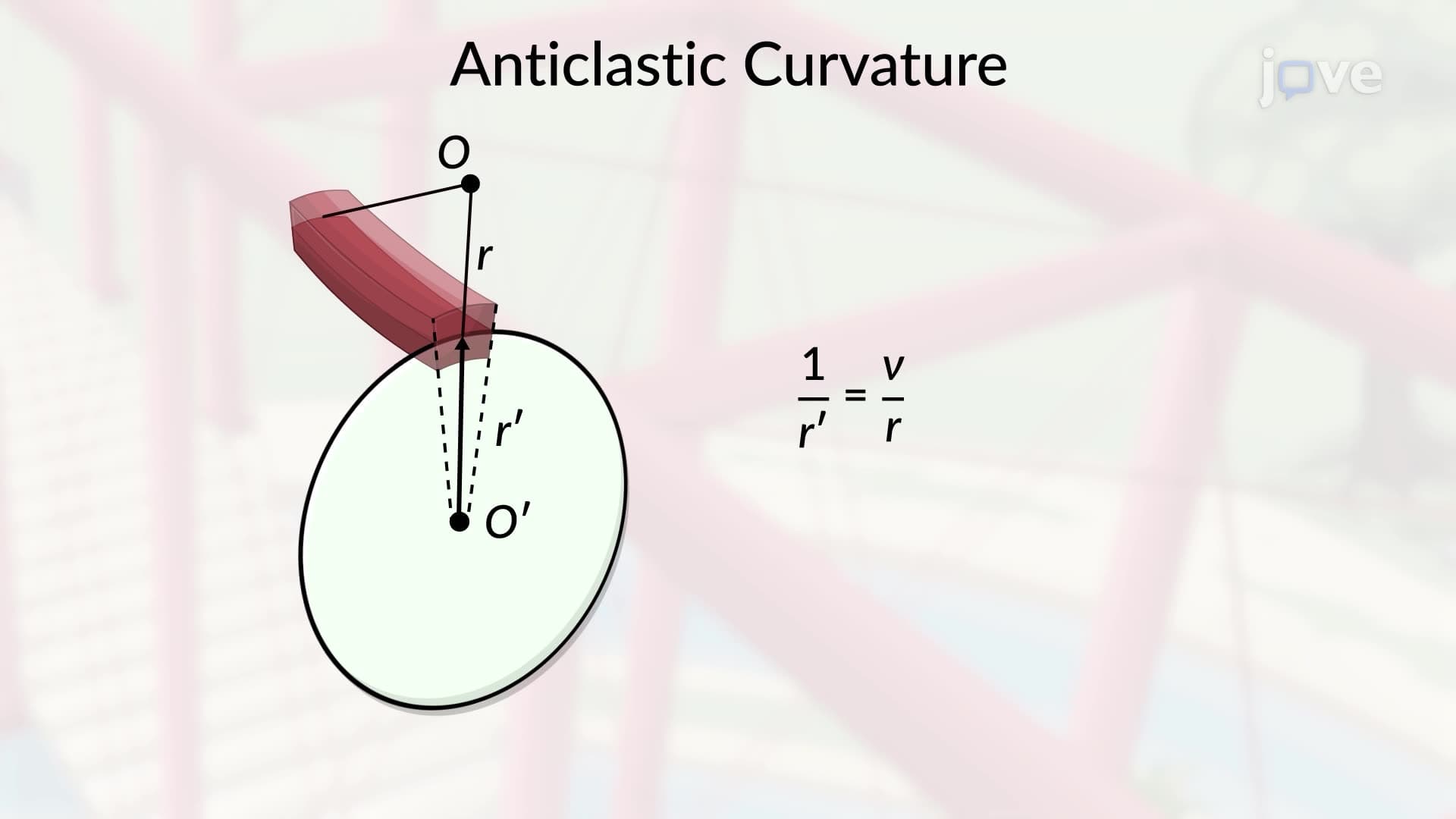
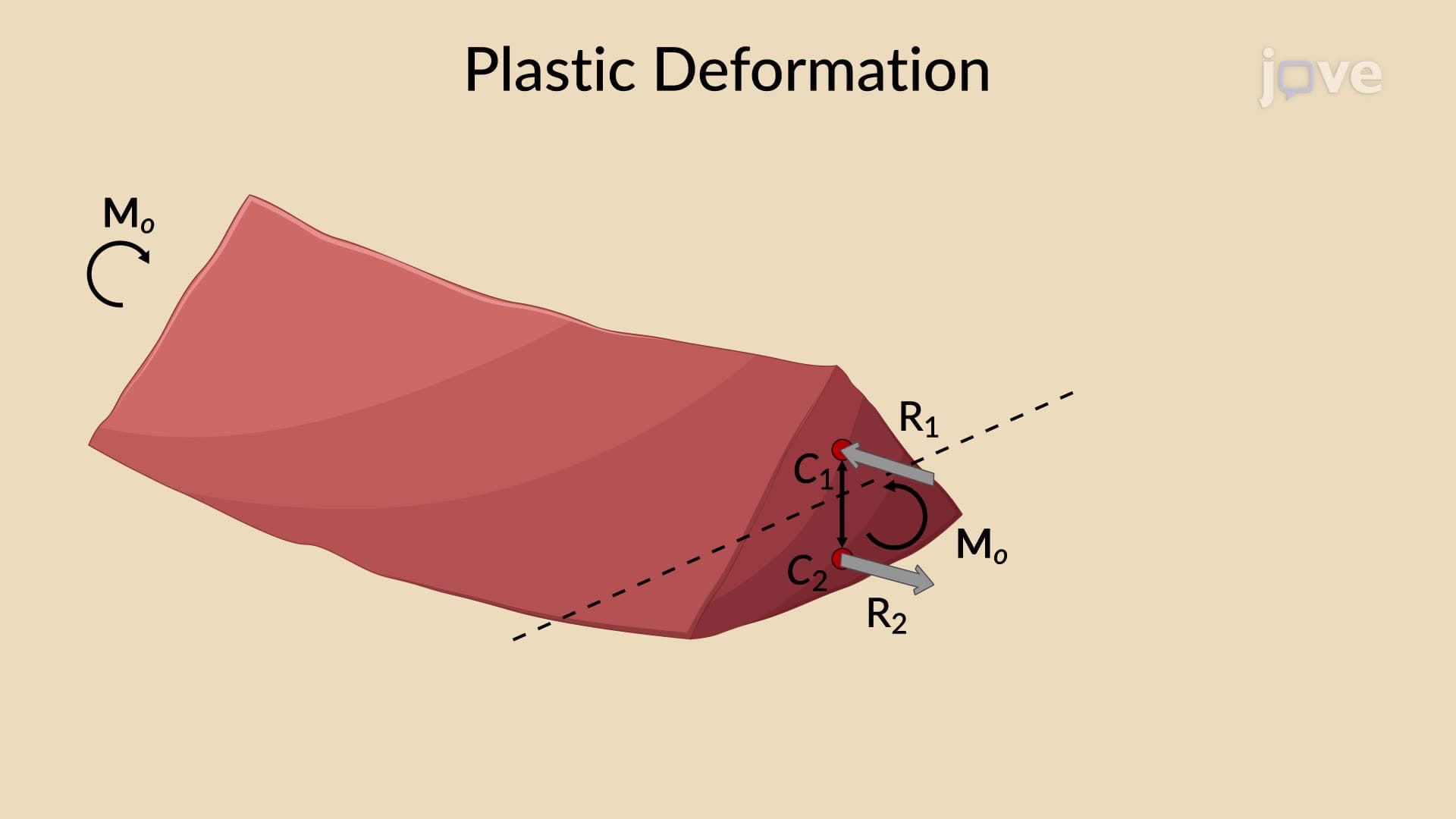
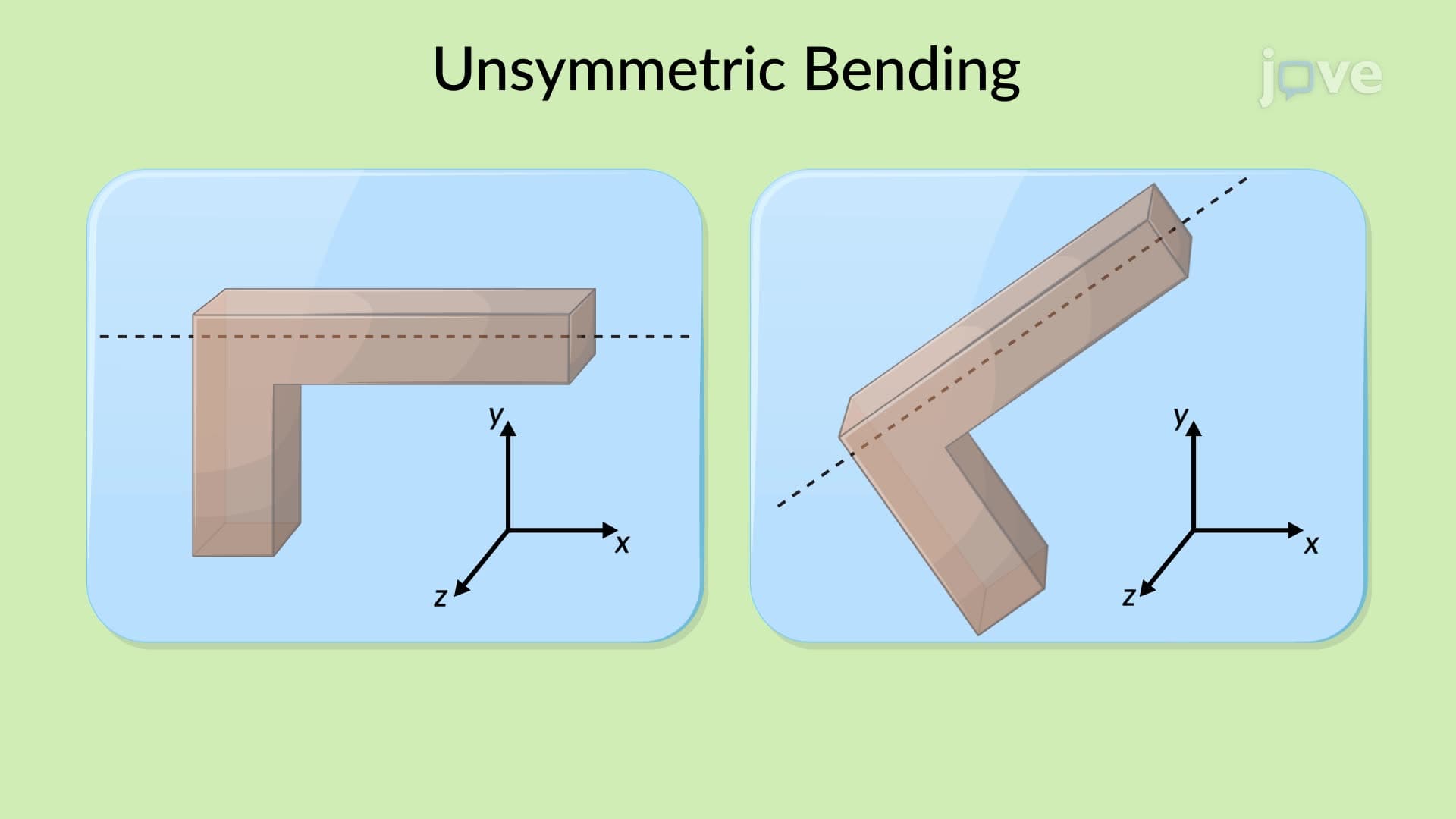
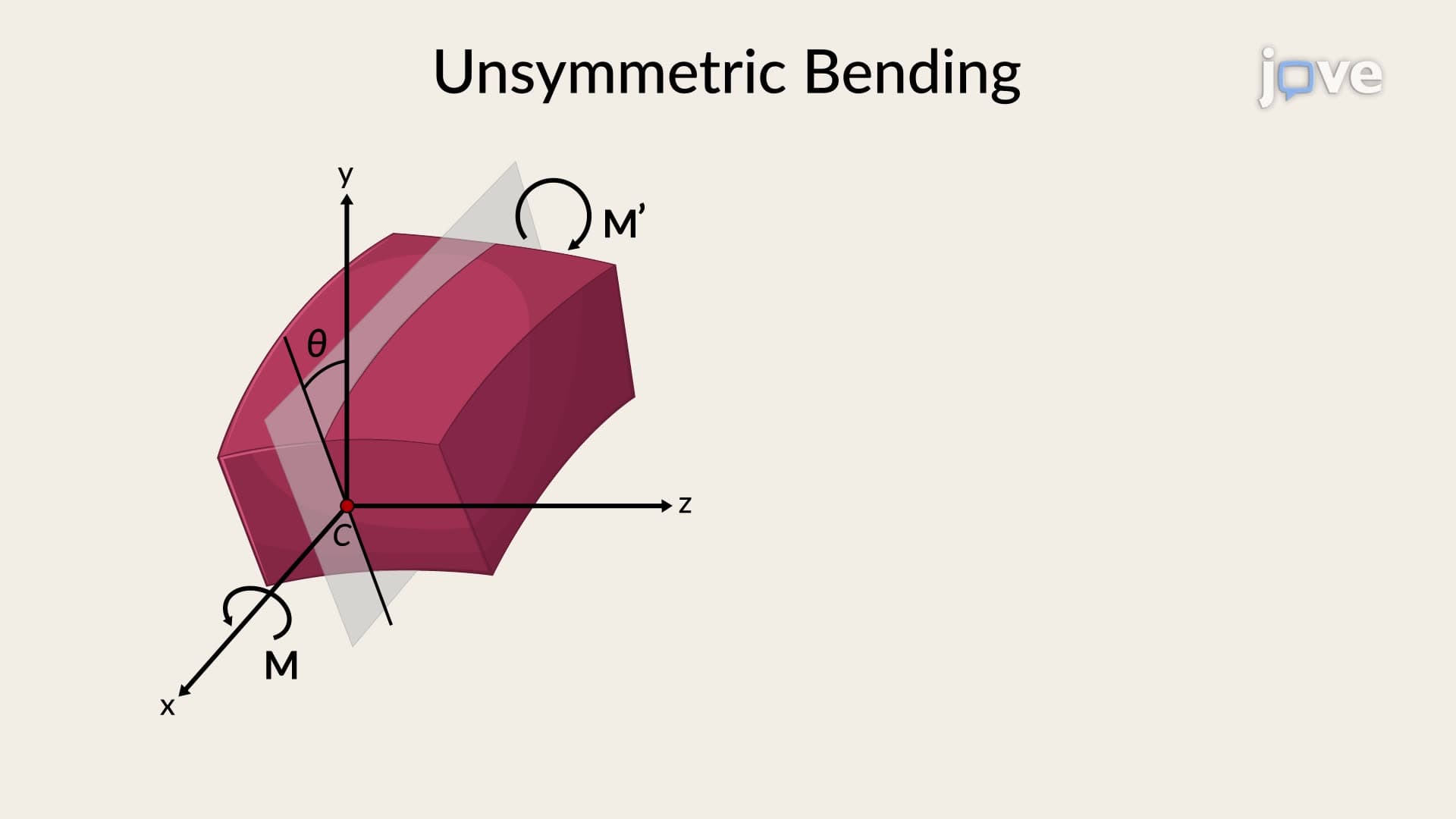
The mechanics begin with understanding how couples (pairs of equal and opposite moments) affect curved members. When these couples act in the plane of symmetry, they alter the original curvature of the member. The upper surface typically experiences compression (shortening), while the lower surface undergoes tension (lengthening), with a neutral surface somewhere between experiencing no length change.
This deformation pattern occurs because the geometric constraints of the curved shape force different fibers of the material to travel different path lengths as the member deforms. The mathematical relationship shows that strain varies as a function of both the distance from the neutral axis and the radius of curvature, a relationship that becomes crucial in AP Physics C: Mechanics problems and college-level structural analysis courses.
Engineering Applications and Practical Significance
Real-world applications demonstrate why mastering this concept proves essential for future engineers. Consider the curved concrete arches supporting highway overpasses throughout the Interstate system, or the curved steel frames in stadium roofs like those at NFL venues. Each requires precise strain analysis to ensure structural integrity under various loading conditions.
The non-linear strain distribution affects material selection, safety factors, and design optimization. Engineers must calculate maximum strains to prevent material failure, particularly important given that curved members often carry critical loads in structures where failure could prove catastrophic.
Examination and Study Considerations
Students encounter this topic in college-level mechanics of materials courses, advanced placement physics, and engineering fundamentals. The MCAT occasionally includes related questions in physics sections, while engineering licensure exams (FE/PE) regularly test understanding of curved member behavior. Success requires solid grasp of geometric relationships, stress-strain concepts, and the ability to visualize three-dimensional deformation patterns, skills that prove valuable across multiple engineering disciplines.
Frequently Asked Questions
Bending of curved members strain analysis studies how curved structural elements deform under bending loads, with strain varying non-linearly due to geometric constraints. Unlike straight beams where strain varies linearly with distance from the neutral axis, curved members exhibit complex strain patterns because different material fibers follow different path lengths during deformation. This difference becomes critical in designing curved structures like bridge arches and aircraft frames.
These concepts typically appear in mechanics of materials questions requiring students to analyze strain distribution, calculate deformations, or compare curved versus straight beam behavior. Exam problems often involve determining neutral axis location, calculating maximum strains, or analyzing the effects of changing curvature on structural performance. Students should practice visualizing strain patterns and applying geometric relationships to solve quantitative problems.
The MCAT includes these topics to assess understanding of fundamental mechanics principles that relate to biological structures like curved bones or blood vessels under pressure. Test questions focus on conceptual understanding of stress-strain relationships rather than complex calculations. Success requires recognizing how geometric constraints affect material behavior and understanding the physical principles underlying structural deformation.
Major examples include the curved concrete arches of the Hoover Dam, the suspension cable anchorages of the Golden Gate Bridge, and the curved steel framework of stadium roofs like AT&T Stadium in Texas. Highway overpasses use curved prestressed concrete beams, while aircraft manufacturers like Boeing apply these principles in designing curved wing structures. Each application requires precise strain analysis to ensure structural safety and performance.
While the mathematical details can be complex, the fundamental concepts are accessible to students with solid algebra and basic trigonometry skills. Focus on understanding the physical principles, how geometry affects deformation patterns and why strain distribution differs from straight beams. Visual aids and real-world examples help make abstract concepts more concrete and manageable.
Start by thoroughly understanding the geometric relationships and strain definitions before attempting calculations. Practice sketching strain distribution diagrams and identifying neutral axis locations. Work through progressively complex problems, beginning with basic geometric analysis before advancing to quantitative strain calculations. Focus on understanding the physical meaning behind mathematical relationships rather than memorizing formulas.
Logical next steps include advanced beam theory, composite material analysis, and finite element methods for complex geometries. Students interested in structural engineering should explore prestressed concrete design and steel frame analysis. Those pursuing mechanical engineering might study curved pipe stress analysis or rotating machinery components where curved member principles apply extensively.
Related Micro-courses