Loading subject page…

- Mechanical Engineering
- Bending
- Residual Stresses in Bending
Micro-course: Bending
6,846 views
Learn key concepts and earn your certificate.

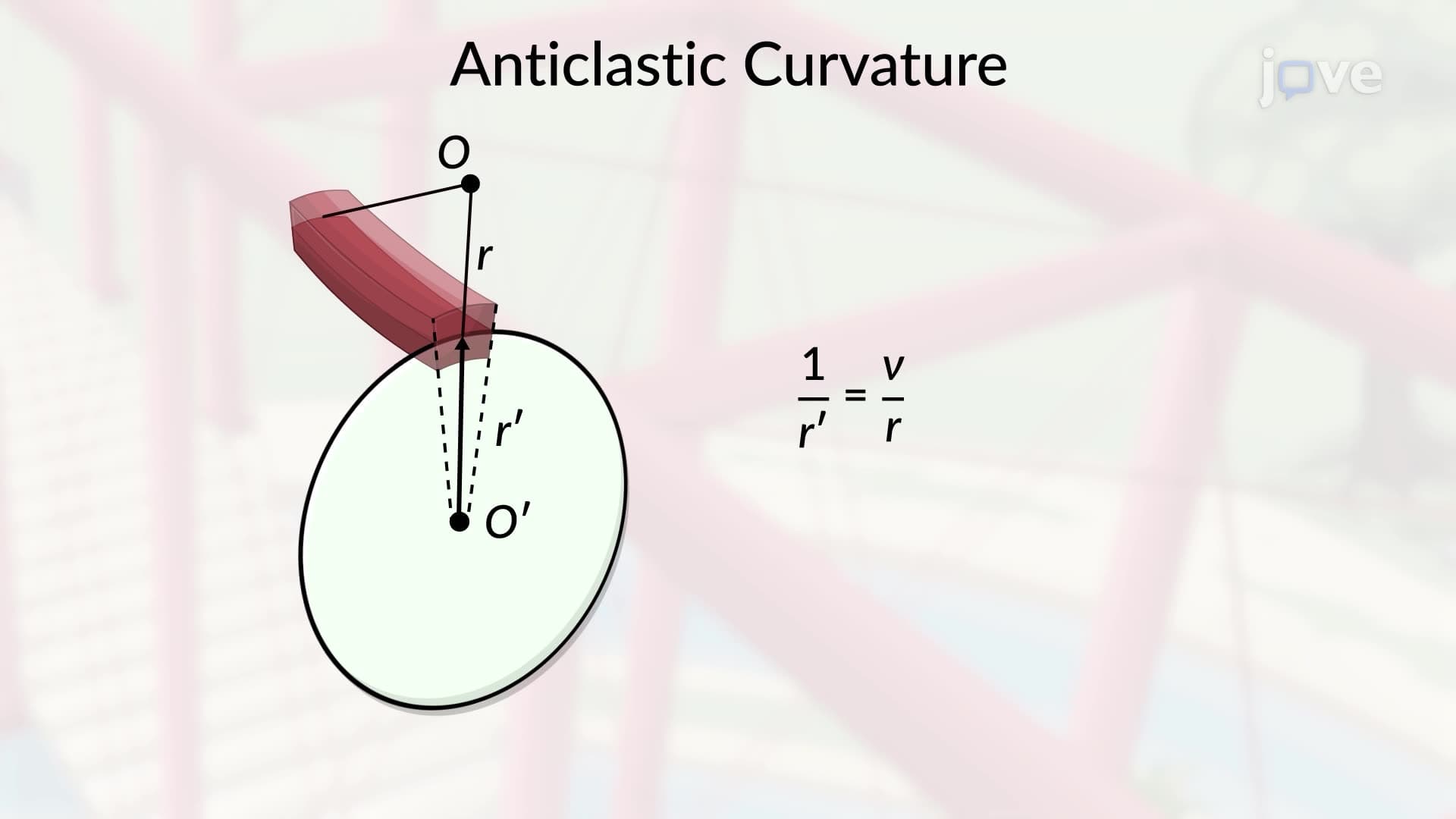
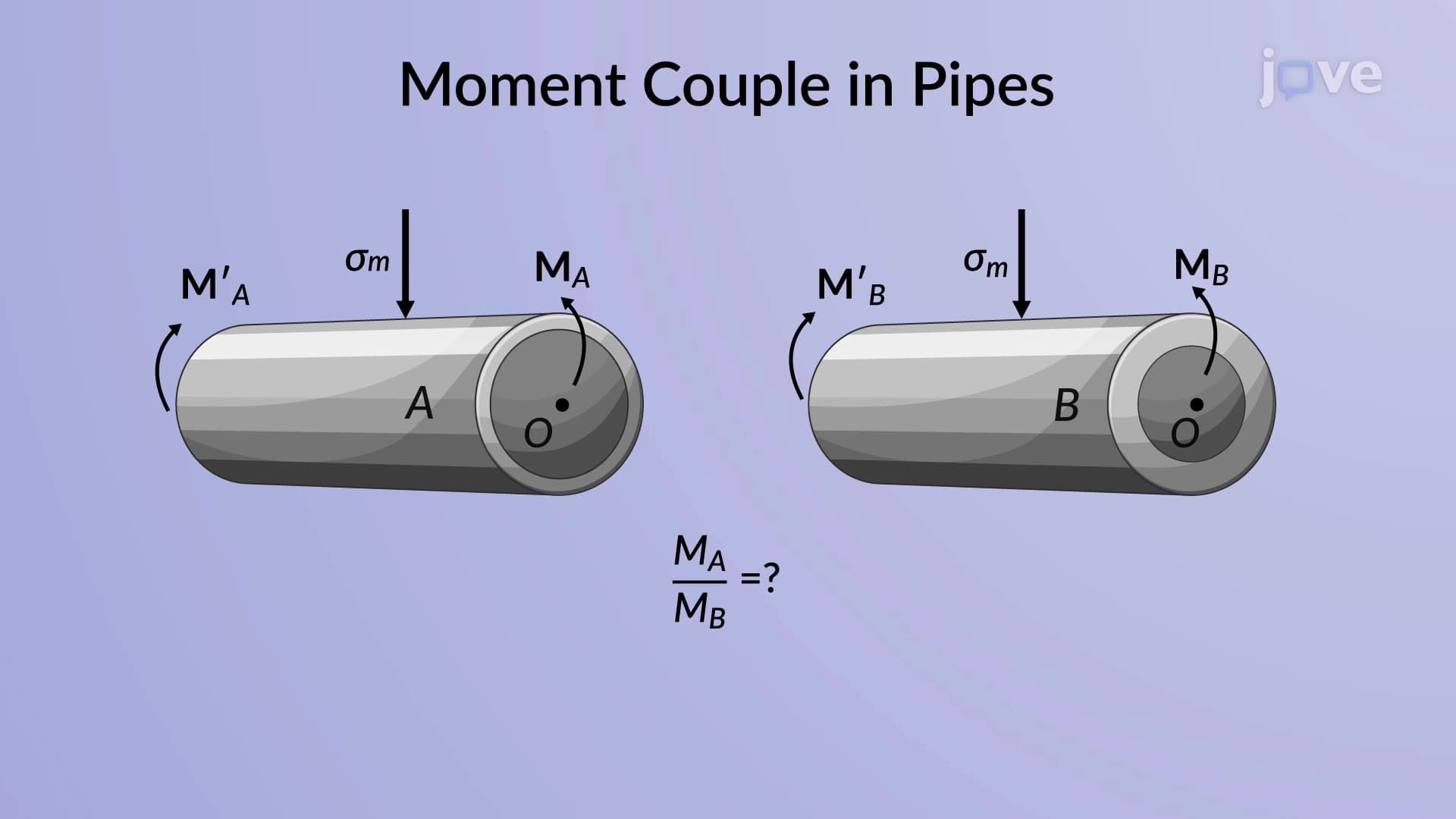
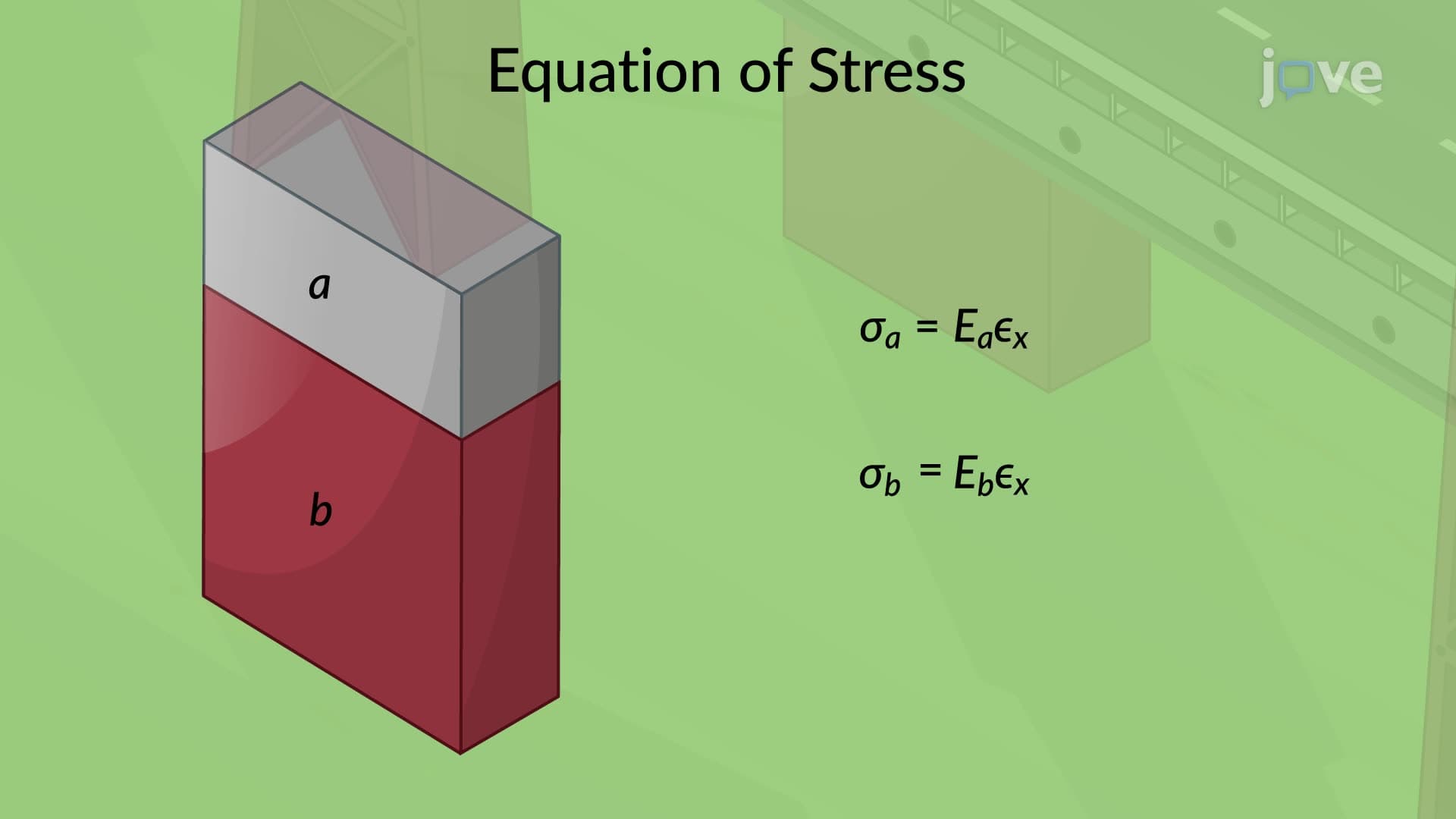
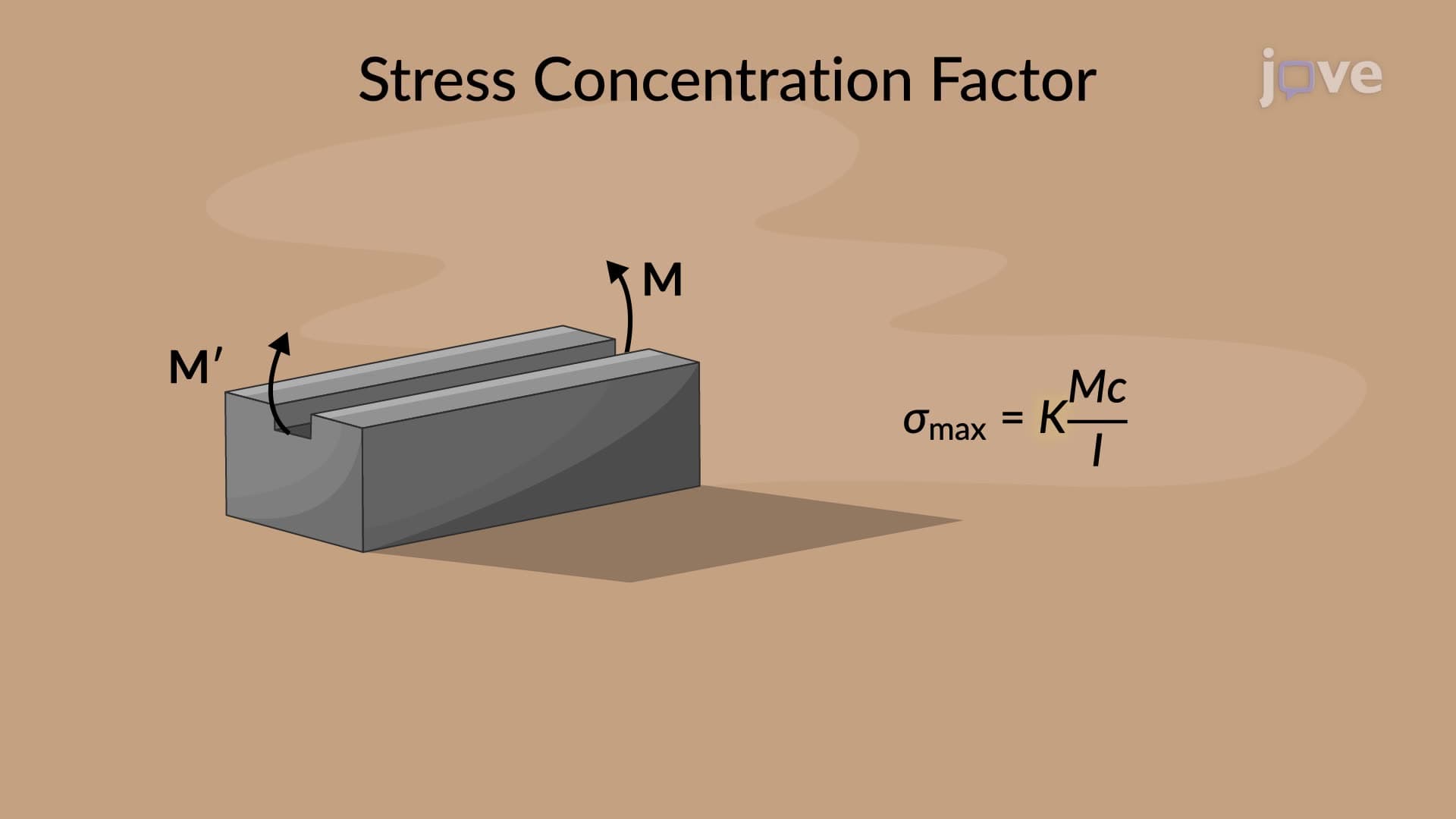
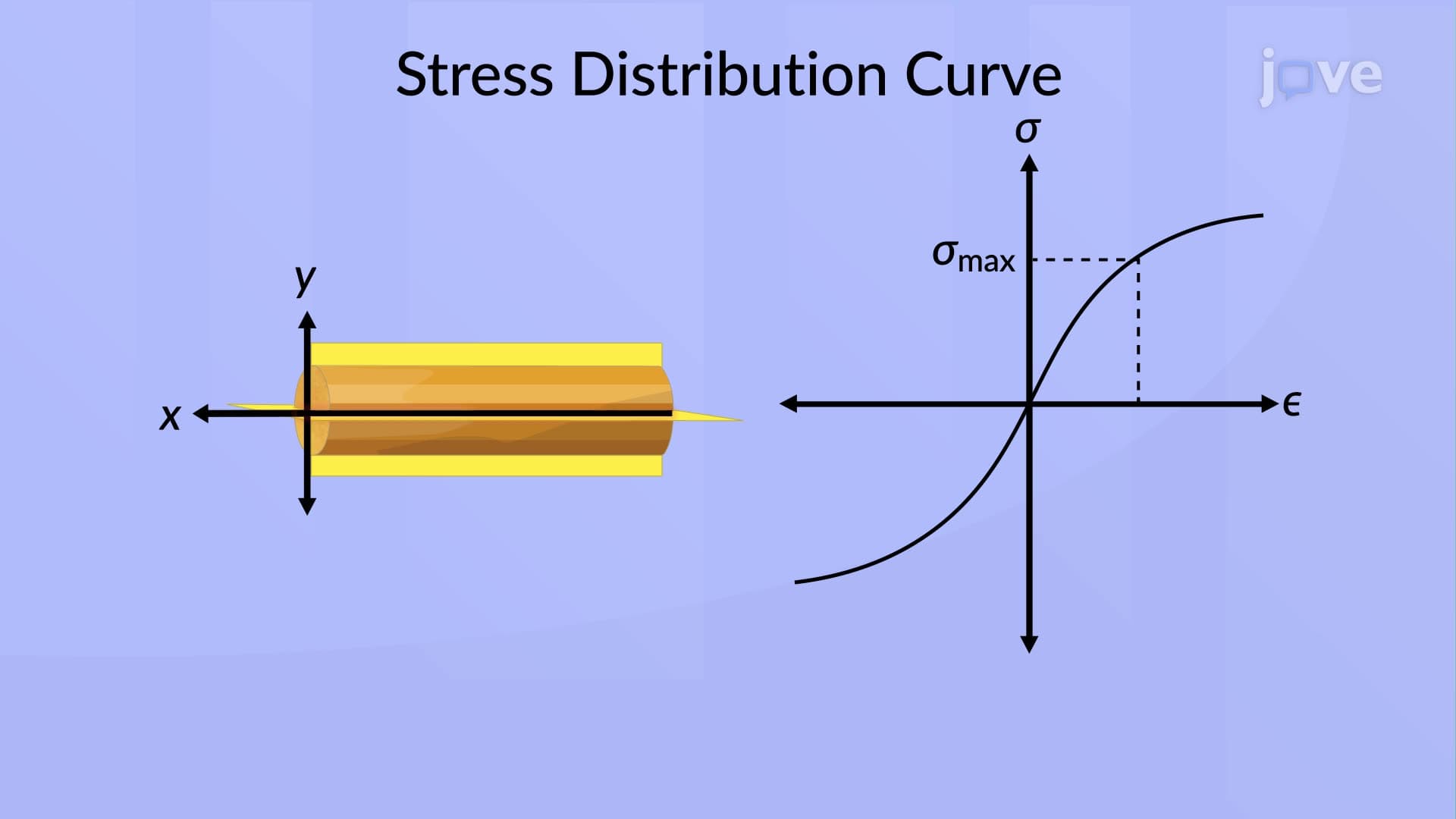
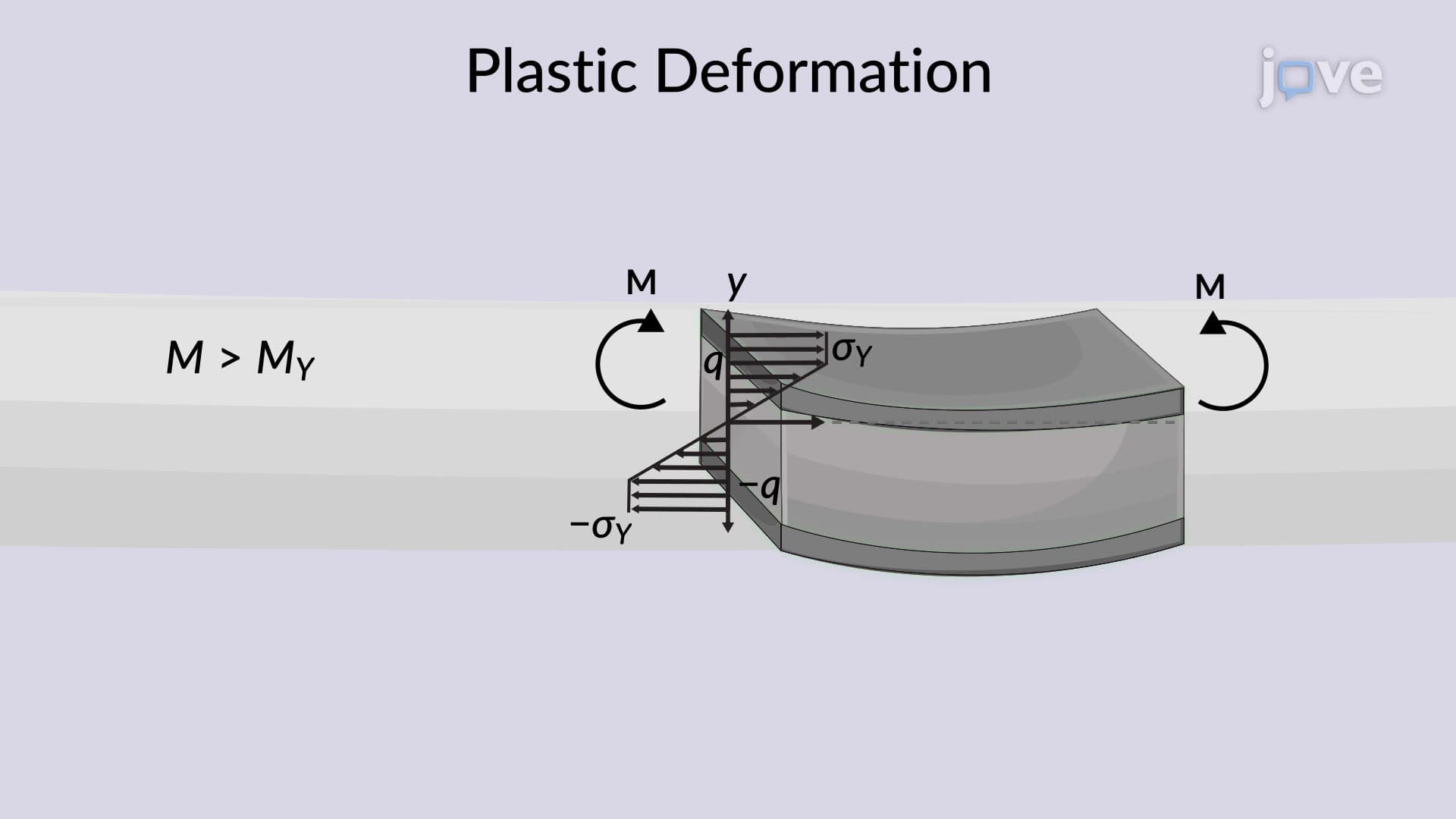
Residual Stresses in Bending

00:00
01:18
Video Summary: What Is Residual Stresses in Bending
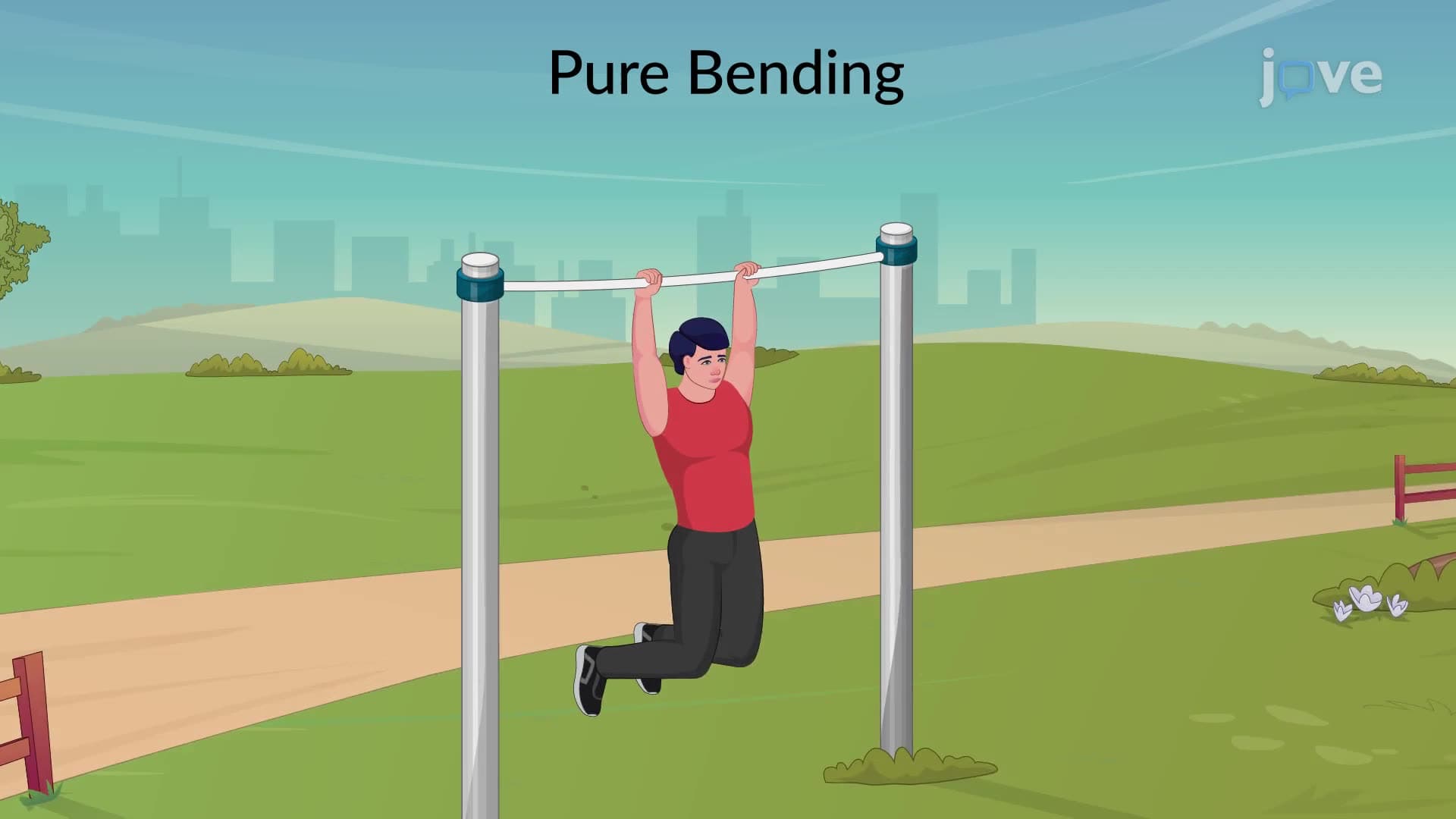
Ever wonder why a bent paperclip doesn't fully straighten when you release it? Residual stresses in bending occur when materials experience permanent internal forces after external loads are removed, creating lasting deformation patterns. In steel bridge construction across the US, engineers must account for these hidden stresses that develop during fabrication and loading cycles. Understanding residual stresses in bending is crucial for predicting structural behavior and preventing unexpected failures. Watch the full video on JoVE Coach to master this concept with expert-led visuals and step-by-step explanations.
- Understand what residual stresses in bending are and how they develop in elastoplastic materials under load
- Identify the difference between loading and unloading phases in bending scenarios
- Analyze how stress-strain relationships change during elastic unloading after plastic deformation
- Apply the superposition principle to calculate residual stress distributions in bent members
- Recognize why residual stresses maintain different signs compared to original loading stresses
- Evaluate the practical implications of residual stresses in engineering design and material selection
- Compare elastic and elastoplastic behavior during bending moment application and removal
- Explore real-world examples where residual stresses affect structural performance and safety
Understanding Residual Stresses in Bending Fundamentals
Residual stresses in bending represent one of the most critical yet often overlooked phenomena in structural engineering and materials science. These internal stresses persist within a material even after all external forces have been removed, creating a complex stress state that significantly influences material behavior and structural performance.
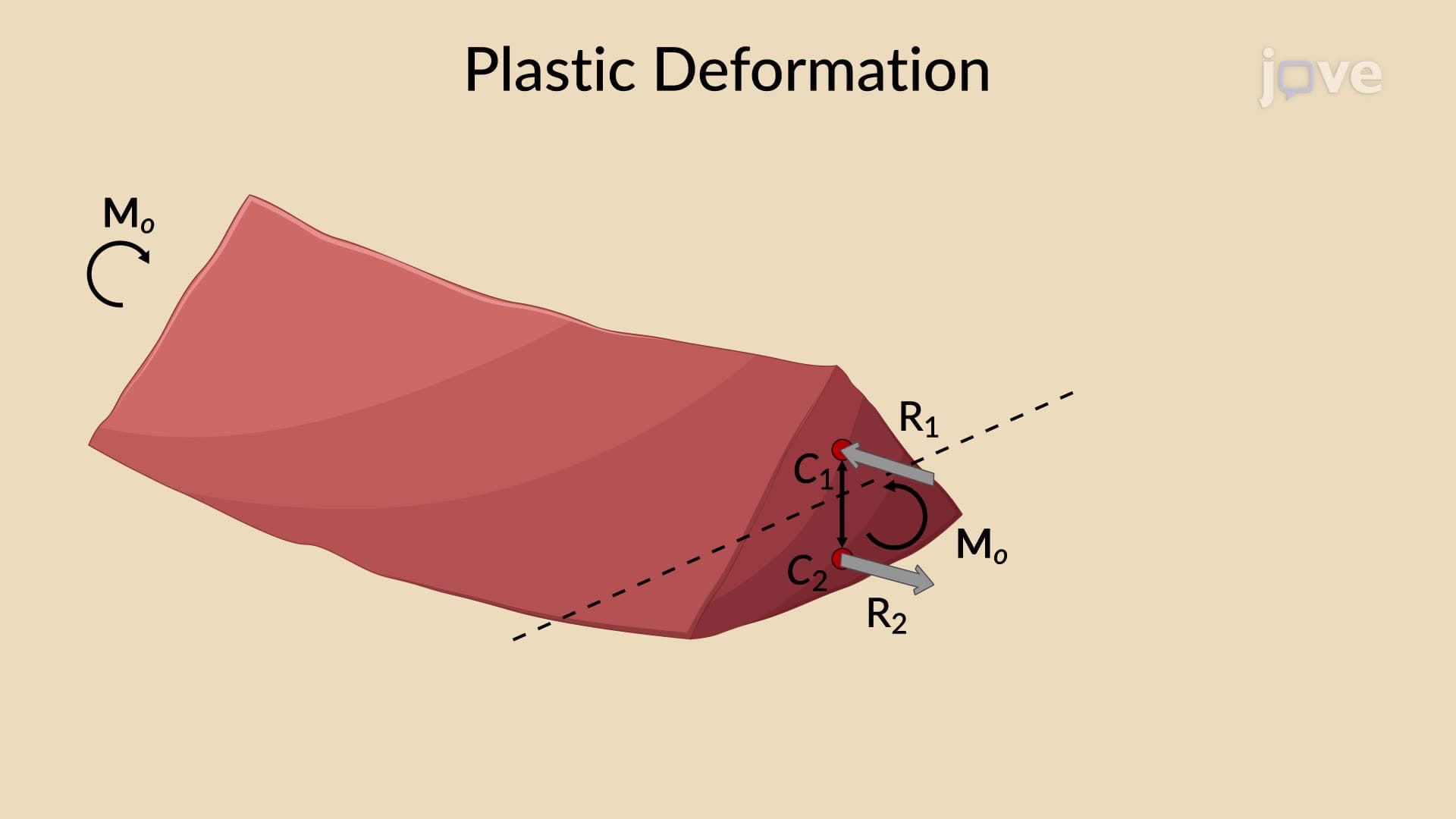
When engineers design structures like the Golden Gate Bridge or analyze aircraft components at Boeing facilities, they must consider how bending operations during manufacturing and service loading create lasting internal stress patterns. Unlike simple elastic deformation that completely recovers upon load removal, elastoplastic bending creates permanent changes in the material's internal stress distribution.
The Loading and Unloading Process in Elastoplastic Materials
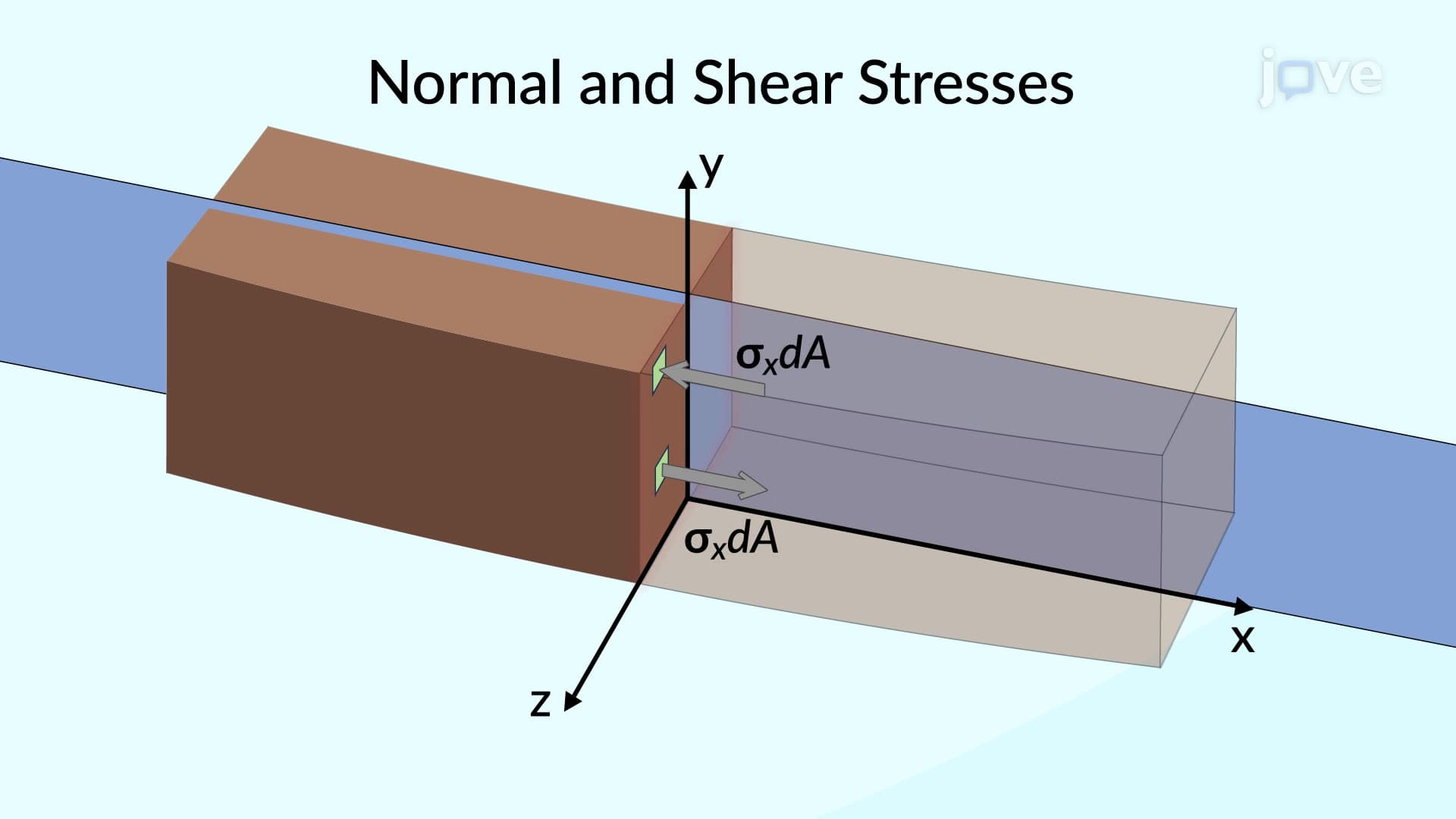
The development of residual stresses follows a predictable two-phase process. During the loading phase, applied bending moments cause both elastic and plastic deformation zones to develop across the member's cross-section. The outer fibers typically reach yield stress first, creating plastic zones while the core remains elastic.
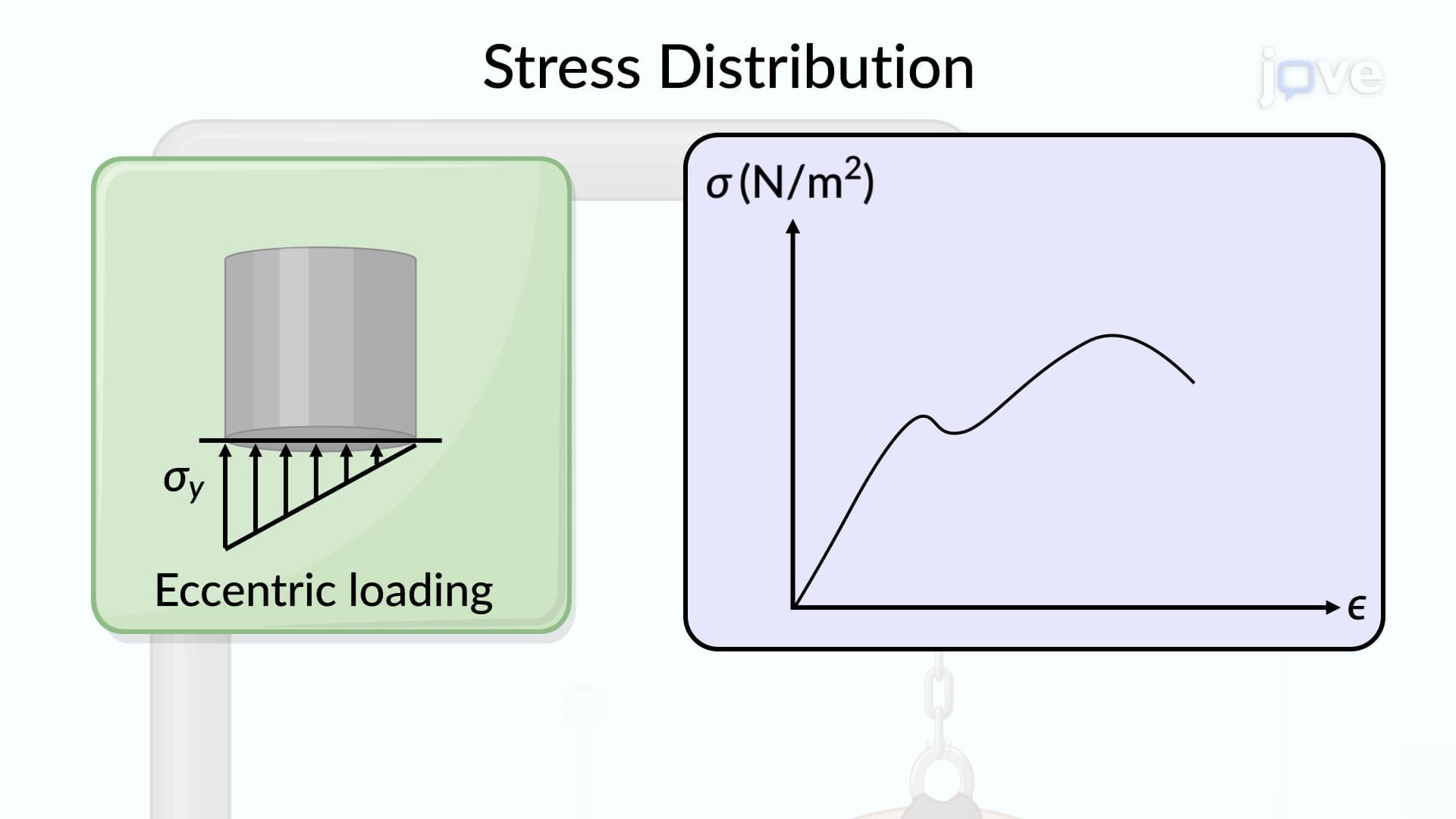
The unloading phase reveals the true nature of residual stress development. As the bending moment reduces to zero, the material attempts to recover elastically. However, the previously plastic regions cannot fully return to their original state, creating internal stress imbalances. This elastic unloading follows a linear stress-strain relationship, allowing engineers to use standard elastic formulas during analysis.
Calculating Residual Stresses Using Superposition
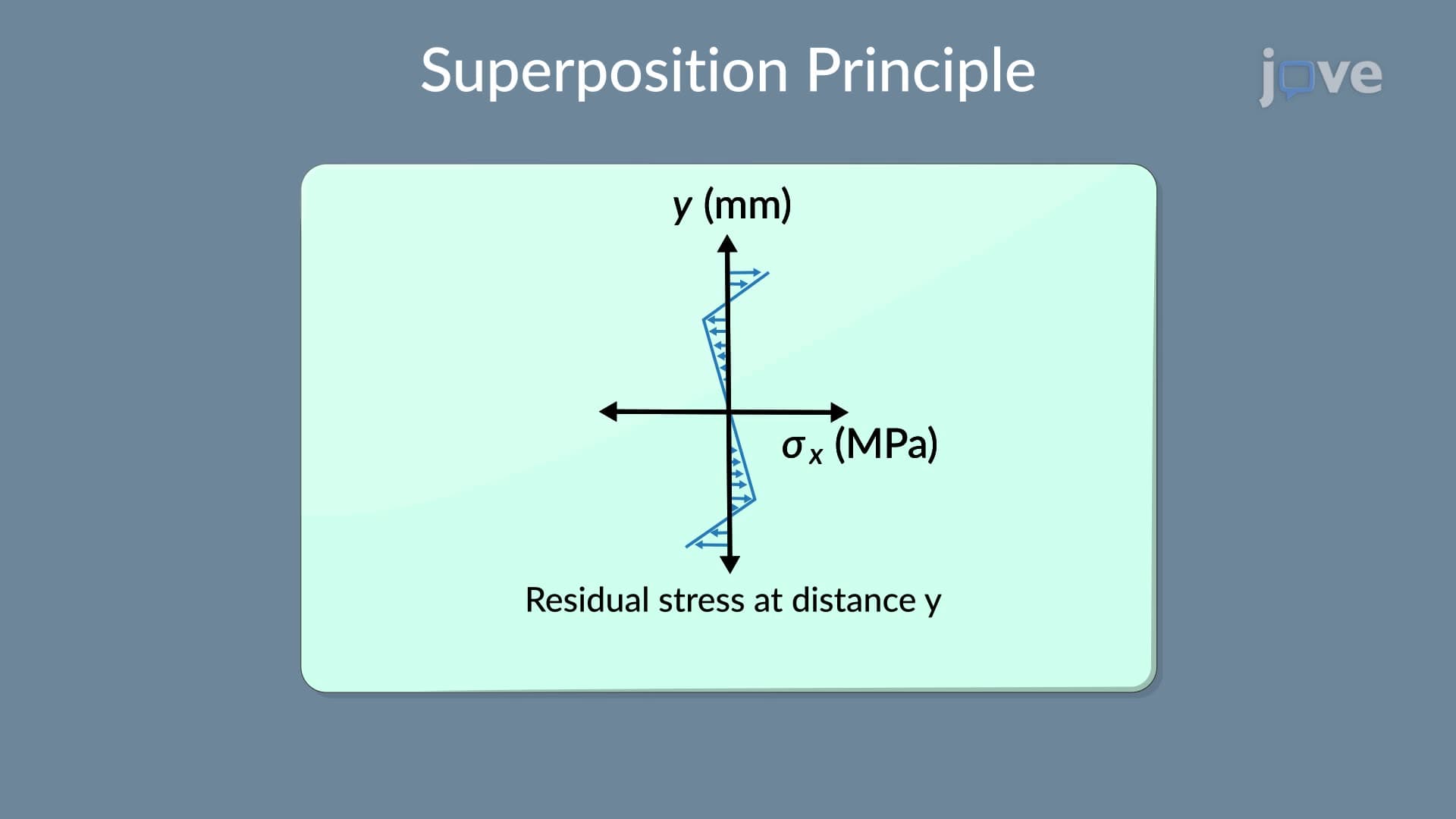
The superposition principle provides the mathematical framework for residual stress analysis. Engineers calculate these stresses by combining two separate loading scenarios: the original elastoplastic loading stress distribution and an opposite elastic unloading stress pattern. This approach, commonly taught in advanced mechanics courses at institutions like MIT and Stanford, allows precise prediction of final stress states.
For AP Physics C students and college engineering majors, understanding this superposition approach proves essential for exam success and practical applications. The method appears frequently on MCAT physics sections and engineering licensure exams, where candidates must demonstrate mastery of stress analysis principles.
Real-World Applications and Engineering Implications
Residual stresses significantly impact structural integrity across numerous industries. In automotive manufacturing, companies like Ford and General Motors must account for these stresses when forming steel panels and chassis components. Aerospace applications at NASA and private companies require even more stringent residual stress control, as these internal forces can initiate fatigue cracks under cyclic loading conditions.
Understanding residual stress behavior helps explain why some structures fail unexpectedly despite being designed with appropriate safety factors. These hidden stresses can either contribute to premature failure or, when properly managed, actually enhance structural performance through beneficial compressive stress patterns.
Frequently Asked Questions
Residual stresses in bending are internal forces that remain trapped inside a material after external bending loads are removed. Think of them as "stress memories" that persist because plastic deformation prevents the material from fully returning to its original shape. These stresses can significantly affect how structures behave under future loading conditions.
These concepts typically appear as multi-part problems involving stress-strain diagrams and superposition calculations. Students must demonstrate understanding of elastic versus plastic behavior, apply flexure formulas, and calculate final stress distributions. Practice problems often involve I-beams or rectangular cross-sections with given material properties and loading scenarios.
The MCAT physics section frequently tests elasticity concepts and stress-strain relationships found in biological materials. Understanding residual stresses helps explain bone remodeling, tissue mechanics, and medical device behavior. This knowledge proves valuable for passages involving biomechanics and material properties in physiological systems.
Highway bridges experience residual stresses from construction processes and repeated traffic loading. Steel building frames in skyscrapers like those in Manhattan contain residual stresses from fabrication welding and assembly procedures. Even household items like bent wire coat hangers demonstrate these principles on a smaller scale.
While the mathematical details can be complex, the basic concept is quite accessible with proper foundation in stress and strain. Students who have completed AP Physics C Mechanics or introductory materials science possess sufficient background. Starting with simple examples like bent paperclips helps build intuitive understanding before tackling formal calculations.
Focus on mastering stress-strain diagrams and the superposition principle through repeated practice problems. Create step-by-step solution templates for typical scenarios, and always sketch the stress distributions during both loading and unloading phases. Understanding the physical meaning behind each calculation step proves more valuable than memorizing formulas.
Residual stresses can either accelerate or prevent structural failures depending on their distribution and magnitude. Tensile residual stresses promote crack growth and fatigue damage, while compressive residual stresses can actually strengthen components. This knowledge forms the foundation for advanced topics in fracture mechanics and reliability engineering.
This concept leads naturally to fatigue analysis, fracture mechanics, and advanced materials processing techniques. Students often progress to studying shot peening, heat treatment effects, and welding residual stresses. These topics appear in graduate-level courses and professional engineering practice across aerospace, automotive, and civil engineering disciplines.
Related Micro-courses