Loading…
Loading video…

16,974 views
Ever wondered how engineers ensure bridges won't collapse under traffic loads? The method of sections problem solving i technique lets structural engineers cut through complex truss systems—like those supporting the Golden Gate Bridge—to analyze internal forces with surgical precision. This powerful analytical tool transforms seemingly impossible calculations into manageable steps by strategically sectioning trusses and applying equilibrium principles. Watch the full video on JoVE Coach to master this concept with expert-led visuals and step-by-step explanations.
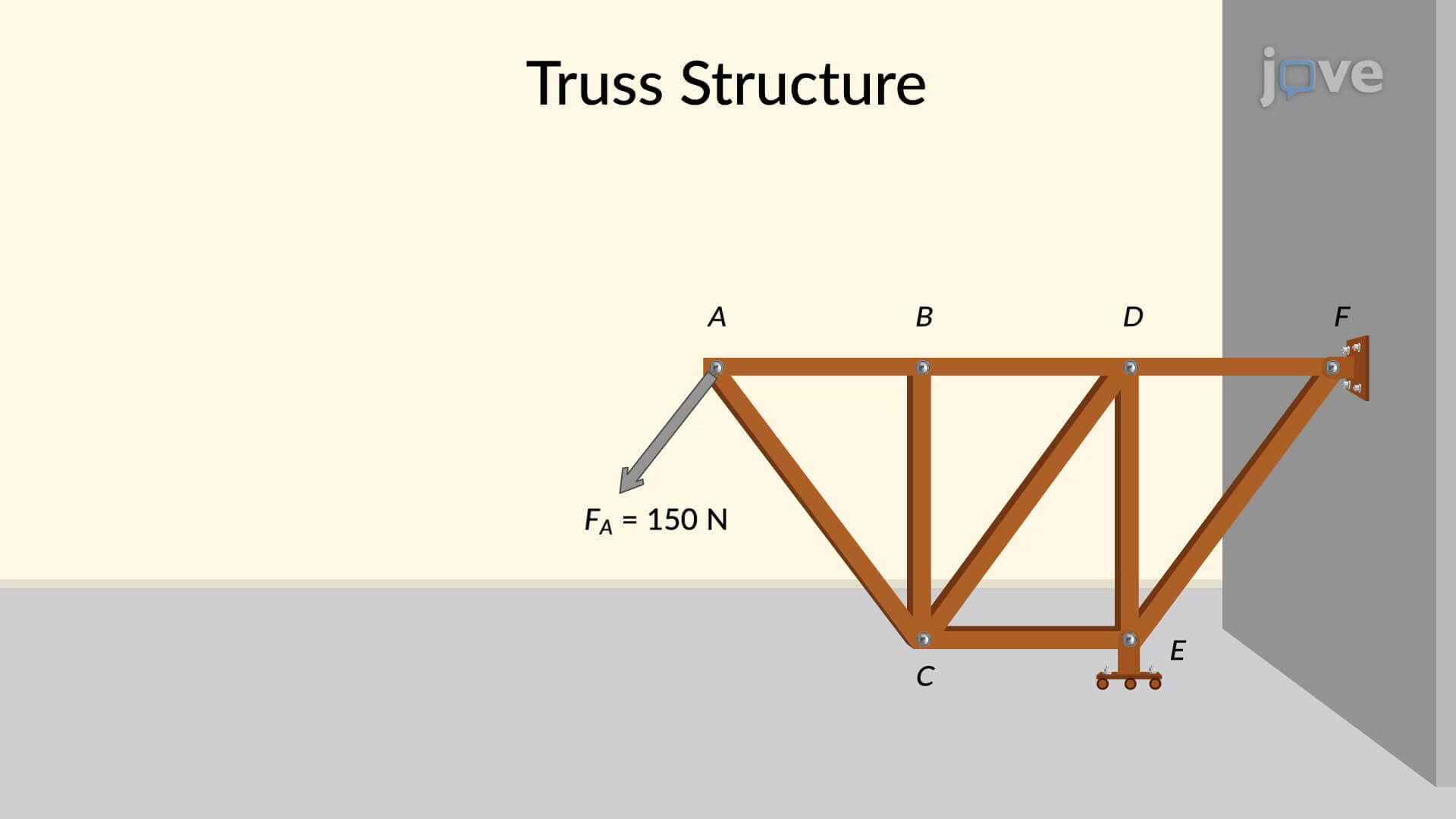
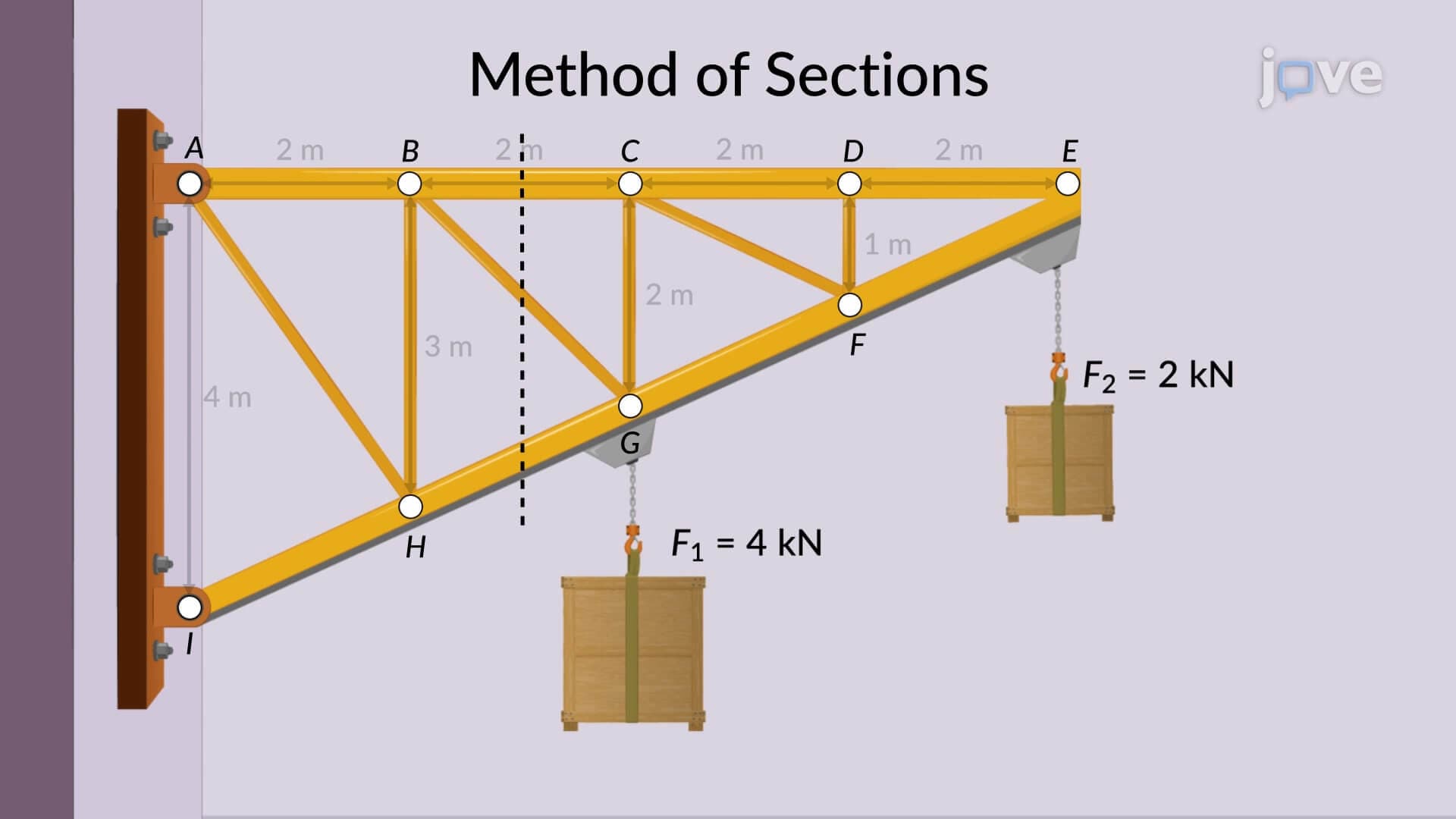
The method of sections problem solving i represents a cornerstone technique in structural analysis that allows engineers to determine internal forces within specific truss members without analyzing the entire structure joint by joint. Unlike the method of joints, which requires sequential analysis of each connection point, sectioning provides direct access to forces in targeted members by strategically cutting through the truss.
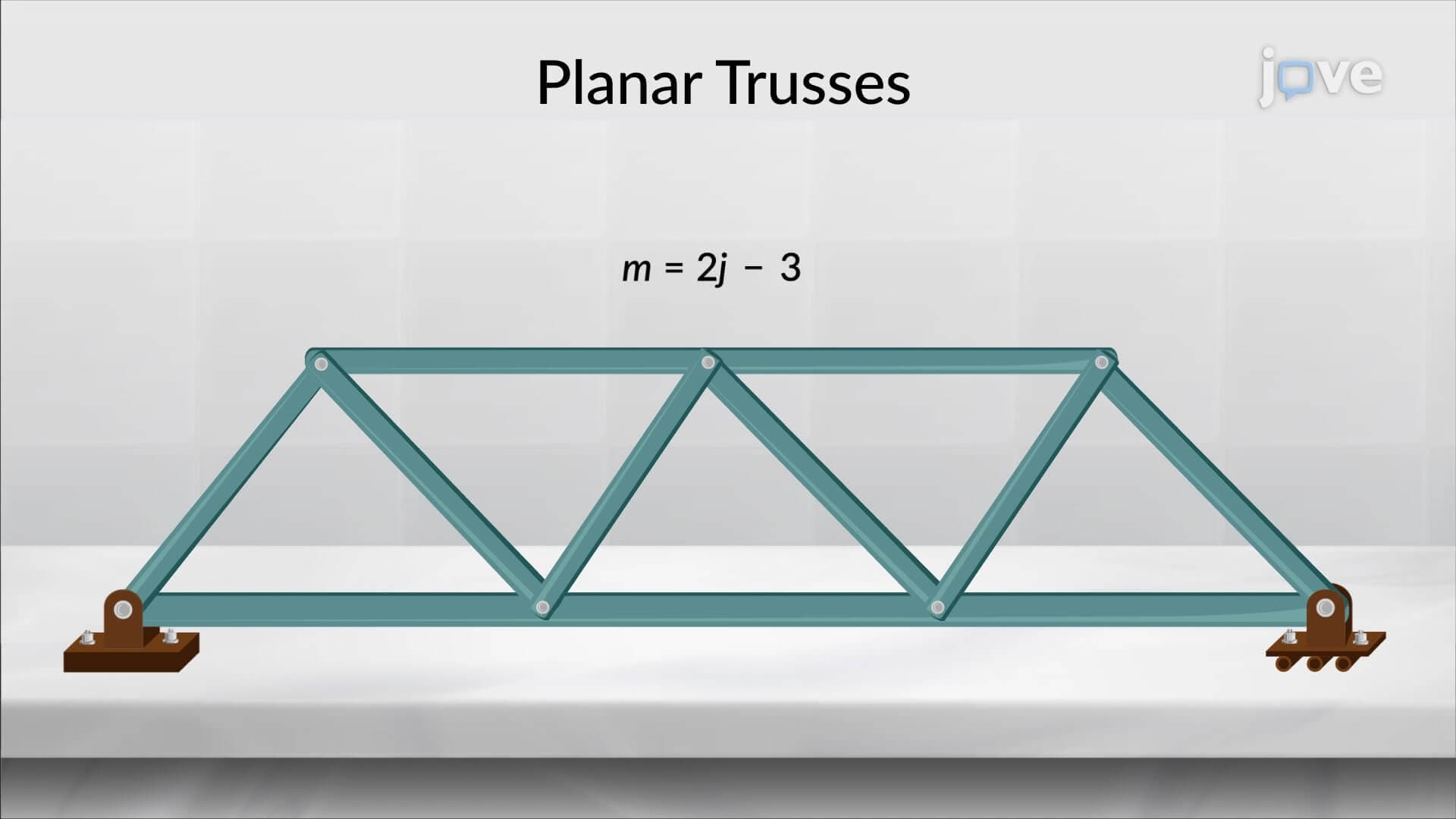
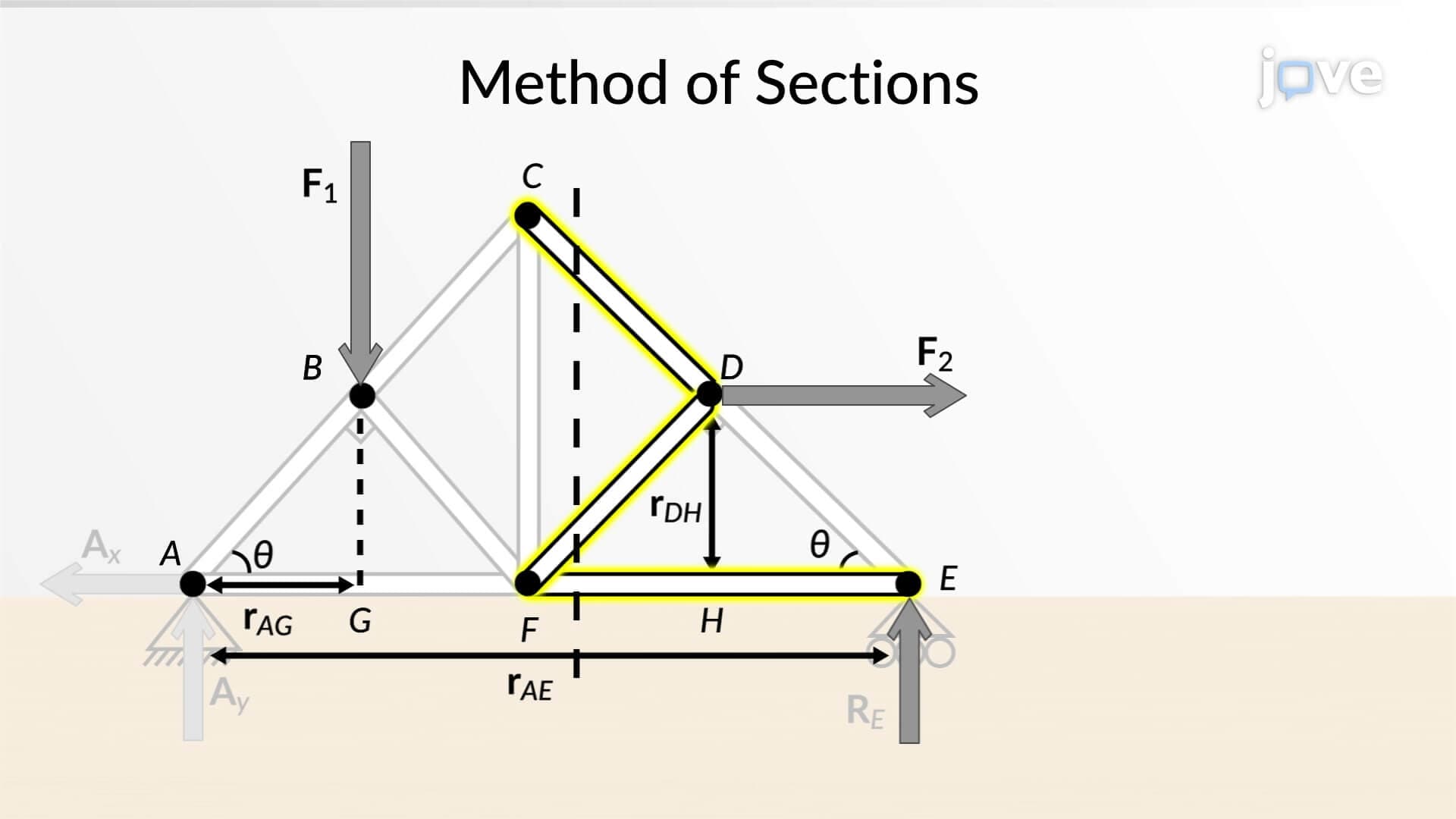
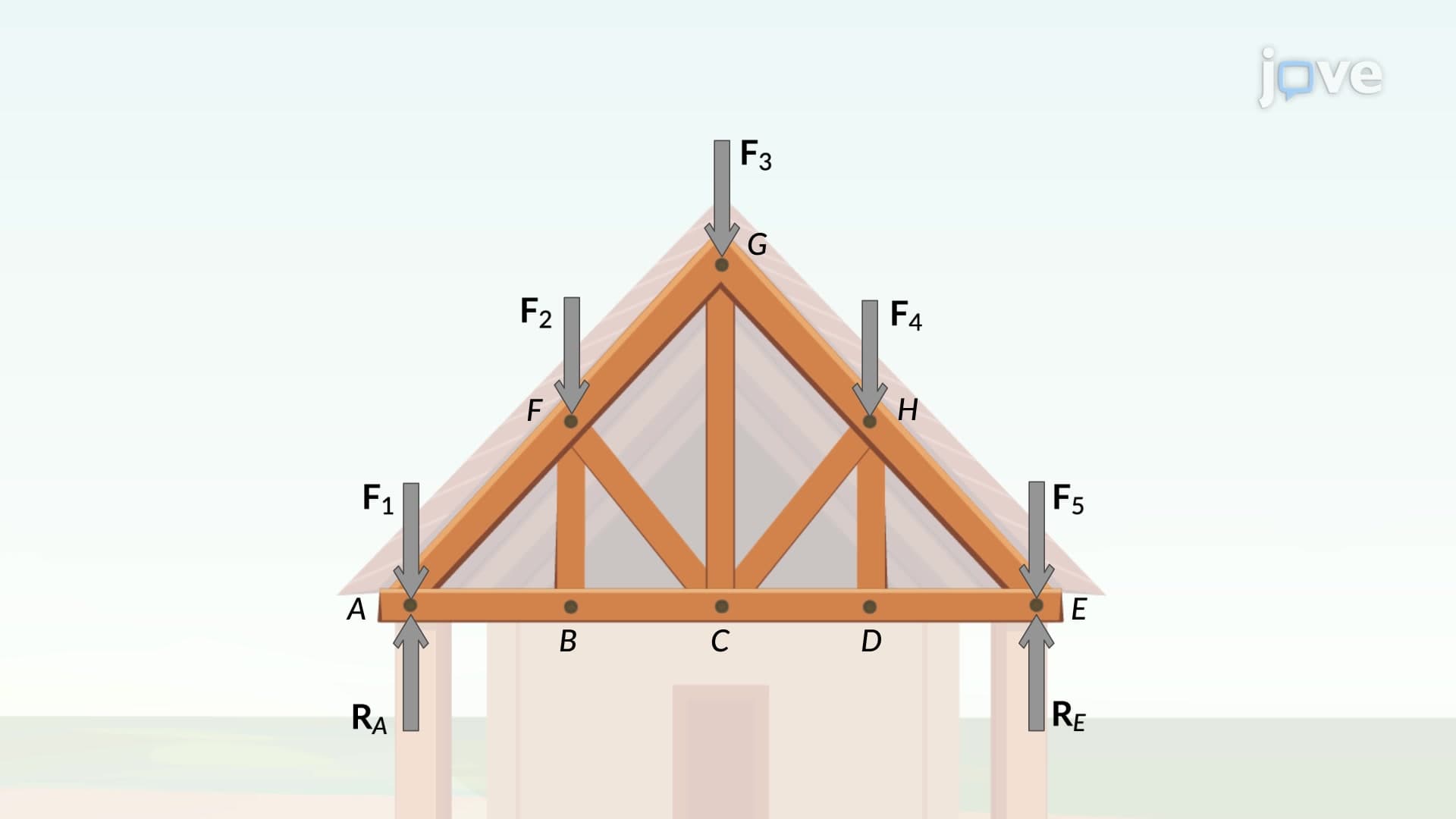
The power of this method lies in making intelligent cuts that intersect no more than three unknown force members—a limitation imposed by the three equilibrium equations available (two force equations and one moment equation). When analyzing symmetrical roof trusses, engineers typically begin by determining support reactions using global equilibrium conditions. The symmetry property becomes invaluable here, as it often results in equal reaction forces, simplifying calculations significantly.
For structures like those found in residential construction across suburban America, the method proves particularly effective. Consider a typical gable roof truss supporting a 2,400 square foot home—engineers use sectioning to verify that each member can safely carry loads from snow, wind, and the roof itself without exceeding material stress limits.
Once the strategic cut is made and the free-body diagram established, moment equilibrium becomes the primary tool for force determination. By selecting moment centers that eliminate multiple unknown forces from the equilibrium equation, engineers can solve for individual member forces directly. This approach proves especially valuable in AP Physics C courses and college-level statics classes, where students learn to recognize optimal moment centers.
The trigonometric resolution of forces into sine and cosine components allows for precise angle calculations and force magnitude determination. When dealing with diagonal members, understanding these relationships becomes crucial for distinguishing between tensile forces (positive values indicating members in tension) and compressive forces (negative values indicating members in compression).
This analytical technique appears prominently in engineering curricula nationwide, from high school AP Physics courses through undergraduate civil engineering programs at institutions like MIT and UC Berkeley. Students preparing for the Fundamentals of Engineering (FE) exam encounter numerous problems requiring sectioning analysis, particularly in structural analysis sections where time efficiency matters significantly.
Frequently Asked Questions
The method of sections problem solving i is a structural analysis technique that determines internal forces in specific truss members by cutting through the structure and analyzing equilibrium of the resulting section. Use it when you need forces in particular members without analyzing the entire truss, especially when those members are interior to the structure and difficult to reach through joint analysis.
AP Physics C Mechanics exams frequently include truss analysis problems where sectioning provides the most efficient solution path. These problems typically involve symmetric structures with known loads, requiring students to apply equilibrium principles and demonstrate understanding of force resolution. Practice with College Board's released exams shows sectioning problems appear in both multiple-choice and free-response formats.
Most engineering statics courses at universities like Stanford, Georgia Tech, and Purdue include comprehensive coverage of sectioning methods on midterm examinations. Expect problems involving both determinate and indeterminate trusses, often requiring combination of sectioning with other analysis techniques for complete solutions.
Structural engineers designing buildings, bridges, and towers across the United States use sectioning analysis to verify member adequacy during the design phase. For example, engineers working on high-rise construction in cities like New York or Chicago apply these principles to ensure steel framework members can safely carry anticipated loads without failure.
The method of sections requires only algebra, basic trigonometry, and understanding of equilibrium principles—concepts typically covered in high school mathematics. Students comfortable with solving simultaneous equations and working with sine/cosine relationships can successfully apply sectioning techniques in engineering problems.
Focus on pattern recognition by practicing problems with different truss configurations and cutting scenarios. Create a systematic approach: identify support reactions first, choose optimal cutting planes, select strategic moment centers, and always check your answers using alternative equilibrium equations.
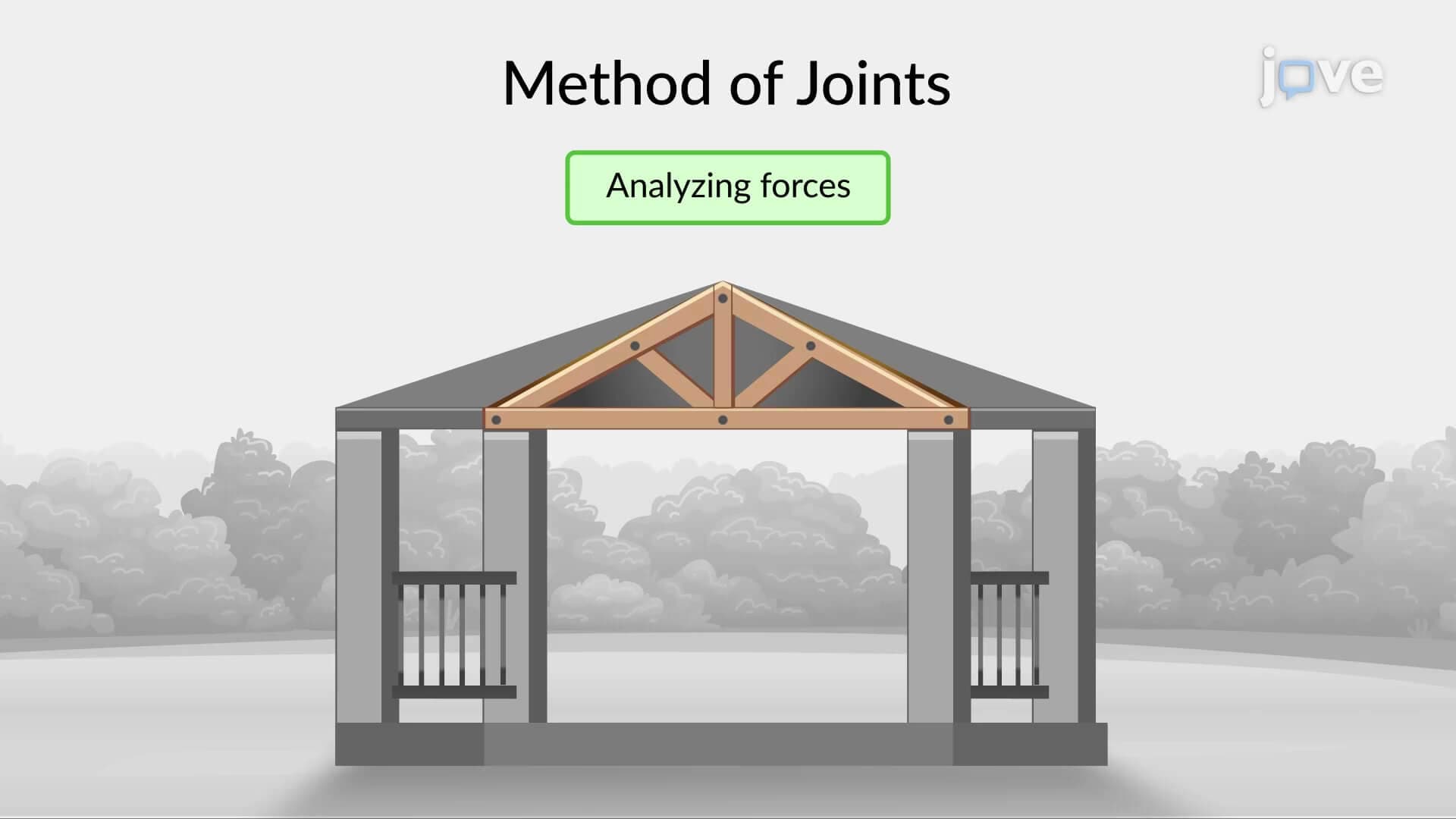
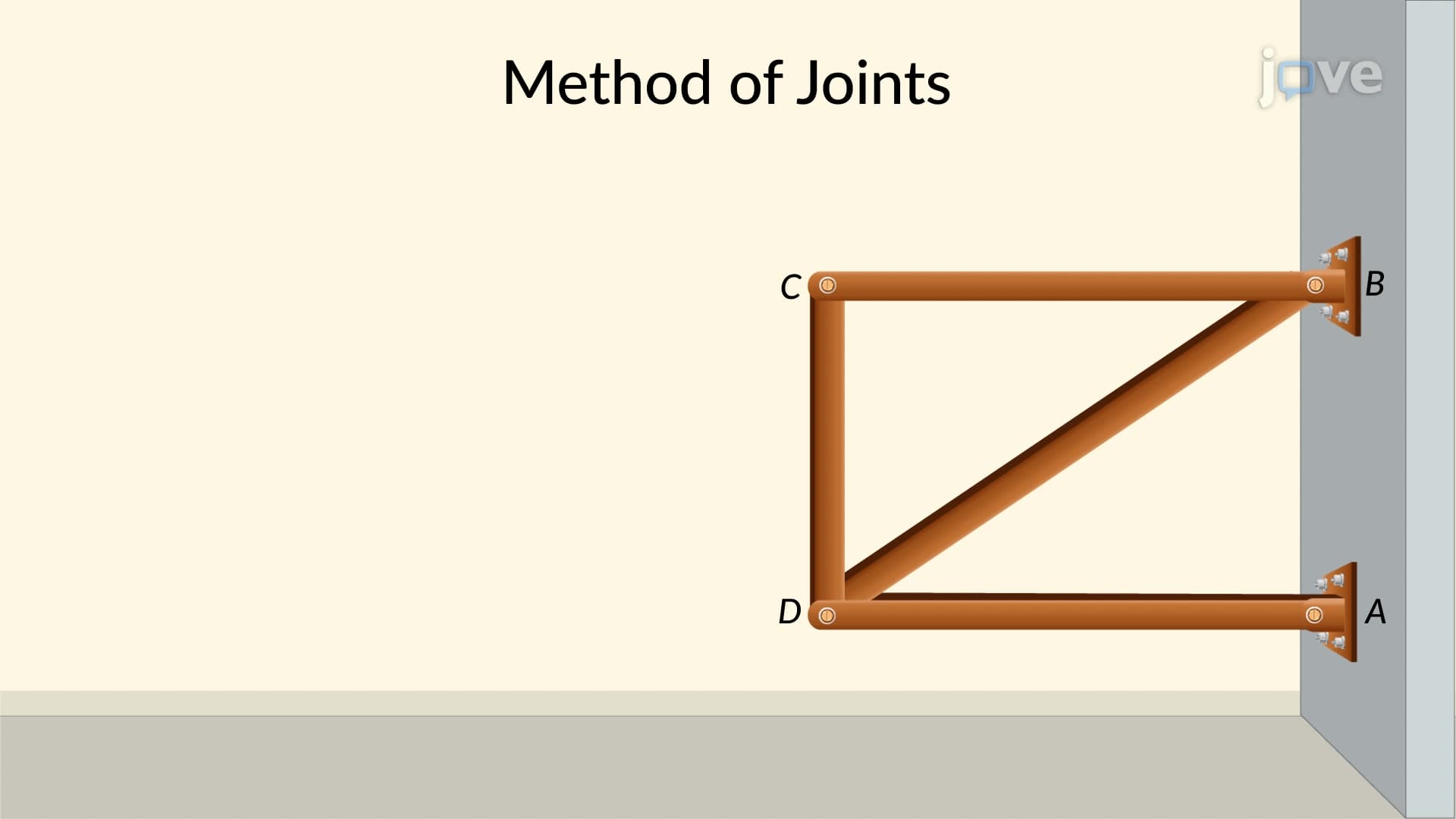
Understanding method of joints provides valuable foundation knowledge about truss behavior and equilibrium principles, making sectioning concepts more intuitive. However, sectioning can be learned independently, and many instructors introduce it as a more efficient alternative to joint-by-joint analysis.
After mastering basic sectioning, explore indeterminate structure analysis, influence lines for moving loads, and matrix methods of structural analysis. These topics appear in advanced undergraduate courses and form the foundation for modern computer-aided structural design used throughout the engineering industry.
Related Micro-courses
Related Subjects
 Civil Engineering 30 micro-courses›Electrical Engineering 33 micro-courses›