Loading…
Loading video…

16,974 views
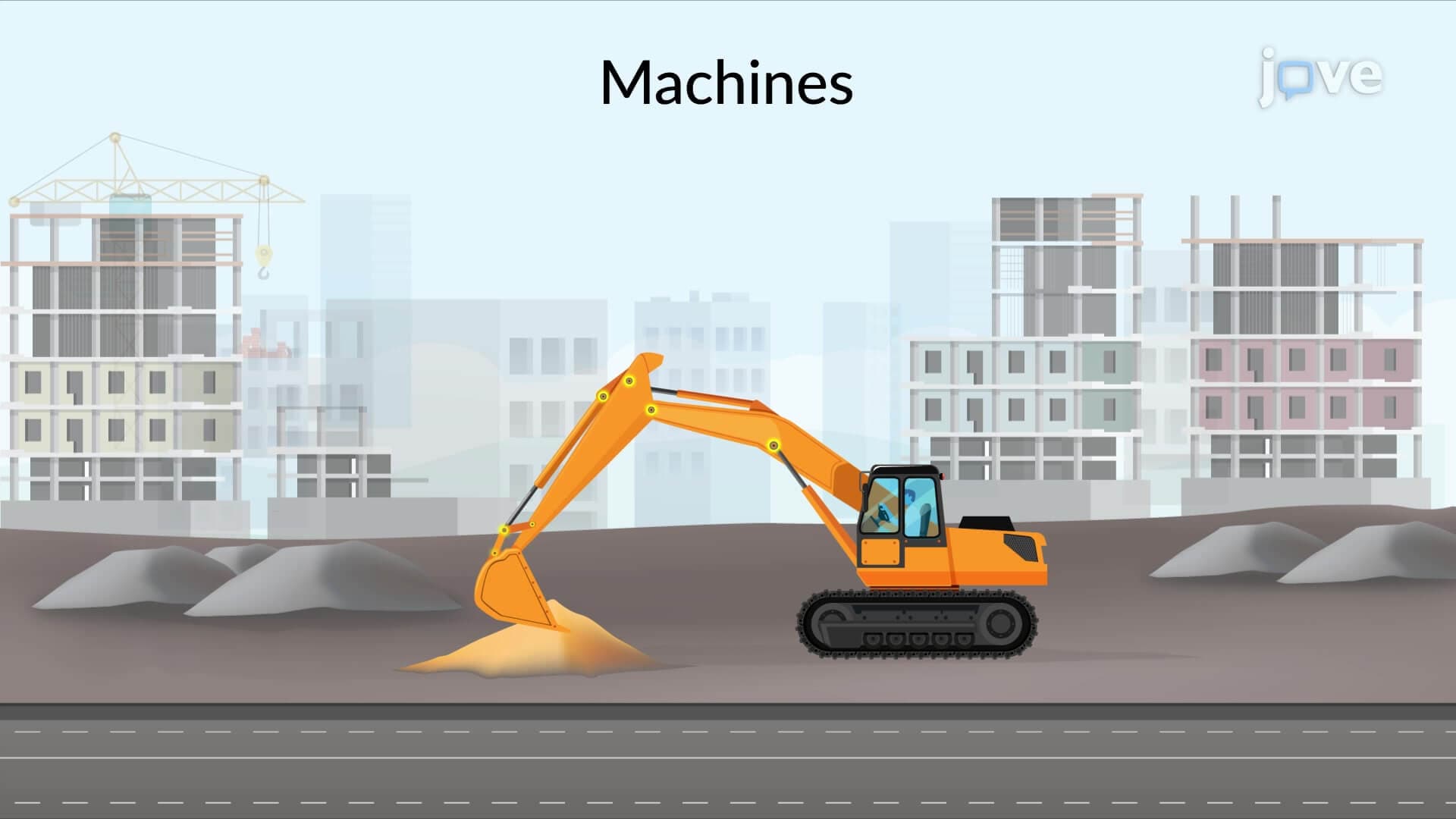
Ever wonder how a simple pair of pliers can multiply the force you apply to cut through tough wire? Machines are ingenious structures composed of movable, pin-connected components that work together to transmit and amplify forces in predictable ways. A cutting plier demonstrates this perfectly—when you squeeze the handles with moderate force, the cutting edges generate significantly greater force on the wire through mechanical advantage. This force multiplication occurs because machines create a stabilized system of multi-force members that redirect energy efficiently. Watch the full video on JoVE Coach to master this concept with expert-led visuals and step-by-step explanations.
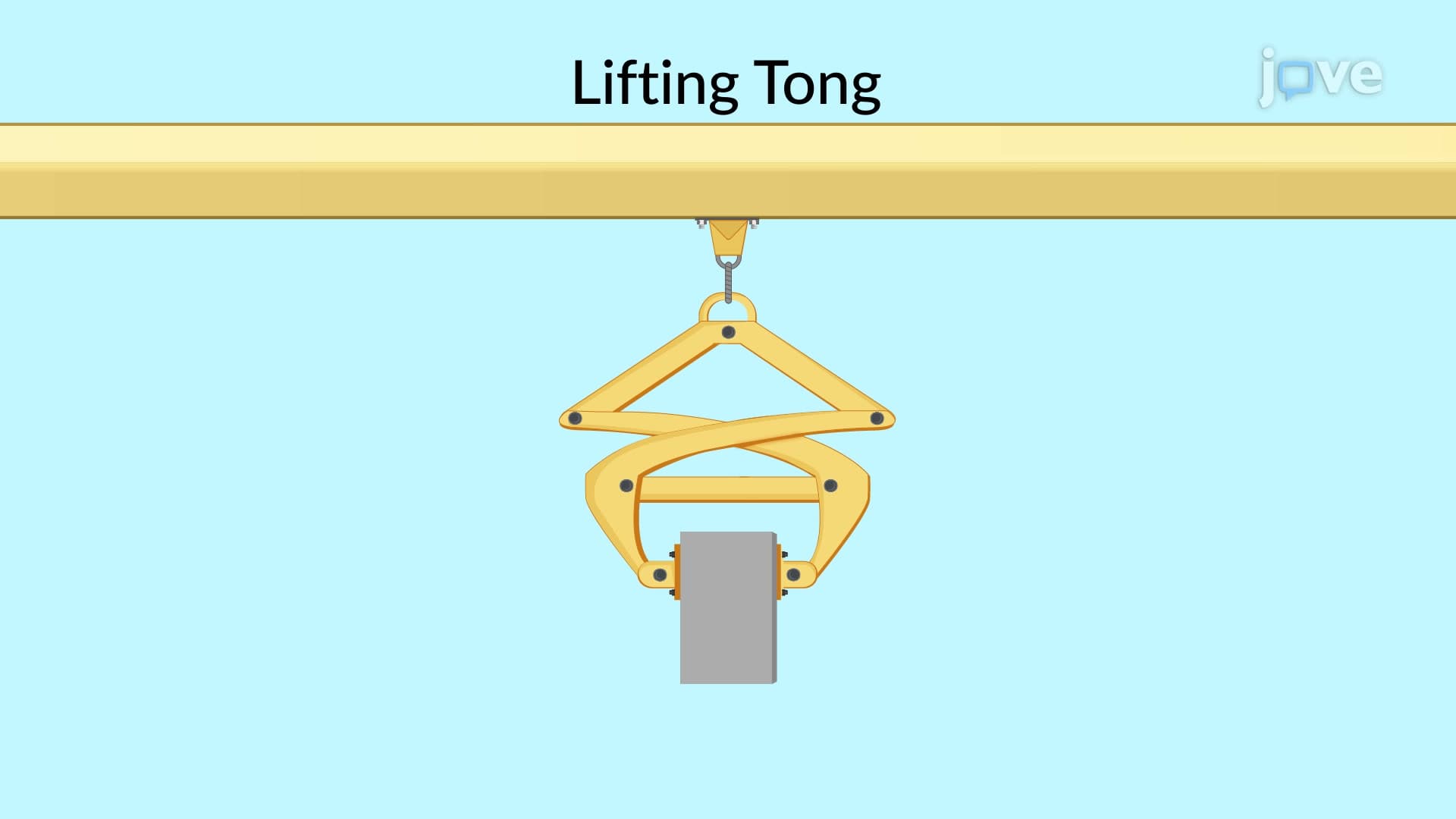
Machines represent one of humanity's most fundamental technological achievements—systems designed to transmit, redirect, and amplify forces to accomplish useful work. Unlike simple static structures, machines consist of movable components connected through pins, joints, or other mechanical linkages that allow controlled motion while maintaining structural stability.
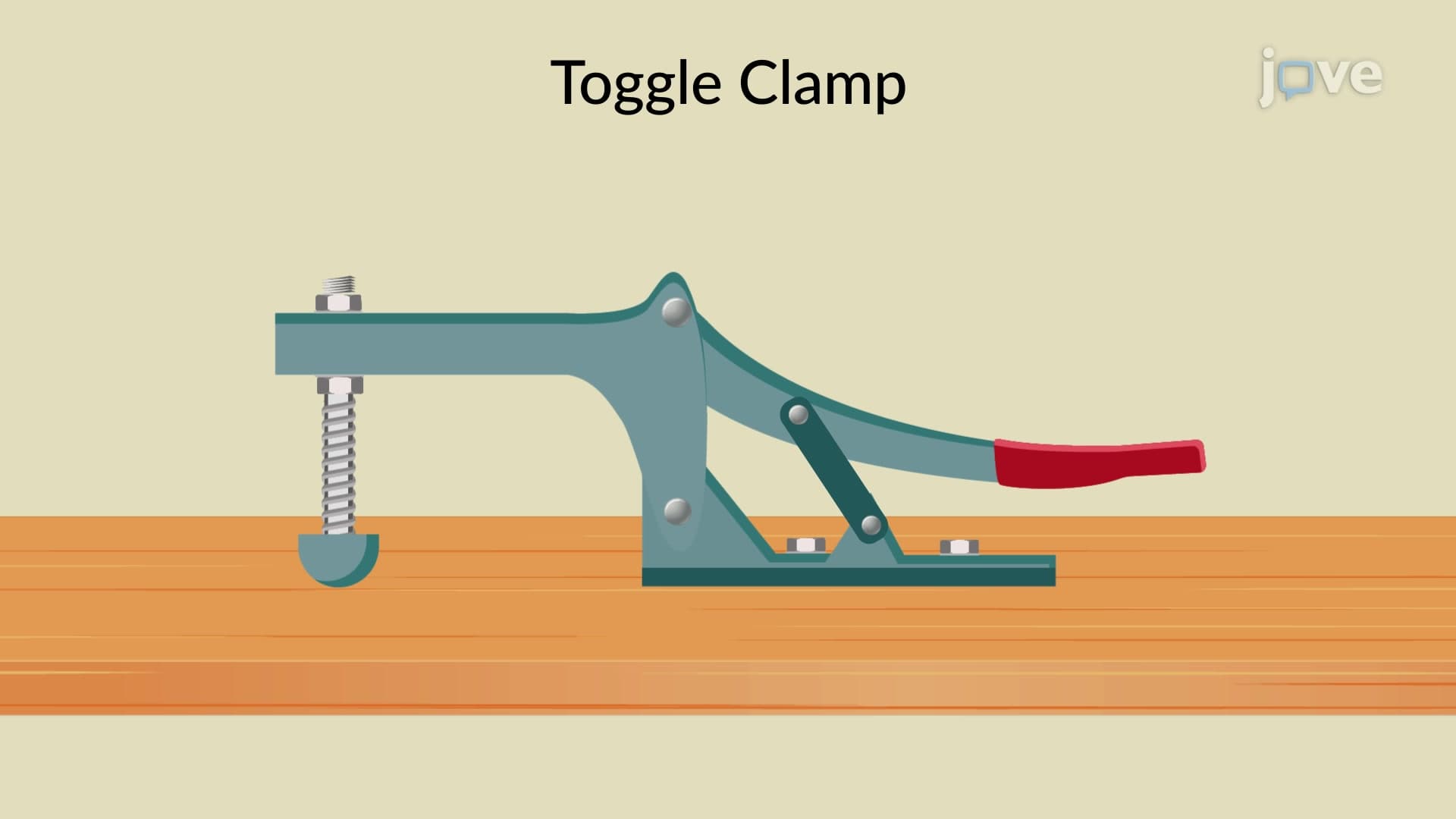
The defining characteristic of any machine lies in its ability to create mechanical advantage. When you operate a car jack, bolt cutters, or even a simple bottle opener, you're harnessing the principle that machines can multiply input forces to generate larger output forces. This force amplification occurs through the strategic arrangement of multi-force members—components that experience forces acting in multiple directions simultaneously.
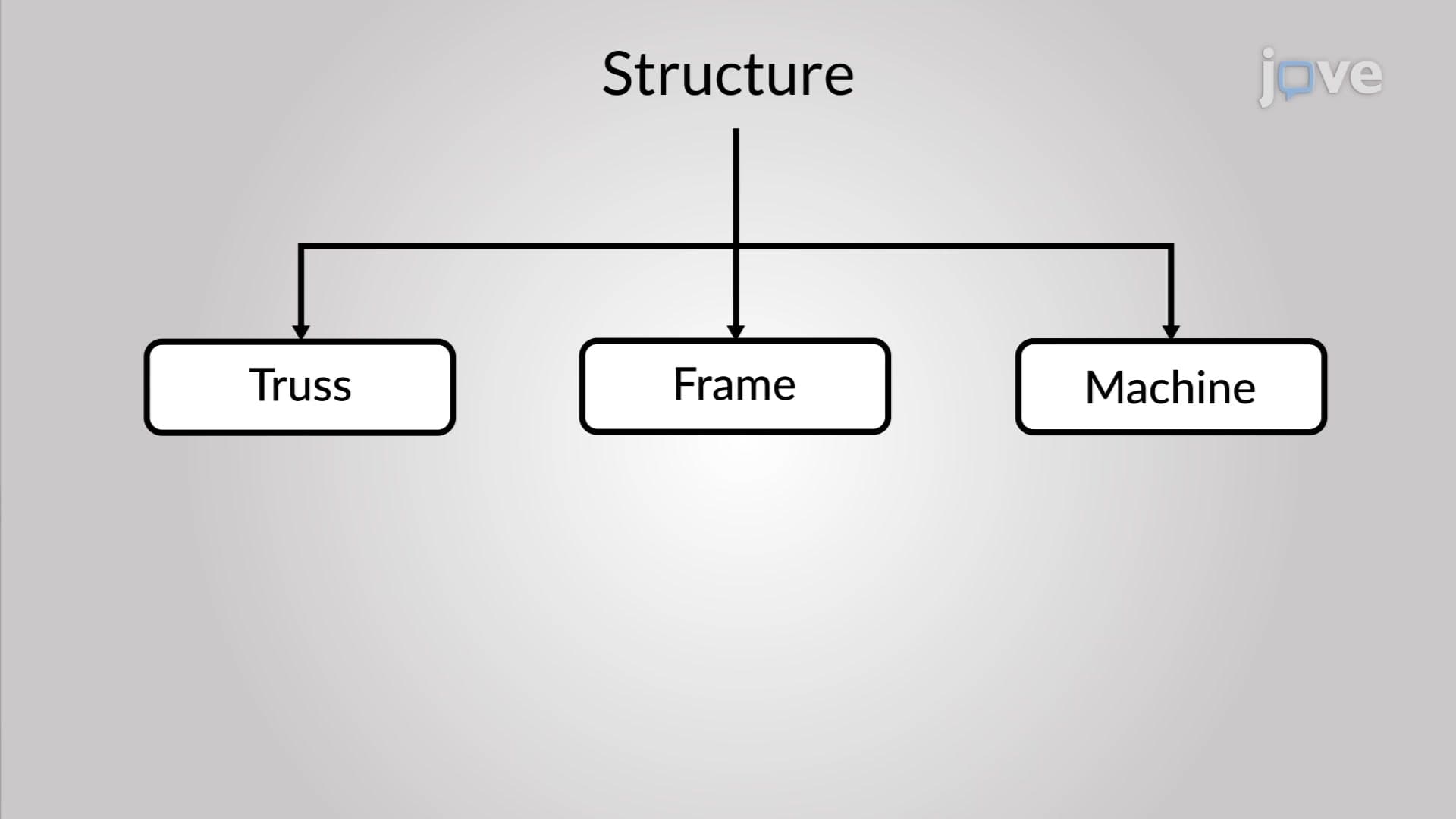
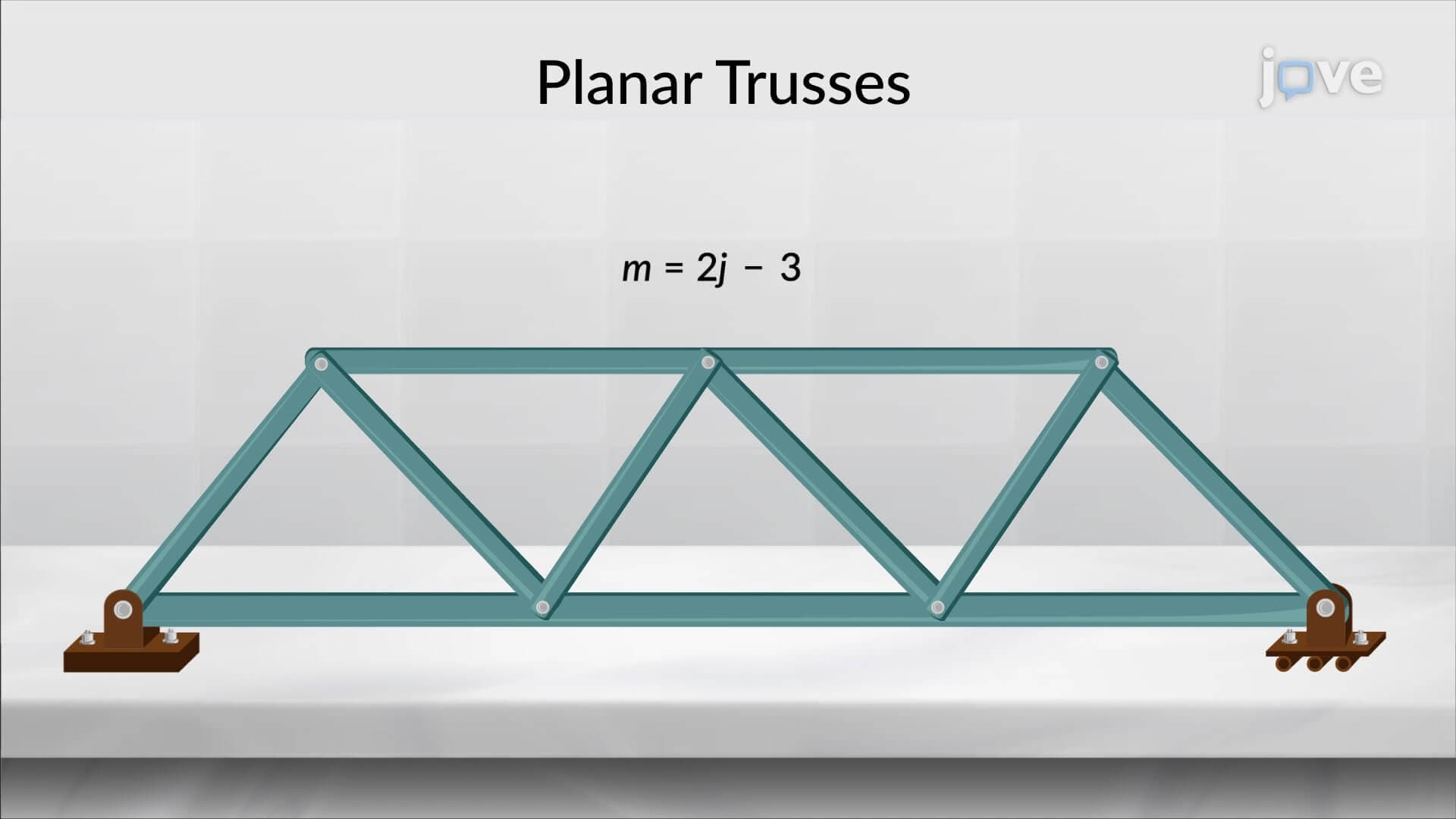
In engineering mechanics, multi-force members distinguish machines from simpler structural elements like trusses. While truss members typically experience only axial tension or compression, machine components must handle complex force combinations including bending moments, shear forces, and varying load directions.
Consider the cutting pliers example: each handle represents a multi-force member experiencing your applied grip force, reaction forces from the pivot pin, and internal stresses from the cutting resistance. The pivot pin itself becomes a critical load-bearing element, transferring forces between the two plier halves while allowing rotational movement.
Successful machine analysis requires systematic application of free-body diagrams—a skill heavily emphasized in AP Physics, college statics courses, and engineering mechanics. By isolating individual components and identifying all acting forces, engineers can determine internal loads, stress concentrations, and failure points.
For the plier system, drawing separate free-body diagrams for each handle and the pivot pin reveals the complete force distribution. Taking moments about the pivot point establishes the fundamental relationship between input and output forces, directly demonstrating mechanical advantage calculations that appear frequently on standardized tests like the AP Physics exam.
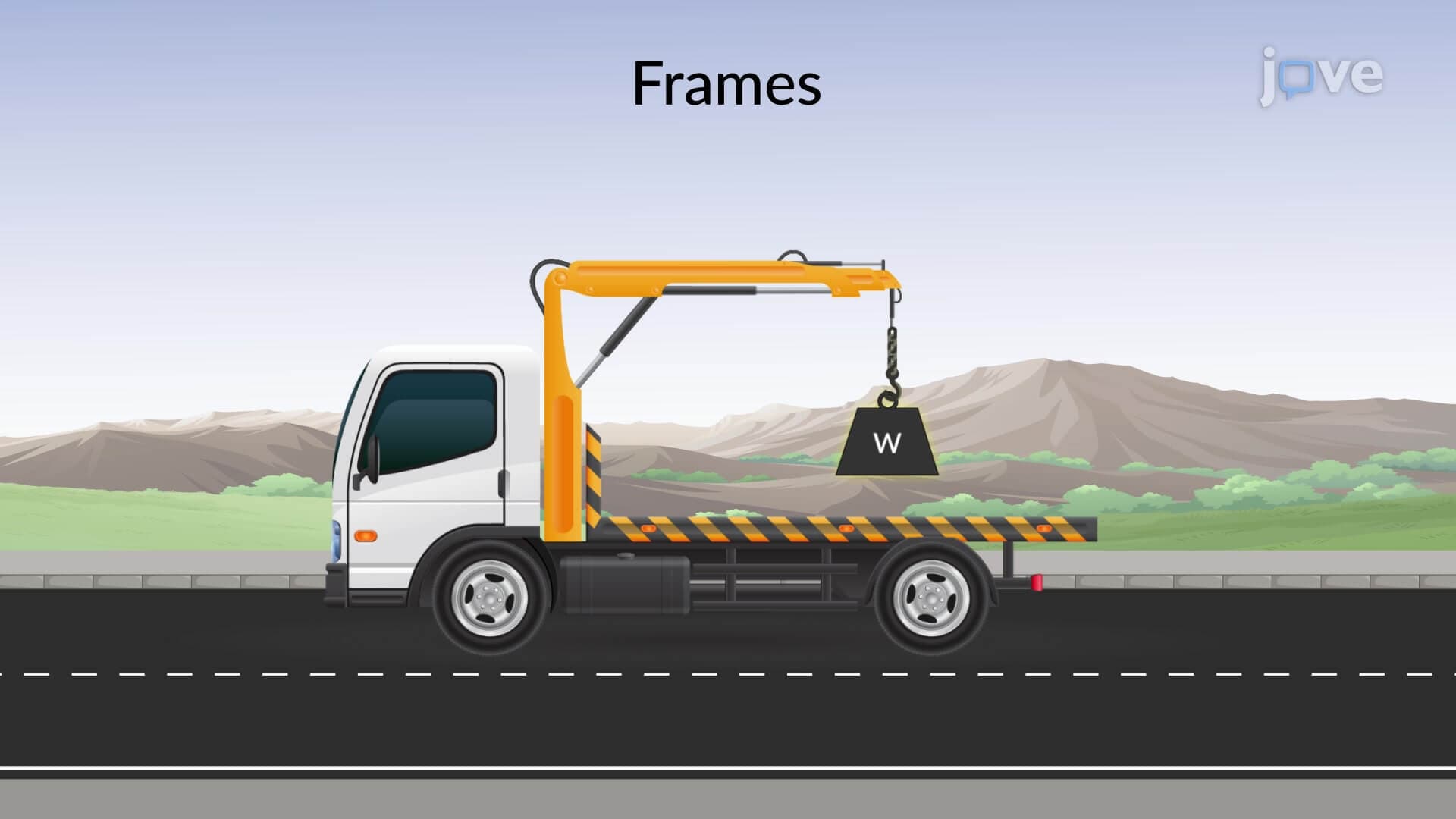
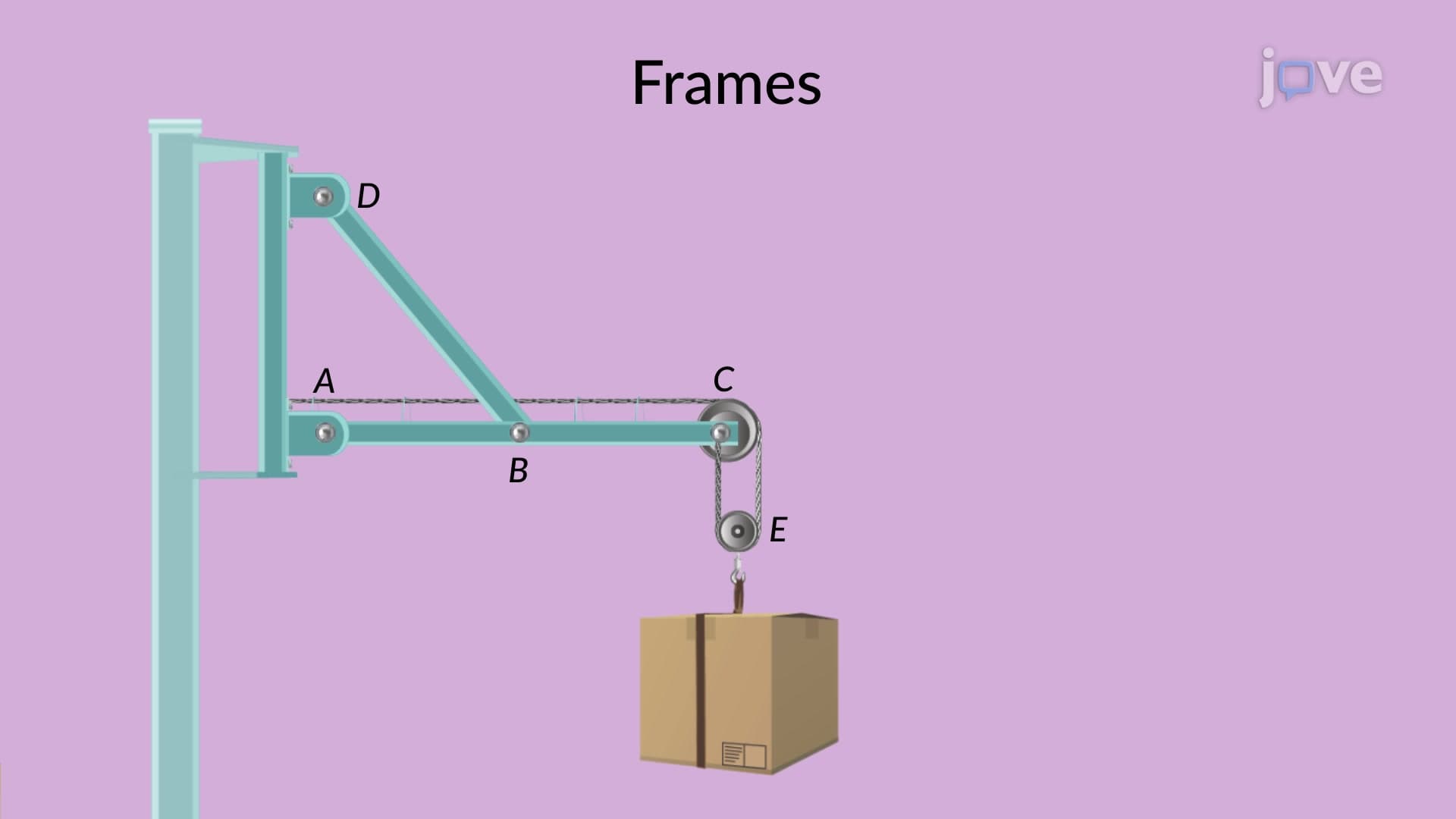
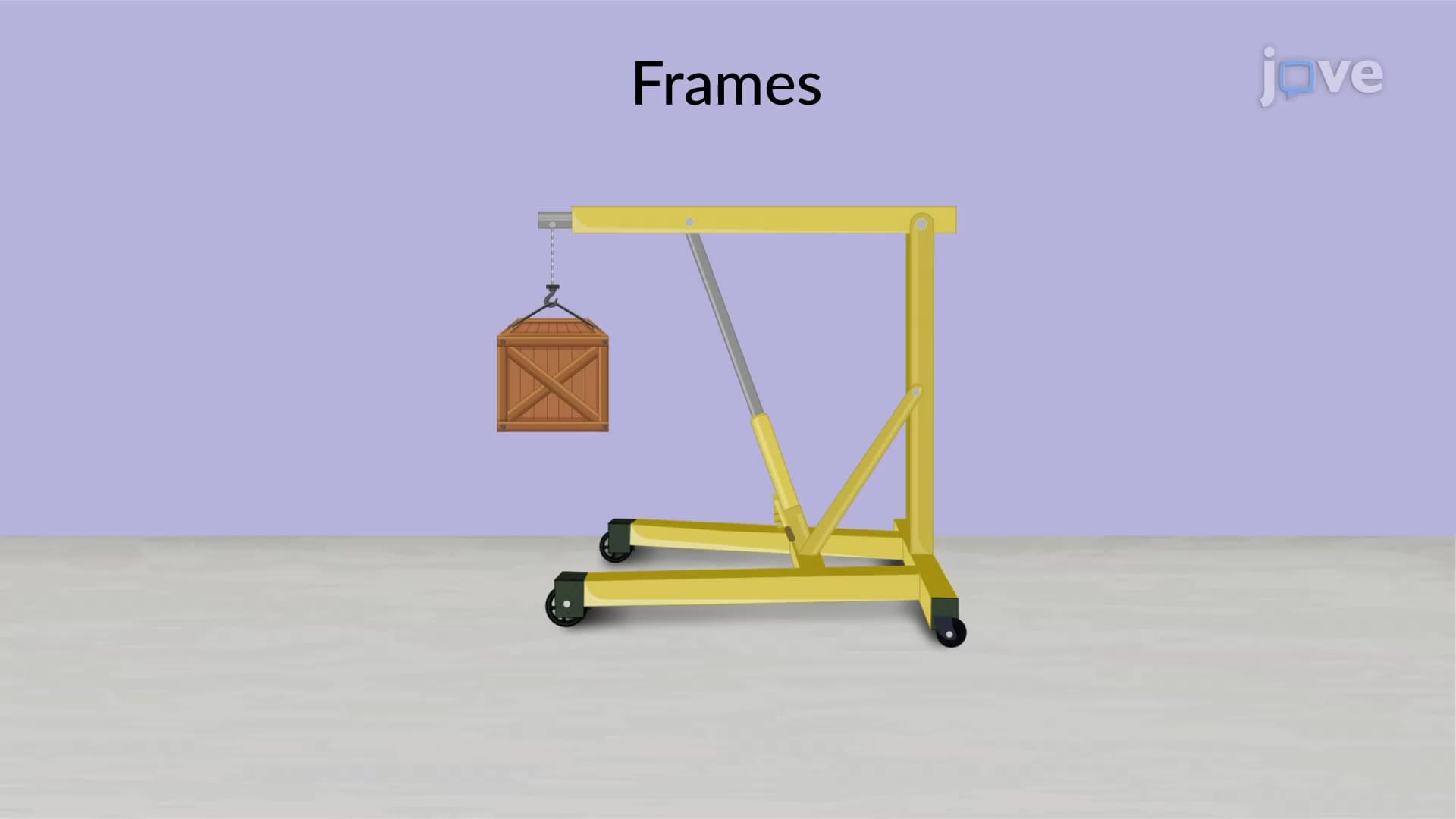
Modern American manufacturing relies extensively on machine principles. Automotive assembly lines employ robotic arms that function as complex machines, multiplying pneumatic or electric input forces to handle heavy components. Construction equipment like excavators and cranes represent sophisticated machine systems where hydraulic cylinders and mechanical linkages work together to lift massive loads safely.
Understanding machine fundamentals proves essential for students pursuing engineering, technology, or applied science careers. These concepts form the foundation for advanced coursework in mechanical design, robotics, and automation systems that drive American industrial innovation.
Frequently Asked Questions
Machines are mechanical systems composed of movable, interconnected components that transmit and modify forces to accomplish useful work. They consist of multi-force members connected through pins or joints that create mechanical advantage, allowing smaller input forces to generate larger output forces. This fundamental principle underlies everything from simple tools like pliers and levers to complex systems like automotive transmissions and industrial robots.
Unlike static structures that simply support loads, machines actively transmit and transform forces through movable components. While basic mechanisms may produce motion, machines specifically focus on force manipulation and mechanical advantage. Machine components are typically multi-force members that experience complex loading conditions, whereas structural elements often handle primarily axial forces in tension or compression.
Yes, machine analysis frequently appears on AP Physics C exams, particularly in mechanics sections covering statics and dynamics. College-level statics, dynamics, and mechanics of materials courses extensively cover machine analysis using free-body diagrams and equilibrium principles. These concepts also appear on engineering fundamentals exams and graduate school entrance tests for mechanical and civil engineering programs.
Start by identifying all machine components and drawing separate free-body diagrams for each element, including connection pins. Apply equilibrium equations (sum of forces equals zero, sum of moments equals zero) to each component systematically. For mechanical advantage problems, take moments about pivot points to establish input-output force relationships. Practice with common examples like pliers, scissors, and lever systems that frequently appear on exams.
Common American examples include automotive brake systems (where pedal force multiplies to create stopping power), construction tools like bolt cutters and pipe wrenches, kitchen appliances like can openers and nutcrackers, and playground equipment like seesaws. Industrial examples include hydraulic jacks used in auto repair shops, mechanical presses in manufacturing, and crane systems at construction sites throughout the country.
Basic machine analysis requires only algebra and introductory trigonometry, making it accessible to high school students in physics or pre-engineering courses. You'll need to work with force vectors, calculate moments (force times distance), and solve simple equations simultaneously. More advanced machine design involves calculus and differential equations, but fundamental concepts rely on straightforward mathematical relationships.
Focus on mastering free-body diagram construction and equilibrium equation application. Practice identifying multi-force members and connection forces in common machine examples. Work through problems involving mechanical advantage calculations and moment equilibrium. Create a systematic approach: isolate components, identify forces, apply equilibrium conditions, and solve for unknowns methodically.
Progress to kinematics of machines (motion analysis), dynamic force analysis in moving systems, and cam/gear mechanisms. Advanced coursework includes machine design principles, failure analysis, vibration theory, and control systems. These topics prepare you for specialized engineering fields like robotics, automotive design, and automated manufacturing systems.
Related Micro-courses
Related Subjects
 Civil Engineering 30 micro-courses›Electrical Engineering 33 micro-courses›