Loading…
Loading video…

16,974 views
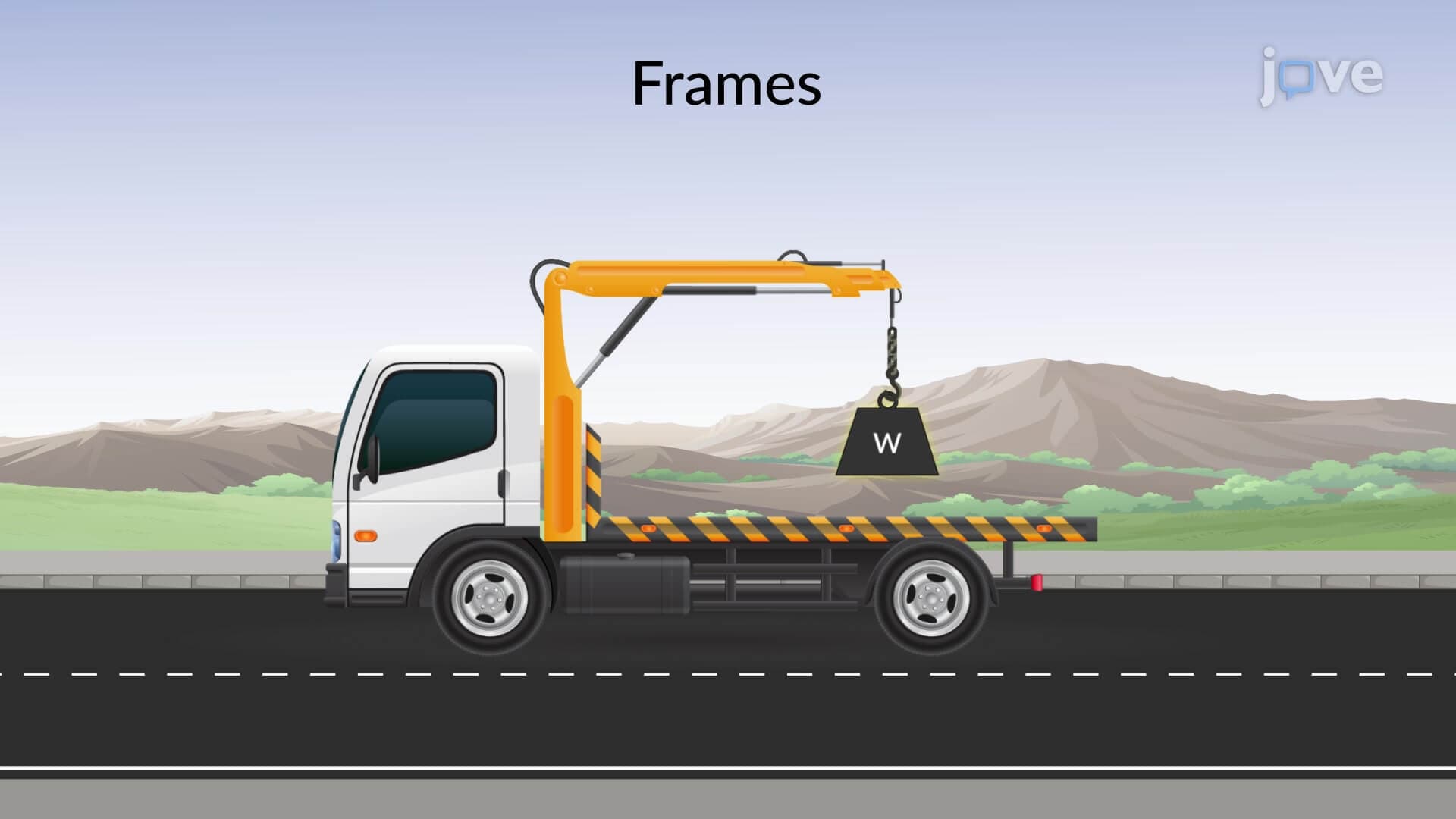
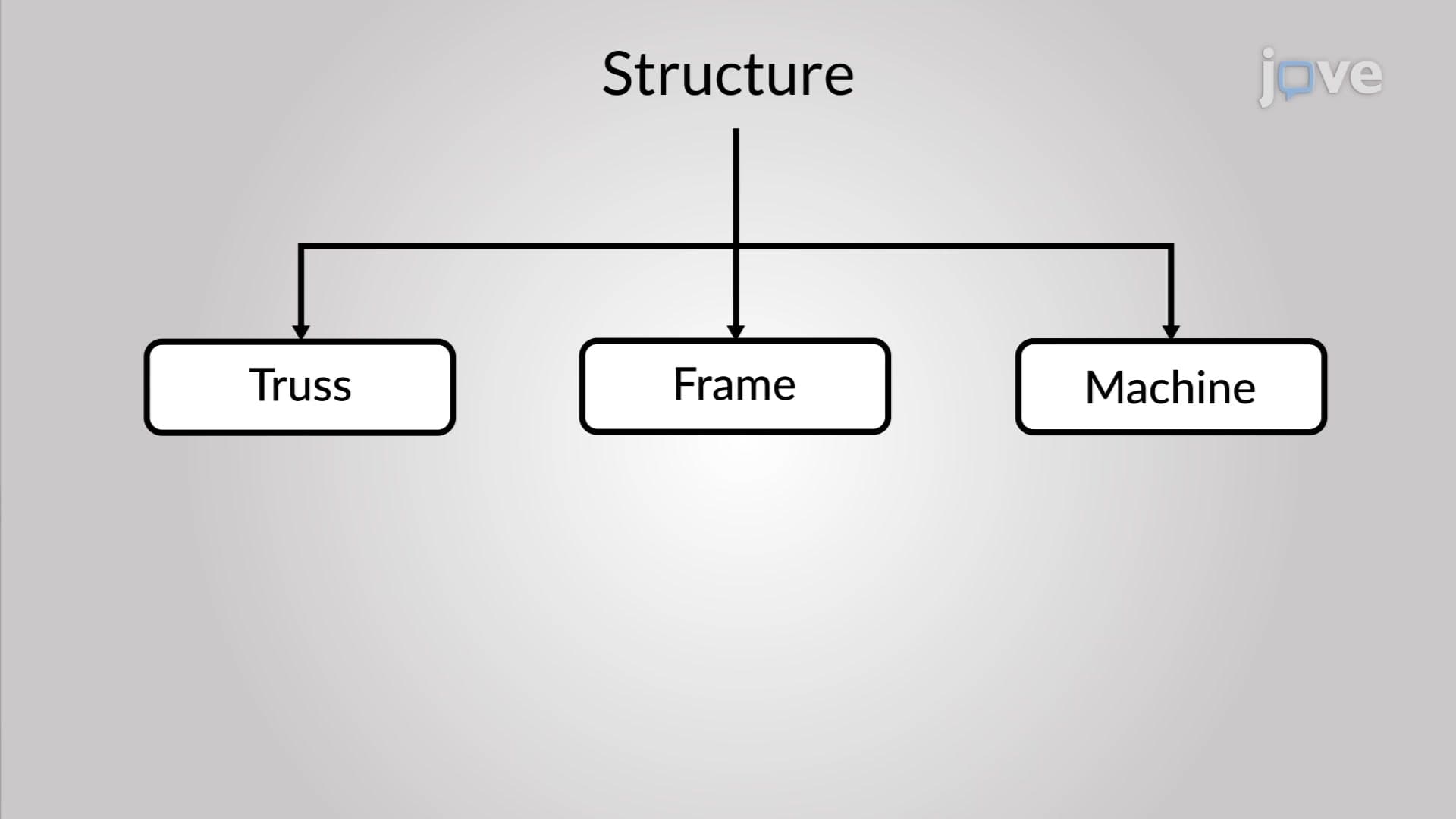
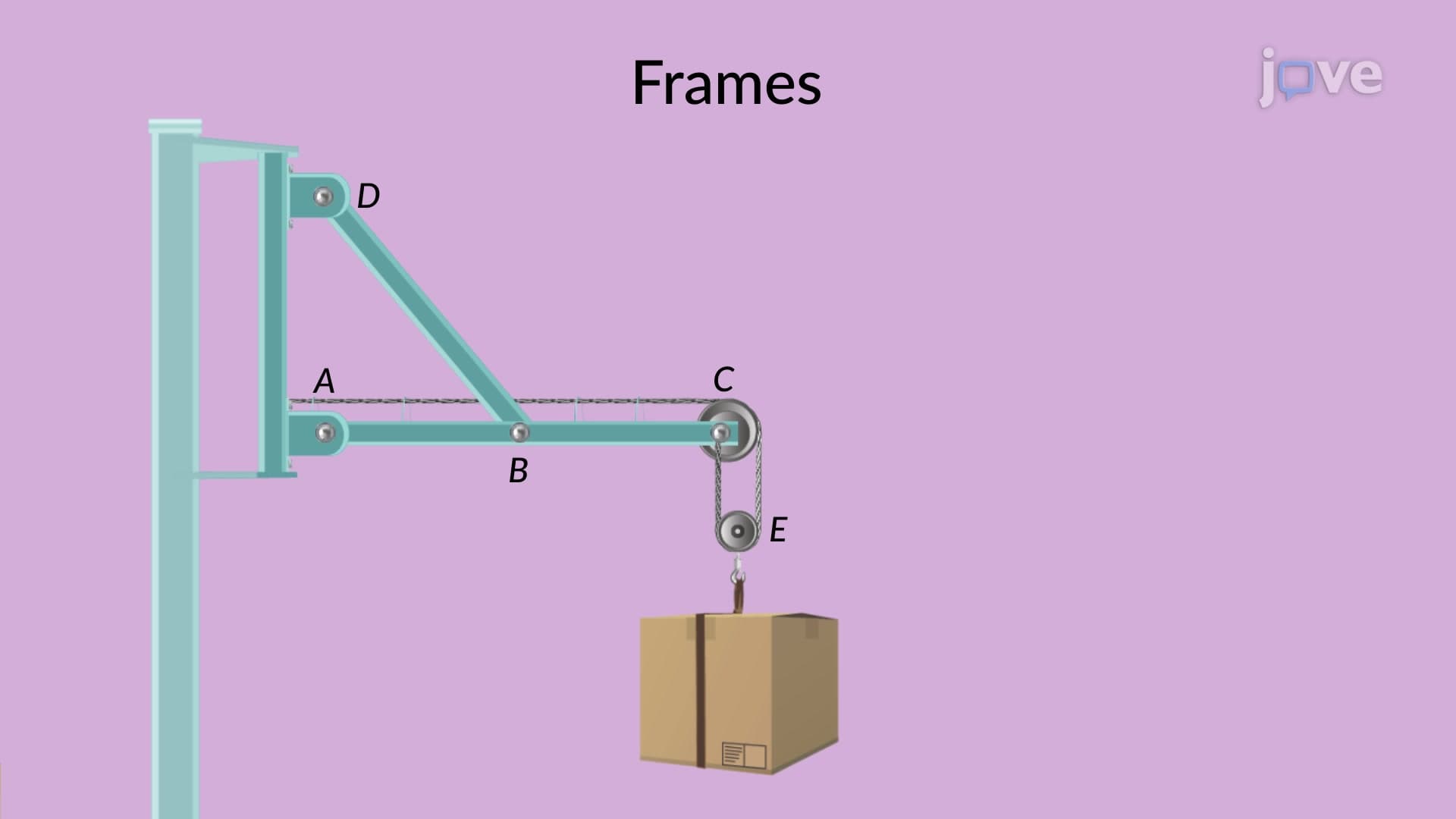
Ever wonder how skyscrapers like New York's Empire State Building stay upright under massive wind loads and their own weight? Frames are the backbone of structural engineering, consisting of rigid, interconnected members that form stabilized systems to support external forces. Unlike trusses that only handle axial forces, frames contain both two-force members and multi-force members that resist forces from multiple directions simultaneously. Watch the full video on JoVE Coach to master this concept with expert-led visuals and step-by-step explanations.
Frames represent one of the most versatile and widely-used structural systems in engineering. These rigid assemblies of interconnected members create stable frameworks capable of supporting complex loading patterns. The fundamental distinction between frames and other structural systems lies in their ability to handle multi-directional forces through specialized member configurations.
Frames can be categorized based on their connection methods and load-bearing capabilities. Pin-connected frames use hinged joints that allow rotation but prevent translation, making them statically determinate and easier to analyze. Rigid frames employ fixed connections that resist both rotation and translation, creating more complex but often stronger structural systems.
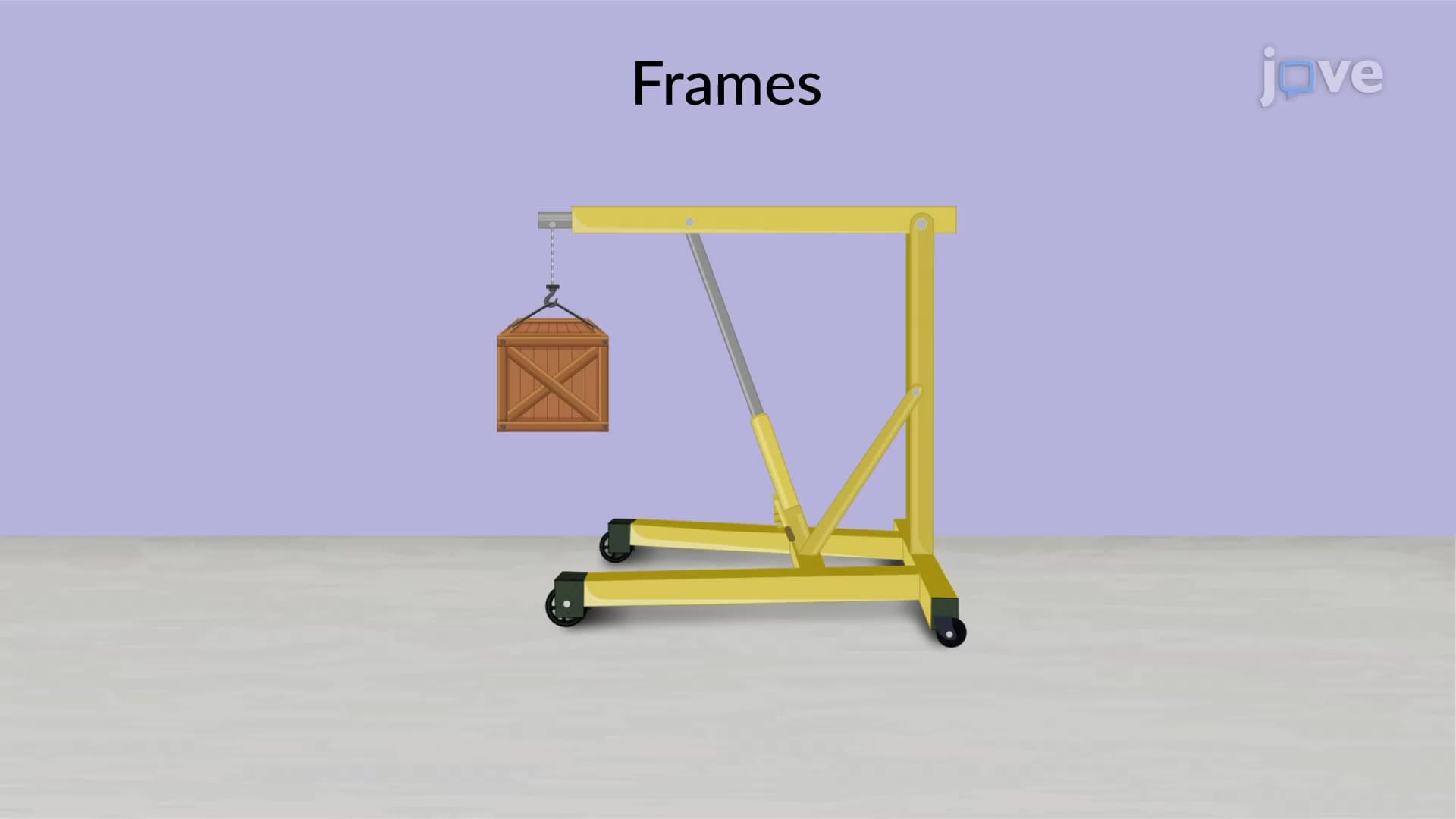
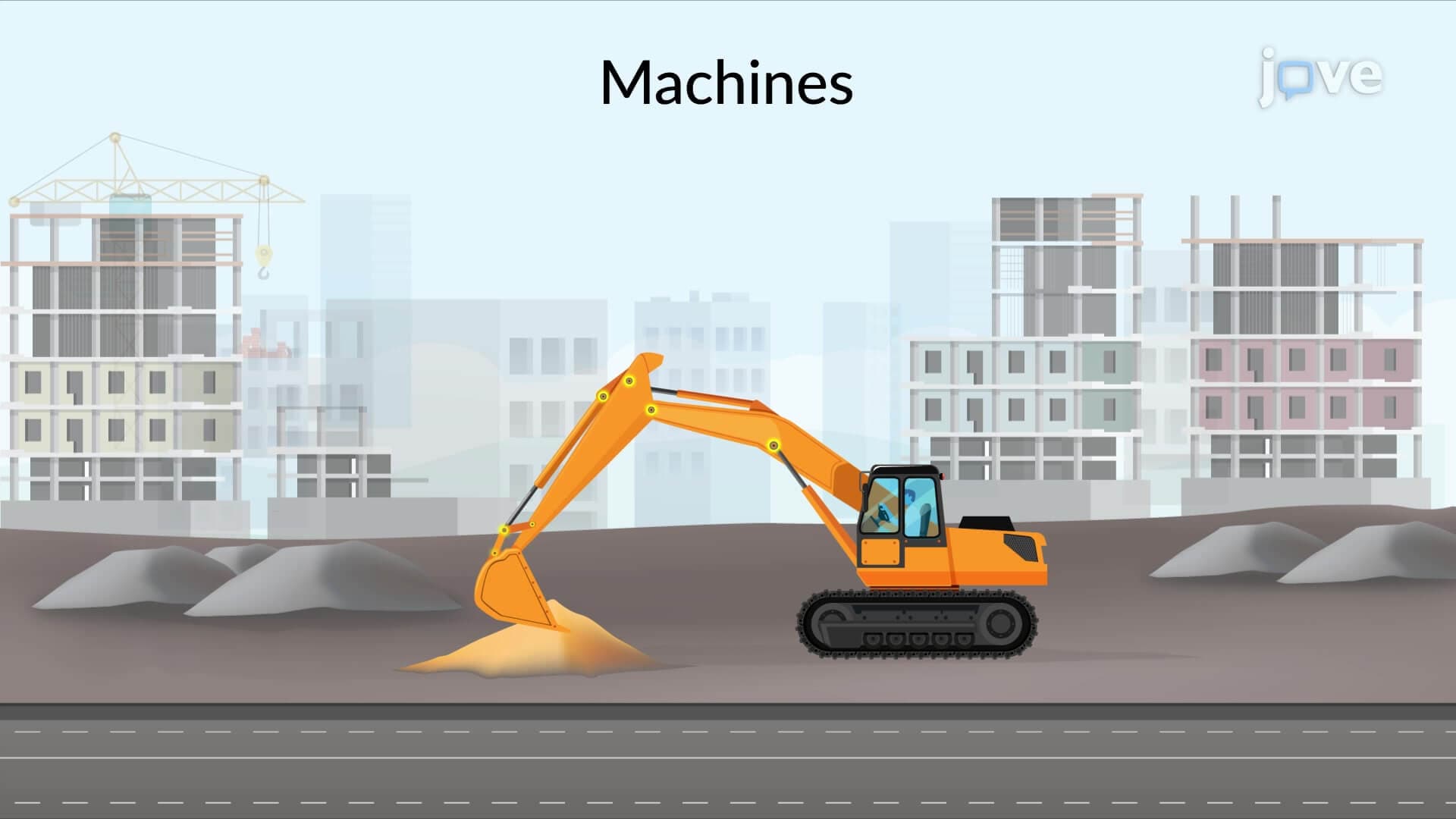
The types of frames extend across numerous applications: building frames form the skeleton of high-rises like Chicago's Willis Tower, automotive chassis frames provide structural integrity for vehicles, and equipment frames support heavy machinery like construction cranes. Each type requires specific analysis techniques based on loading conditions and support constraints.
The critical difference in frame analysis centers on member classification. Two-force members experience forces only at their endpoints, with internal forces acting along the member's axis in pure tension or compression. Multi-force members, however, experience three or more forces acting at various points and directions, creating bending moments and complex internal stress distributions.
This distinction becomes crucial during analysis. For example, when analyzing a construction crane lifting a 10-ton load, the main boom acts as a two-force member under pure compression, while the mast serves as a multi-force member handling both the boom's reaction force and the counterweight's influence.
Frame analysis appears frequently in AP Physics mechanics problems and college-level statics courses. Students typically encounter frame problems in contexts like bridge design, building analysis, and mechanical systems. The systematic approach involves: (1) drawing complete free-body diagrams, (2) identifying member types, (3) applying equilibrium equations, and (4) solving for unknown forces and reactions.
Understanding frames proves essential for students pursuing engineering disciplines, as these concepts form the foundation for advanced topics like structural dynamics, earthquake-resistant design, and mechanical system analysis.
Frequently Asked Questions
A frame is a rigid structural system composed of interconnected members designed to support external loads through pin or fixed connections. Unlike trusses that only handle axial forces, frames contain multi-force members that resist forces from multiple directions. They're commonly found in building construction, vehicle chassis, and heavy equipment like cranes.
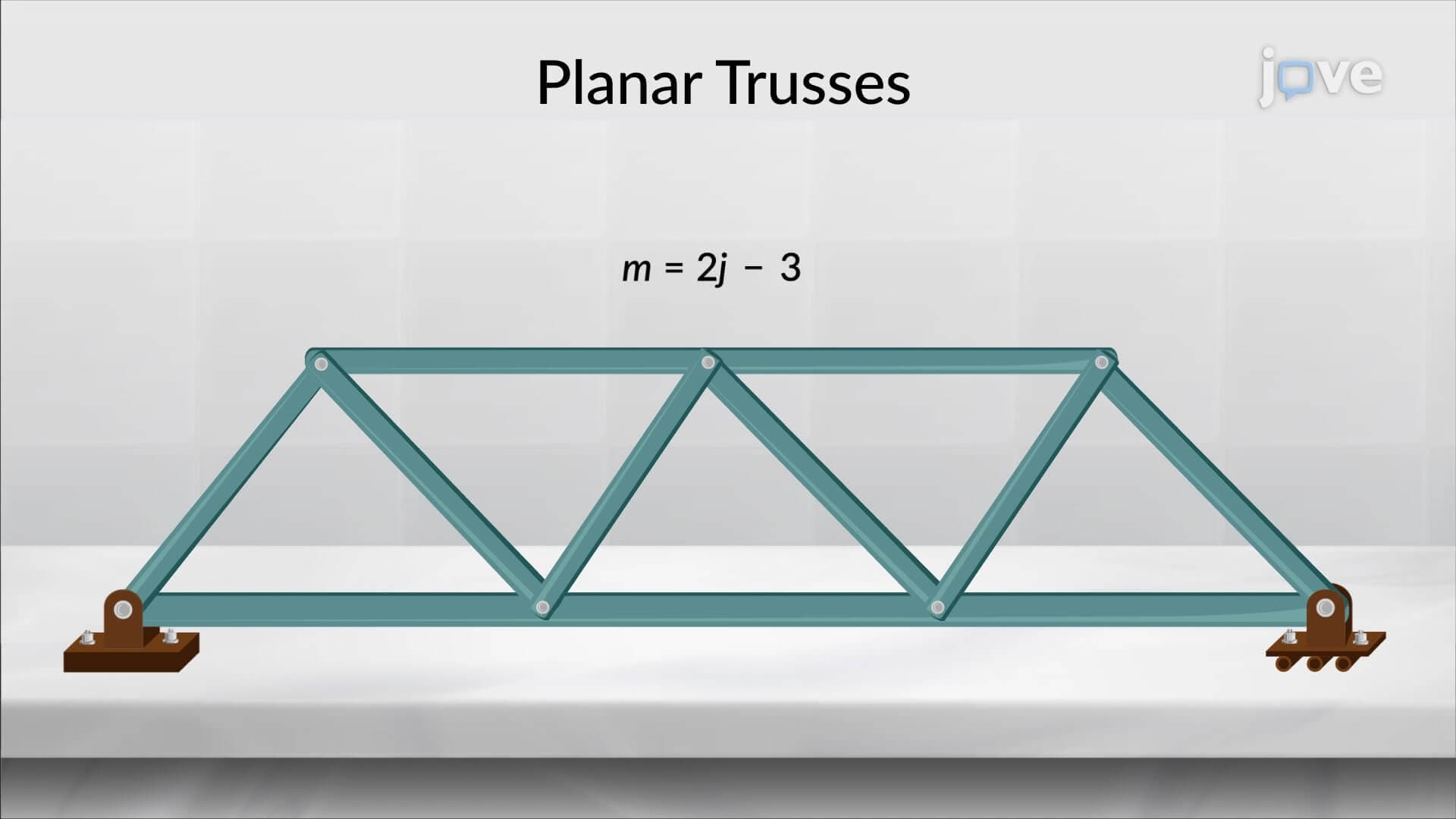
Frames contain both two-force and multi-force members, while trusses consist only of two-force members experiencing pure axial forces. This means frame members can experience bending moments and shear forces, making their analysis more complex but allowing greater structural versatility. Frames can support loads applied anywhere along their members, unlike trusses that only handle loads at joints.
AP Physics typically features frame analysis through static equilibrium problems involving construction equipment, simple building structures, or mechanical linkages. Students must identify forces, draw free-body diagrams, and apply equilibrium equations to solve for unknown reactions. These problems often combine multiple physics concepts including torque, force resolution, and vector analysis.
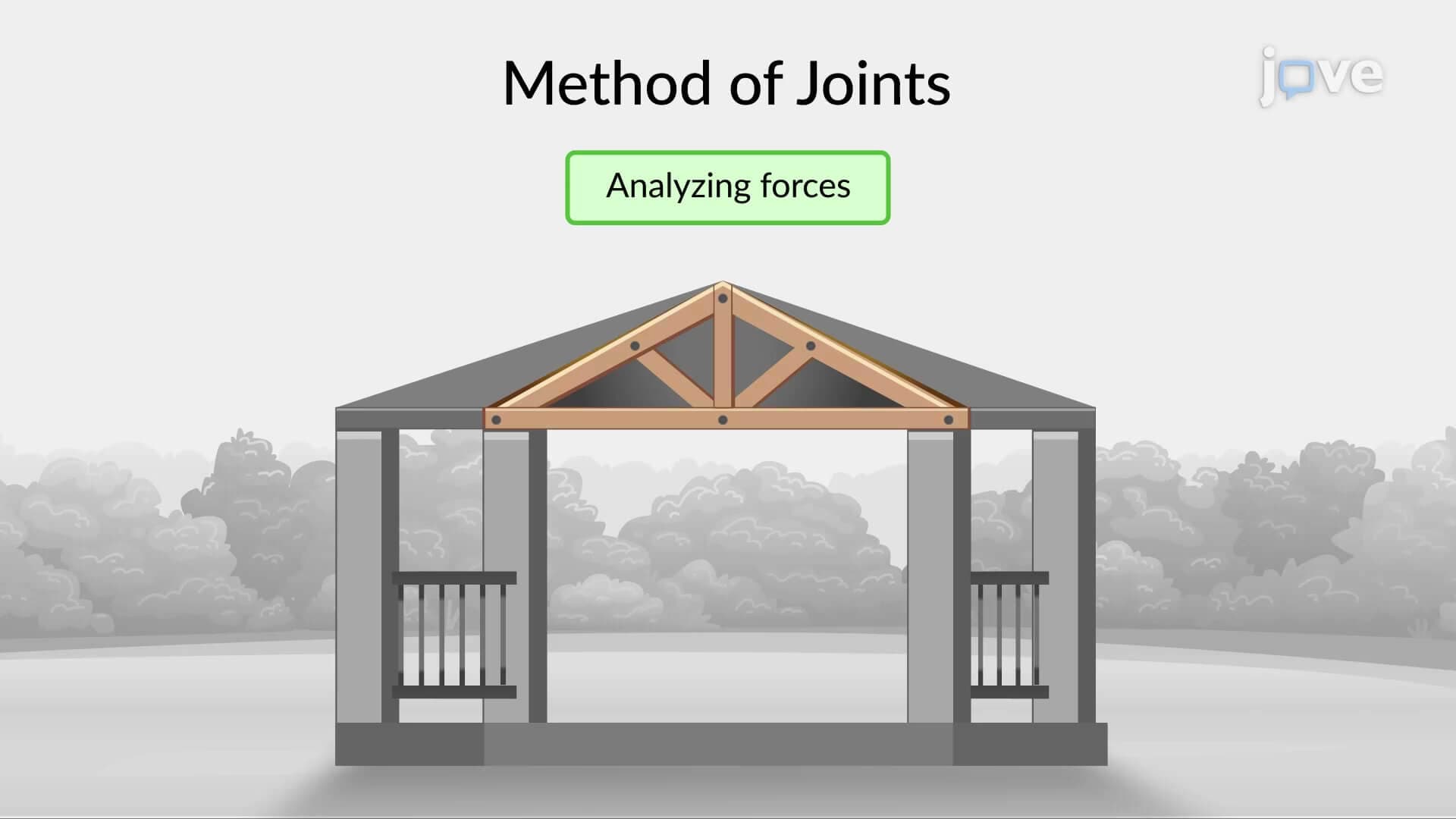
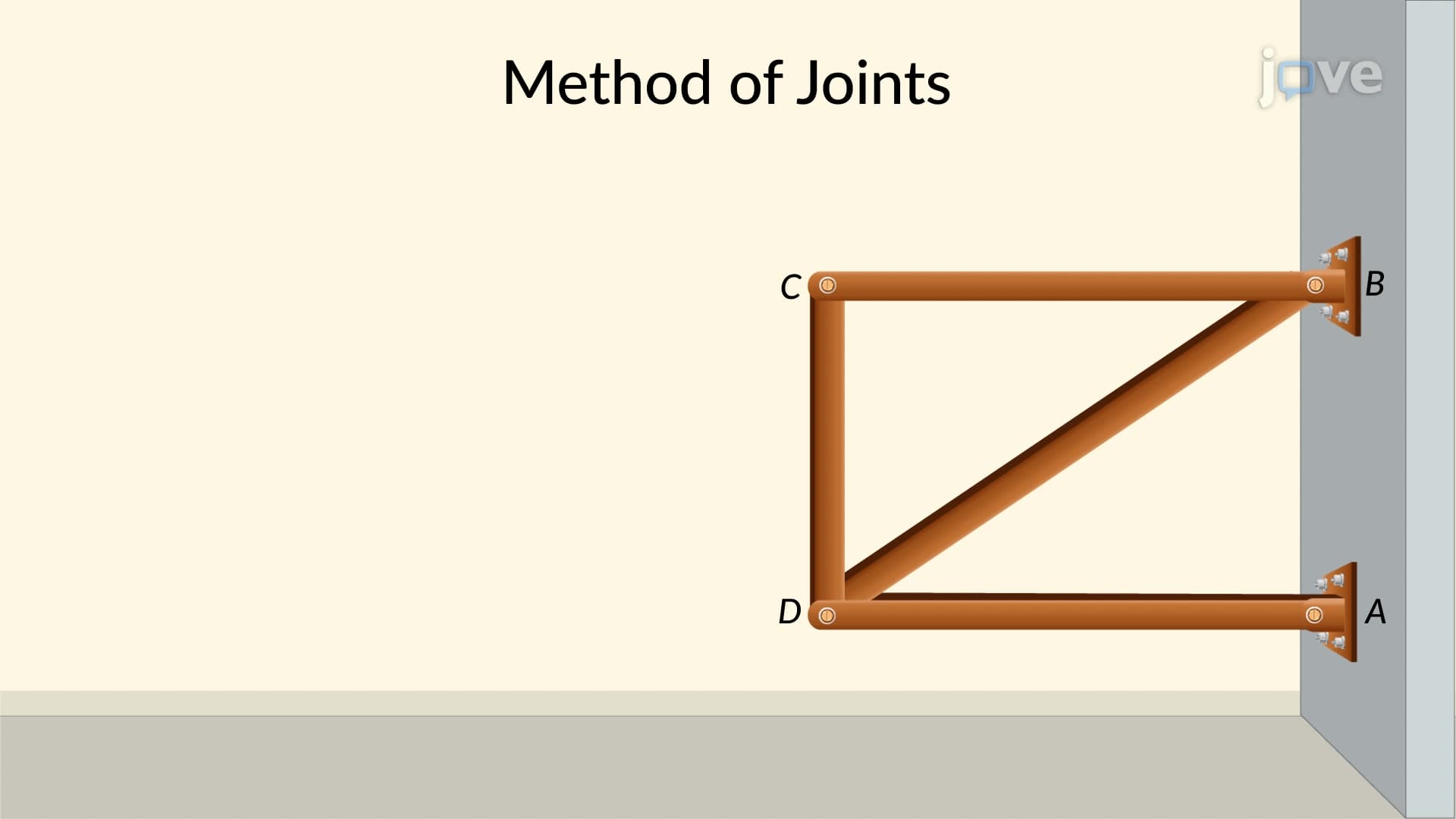
College statics and structural analysis courses use systematic approaches including method of joints, method of sections, and computer-aided analysis software. Students learn to classify members, apply equilibrium equations (ΣF(x) = 0, ΣF(y) = 0, ΣM = 0), and determine internal forces throughout the structure. Advanced courses introduce matrix methods and finite element analysis.
Frame structures are everywhere in US infrastructure: steel building frames in Manhattan skyscrapers, bridge frameworks like San Francisco's Golden Gate Bridge towers, automotive chassis in Ford and GM vehicles, and construction equipment frames in Caterpillar excavators. Even playground equipment and stadium bleachers utilize frame principles for safe load distribution.
Basic frame analysis requires only algebra, trigonometry, and vector operations typically covered in high school math courses. The fundamental concepts focus on equilibrium principles and systematic problem-solving rather than complex mathematics. Advanced frame analysis does require calculus and matrix algebra, but introductory concepts remain accessible to most students.
Start by identifying all members and classifying them as two-force or multi-force members, then draw complete free-body diagrams for the entire structure and individual members. Apply equilibrium equations systematically, beginning with two-force members since they're simpler to analyze. Always check your answers by verifying that all equilibrium conditions are satisfied.
Consider exploring indeterminate structures, dynamic loading effects, and computer-aided structural analysis software like SAP2000 or ETABS. Advanced topics include plastic analysis, seismic design principles, and finite element methods used in professional structural engineering practice. These concepts build directly on fundamental frame analysis principles.
Related Micro-courses
Related Subjects
 Civil Engineering 30 micro-courses›Electrical Engineering 33 micro-courses›