Loading…
Loading video…

16,974 views
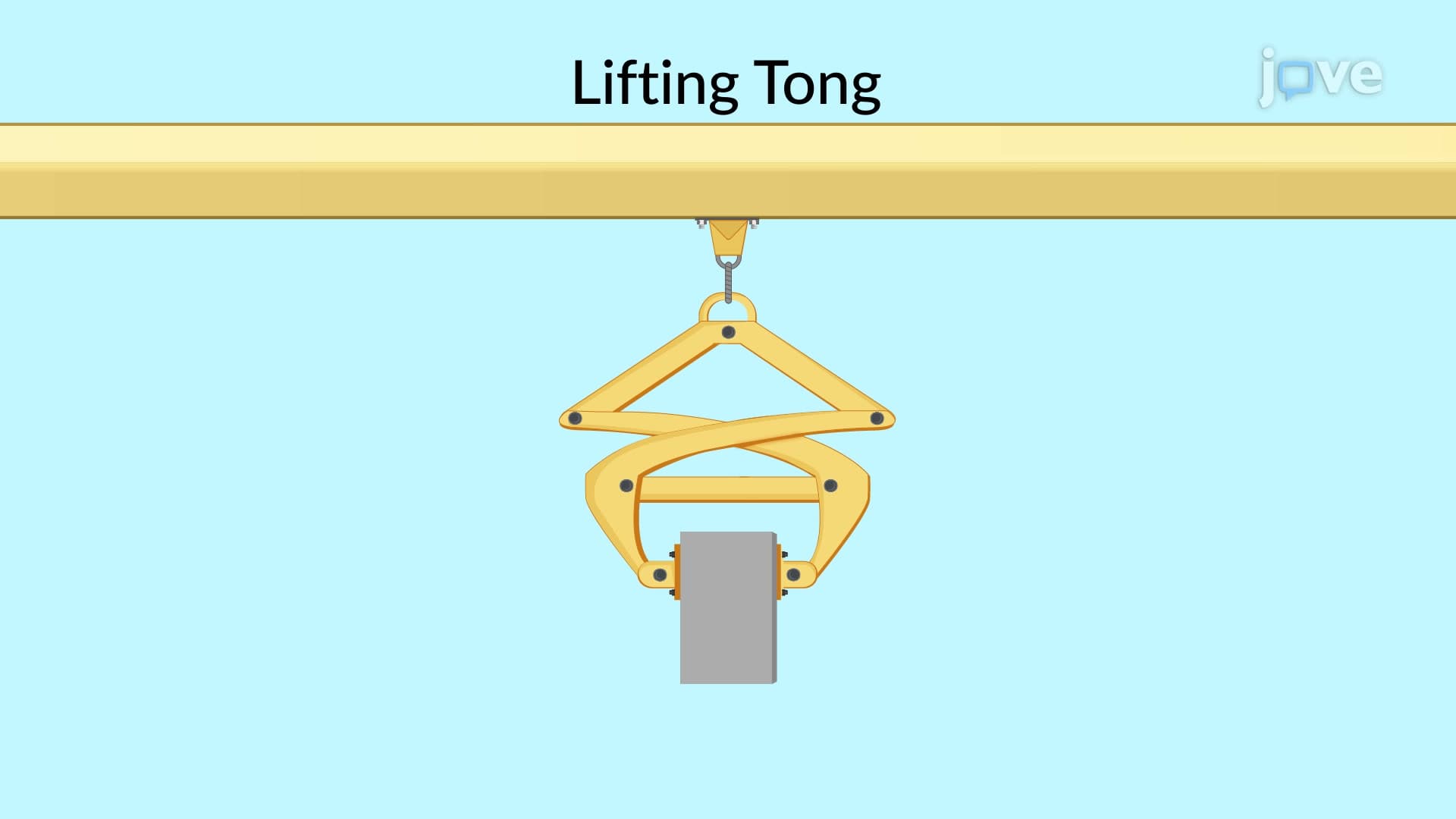
Ever wonder how construction cranes safely lift thousands of pounds without collapsing? Machines problem solving II tackles complex structural analysis where multiple forces interact simultaneously across interconnected members. This advanced engineering concept helps analyze systems like the lifting mechanisms used in Boeing aircraft assembly plants, where precise force calculations prevent catastrophic failures. What is Machines Problem Solving II demonstrates how engineers use free-body diagrams, equilibrium conditions, and geometric relationships to solve multi-member structural problems. Watch the full video on JoVE Coach to master this concept with expert-led visuals and step-by-step explanations.
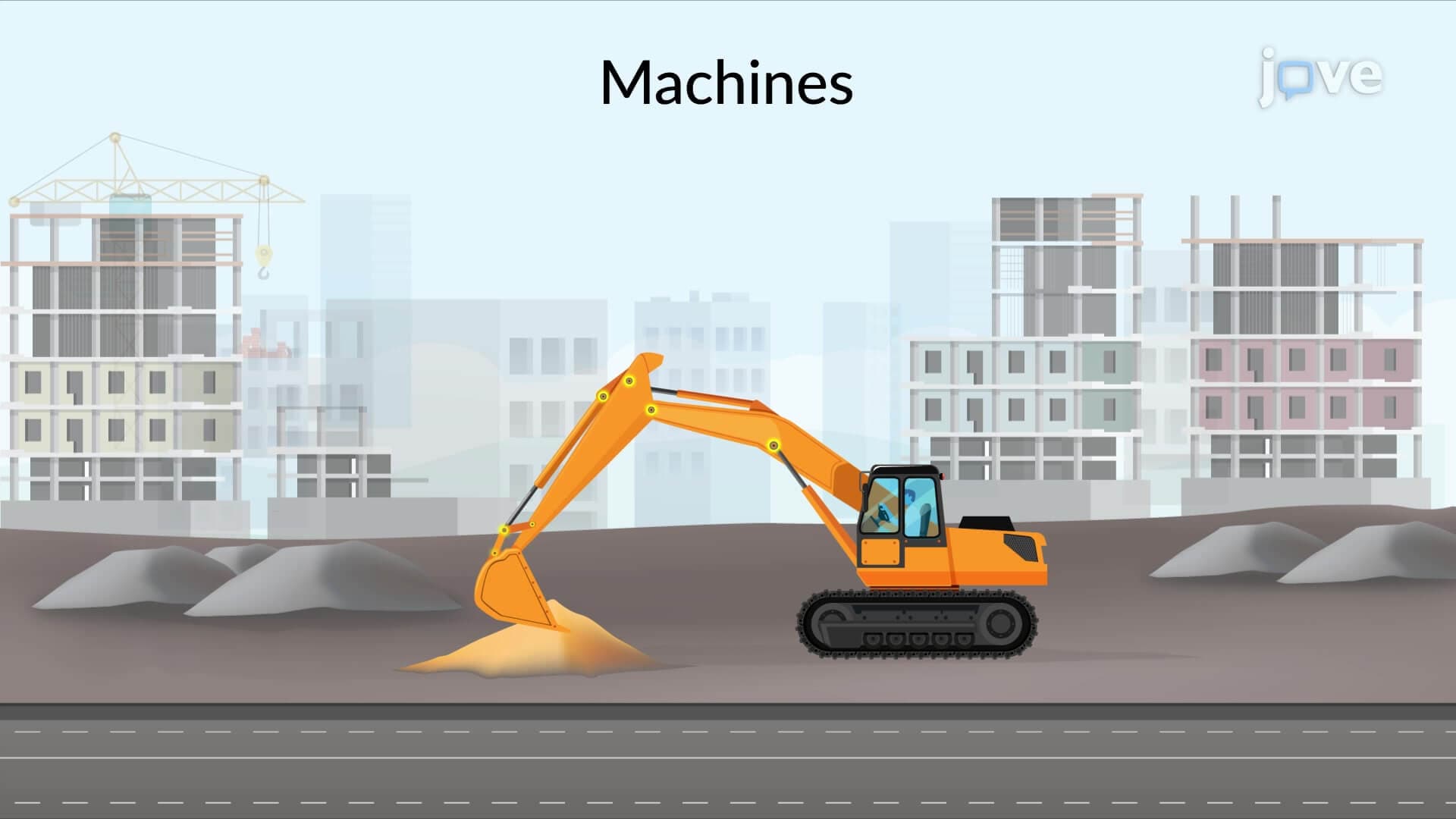
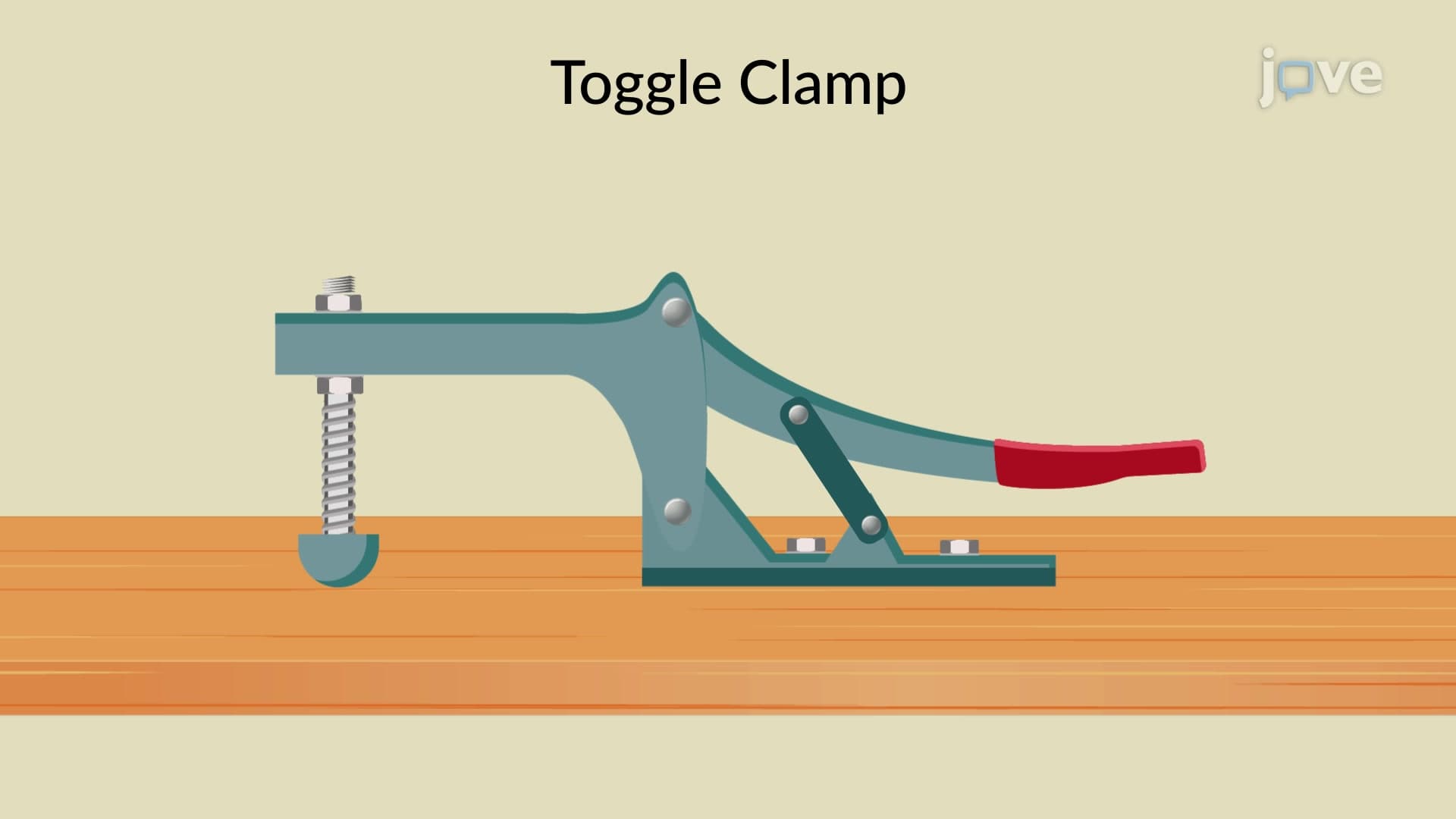
Machines problem solving II represents an advanced level of structural analysis that builds upon fundamental statics principles. Unlike basic single-body problems, this approach tackles interconnected systems where multiple structural members work together to support loads. Students encounter this concept in AP Physics courses, college-level statics classes, and engineering mechanics curricula across US universities.
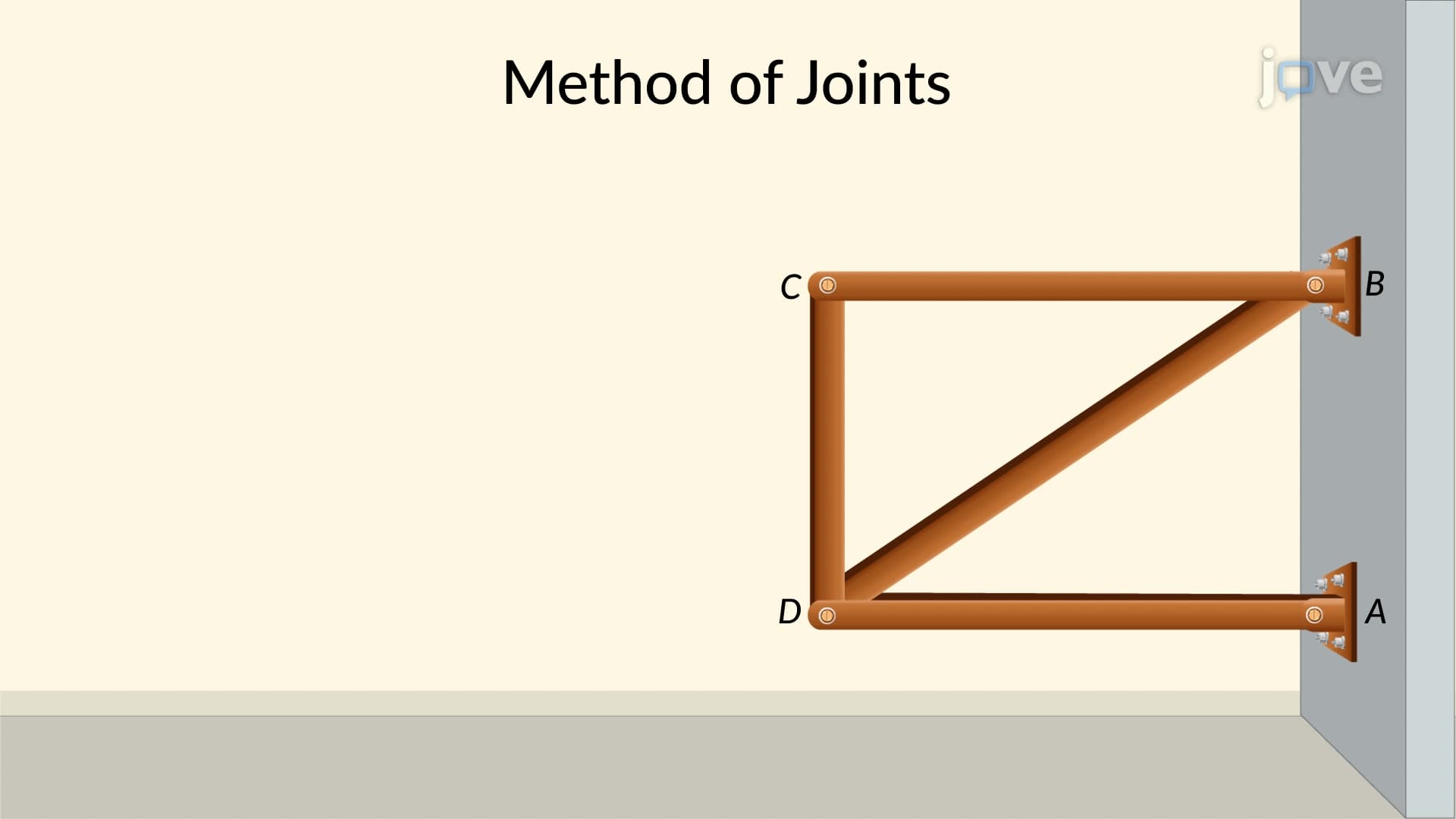
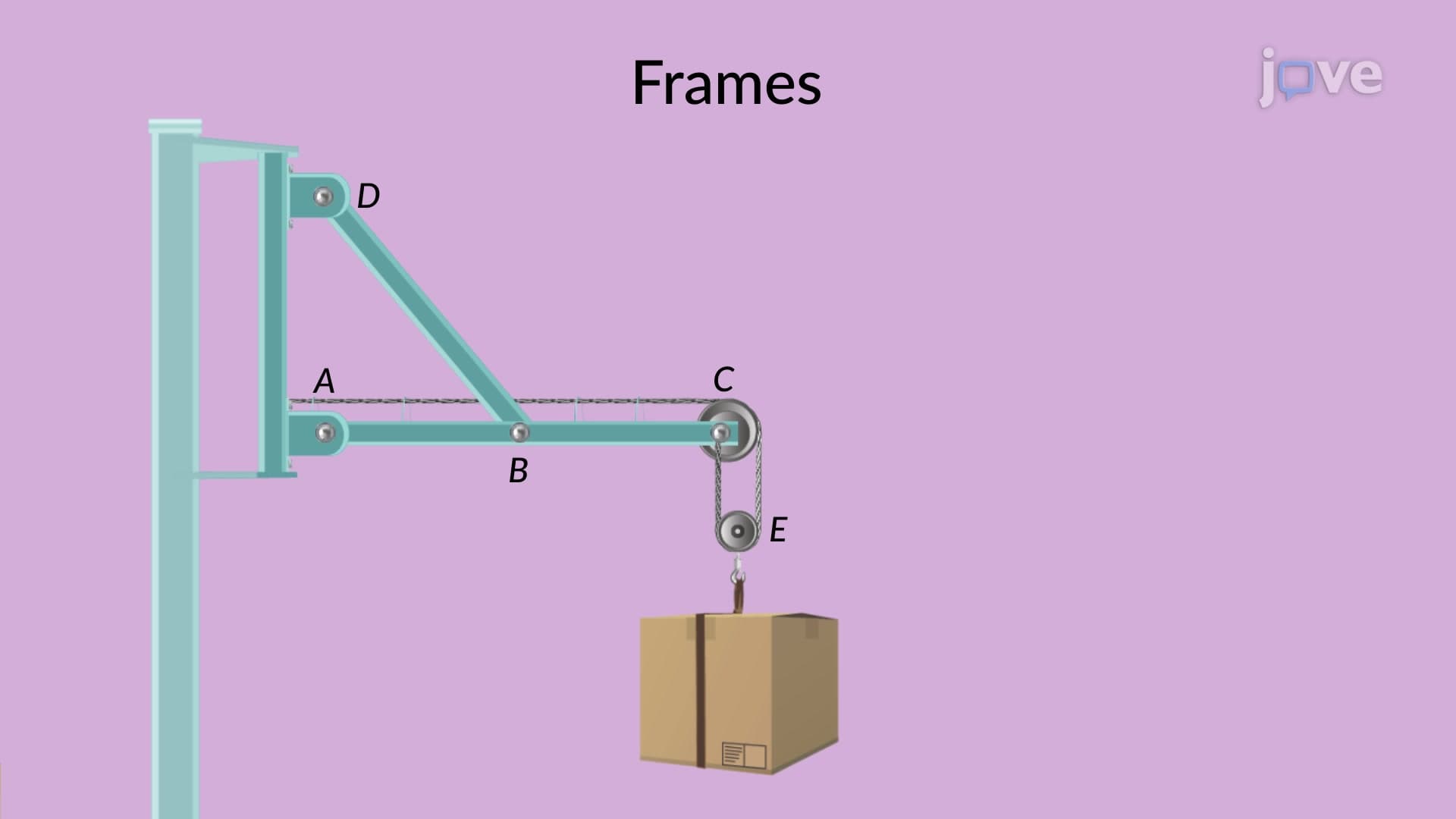
The core of machines problem solving II lies in recognizing how forces transfer between connected structural elements. Two-force members—components that experience forces at only two points—play a crucial role in these systems. These members can only sustain tension or compression forces directed along their length, simplifying force analysis significantly.
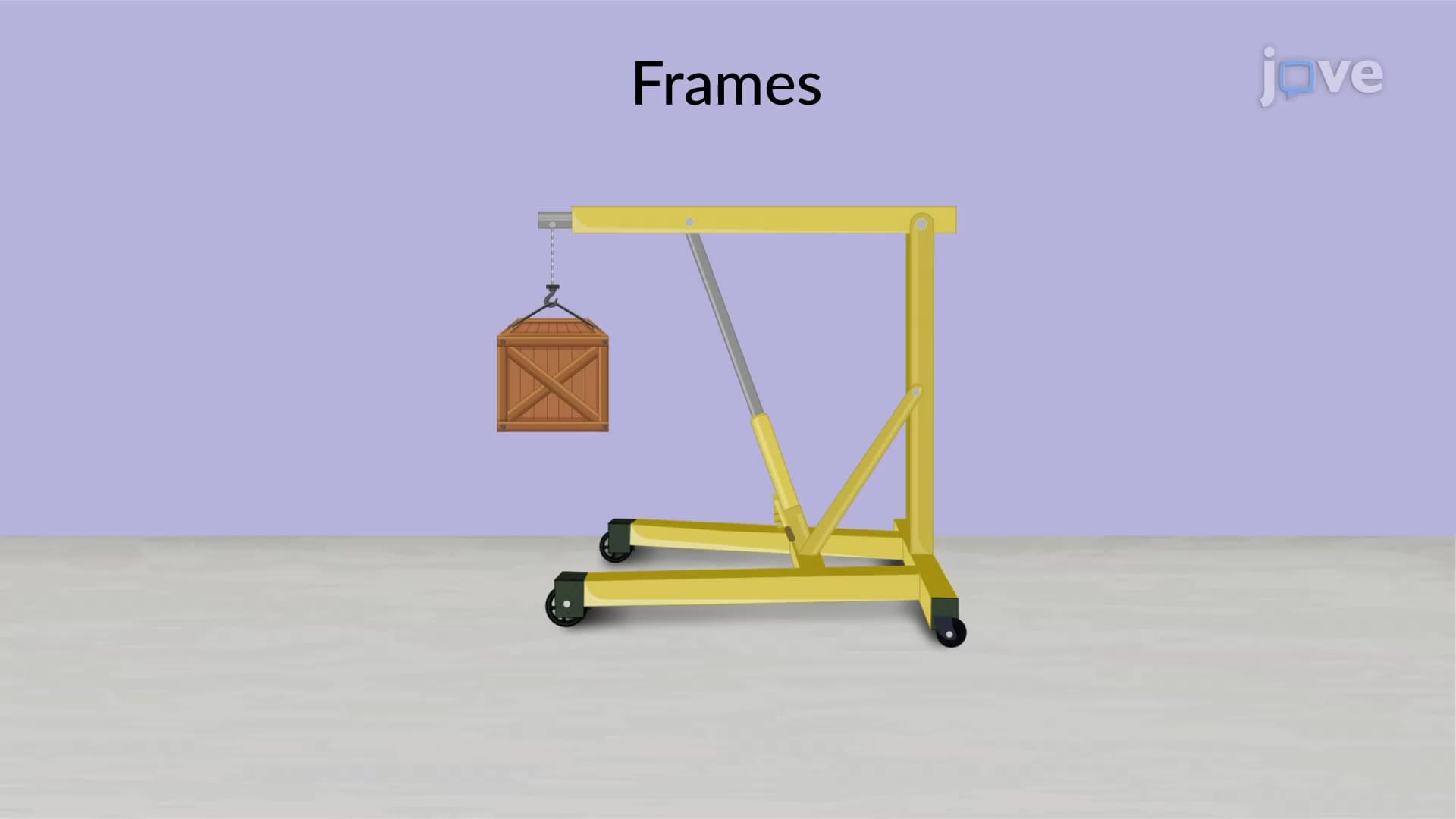
Consider the lifting tong example: when analyzing such mechanisms, engineers must identify which components act as two-force members versus those experiencing multiple force applications. This distinction directly impacts how forces are calculated and distributed throughout the structure.
Machines problem solving II extensively uses equilibrium principles, but applies them strategically across multiple points within the system. The method involves:
US engineering students preparing for the Fundamentals of Engineering (FE) exam frequently encounter similar problems, as they test practical application of theoretical concepts.
This analytical approach proves essential in designing everything from warehouse lifting equipment to suspension bridge components. Boeing's aircraft assembly facilities, for instance, rely on complex lifting mechanisms analyzed using these exact principles. The step-by-step methodology—drawing free-body diagrams, applying equilibrium conditions, and solving systematically—mirrors professional engineering practice.
Students should master this concept progression: identify system geometry, isolate individual components, apply equilibrium conditions, and verify solutions through alternative approaches. This systematic thinking prepares students for advanced coursework in mechanical design, structural engineering, and aerospace applications.
Frequently Asked Questions
Machines Problem Solving II analyzes complex multi-member structural systems rather than single rigid bodies. It requires identifying two-force members, applying equilibrium conditions at multiple joints simultaneously, and using geometric relationships to solve interconnected force systems. This advanced approach is essential for real engineering applications like crane design and aircraft assembly mechanisms.
AP Physics C and college statics exams frequently test multi-member structural analysis through problems involving trusses, lifting mechanisms, and support systems. Students must demonstrate proficiency in drawing free-body diagrams, identifying two-force members, and applying equilibrium conditions systematically. These problems often carry significant point values due to their complexity.
Success requires solid trigonometry for resolving force components, algebra for solving simultaneous equations, and geometry for determining member angles and lengths. Students should be comfortable with vector addition, equilibrium equations, and systematic problem-solving approaches. Most high school students with strong math backgrounds can master these concepts with practice.
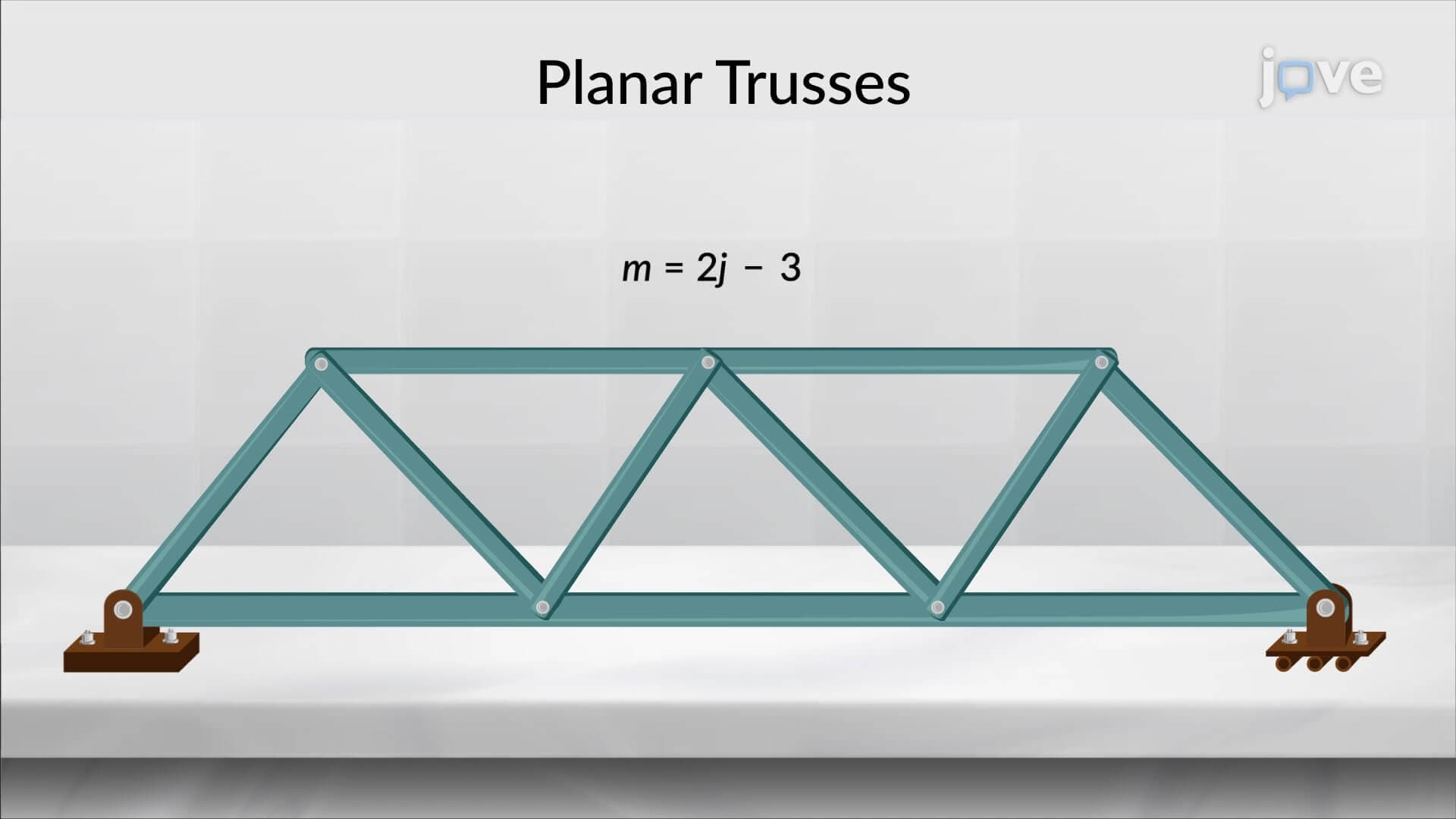
Construction companies use these principles for crane and lifting equipment design, aerospace manufacturers apply them in aircraft assembly systems, and automotive engineers employ them for suspension and frame analysis. Major US infrastructure projects like bridge construction and building design rely heavily on multi-member structural analysis for safety and efficiency.
Focus on systematic problem-solving: always start with clear free-body diagrams, identify two-force members immediately, and apply equilibrium conditions methodically. Practice with varied geometries and loading conditions, and always verify answers using alternative solution paths. Creating summary sheets of common structural configurations helps during timed exams.
Students need solid understanding of basic equilibrium (force and moment), free-body diagram construction, vector resolution, and two-force member identification. Comfort with trigonometry and simultaneous equation solving is essential. Most students benefit from reviewing these fundamentals before tackling multi-member systems.
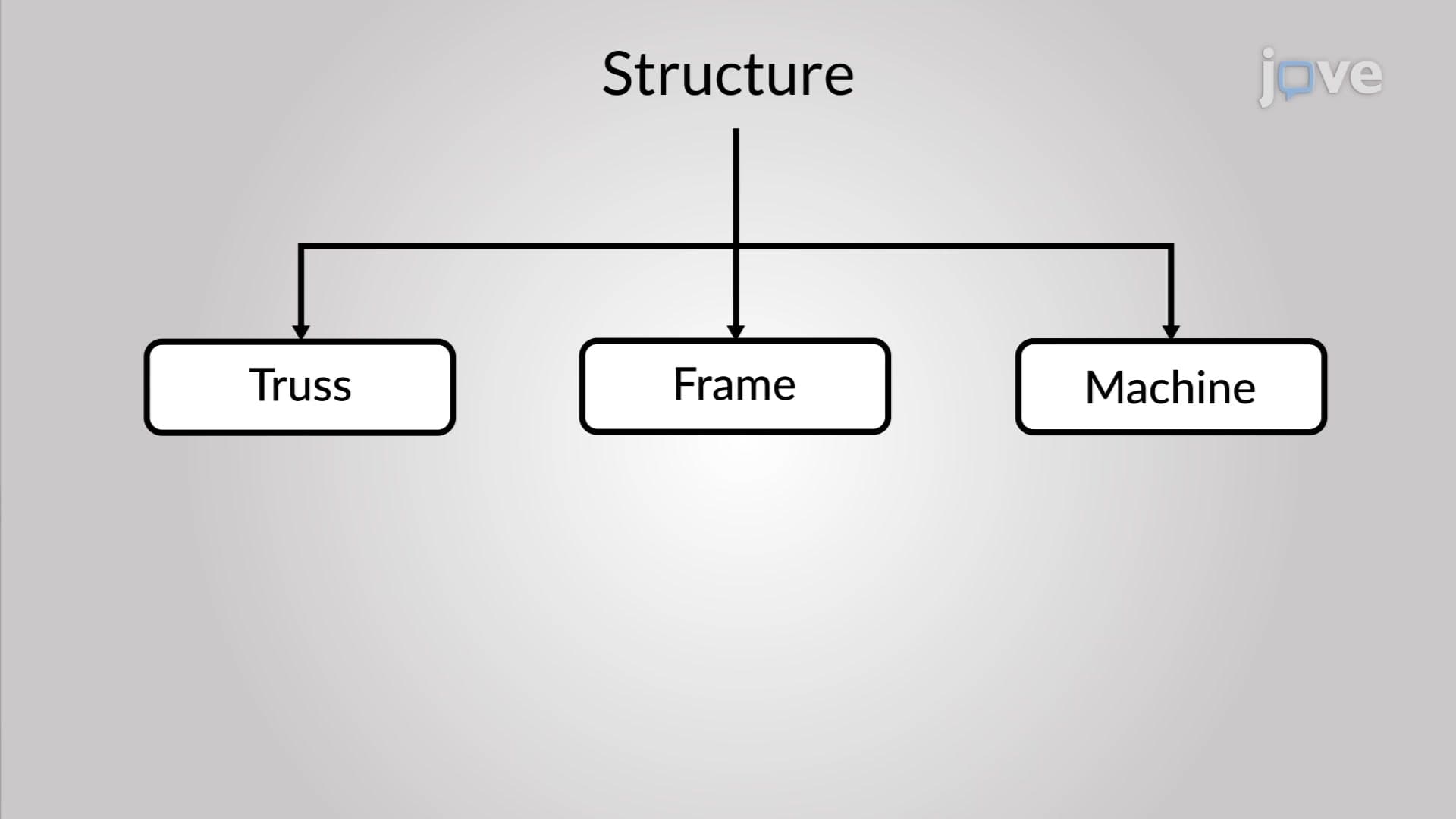
This foundation leads to advanced structural analysis including truss analysis, frame design, and finite element methods. Students typically progress to courses in structural engineering, machine design, and advanced mechanics of materials. These concepts also prepare students for professional engineering licensure examinations.
Symmetrical structures allow engineers to analyze only half the system, then apply symmetry principles to determine remaining forces. This approach reduces calculation complexity significantly and provides built-in solution verification. Many real-world applications intentionally use symmetrical designs to simplify analysis and ensure balanced loading.
Related Micro-courses
Related Subjects
 Civil Engineering 30 micro-courses›Electrical Engineering 33 micro-courses›