Loading…
Loading video…

16,974 views
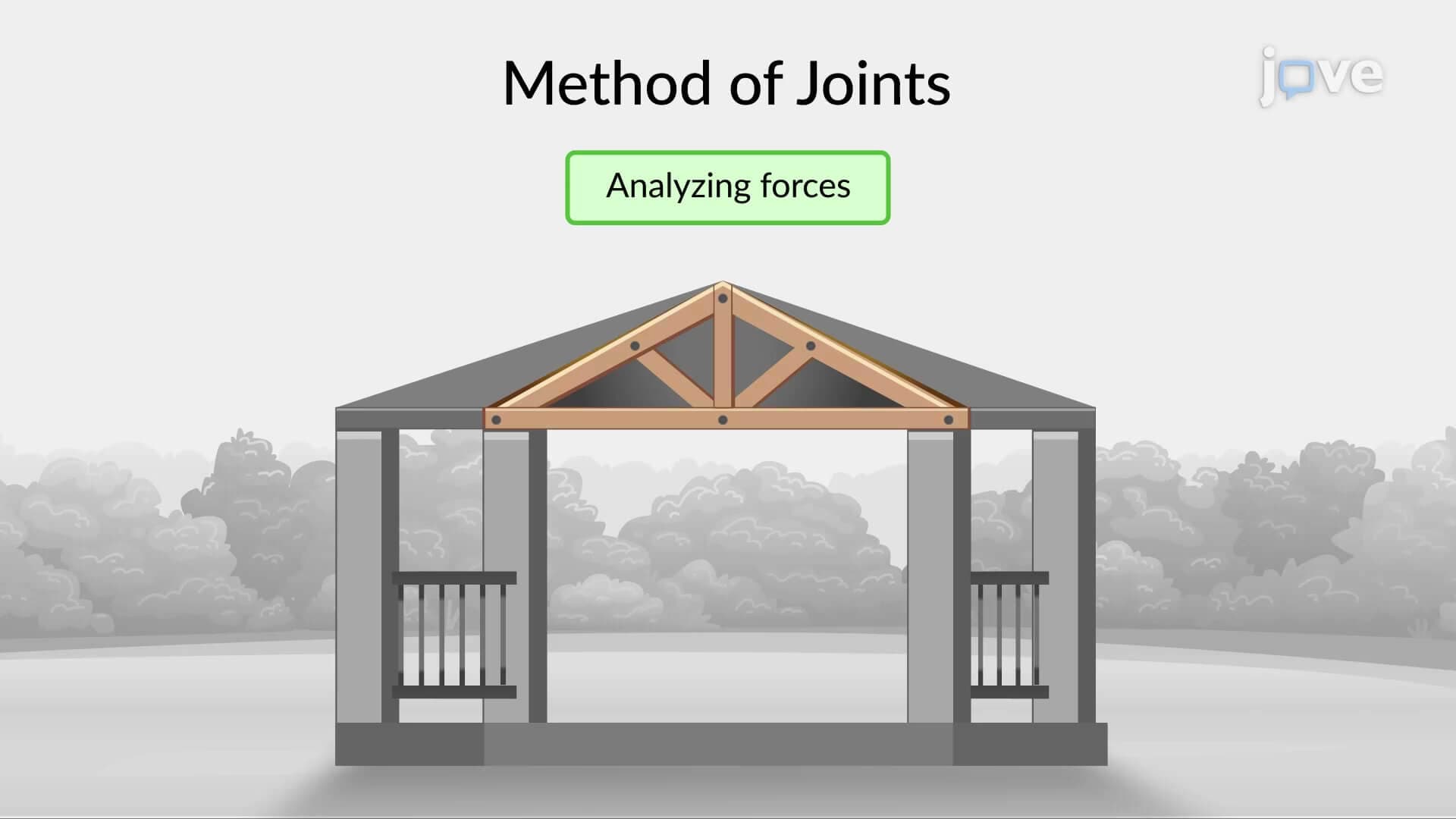
Ever wondered how engineers ensure bridges like San Francisco's Golden Gate Bridge can safely support thousands of cars? The method of joints is a fundamental structural analysis technique that determines forces within truss members by applying equilibrium principles at each connection point. This systematic approach isolates individual joints as free-body diagrams, assuming frictionless pin connections and treating unknown forces as tensile until proven otherwise. Engineers use this method to analyze everything from roof trusses in residential construction to massive steel frameworks in skyscrapers. Watch the full video on JoVE Coach to master this concept with expert-led visuals and step-by-step explanations.
The method of joints represents one of the most systematic approaches to structural truss analysis, forming a cornerstone of engineering mechanics courses across US universities. This technique transforms complex truss structures into manageable problems by isolating each connection point and applying fundamental equilibrium principles. Students encounter this method extensively in AP Physics C, introductory engineering mechanics courses, and professional engineering (PE) exam preparation.
The method operates under several critical assumptions that simplify real-world complexities. First, all truss members connect through frictionless pins, eliminating moment considerations at joints. Second, loads apply only at joint locations, ensuring members experience purely axial forces—either tension or compression. Third, the analysis assumes all unknown forces act in tension initially, with negative results indicating compression. These assumptions align closely with actual construction practices in steel frame buildings throughout major US cities like New York and Chicago.
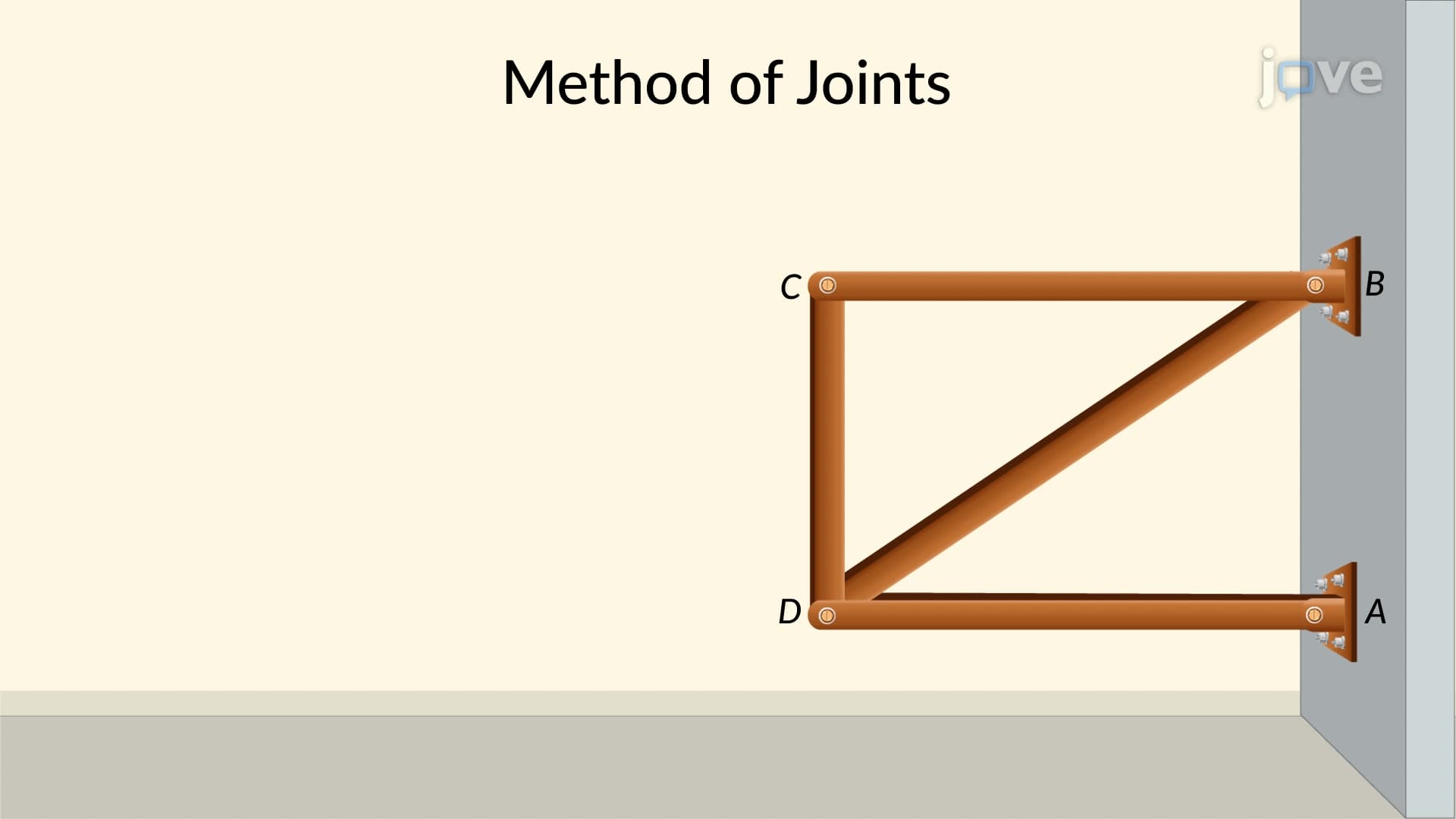
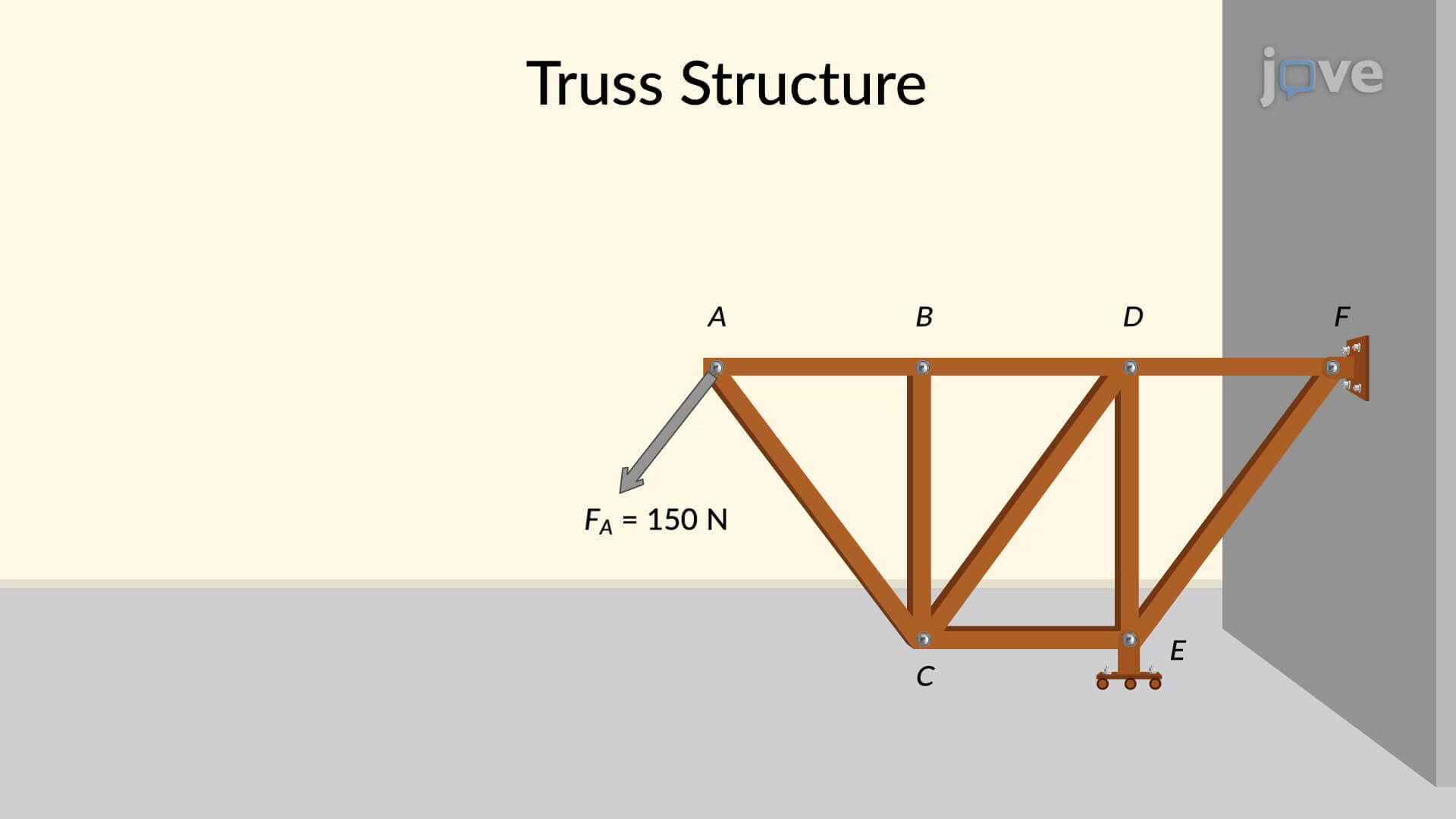
Implementation begins with joint identification and systematic labeling, typically using letters (A, B, C) or numbers (1, 2, 3). Engineers then create free-body diagrams for each joint, showing all known external forces and unknown member forces. The equilibrium equations—sum of forces in x-direction equals zero, sum of forces in y-direction equals zero—provide the mathematical foundation for solving unknown values. This process mirrors problem-solving approaches emphasized in SAT Math Level 2 and college-level statics examinations.
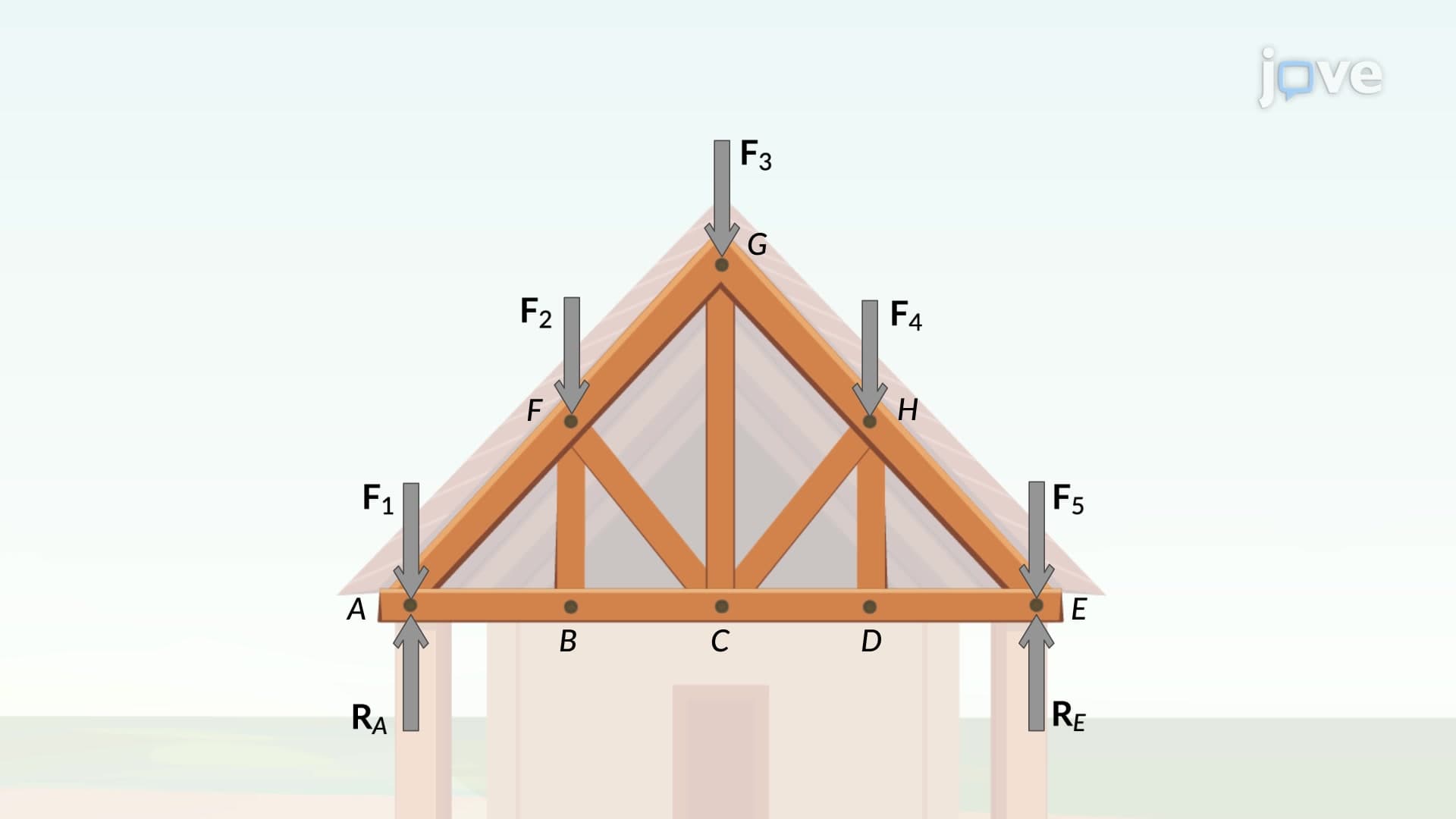
Structural engineers apply the method of joints daily when designing buildings, bridges, and industrial facilities across the United States. Consider the analysis of roof trusses in residential construction—engineers use this method to ensure each member can safely support snow loads specific to regional building codes. Similarly, bridge designers employ joint analysis when evaluating existing structures like Boston's Zakim Bridge or planning new infrastructure projects. The method's reliability has made it indispensable for Professional Engineering licensing examinations and continues to serve as a foundation for computer-aided structural analysis software used throughout the construction industry.
Frequently Asked Questions
The method of joints is a systematic technique for analyzing forces in truss structures by isolating each connection point and applying equilibrium principles. It determines whether each member experiences tension or compression by solving force balance equations at individual joints. This method forms the foundation for structural engineering design and appears frequently on AP Physics and engineering mechanics exams.
AP Physics C Mechanics commonly includes truss analysis problems requiring the method of joints for determining member forces. Students must demonstrate proficiency in drawing free-body diagrams, applying equilibrium equations, and interpreting tension versus compression results. Practice problems often feature simple bridge or roof truss configurations with 3-5 joints to analyze within typical exam time constraints.
College statics and mechanics of materials courses emphasize complex truss configurations requiring systematic joint-by-joint analysis. Midterm and final exams typically present problems involving 6-10 member trusses with multiple loading conditions. Students must master the technique for PE exam preparation, where truss analysis constitutes a significant portion of the structural engineering depth exam.
Structural engineers apply the method of joints when designing steel frame buildings, bridge trusses, and industrial structures throughout the United States. For example, engineers analyzing the roof structure of sports stadiums like Denver's Coors Field use this method to ensure each truss member can safely support wind and snow loads. The technique helps determine required member sizes and connection details for safe, economical construction.
The method of joints requires only algebra and basic trigonometry skills typically mastered in high school geometry and Algebra II courses. Students comfortable with solving systems of linear equations and applying sine/cosine functions can successfully learn this technique. The mathematical complexity remains manageable, making it accessible to AP Physics students and college freshmen in introductory engineering programs.
Focus on systematic practice with increasing complexity—start with simple 3-joint trusses before advancing to larger structures. Create a consistent problem-solving template: identify joints, draw free-body diagrams, write equilibrium equations, and solve systematically. Practice interpreting results (positive values indicate tension, negative indicate compression) and verify answers using overall structure equilibrium checks.
While the fundamental method remains consistent, variations include starting joint selection strategies and solution sequences for complex trusses. Some problems benefit from beginning with joints having only two unknown forces, while others require simultaneous equation solutions for multiple joints. Advanced courses introduce matrix methods for large truss systems, but the basic joint isolation and equilibrium principles remain unchanged.
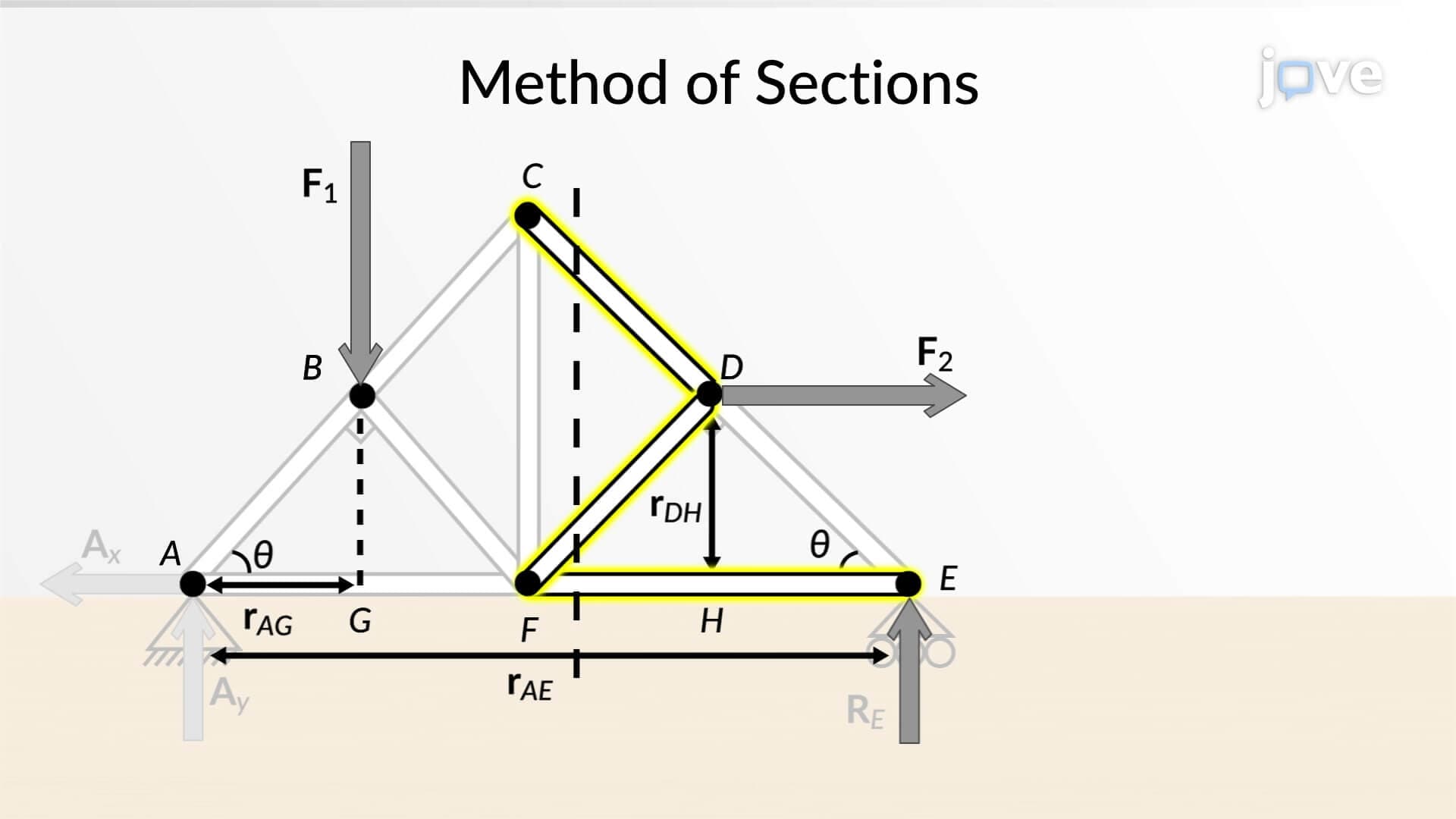
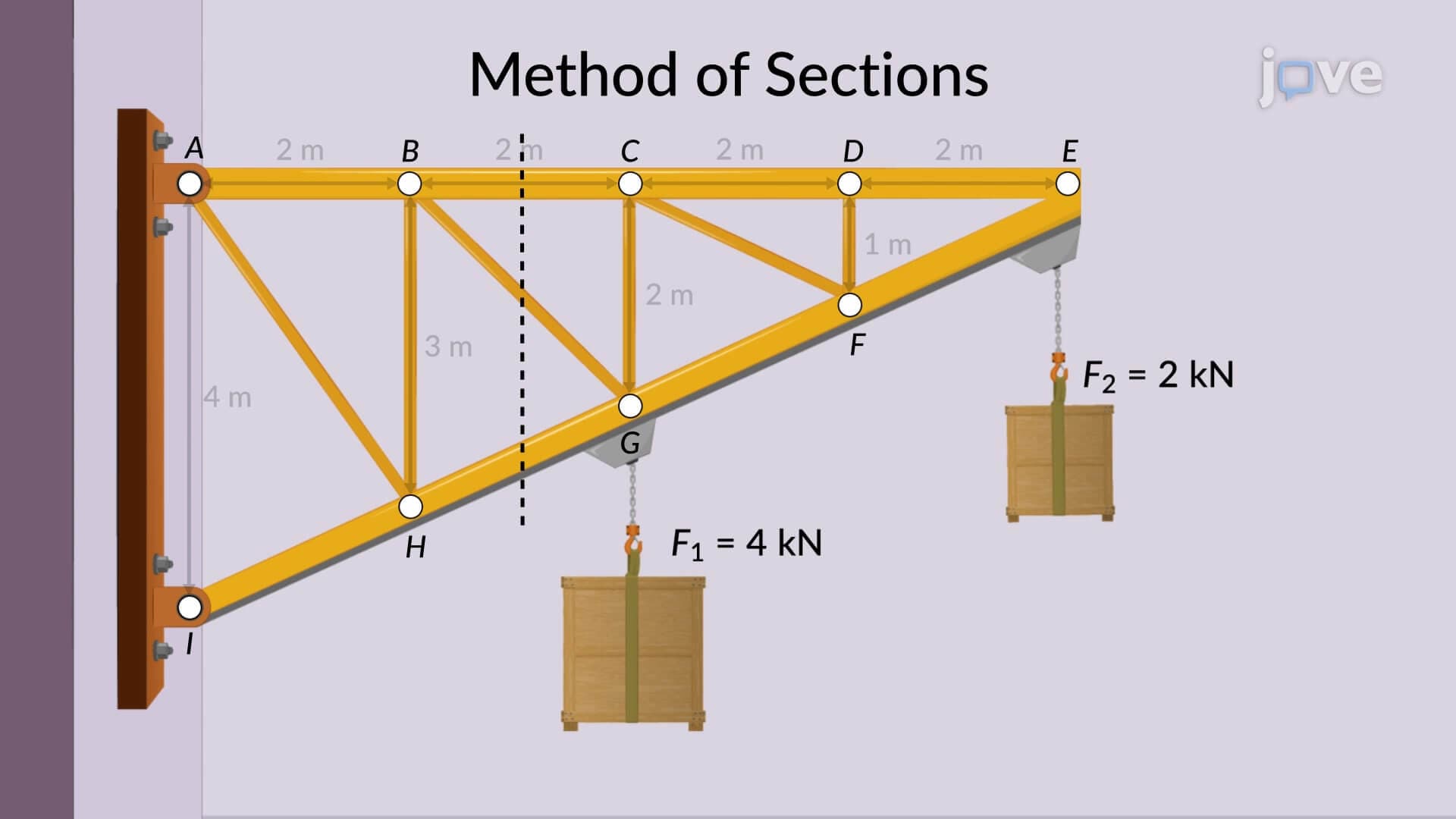
Build upon this foundation by exploring the method of sections for analyzing specific truss members without solving entire structures. Advanced topics include influence lines for moving loads, indeterminate truss analysis, and computer-aided structural analysis methods. These concepts appear in upper-level structural engineering courses and professional practice applications throughout the construction industry.
Related Micro-courses
Related Subjects
 Civil Engineering 30 micro-courses›Electrical Engineering 33 micro-courses›