Loading…
Loading video…

5,001 views
Why do companies like Apple and Samsung carefully time their product launches, watching each competitor's move before making their own? Sequential games provide the framework for understanding these strategic interactions where timing and observation matter. Unlike simultaneous games, sequential games involve players making decisions one after another, with later players observing earlier moves—just like how pharmaceutical giants like Pfizer and Moderna strategically respond to each other's pricing and research decisions. Watch the full video on JoVE Coach to master this concept with expert-led visuals and step-by-step explanations.
Sequential games represent a fundamental concept in game theory where players make decisions in a specific order, with later players observing the actions of those who moved before them. This temporal structure creates information advantages and strategic considerations that don't exist in simultaneous games, making sequential games particularly relevant for analyzing real-world business competitions, political negotiations, and economic policy decisions.
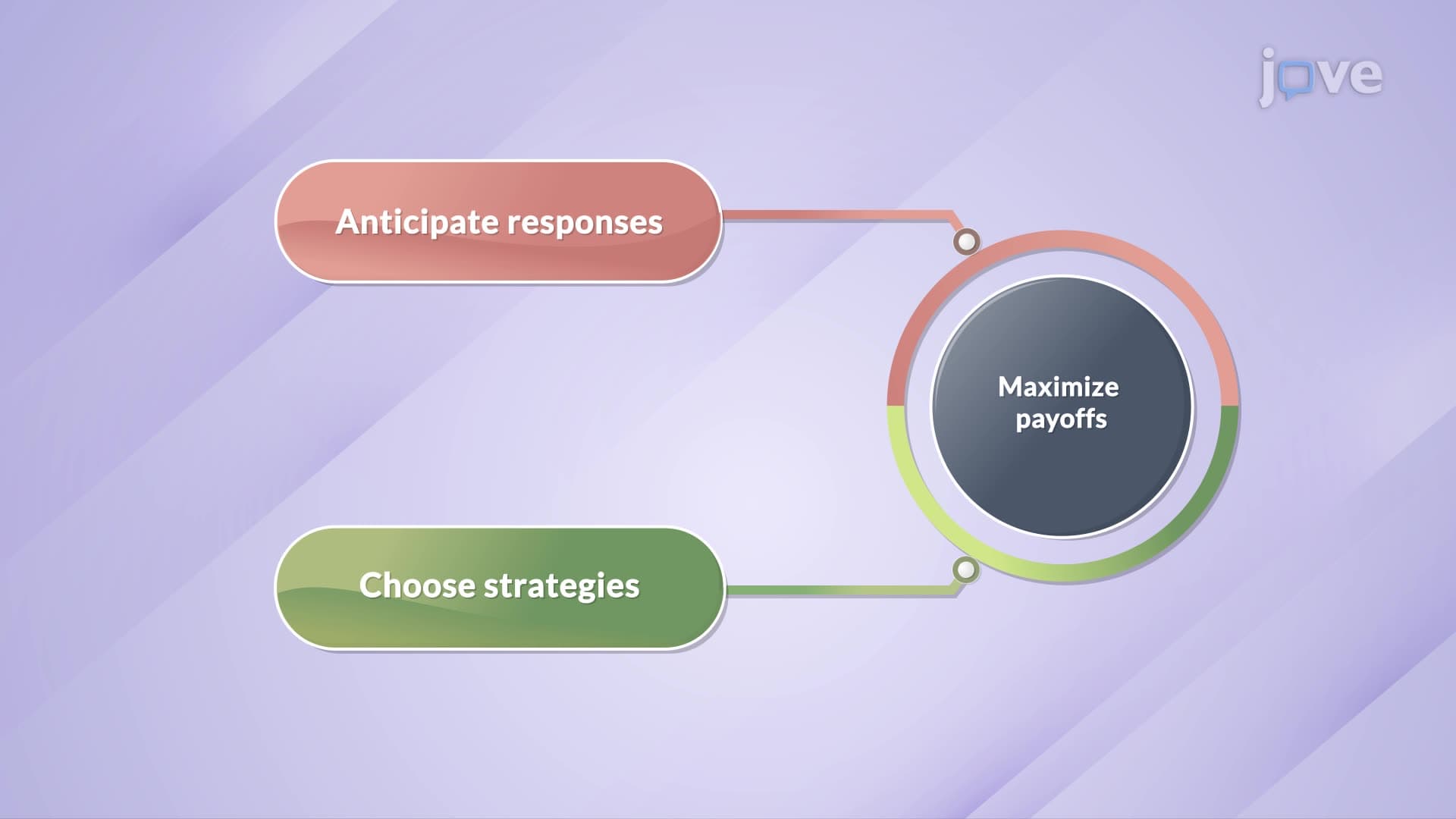
The most powerful tool for analyzing sequential games is the decision tree, which visually maps out the sequence of decisions and their corresponding payoffs. Each node represents a decision point, while branches show available actions. Consider the pharmaceutical industry example: when Nova Pharmaceuticals decides first whether to engage in price competition or maintain collusive pricing, Erks Pharmaceuticals can observe this choice before responding. This information advantage allows Erks to maximize its payoff by choosing the optimal response to Nova's initial move.
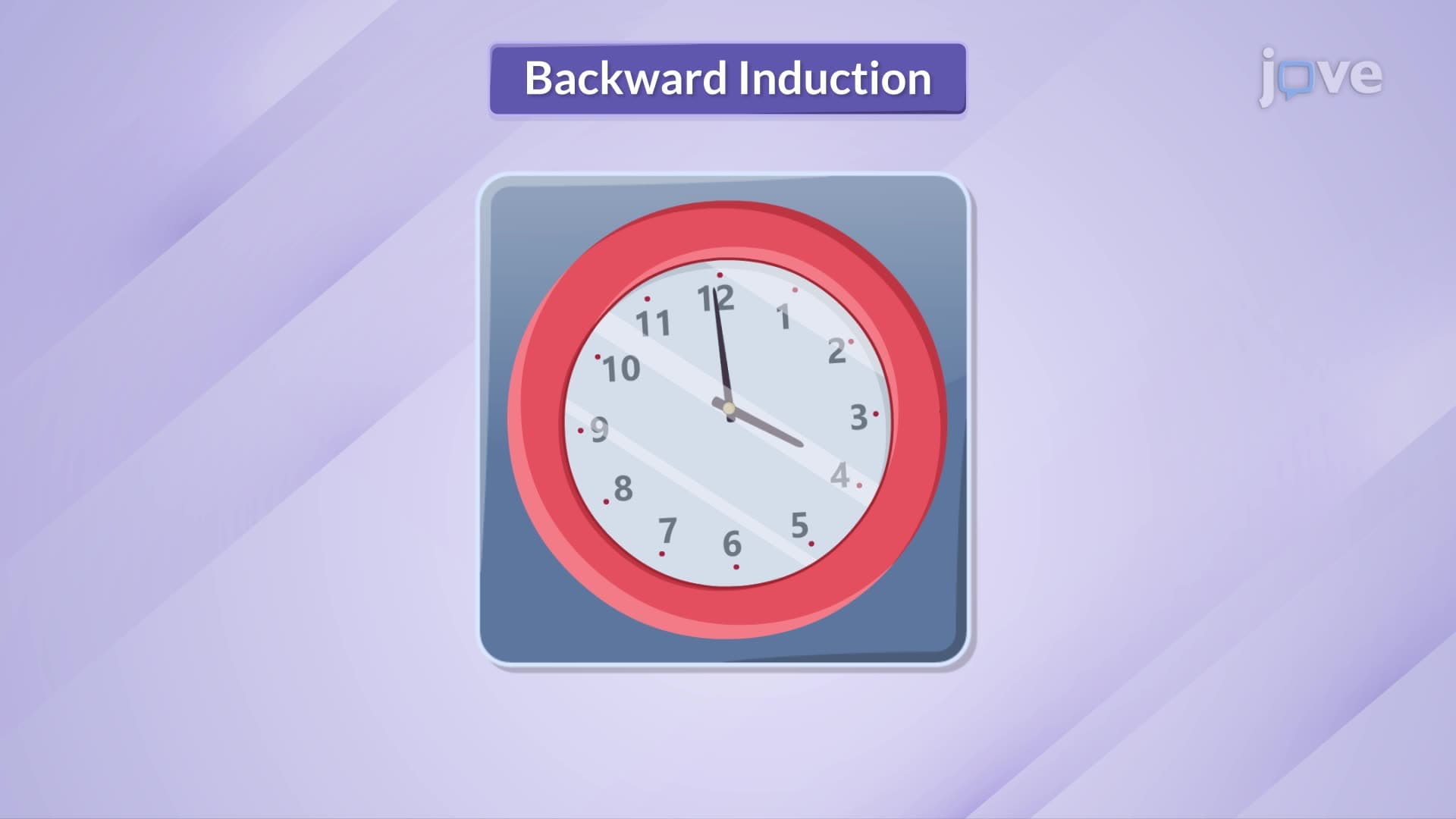
Decision trees help students preparing for AP Economics exams and college-level game theory courses by providing a clear framework for backward induction—the process of solving sequential games by working backward from the final outcomes. This analytical approach appears frequently on standardized tests and demonstrates the practical value of sequential game analysis in business strategy courses.
Sequential games reveal crucial insights about timing in strategic situations. The first mover may gain advantages through strategic commitment—making credible threats or promises that influence subsequent players' choices. However, first movers can also face disadvantages when later players benefit from observing initial moves and responding optimally. In the pharmaceutical example, Nova's first-mover position creates a strategic dilemma: starting a price war guarantees immediate payoffs but limits future options.
Real-world applications appear throughout American business history. When Netflix transitioned from DVD-by-mail to streaming services, traditional cable companies like Comcast and Time Warner observed these moves before developing their own streaming responses. This sequential decision-making process illustrates how market leaders and followers navigate competitive landscapes using sequential game principles.
Sequential games provide essential frameworks for understanding market entry decisions, product launch timing, and competitive pricing strategies. Students encounter these concepts in microeconomics courses, business strategy classes, and on exams like the MCAT (particularly in behavioral sciences sections) and various college economics assessments. The concept bridges theoretical game theory with practical business applications, making it valuable for both academic success and career preparation in economics, finance, and management consulting.
Frequently Asked Questions
Sequential games are strategic interactions where players make decisions one after another, with later players observing earlier moves before choosing their actions. Unlike simultaneous games, this timing creates information advantages and allows for strategic responses based on observed behavior.
Sequential games commonly appear as decision tree problems requiring backward induction analysis. Students must identify optimal strategies by working backward from final payoffs, calculating best responses at each decision node. These problems test understanding of strategic thinking and mathematical reasoning skills.
GMAT and college business program assessments often include sequential game scenarios involving market entry, pricing decisions, or competitive strategy. Questions typically require analyzing decision trees, identifying Nash equilibria, and explaining first-mover advantages or disadvantages in business contexts.
Amazon's expansion into new markets demonstrates sequential game principles—when Amazon enters grocery retail with Whole Foods, competitors like Walmart and Target observe this move before deciding their own grocery strategy responses. Each company's sequential decisions create a chain of strategic reactions throughout the industry.
Sequential games require only basic arithmetic and logical reasoning skills typically mastered by high school students. The primary challenge involves systematic thinking through decision sequences rather than complex mathematical calculations, making the concept accessible to most students with algebra-level mathematics.
Practice drawing decision trees for various scenarios, starting with simple two-player games before advancing to more complex situations. Focus on backward induction methodology and memorize the step-by-step process for identifying optimal strategies, as this systematic approach works consistently across different problem types.
Build on sequential games by exploring repeated games, which combine sequential decision-making with ongoing strategic relationships. Also investigate signaling games and bargaining theory, which extend sequential game principles to information transmission and negotiation scenarios commonly found in advanced economics and business courses.
Related Micro-courses
Related Subjects