Loading subject page…


5,343 views

Video Summary: Deriving the Long Run Supply Curve Under Perfect Competition
Ever wonder why gas prices at different stations in the same area are nearly identical? The long-run supply curve perfect competition model explains this phenomenon through economic theory. When deriving the long-run supply curve under perfect competition, firms like McDonald's franchises across a city operate at identical minimum costs, creating a horizontal supply curve. This perfectly elastic curve occurs because all competitors share the same production costs and efficiency levels. Watch the full video on JoVE Coach to master this concept with expert-led visuals and step-by-step explanations.
The long-run supply curve in perfect competition economics explained centers on a fundamental principle: when firms have sufficient time to adjust all production inputs, they achieve optimal efficiency. Unlike short-run scenarios where some costs remain fixed, the long-run allows complete flexibility in production scaling.
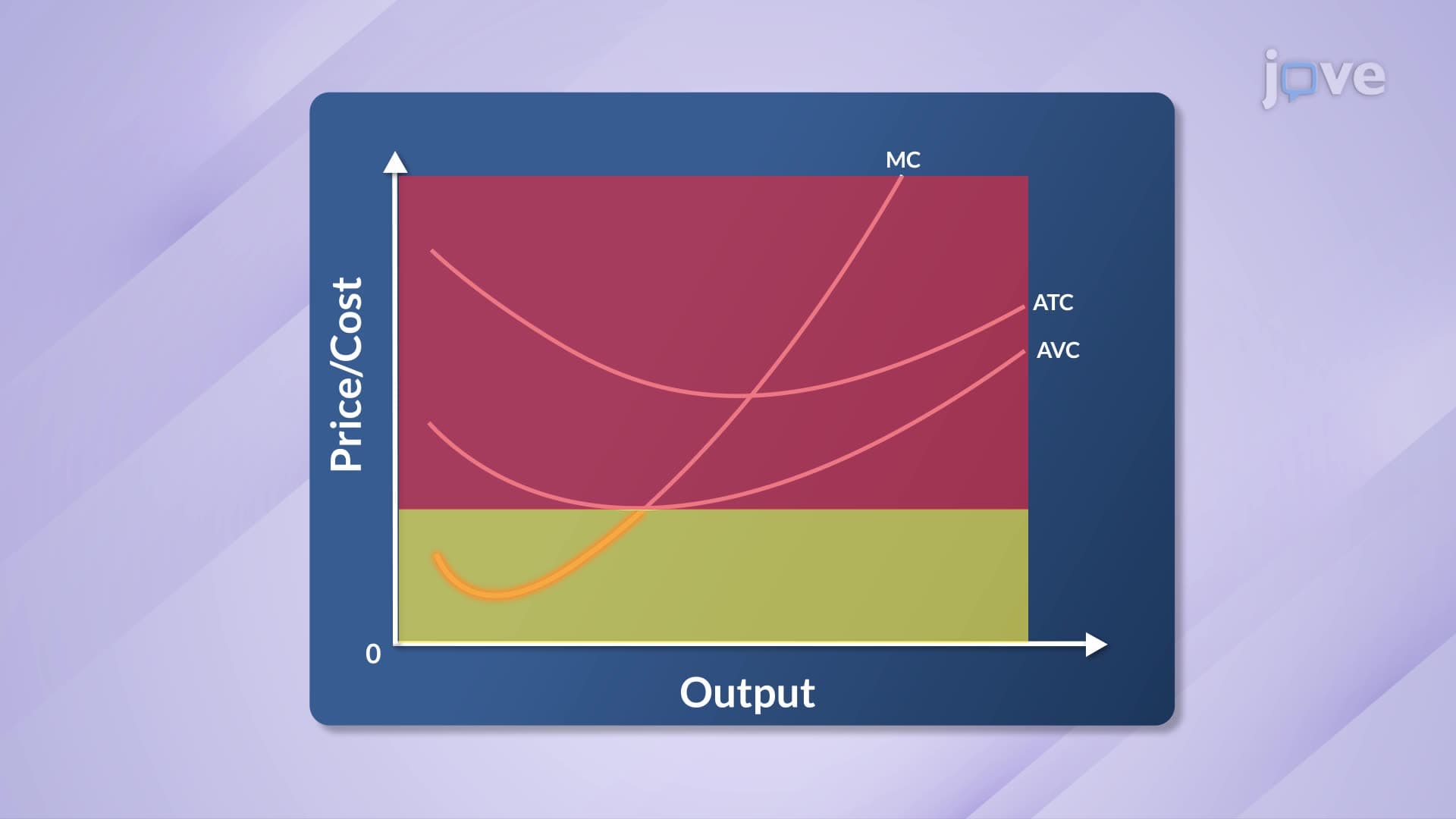
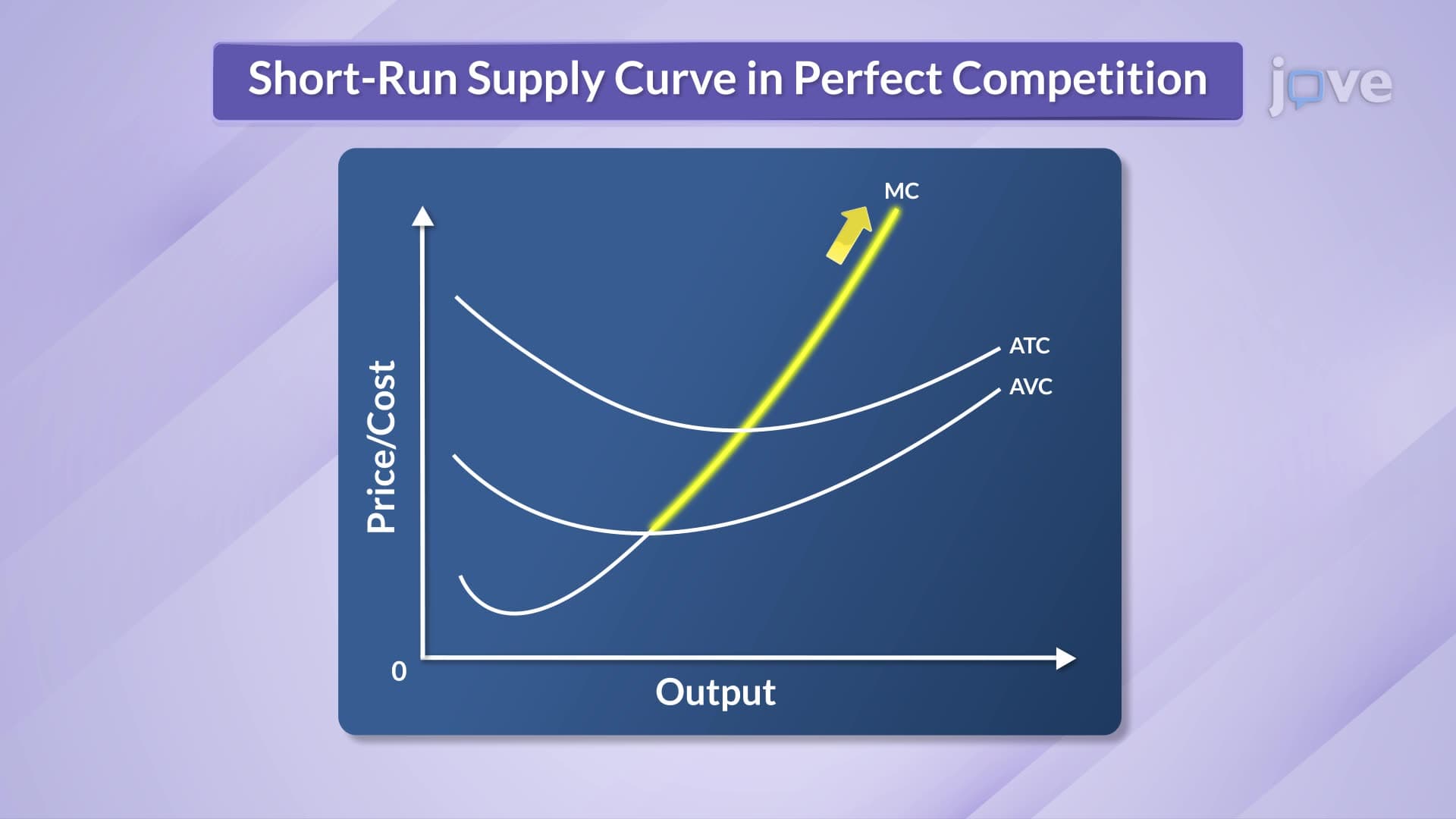
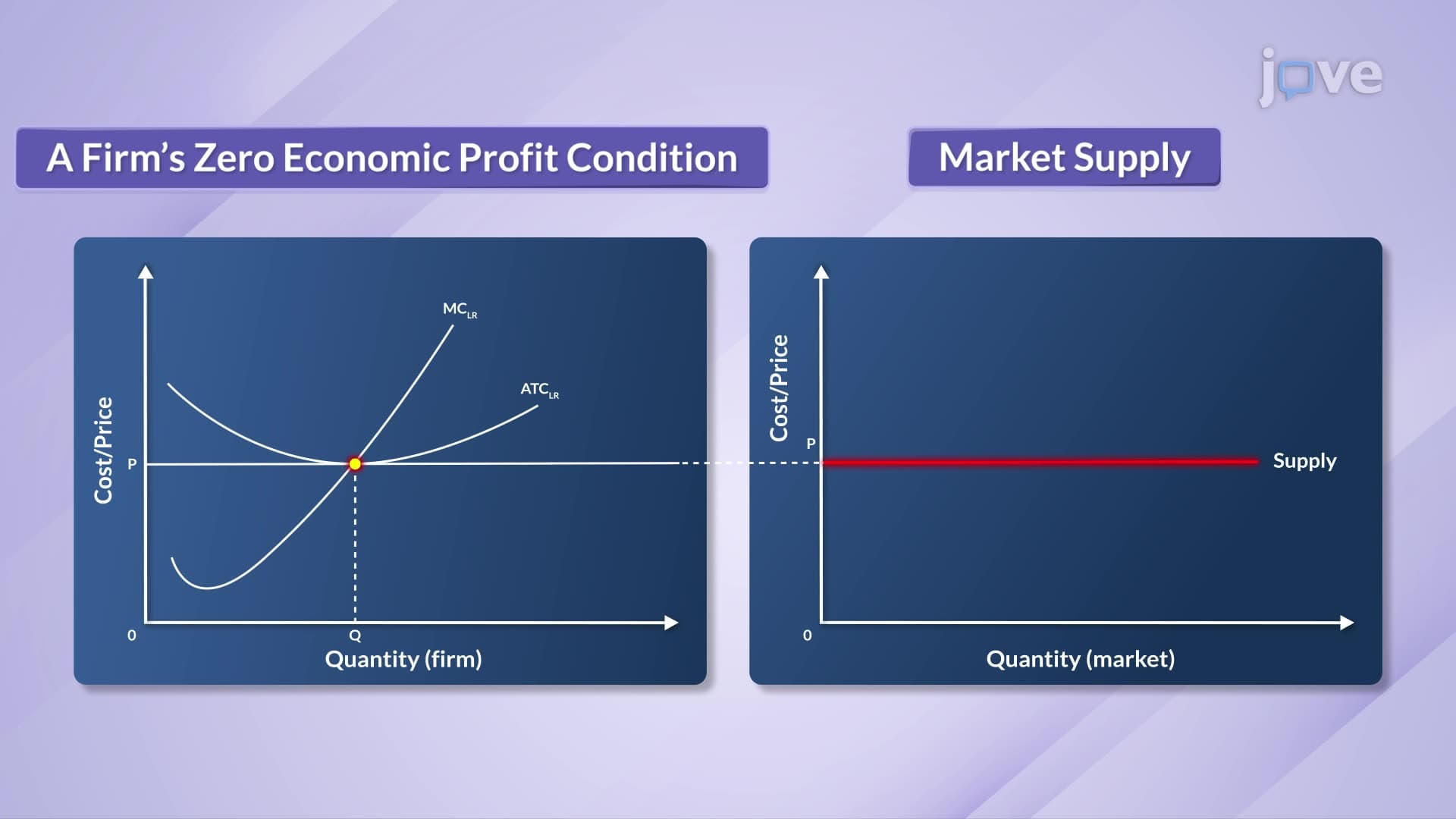
In perfectly competitive markets, firms like independent coffee shops in a college town face identical conditions. Each shop accesses the same wholesale coffee prices, similar rental costs, and comparable labor markets. This uniformity forces all shops to operate at their minimum average total cost (ATC) to remain profitable.
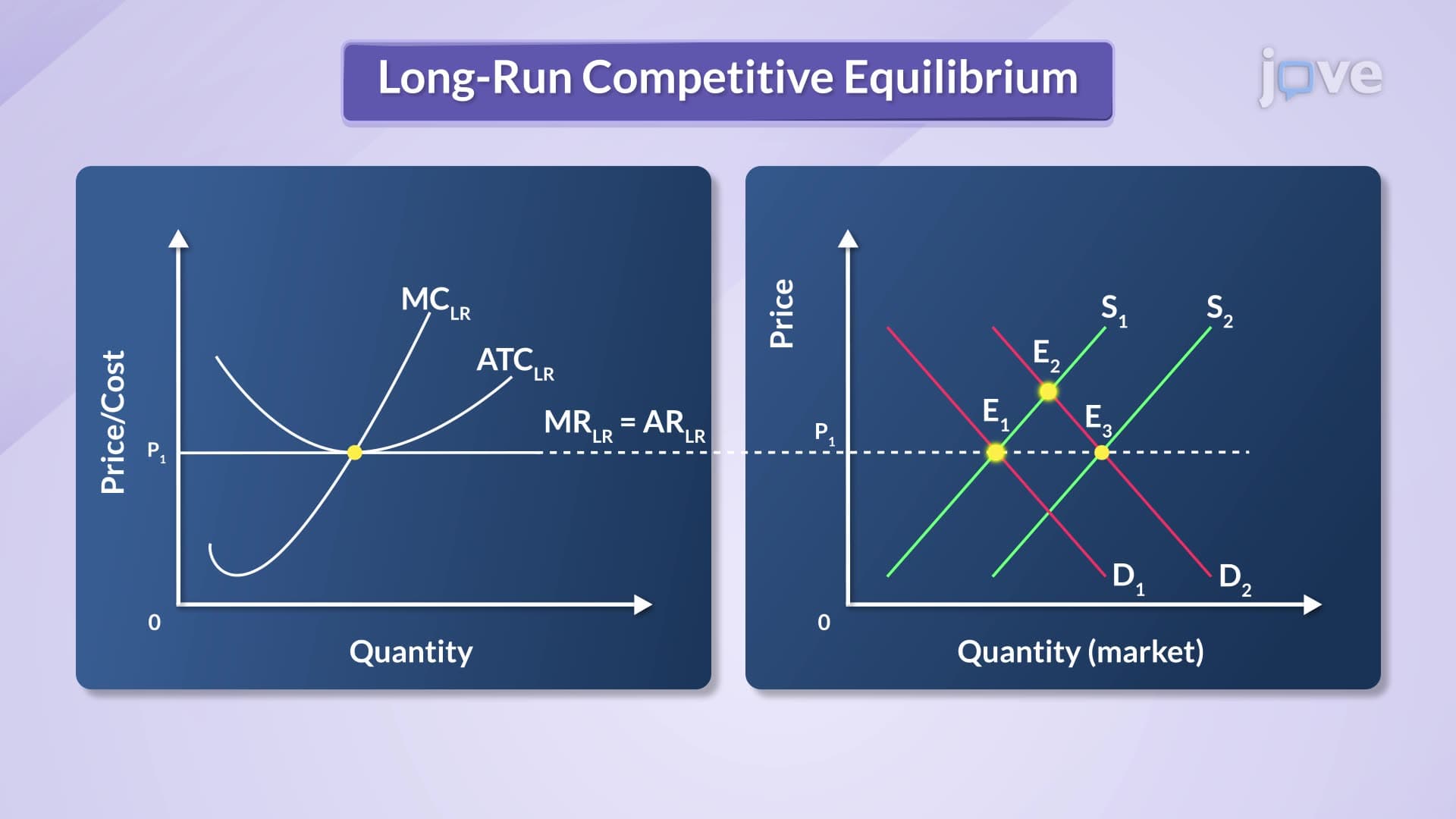
The long-run supply curve definition emerges from this cost minimization behavior. When every firm produces at minimum ATC, the market supply curve becomes horizontal-perfectly elastic-at that minimum cost level. This explains why AP Economics students often see horizontal long-run supply curves in exam questions.
What is long-run supply curve in perfect competition becomes clearer when examining entry and exit dynamics. If existing firms earn economic profits above minimum ATC, new competitors enter the market. For instance, if food truck operators in Austin earn abnormal profits, more food trucks will enter until profits normalize at minimum ATC levels.
Conversely, if firms experience losses, some exit the market until remaining firms return to minimum ATC operation. This self-regulating mechanism maintains the horizontal supply curve position.
The long-run supply curve in perfect competition study guide material emphasizes constant-cost industries. This assumes input prices remain unchanged despite industry expansion or contraction. Consider standardized franchises like Subway-whether 100 or 1,000 locations exist, bread and meat suppliers maintain consistent wholesale pricing due to their own competitive markets.
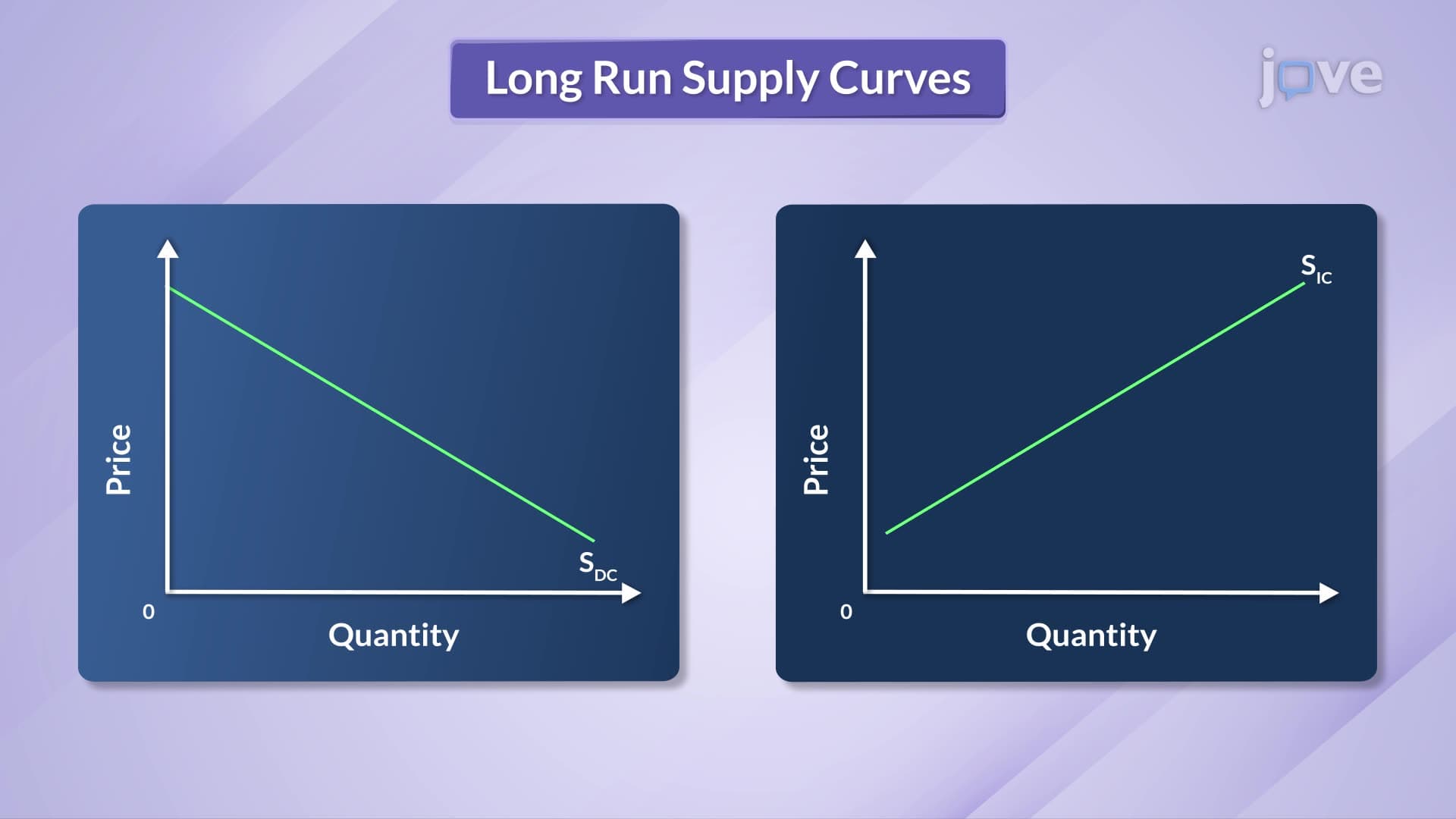
This concept frequently appears on college microeconomics midterms and AP Economics exams, where students must distinguish between constant-cost, increasing-cost, and decreasing-cost industries. Understanding these distinctions proves essential for analyzing real-world market behaviors and predicting long-term industry trends.
Related Micro-courses