Loading subject page…

5,343 views

Video Summary: What Is Revenues in Perfect Competition
When McDonald's sets prices for Big Macs, they can't simply charge whatever they want-they must consider market competition. Revenues in perfect competition follow unique patterns where firms like wheat farmers become price-takers, accepting market rates rather than setting them. In James's wheat operation, selling 100 bushels at $6 each generates $600 total revenue, but the fascinating part is how average and marginal revenues both equal the market price of $6 per bushel. This demonstrates the core principle of what is revenues in perfect competition-all revenue measures converge at the market price point. Watch the full video on JoVE Coach to master this concept with expert-led visuals and step-by-step explanations.
What is revenues in perfect competition represents a cornerstone concept in microeconomics, distinguishing how firms operate when they cannot influence market prices. Unlike companies such as Apple or Microsoft that possess market power, perfectly competitive firms-think corn farmers in Iowa or cattle ranchers in Texas-must accept prevailing market rates. This price-taking behavior fundamentally shapes how these businesses generate and measure their income streams.
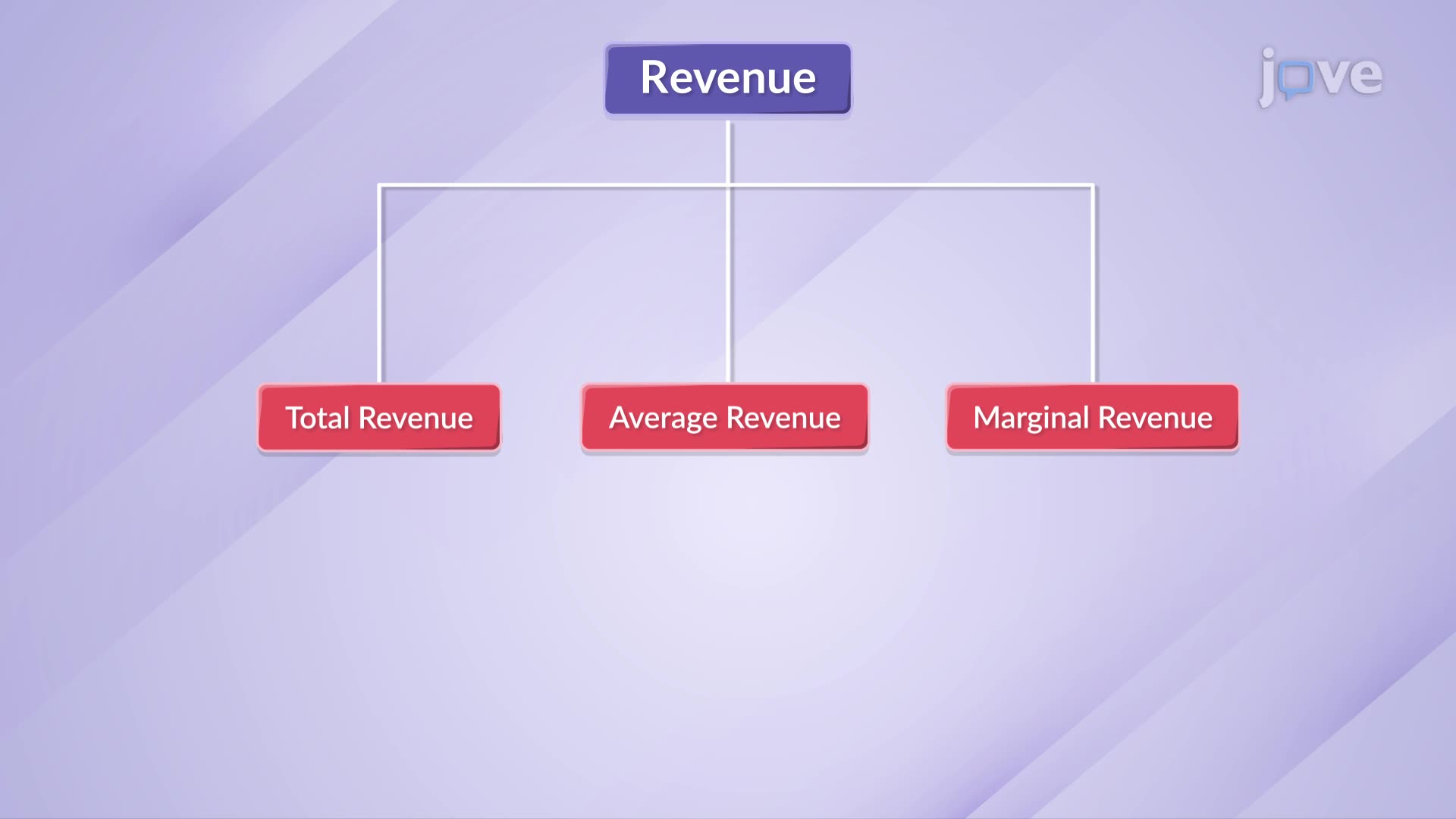
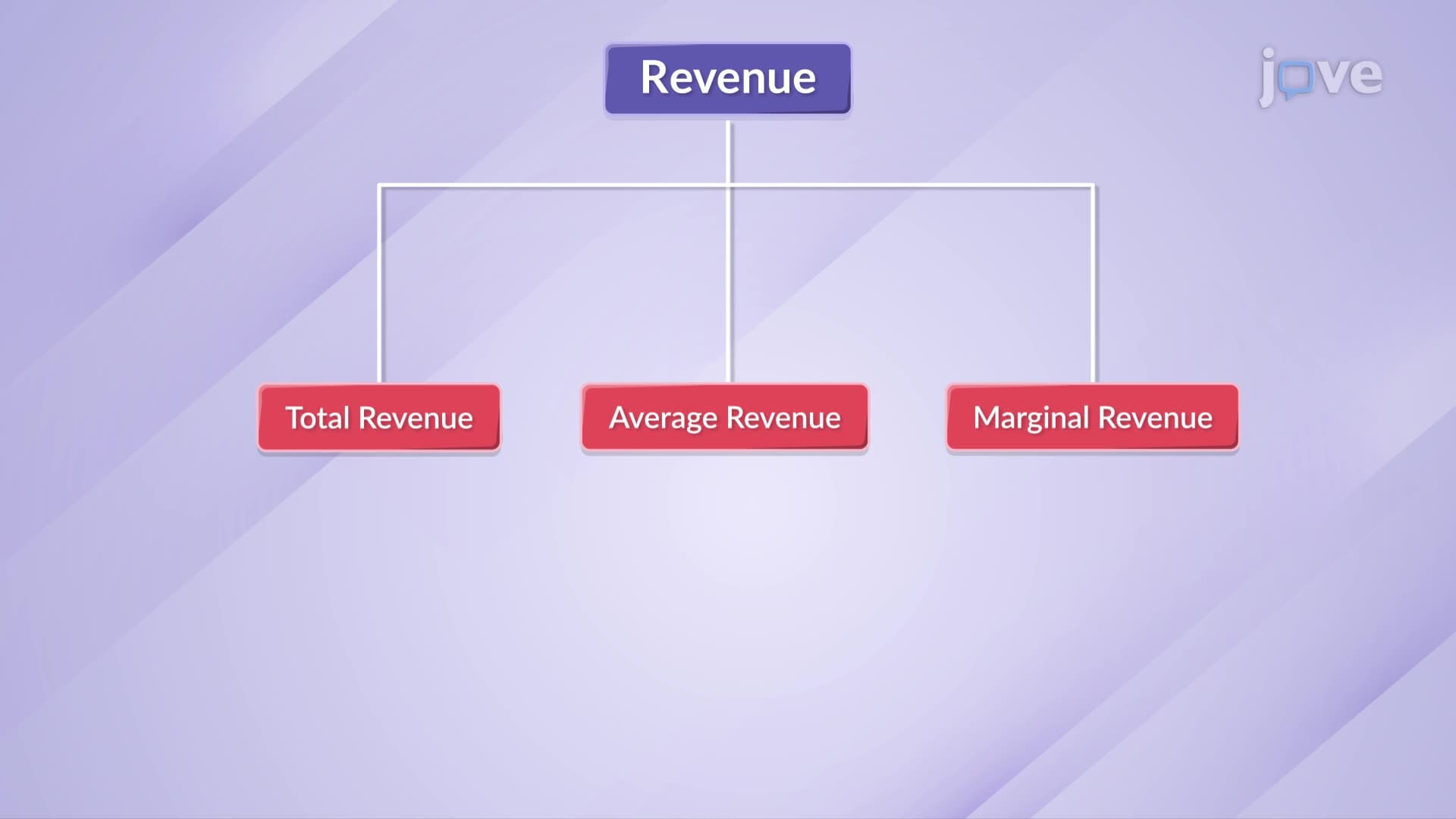
The revenues perfect competition definition encompasses three interconnected measurements that behave uniquely compared to other market structures. When a Nebraska wheat farmer decides how much to produce, they cannot set their own prices like a local restaurant might. Instead, they must work within the constraints of market-determined pricing, making revenue analysis crucial for operational decisions.
Total revenue represents the most straightforward calculation: multiply the market price by the quantity sold. If a Texas cotton farmer sells 500 bales at $0.70 per pound (assuming 480 pounds per bale), their total revenue equals $168,000. This calculation forms the foundation for all other revenue analyses in perfectly competitive markets.
Average revenue divides total revenue by quantity sold, consistently equaling the market price in perfect competition. This relationship holds true whether examining soybeans in Illinois or oranges in Florida. The mathematical certainty of this relationship-average revenue always equals price-provides students with a reliable anchor point for solving economics problems on AP exams and college midterms.
Marginal revenue measures additional income from selling one more unit. In perfect competition, marginal revenue always equals the market price because firms can sell additional units without reducing the price of previously sold units. This differs dramatically from monopolistic situations where increasing sales often requires price reductions across all units.
Agricultural commodities provide the clearest examples of revenues in perfect competition principles. Consider how corn farmers in the Midwest cannot influence Chicago Board of Trade prices-they're pure price-takers. Whether selling 10,000 or 50,000 bushels, each additional bushel sells for the same market price, demonstrating marginal revenue's consistency with market pricing.
Stock markets offer another practical illustration, particularly for small investors trading standardized securities. Individual traders cannot influence IBM's stock price regardless of their transaction size, mirroring the price-taking behavior essential to understanding perfect competition revenue concepts.
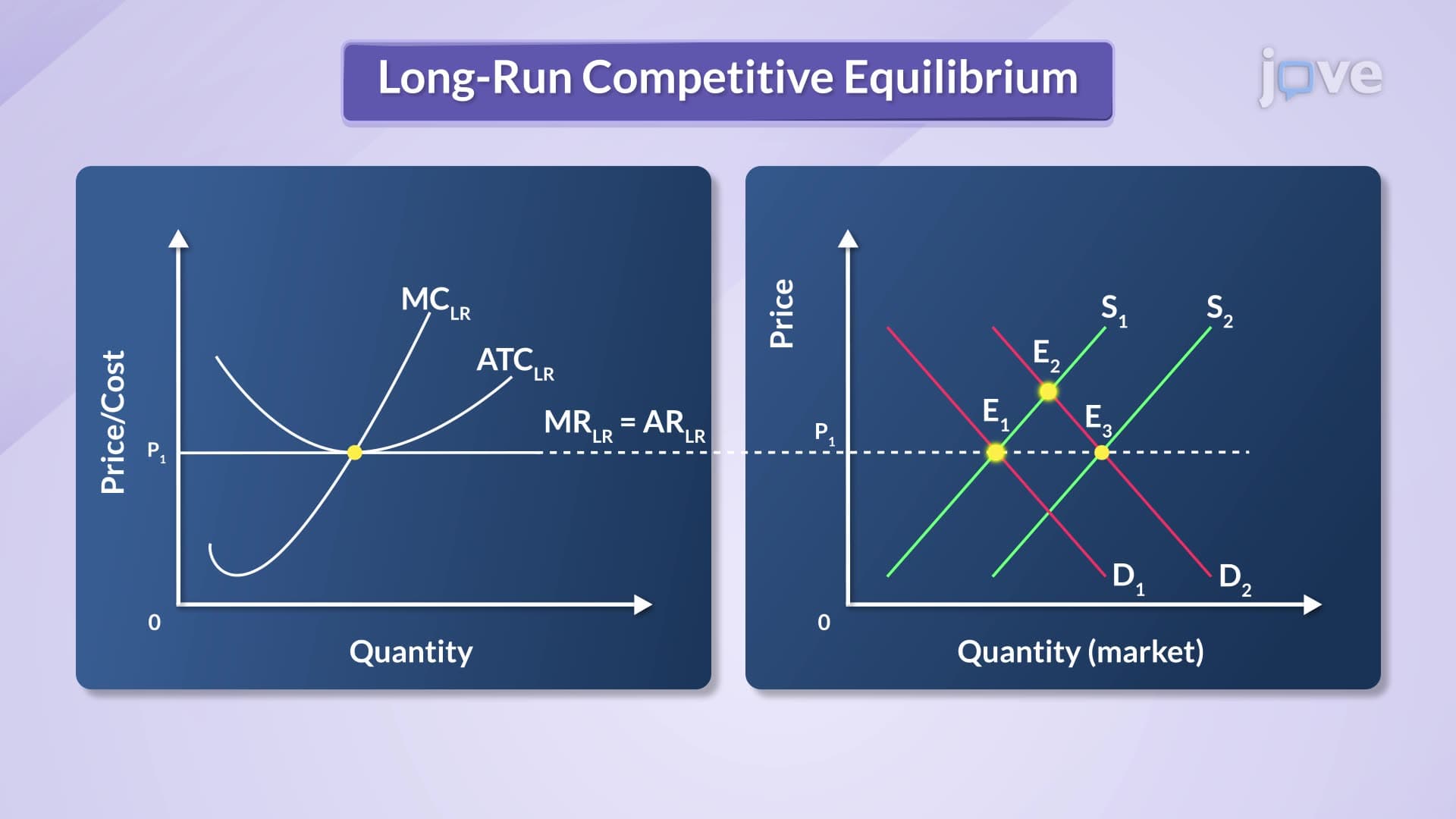
For AP Economics students, mastering revenues perfect competition requires recognizing the horizontal demand curve's significance. This graphical representation shows how firms face perfectly elastic demand at the market price level. College-level microeconomics courses expand this foundation by connecting revenue analysis to profit maximization conditions and long-run equilibrium outcomes.
Common exam questions test students' ability to calculate revenue measurements and explain why they converge at the market price in perfect competition. Understanding these relationships proves essential for success on standardized tests and provides the groundwork for advanced economic analysis in business and policy contexts.
Related Micro-courses