Loading subject page…


243,001 views


Video Summary: What are Gene Families
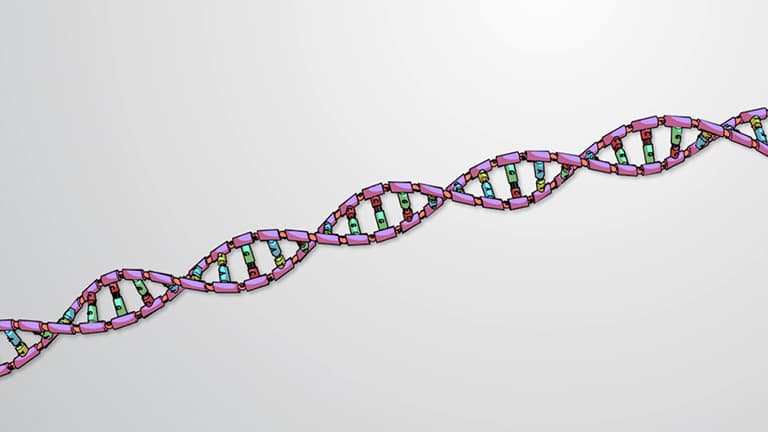
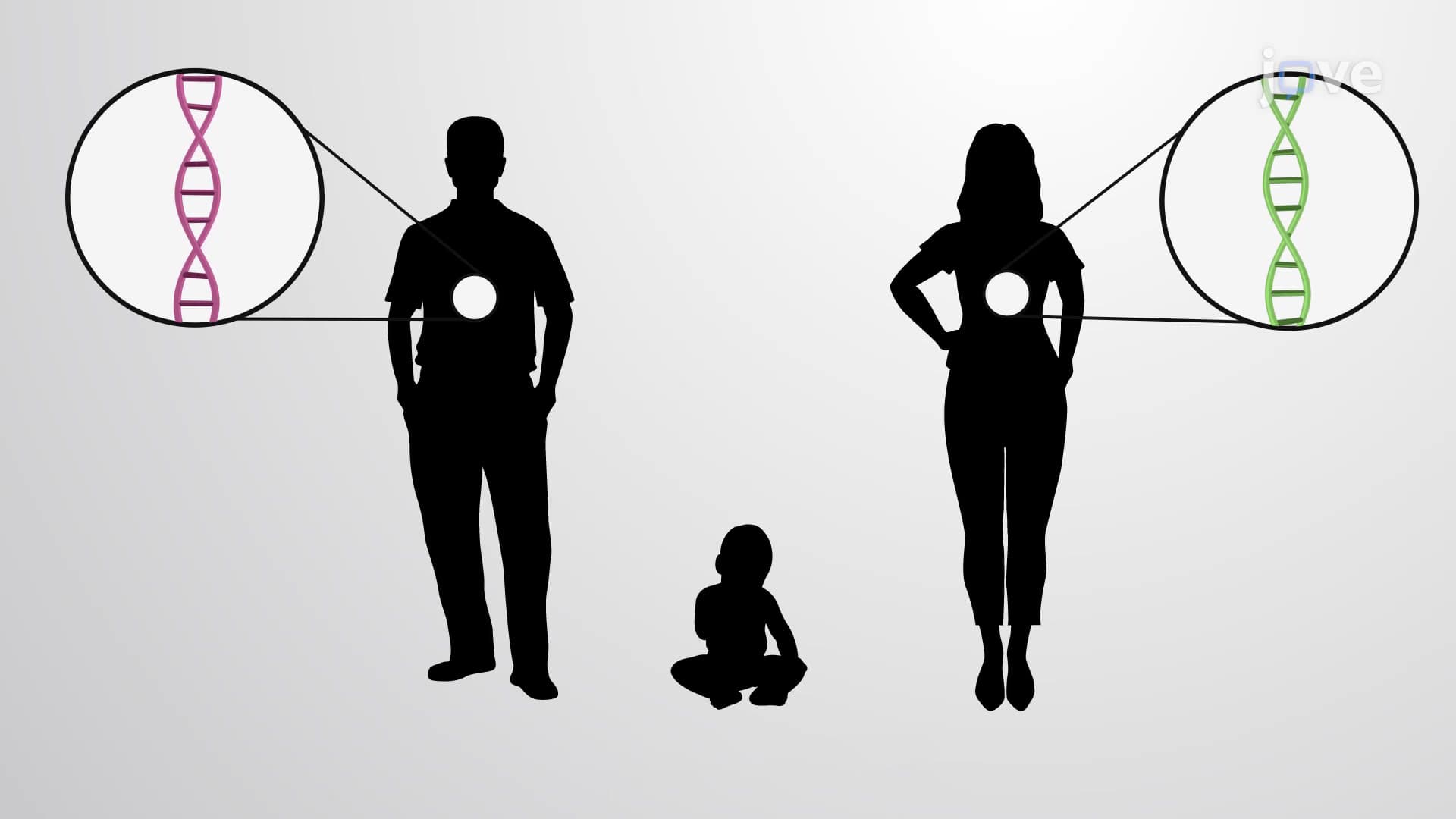
Why do humans have over 400 genes dedicated just to smell? Gene families are groups of genes that share a common evolutionary ancestor and often perform related functions. These genetic relatives, like the hemoglobin genes that help transport oxygen throughout your body, arise when DNA accidentally duplicates itself during cell division. Understanding what are gene families reveals how evolution creates biological diversity while maintaining essential functions. Watch the full video on JoVE Coach to master this concept with expert-led visuals and step-by-step explanations.
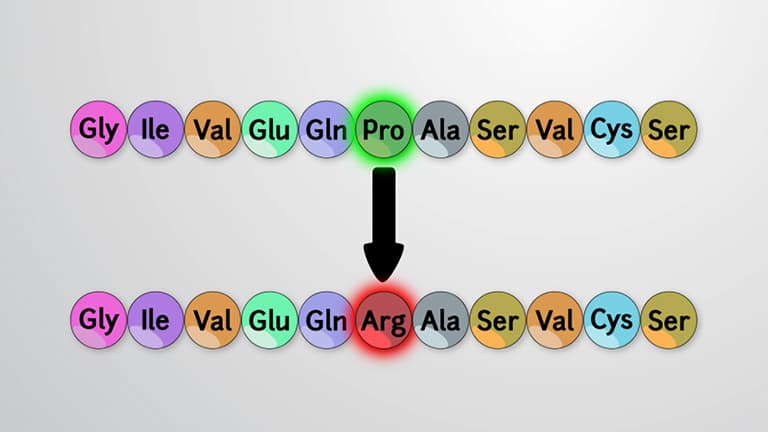
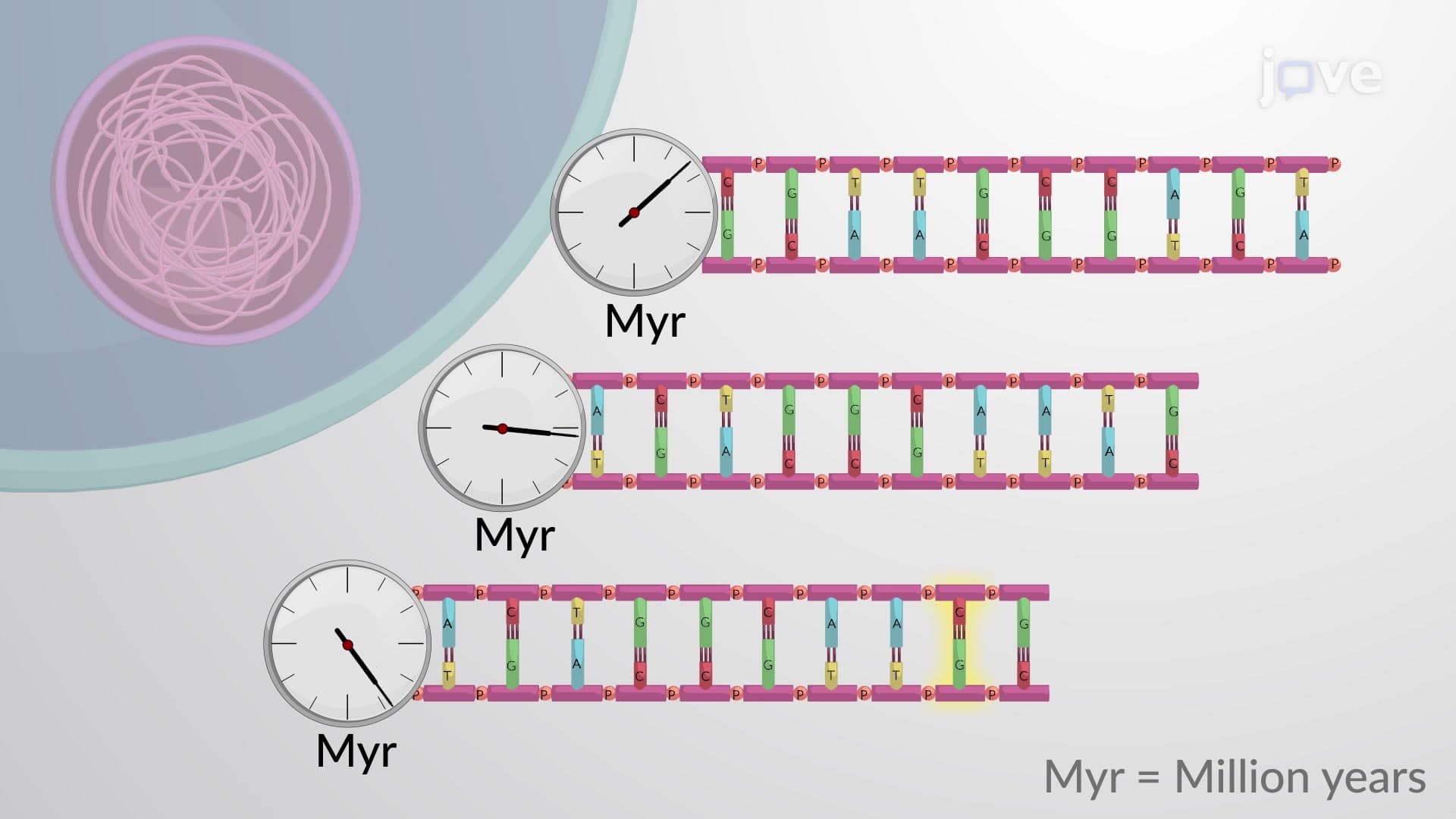
Gene families represent one of biology's most elegant solutions to creating functional diversity from limited genetic material. When cells divide and replicate their DNA, occasional duplication errors create extra copies of genes. While this might seem like a mistake, these duplications become evolutionary goldmines. The original gene maintains its essential function, while the duplicate copy can accumulate mutations and potentially develop new capabilities without compromising cellular survival.
This process has profound implications for students preparing for exams like the AP Biology test or college genetics courses. Gene families demonstrate key evolutionary principles including natural selection, mutation, and functional specialization that frequently appear on standardized assessments.
Scientists classify gene relationships based on their evolutionary history. Paralogs are genes within the same organism that arose from duplication events. For example, humans possess multiple hemoglobin genes (alpha and beta globin clusters) that work together to form different types of hemoglobin throughout development. Fetal hemoglobin has higher oxygen affinity than adult hemoglobin, demonstrating how gene families create specialized functions.
Orthologs represent genes in different species that descended from a common ancestral gene. The insulin gene in humans and mice are orthologs-they perform the same basic function of regulating blood sugar but evolved separately after mammalian species diverged. Understanding these distinctions helps students tackle MCAT questions about evolutionary biology and comparative genomics.
Gene families have revolutionary applications in American healthcare and biotechnology. The cytochrome P450 gene family, containing over 50 human genes, metabolizes approximately 75% of prescription medications. Genetic variations within this family explain why some patients metabolize drugs like warfarin differently, leading to personalized medicine approaches now used in major US hospitals.
Cancer research heavily relies on tumor suppressor gene families like p53-related genes. Understanding how these families function helps researchers at institutions like the National Cancer Institute develop targeted therapies. For students interested in medical careers, gene families provide crucial foundations for understanding genetic diseases, pharmacogenomics, and evolutionary medicine concepts that appear on the MCAT and in medical school curricula.
Related Micro-courses