Loading subject page…


243,001 views

Video Summary: What are Types of Genetic Transfer
Did you know that antibiotic-resistant bacteria in US hospitals often acquire their resistance through direct DNA transfer between bacterial cells? The types of genetic transfer fall into two main categories: vertical transfer (parent to offspring) and horizontal transfer (between organisms of the same generation). Horizontal transfer mechanisms like conjugation allow bacteria such as *E. coli* to share resistance genes, creating superbugs that challenge modern medicine. Understanding what are types of genetic transfer reveals how life shares and spreads genetic innovations across species boundaries. Watch the full video on JoVE Coach to master this concept with expert-led visuals and step-by-step explanations.
Genetic transfer represents one of biology's most fundamental processes, enabling organisms to share and inherit genetic information through distinct pathways. The types of genetic transfer encompass two primary categories that differ dramatically in their mechanisms, timing, and biological significance. This classification system helps students understand how genetic material flows through populations and across species boundaries.
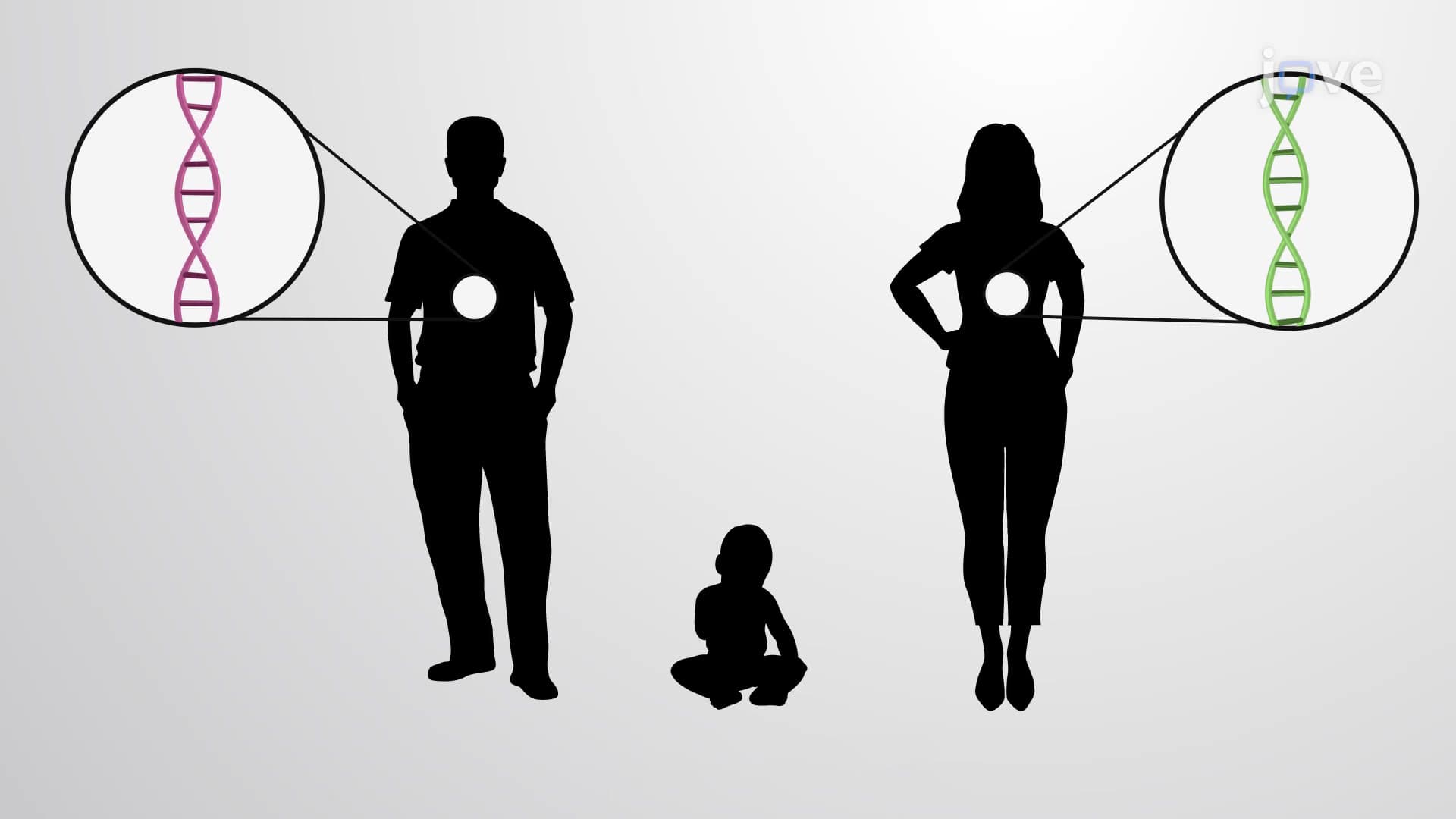
Vertical gene transfer follows the familiar parent-to-offspring pattern that most students recognize from basic genetics courses. In sexually reproducing organisms like humans, vertical transfer involves meiosis and fertilization, where each parent contributes roughly half their genetic material to create genetically unique offspring. This process drives the genetic diversity seen in families and populations across the United States.
Asexually reproducing organisms demonstrate a different vertical transfer pattern, producing genetically identical clones through processes like binary fission in bacteria or budding in yeast. These types of genetic transfer biology explained concepts frequently appear on AP Biology exams and college genetics courses, where students must distinguish between sexual and asexual reproductive strategies.
Horizontal gene transfer revolutionizes our understanding of genetic exchange by occurring between organisms of the same generation, often across species lines. This process proves particularly significant in prokaryotic organisms like bacteria, where it drives rapid adaptation and evolution. The types genetic transfer definition encompasses three distinct horizontal mechanisms that students encounter in advanced biology coursework.
Transformation allows bacterial cells to absorb naked DNA fragments directly from their environment, incorporating foreign genetic material into their chromosomes. Laboratory scientists exploit this natural process in genetic engineering applications, using techniques that appear in college molecular biology labs across US universities.
Transduction utilizes bacteriophages (viruses that infect bacteria) as inadvertent genetic messengers. During viral replication, these phages occasionally package fragments of host DNA instead of viral genetic material, transferring bacterial genes to new host cells during subsequent infections. This mechanism plays crucial roles in bacterial evolution and appears frequently in MCAT passages testing microbiology knowledge.
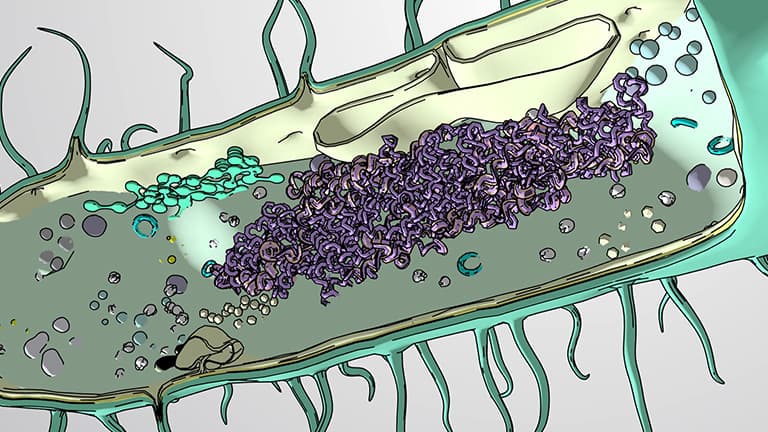
Conjugation represents the most direct horizontal transfer method, involving physical contact between bacterial cells through specialized structures called sex pili. Despite resembling sexual reproduction, conjugation doesn't produce offspring but rather transfers genetic material between existing organisms. This process drives antibiotic resistance spread in US hospitals, making it a critical concept for pre-med students and healthcare professionals studying for USMLE examinations.
Related Micro-courses