Loading subject page…

- Molecular Biology
- DNA, Cells, and Evolution
- Eukaryotic Compartmentalization
Micro-course: DNA, Cells, and Evolution
243,001 views
Learn key concepts and earn your certificate.


Eukaryotic Compartmentalization

00:00
01:46
Video Summary: What Is Eukaryotic Compartmentalization
Did you know that a single human liver cell contains over 1,000 mitochondria working like tiny power plants? Eukaryotic compartmentalization biology explains how cells organize their internal structures into specialized, membrane-bound organelles that work together like departments in a factory. Unlike simple bacterial cells, eukaryotic cells-found in everything from yeast to humans-use compartmentalization to perform multiple complex tasks simultaneously without interference. Watch the full video on JoVE Coach to master this concept with expert-led visuals and step-by-step explanations.
- Understand what is eukaryotic compartmentalization and how it distinguishes eukaryotic cells from prokaryotic cells through membrane-bound organelles
- Identify the major organelles in eukaryotic cells and their specific functions, including nucleus, mitochondria, endoplasmic reticulum, and Golgi apparatus
- Compare the structural organization of eukaryotic and prokaryotic cells to explain evolutionary advantages of compartmentalization
- Analyze how compartmentalization allows cells to maintain homeostasis by segregating incompatible biochemical reactions
- Evaluate the endosymbiotic theory and supporting evidence for organelle evolution from free-living prokaryotes
- Apply knowledge of organelle dysfunction to understand human diseases like mitochondrial disorders and lysosomal storage diseases
- Recognize protein targeting signals and intracellular trafficking mechanisms that maintain organelle identity
- Explore how understanding compartmentalization impacts drug development and targeted therapy approaches
Understanding Eukaryotic Compartmentalization: The Foundation of Complex Life
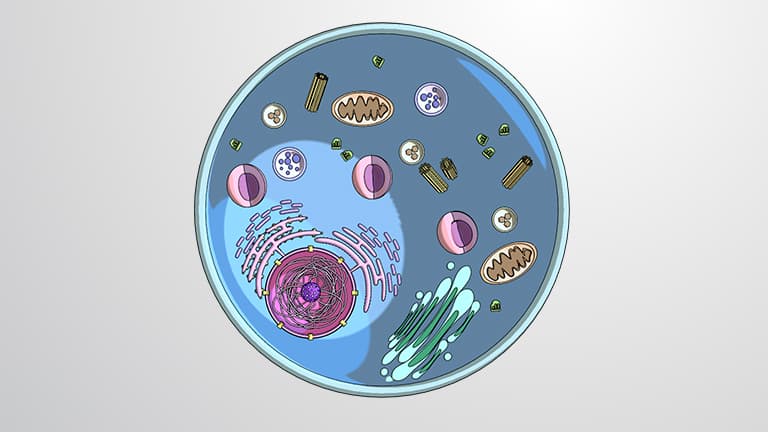
Eukaryotic compartmentalization biology represents one of the most significant evolutionary innovations that enabled the complexity we see in modern life. This organizational strategy divides the cell's interior into specialized, membrane-bound compartments called organelles, each optimized for specific biochemical processes. Think of it like a modern hospital where different departments-emergency room, surgery, pharmacy, laboratory-each have specialized equipment and staff working efficiently without interfering with other departments.
Cell Compartment Function Biology: Specialized Organelles at Work
The cell compartment function biology reveals how each organelle contributes to overall cellular success. The nucleus serves as the cell's control center, housing DNA and regulating gene expression through carefully controlled nuclear pores. Mitochondria function as cellular powerhouses, generating ATP through oxidative phosphorylation while maintaining their own genetic material-a key piece of evidence for endosymbiotic theory. The endoplasmic reticulum (ER) operates like a cellular assembly line: rough ER synthesizes proteins destined for secretion, while smooth ER produces lipids and detoxifies harmful substances.
The Golgi apparatus acts as the cell's post office, modifying, packaging, and shipping proteins received from the ER. This is particularly evident in pancreatic cells producing insulin, where proteins travel from ER to Golgi to secretory vesicles in a highly coordinated process. Students studying for the AP Biology exam should note how this pathway demonstrates the interconnected nature of organellar functions.
Functional Compartment Cell Advantages: Why Compartmentalization Matters
Functional compartment cell organization provides several crucial advantages. First, it allows simultaneous, incompatible reactions-like the acidic environment in lysosomes coexisting with the neutral cytoplasm. Second, it concentrates enzymes and substrates, increasing reaction efficiency. Third, it enables precise regulation of cellular processes through controlled transport between compartments.
Consider lysosomal storage diseases like Tay-Sachs disease, which affects approximately 1 in 27,000 Ashkenazi Jewish births in the United States. These disorders demonstrate how organellar dysfunction can have devastating consequences, making this topic relevant for pre-med students preparing for the MCAT.
Clinical Applications and Real-World Relevance
Understanding compartmentalization is essential for modern medicine and biotechnology. Pharmaceutical companies exploit organelle-specific targeting to develop drugs that accumulate in specific cellular compartments. For example, some chemotherapy drugs target mitochondria in cancer cells, while others disrupt protein trafficking through the ER.
Frequently Asked Questions
Eukaryotic compartmentalization is the organization of cellular components into membrane-bound organelles that perform specialized functions. Unlike prokaryotes, which have their genetic material and enzymes freely floating in the cytoplasm, eukaryotes separate different cellular processes into distinct compartments like the nucleus, mitochondria, and endoplasmic reticulum. This allows for more complex and efficient cellular operations.
The AP Biology exam frequently tests organelle structure and function, particularly in free-response questions about cellular processes. Students must understand how proteins move between compartments, how organelles maintain their identity, and how compartmentalization enables complex processes like photosynthesis and cellular respiration. This topic often appears in questions about cell signaling, protein synthesis, and cellular energetics.
The MCAT heavily emphasizes mitochondrial function in cellular respiration, endoplasmic reticulum role in protein synthesis, and lysosomal function in cellular digestion. Test-takers should understand how compartmentalization enables pH differences between organelles, protein targeting mechanisms, and the relationship between organelle dysfunction and human disease. These concepts appear across biology, biochemistry, and physics sections.
Many genetic diseases result from organellar dysfunction, including mitochondrial myopathies affecting muscle function, peroxisomal disorders like Zellweger syndrome, and lysosomal storage diseases such as Gaucher disease. Understanding normal compartmentalization helps medical students recognize how cellular trafficking defects lead to symptom patterns and guides therapeutic approaches targeting specific organelles.
Not at all! While the molecular details are sophisticated, the basic concept is intuitive-it's like organizing your house into different rooms for different activities. Start by learning the major organelles and their primary functions, then gradually add details about how they work together. Most high school biology courses introduce this concept in manageable steps.
Use analogy-based learning and active recall rather than rote memorization. Create analogies comparing organelles to familiar structures (nucleus = city hall, mitochondria = power plant, Golgi = post office), then practice drawing and labeling cell diagrams repeatedly. Focus on understanding the "why" behind each function-this makes details more memorable and helps with application questions.
Pharmaceutical companies use compartmentalization knowledge to design targeted drug delivery systems that accumulate in specific organelles. Researchers develop therapies for mitochondrial diseases, create engineered organelles for biotechnology applications, and use organelle-targeting techniques in gene therapy. Understanding compartmentalization is crucial for careers in biomedical research, pharmaceutical development, and clinical diagnostics.
Build on this foundation by exploring membrane transport mechanisms, protein trafficking pathways, and organelle biogenesis. Study specific processes like autophagy, endocytosis, and vesicular transport. These topics prepare you for advanced cell biology courses and provide essential background for understanding cancer biology, immunology, and developmental biology.
Related Micro-courses