Loading subject page…


243,001 views

Video Summary: What Is the Central Dogma
Ever wonder how your DNA blueprint creates the 50,000+ different proteins that keep you alive? The central dogma biology explained reveals this remarkable molecular assembly line where genetic information flows from DNA to RNA to proteins. Consider how the FDA-approved drug insulin is now produced using engineered bacteria that follow this exact pathway-transforming human DNA instructions into life-saving medicine. What is The Central Dogma forms the foundation for understanding all genetic processes in living cells. Watch the full video on JoVE Coach to master this concept with expert-led visuals and step-by-step explanations.
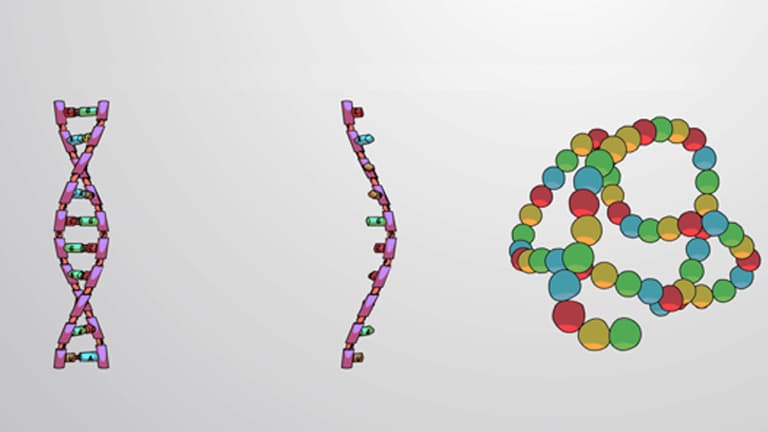
The central dogma molecular biology describes the unidirectional flow of genetic information: DNA → RNA → Protein. Francis Crick first articulated this principle in 1958, establishing the theoretical framework that revolutionized our understanding of molecular biology. This concept explains how cells convert stored genetic instructions into functional molecules that perform cellular work.
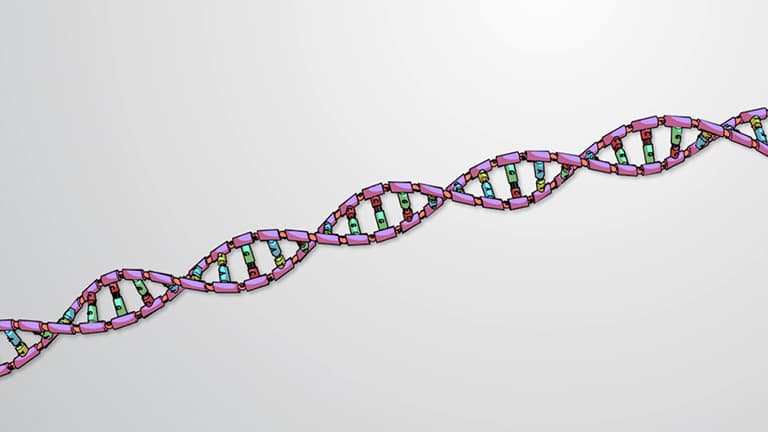
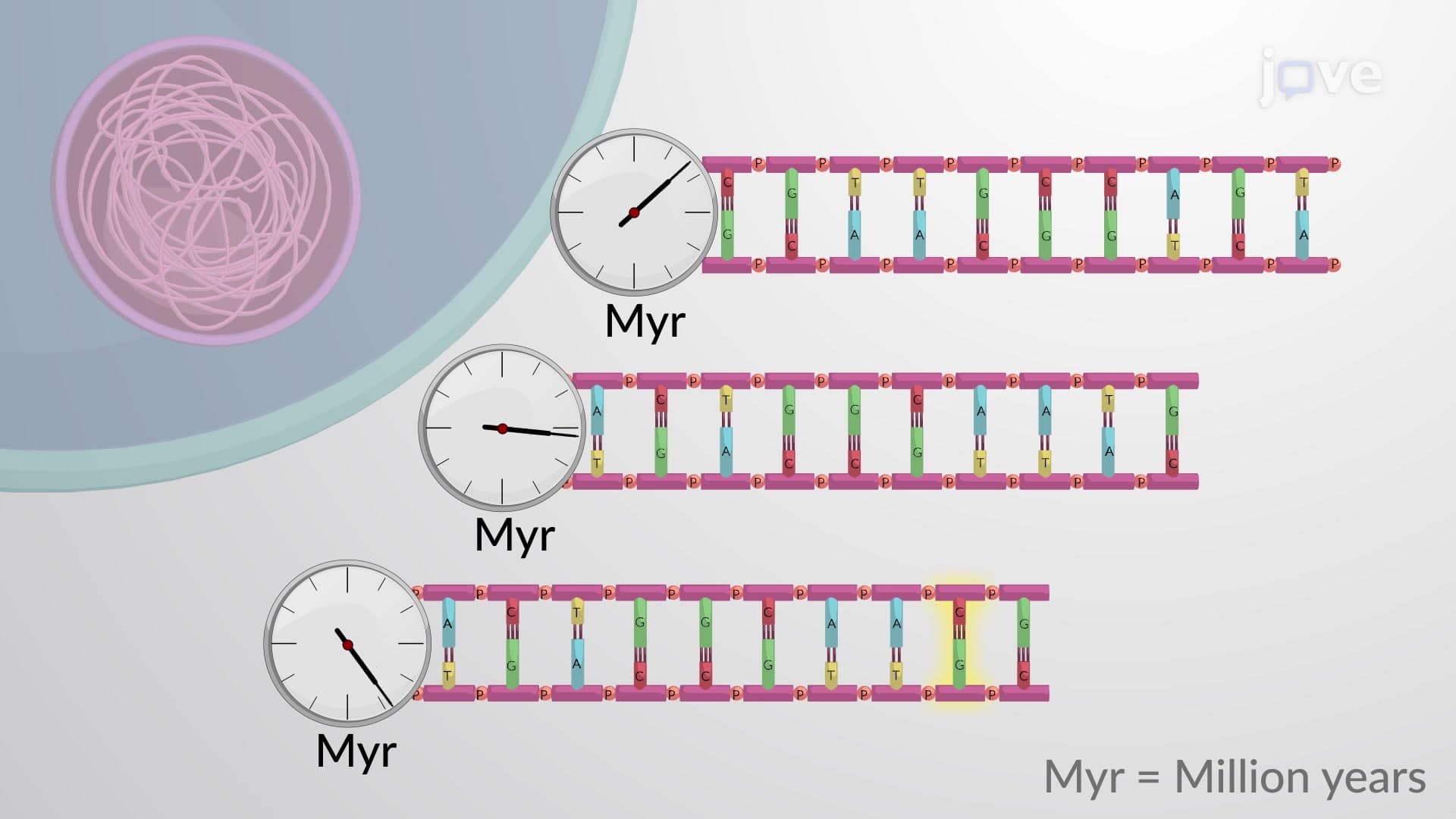
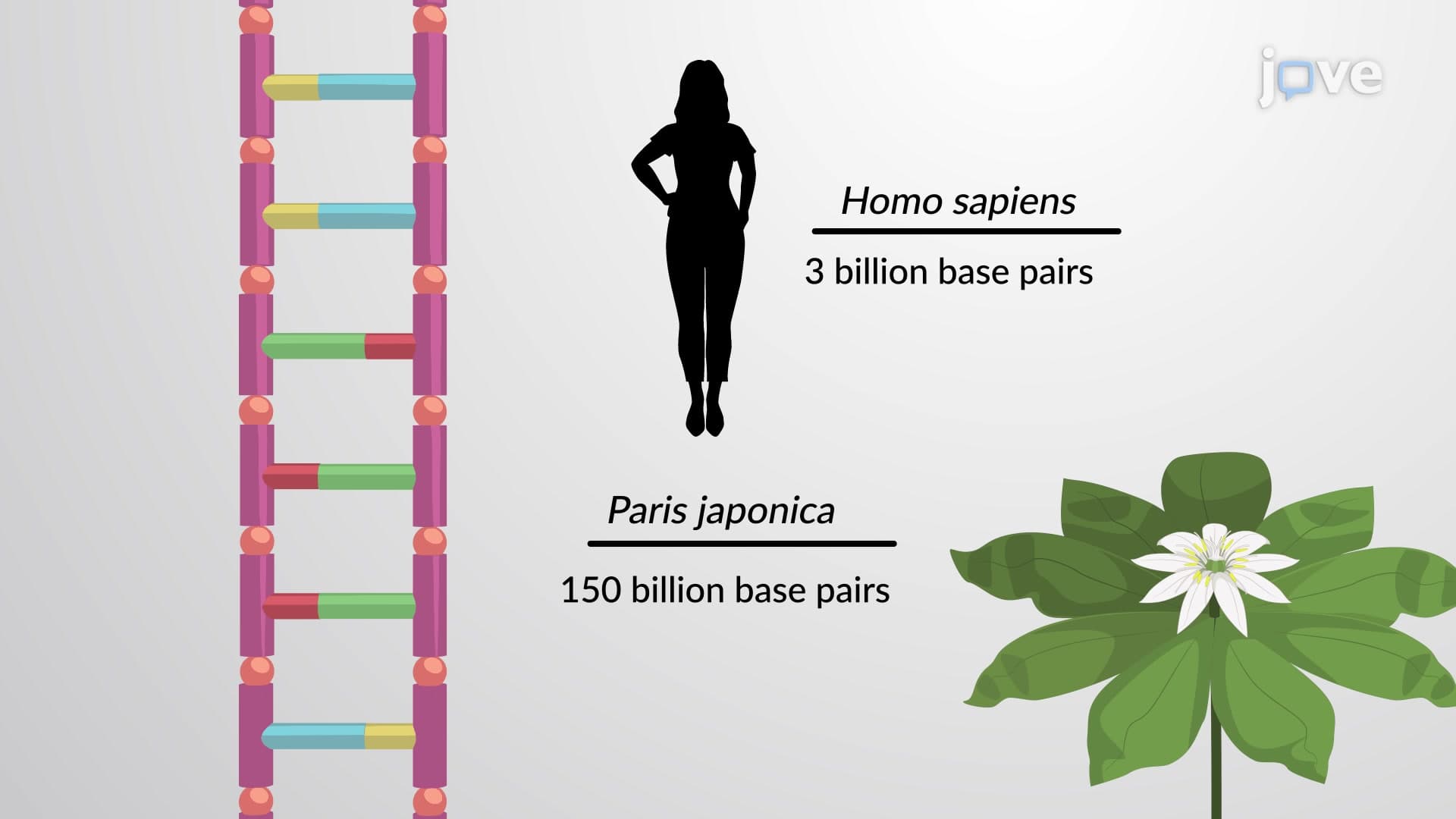
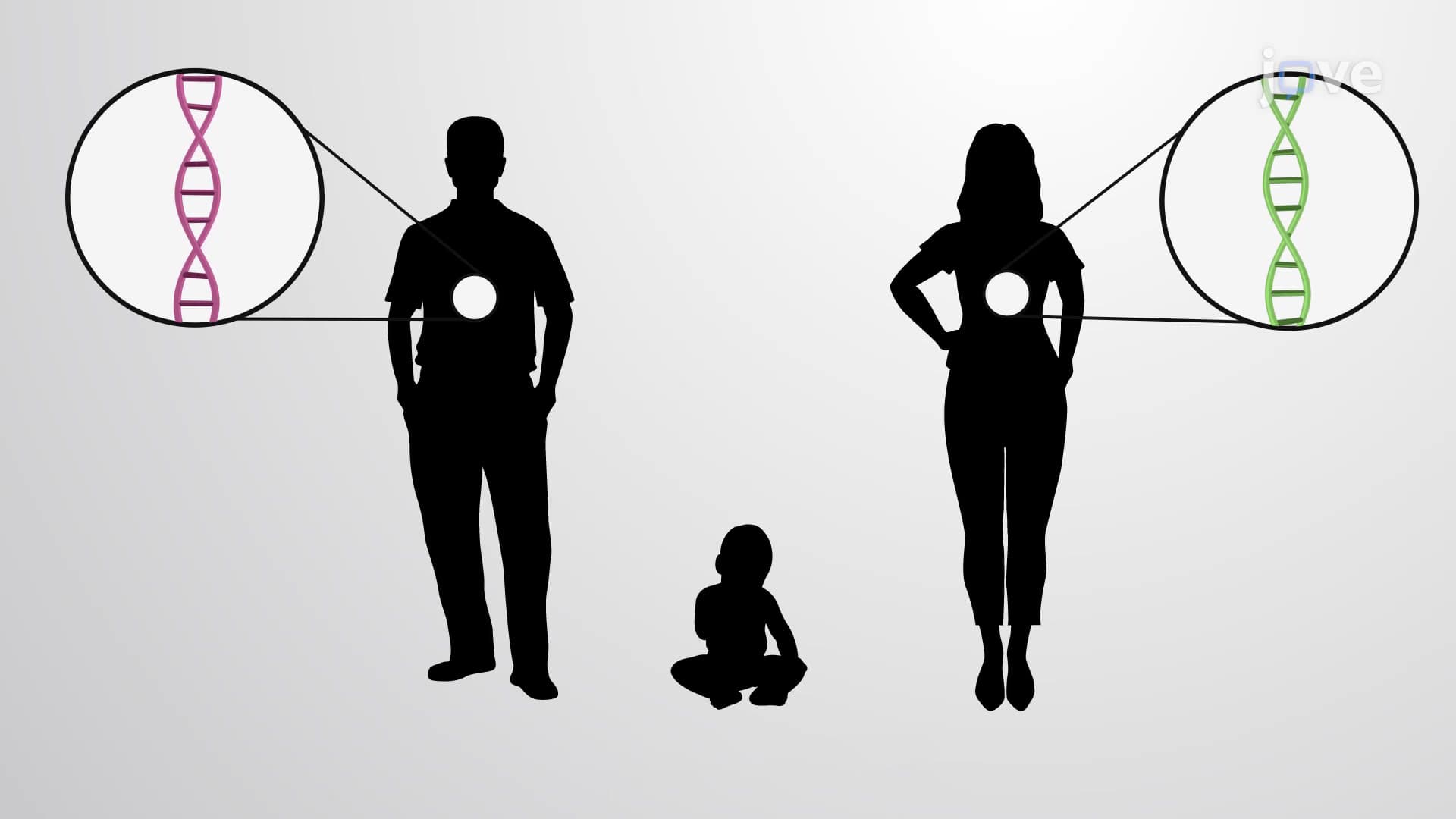
DNA serves as the permanent repository of genetic information, containing approximately 20,000-25,000 genes in the human genome. Each gene consists of specific nucleotide sequences (adenine, thymine, guanine, cytosine) that encode instructions for protein synthesis. The double helix structure, discovered by Watson and Crick, ensures genetic information remains stable across cell divisions. During DNA replication, each strand serves as a template to create identical copies, maintaining genetic fidelity essential for cellular function.
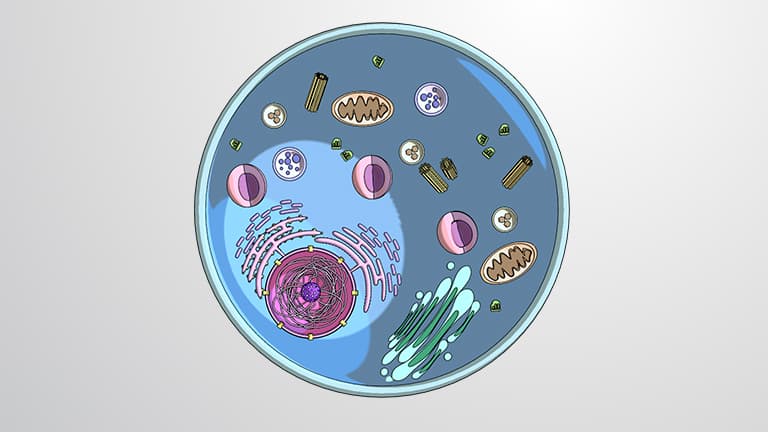
Transcription transforms DNA instructions into messenger RNA (mRNA) through RNA polymerase enzyme activity. This process occurs in the cell nucleus, where specific gene segments are "read" and copied into RNA using complementary base pairing (A-U, T-A, G-C, C-G). The resulting mRNA molecule carries genetic instructions from nucleus to cytoplasm. Understanding transcription proves crucial for AP Biology exams and MCAT preparation, as students must explain how environmental factors regulate gene expression through transcriptional control mechanisms.
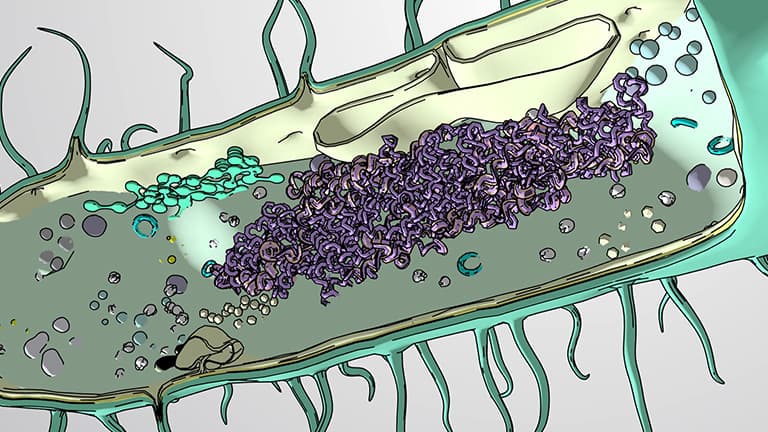
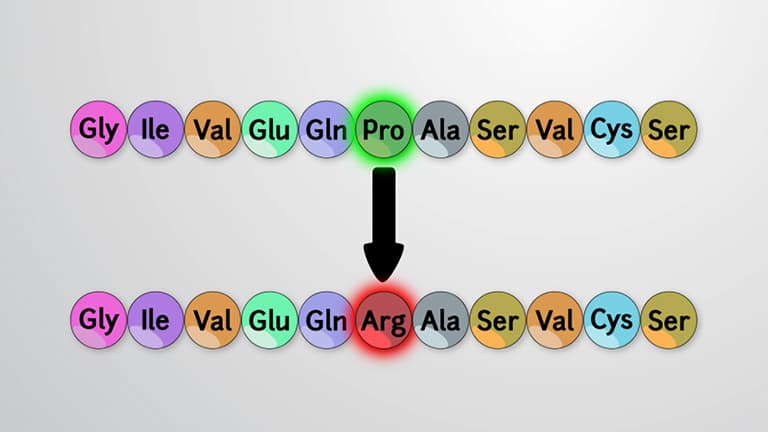
Translation converts mRNA sequences into functional proteins at cellular ribosomes. Transfer RNA (tRNA) molecules bring specific amino acids to match mRNA codons (three-nucleotide sequences), while ribosomal RNA (rRNA) facilitates peptide bond formation. The genetic code contains 64 possible codons encoding 20 standard amino acids, demonstrating the redundancy that protects against mutation effects. This process enables pharmaceutical companies like Genentech to produce human insulin using genetically modified bacteria, illustrating practical central dogma molecular biology applications.
The central dogma underlies breakthrough medical technologies including CRISPR gene editing, approved by the FDA for treating sickle cell disease. Pharmaceutical companies exploit this pathway to manufacture therapeutic proteins, while genetic testing companies analyze DNA sequences to predict disease risks. Medical students studying for the USMLE must understand how disruptions in this pathway cause genetic disorders, making what is the central dogma of molecular biology a fundamental concept for healthcare professionals.
Related Micro-courses