Loading subject page…

- Molecular Biology
- DNA Replication
- Comparing Mitochondrial, Chloroplast, and Prokaryotic Genomes
Micro-course: DNA Replication
424,105 views
Learn key concepts and earn your certificate.

Comparing Mitochondrial, Chloroplast, and Prokaryotic Genomes

00:00
02:16
Video Summary: Comparing Mitochondrial Chloroplast and Prokaryotic Genomes Explained
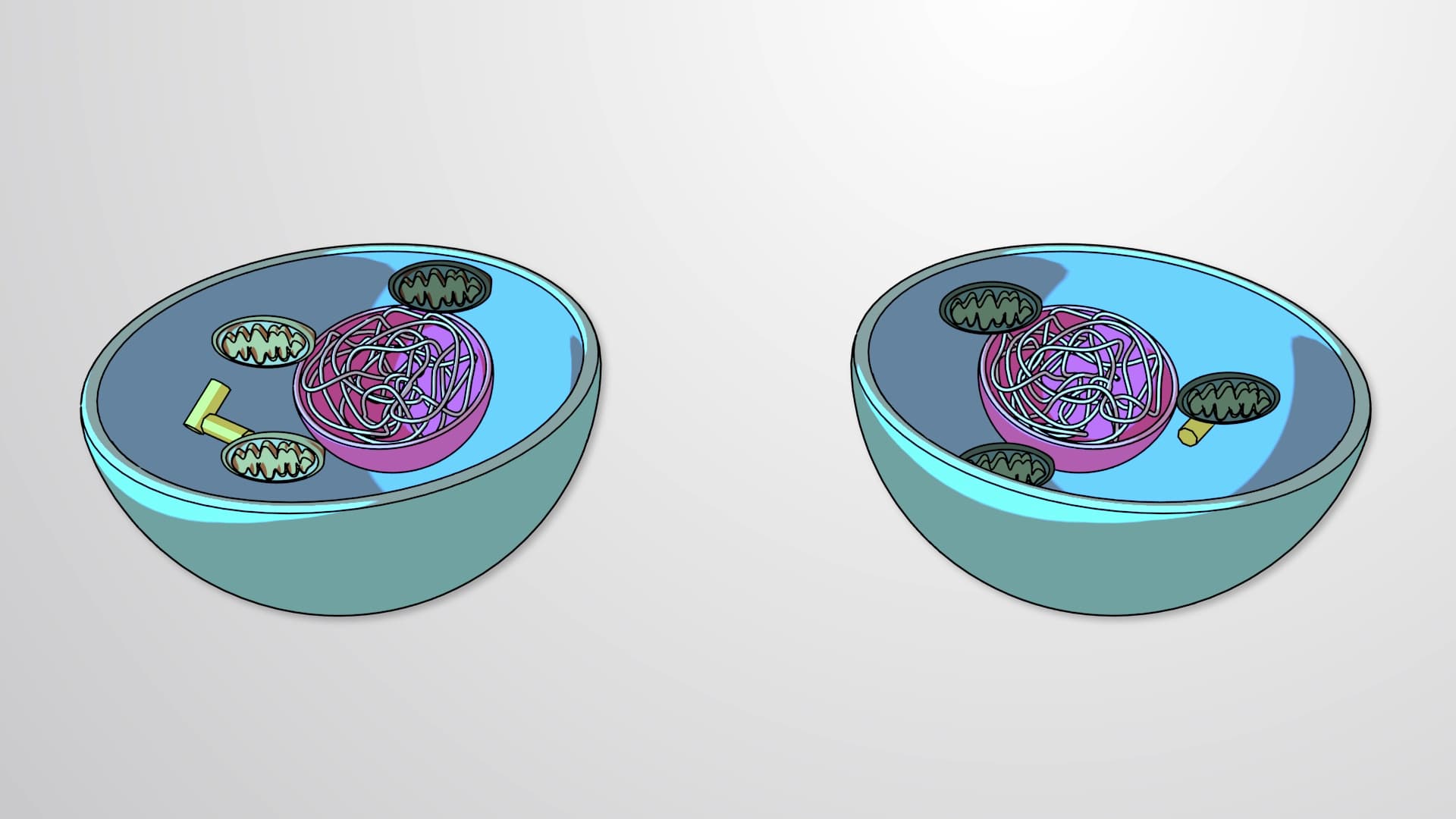
Did you know that the mitochondria in your cells were once free-living bacteria? Comparing mitochondrial chloroplast and prokaryotic genomes reveals how ancient bacterial engulfment created the complex cells that power everything from Stanford University's research labs to your morning jog. While E. coli bacteria contain nearly 5,000 genes, human mitochondria have just 37 genes in their streamlined genomes. Watch the full video on JoVE Coach to master this concept with expert-led visuals and step-by-step explanations.
- Understand the evolutionary origins behind comparing mitochondrial chloroplast and prokaryotic genomes through endosymbiotic theory
- Identify key structural similarities between organellar and bacterial genomes, including circular DNA and lack of histone proteins
- Compare genome sizes and gene numbers across prokaryotes, mitochondria, and chloroplasts in different organisms
- Analyze why chloroplast genomes more closely resemble prokaryotic genomes than mitochondrial genomes do
- Evaluate the differences between animal and plant mitochondrial genomes, particularly regarding intron presence
- Apply knowledge of transcription machinery similarities between chloroplasts and prokaryotes
- Recognize how genome reduction occurred during organelle evolution from free-living bacteria
- Explore the functional consequences of dramatically reduced organellar gene content compared to bacterial ancestors
Understanding Genome Evolution Through Comparing Mitochondrial Chloroplast And Prokaryotic Genomes
The endosymbiotic theory explains one of biology's most remarkable transformations: how simple prokaryotic cells became the complex eukaryotic cells that form all plants, animals, and fungi. This evolutionary process left clear genomic fingerprints that researchers at institutions like Harvard Medical School and UC Berkeley continue to study today.
Prokaryotic Genomes: The Ancestral Blueprint
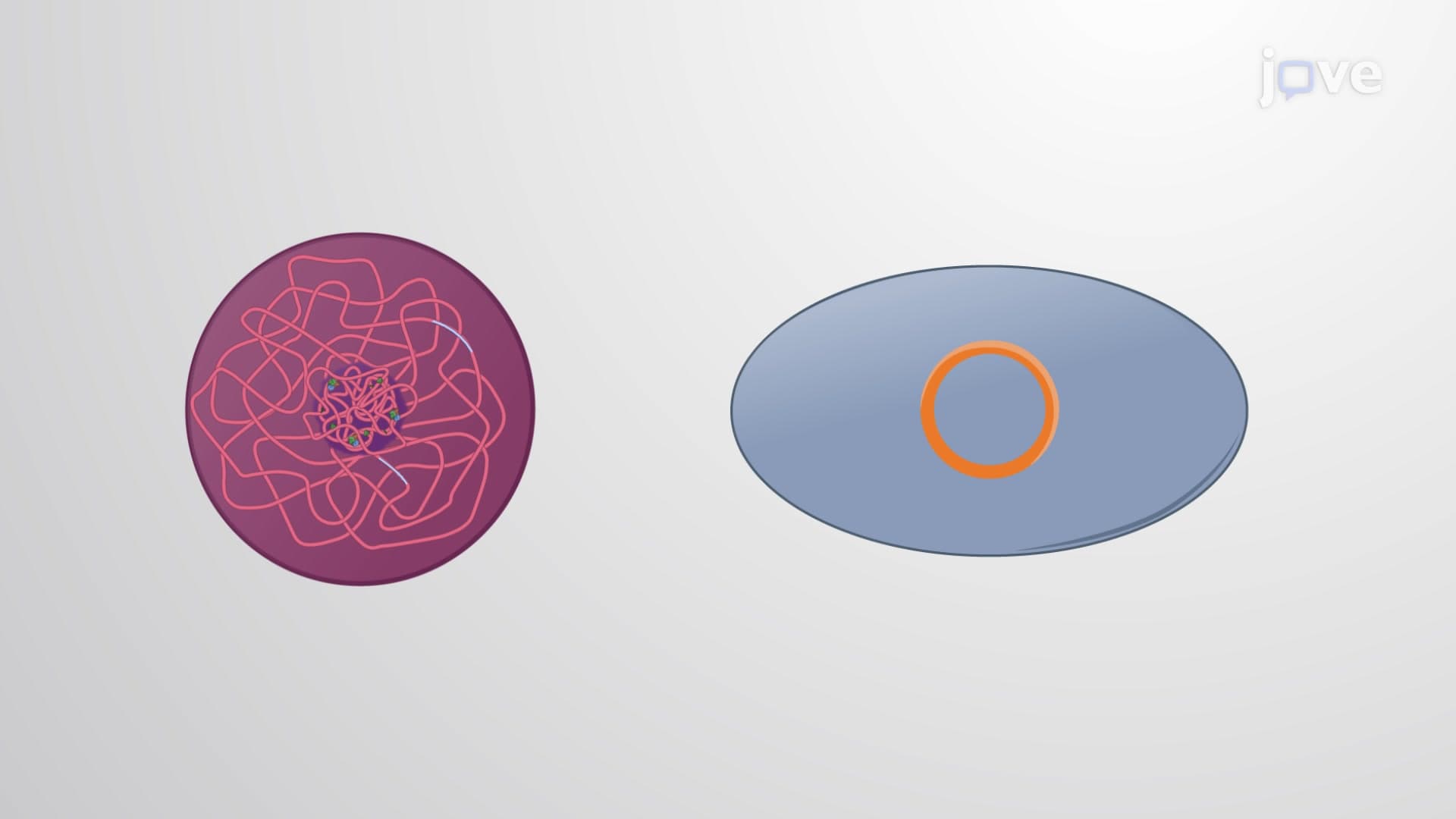
Modern prokaryotic genomes represent the ancestral state from which organellar genomes evolved. Escherichia coli, commonly studied in AP Biology courses, exemplifies typical bacterial genome organization with approximately 5 million base pairs encoding nearly 5,000 genes. These genomes feature circular, double-stranded DNA that lacks histone proteins-a characteristic shared with their organellar descendants. Cyanobacteria like Synechocystis, with 3.5 million base pairs and 3,200 genes, serve as modern analogs for the photosynthetic bacteria that became chloroplasts.
Mitochondrial Genome Characteristics and Variation
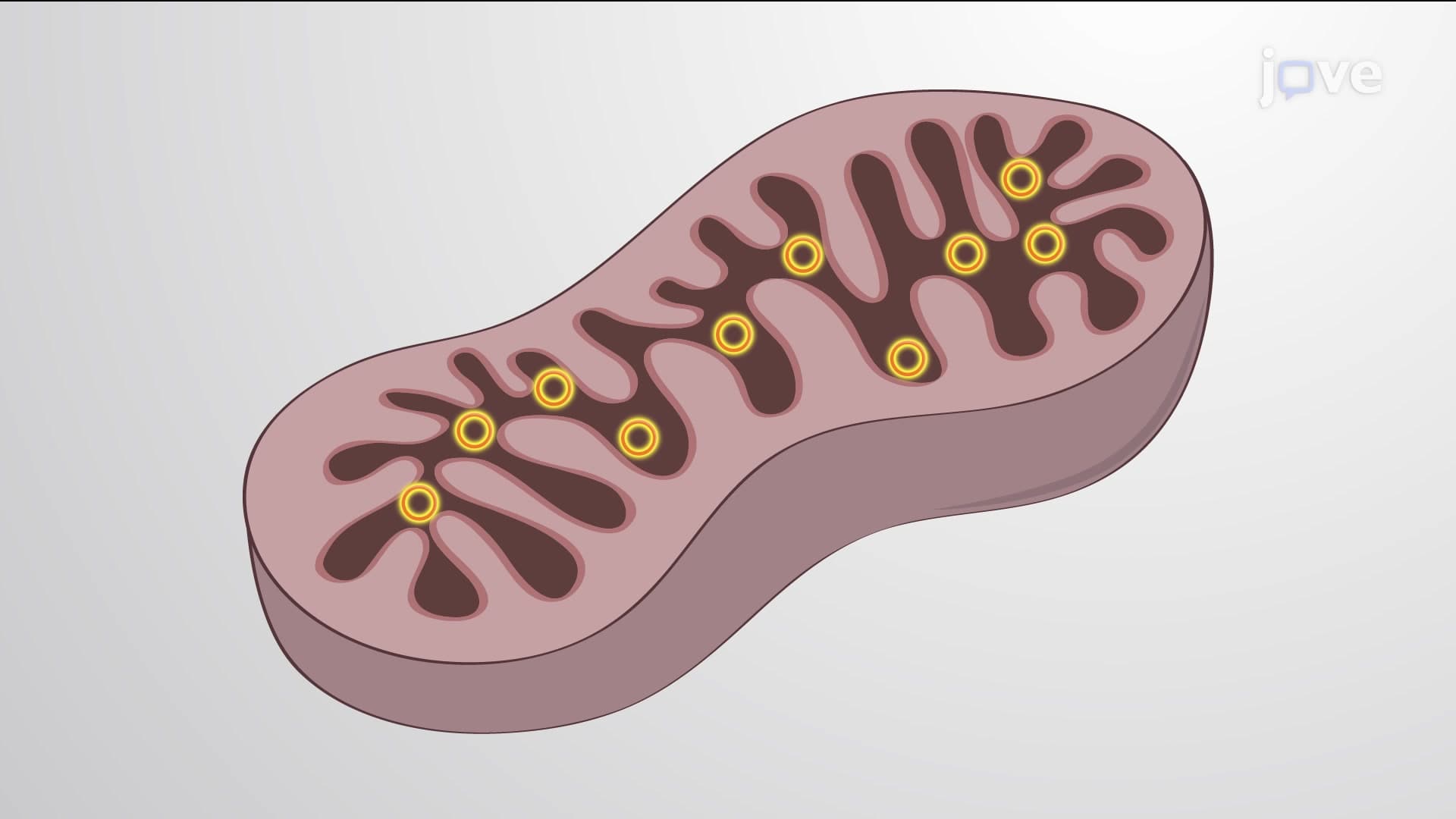
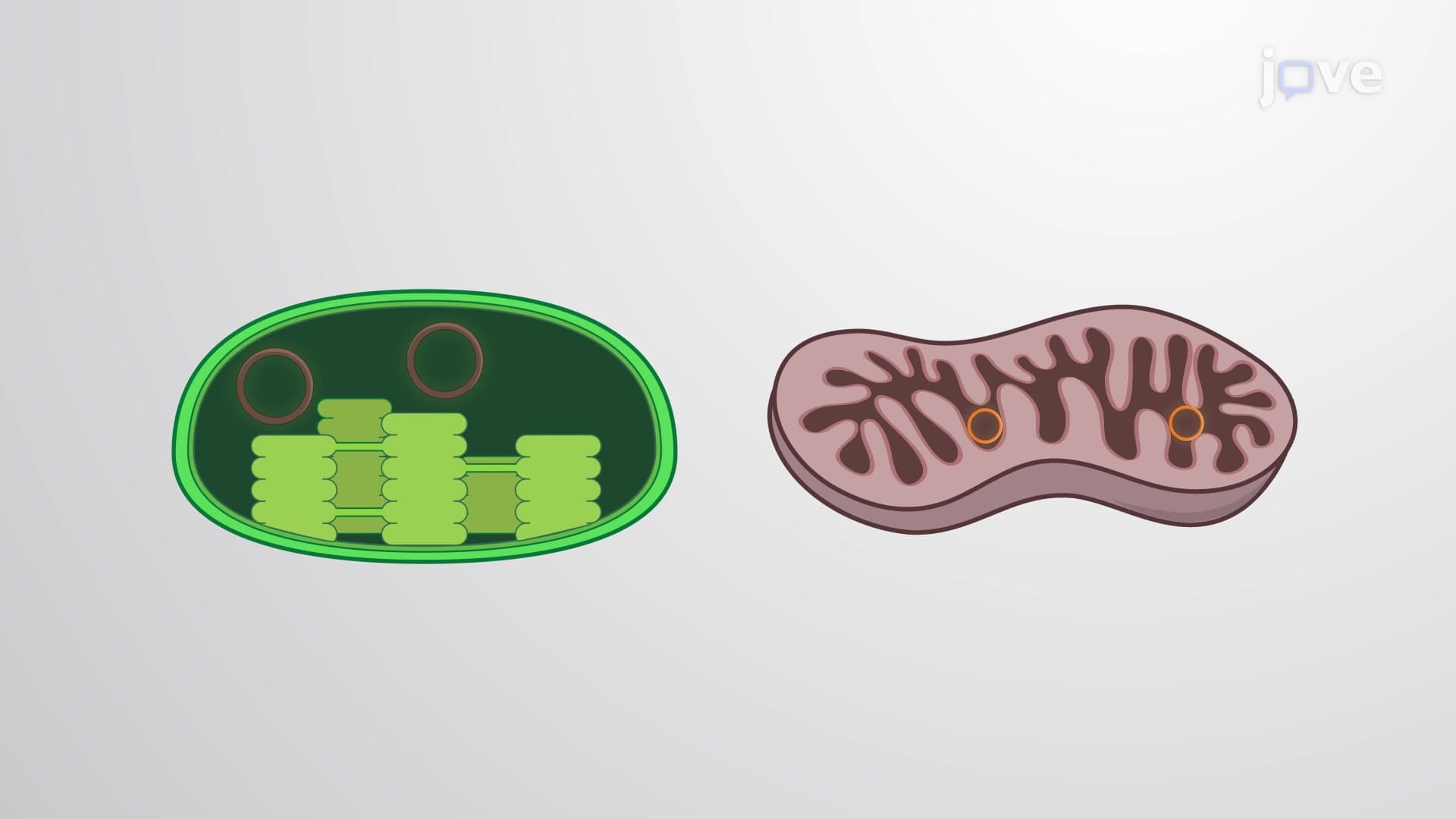
Mitochondrial genomes demonstrate remarkable size variation across species. Human mitochondrial DNA contains just 16,569 base pairs with 37 genes, making it extremely compact compared to its bacterial ancestors. This streamlining reflects millions of years of gene transfer to the nucleus and elimination of non-essential functions. In contrast, plant mitochondria like those in Arabidopsis thaliana contain over 350,000 base pairs but only 57 genes, illustrating how different evolutionary pressures shaped organellar genomes in various lineages.
Chloroplast Genomes: Retaining Prokaryotic Features
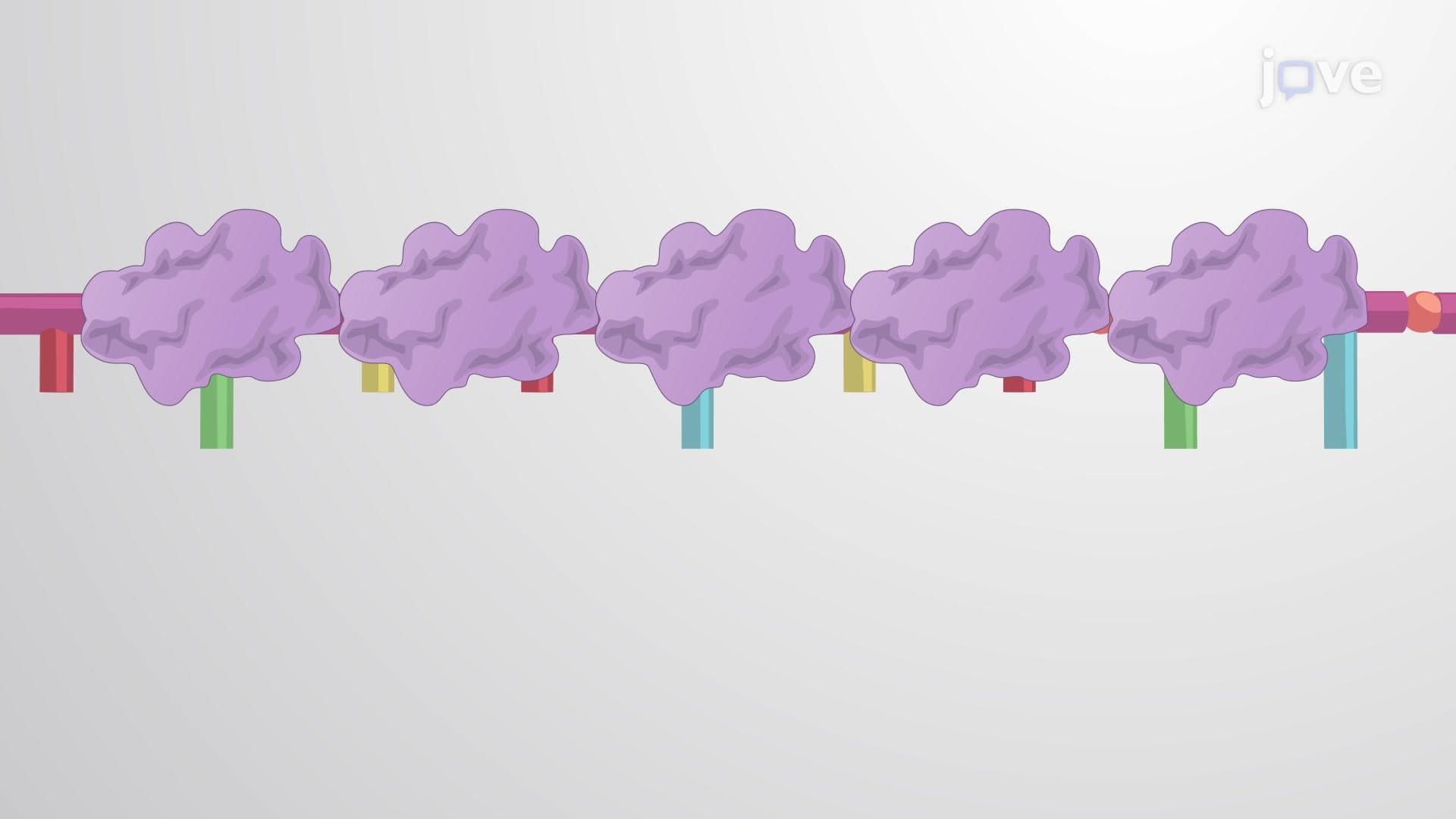
Chloroplast genomes maintain stronger resemblance to their cyanobacterial origins than mitochondria do to their bacterial ancestors. Most terrestrial plant chloroplasts contain 120,000-200,000 base pairs encoding 120-135 genes. These genomes retain prokaryotic-like transcription machinery, including similar promoter and terminator sequences that function with bacterial-type RNA polymerases. This similarity proves crucial for students preparing for the MCAT, where understanding organellar gene expression often appears in biochemistry sections.
The presence of introns in plant organellar genomes but their absence in most animal mitochondria reflects different evolutionary trajectories. These structural differences impact gene expression mechanisms and provide excellent examples for college genetics courses studying alternative splicing and RNA processing.
Frequently Asked Questions
Comparing mitochondrial chloroplast and prokaryotic genomes reveals how ancient bacterial endosymbiosis created modern eukaryotic cells. This comparison demonstrates evolutionary relationships, explains cellular energy production mechanisms, and provides insights into gene transfer processes that shaped complex life on Earth.
AP Biology frequently tests endosymbiotic theory and organellar genome characteristics in free-response questions about cellular evolution. MCAT biochemistry sections often examine organellar gene expression, DNA structure similarities, and metabolic pathway evolution, making this knowledge essential for pre-med students.
Concentrate on size differences (prokaryotes > plant organelles > animal mitochondria), gene numbers, structural similarities like circular DNA, and functional relationships between genome size and cellular complexity. Practice drawing evolutionary trees showing bacterial origins of organelles.
Mitochondrial genome mutations cause diseases like Leber hereditary optic neuropathy, affecting thousands of Americans annually. Understanding these compact genomes helps researchers develop gene therapies and diagnostic tools used in major medical centers like Johns Hopkins and Mayo Clinic.
Not at all! While the numbers seem complex, the basic concept resembles Russian nesting dolls-bacteria inside cells creating new capabilities. Start with endosymbiotic theory basics, then gradually add genome size comparisons and structural details as your understanding grows.
Create memory devices linking size to function: "Big bacteria (E. coli) = big genomes," "Tiny human mitochondria = tiny genomes," "Plant organelles = medium-sized but gene-poor." Practice with flashcards comparing specific examples until patterns become automatic.
Explore gene transfer mechanisms from organelles to nuclei, study organellar inheritance patterns in genetics, and investigate how genome reduction affects metabolic pathway evolution. These topics connect well to molecular evolution courses and research opportunities.
Chloroplasts use bacterial-type RNA polymerases and promoters, while mitochondria evolved simplified transcription machinery. These differences affect how cells respond to environmental changes and coordinate energy production, crucial concepts for understanding cellular metabolism in biochemistry courses.
Related Micro-courses

16 Concepts

21 Concepts

11 Concepts