Loading subject page…


424,105 views

Video Summary: Export of Mitochondrial and Chloroplast Genes Explained
Did you know that your mitochondria and chloroplasts once had thousands more genes than they do today? The export of mitochondrial and chloroplast genes represents one of evolution's most fascinating genetic relocations, where organellar DNA migrated to the nucleus over millions of years. This process explains why Stanford University researchers can study human mitochondrial diseases by examining nuclear DNA mutations that affect organellar function. Watch the full video on JoVE Coach to master this concept with expert-led visuals and step-by-step explanations.
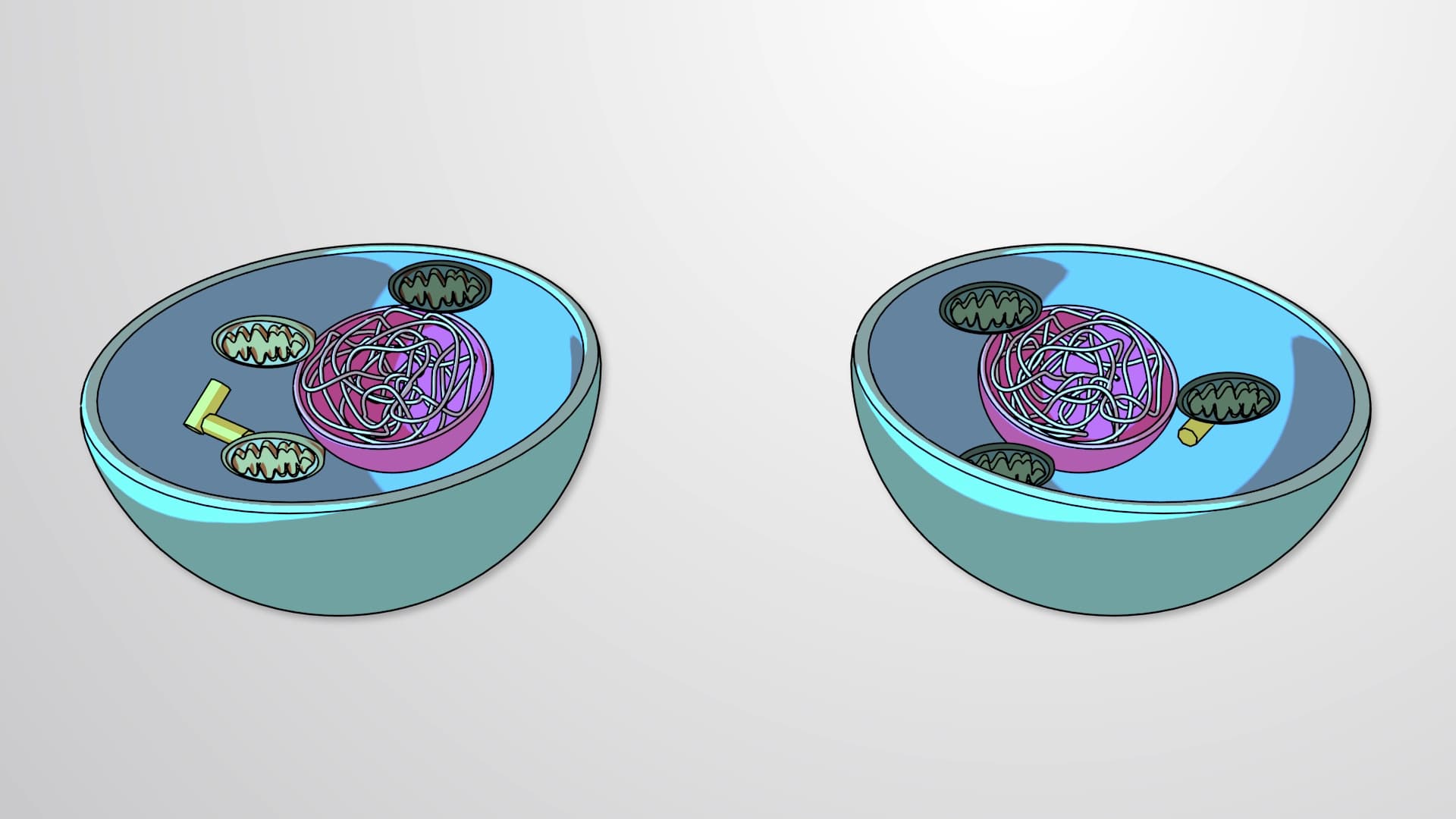
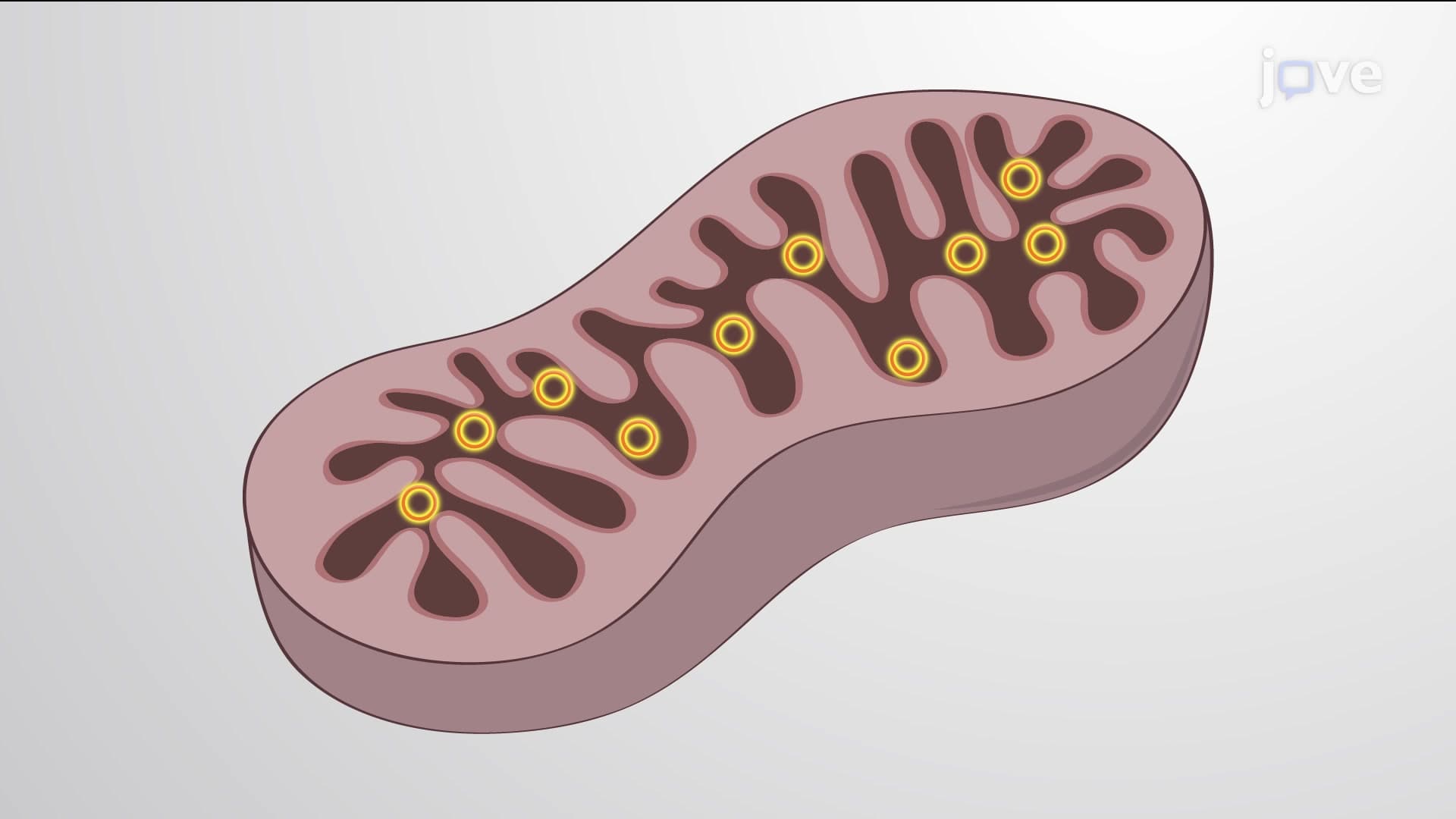
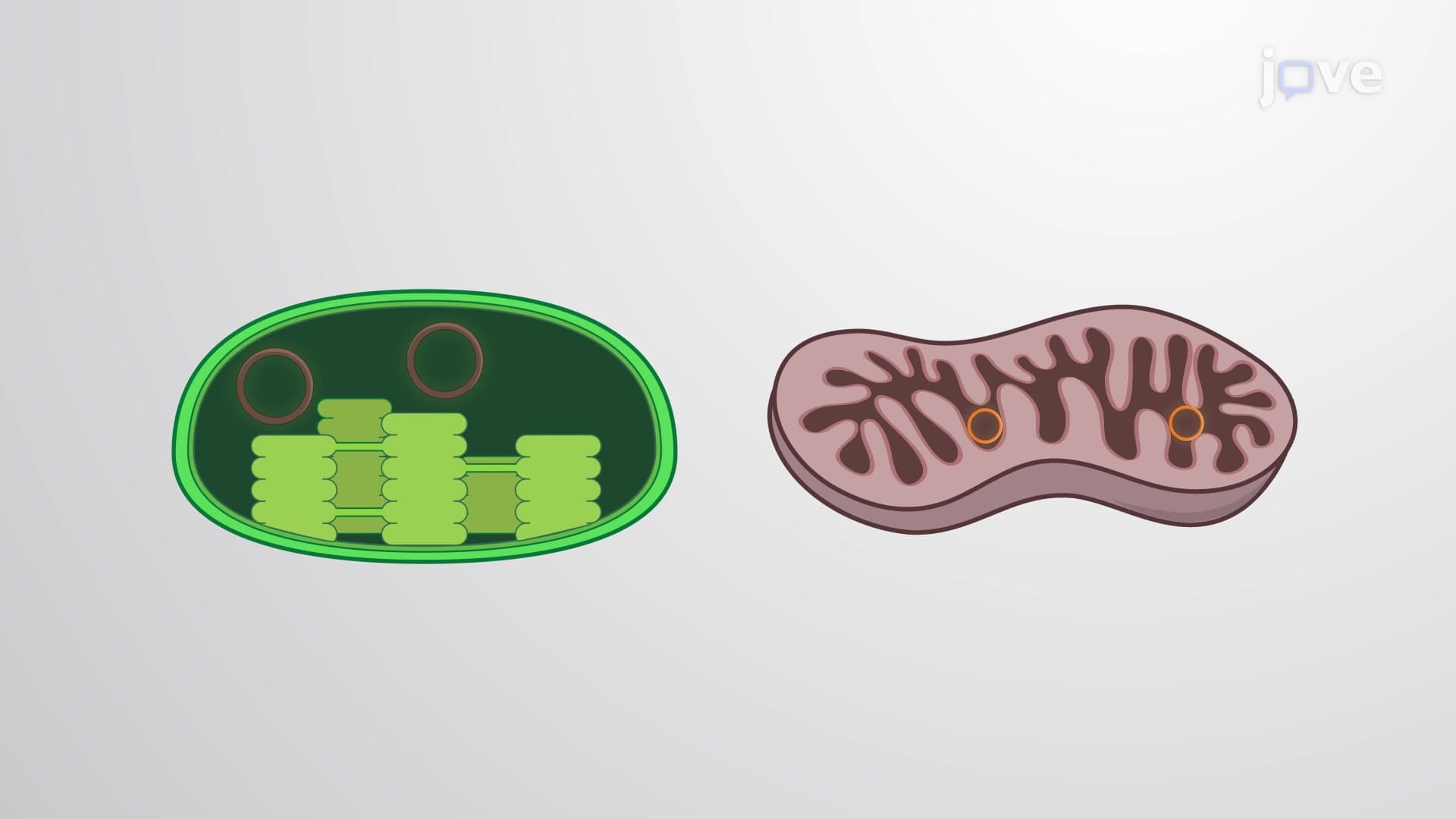
The export of mitochondrial and chloroplast genes represents a remarkable evolutionary phenomenon where genetic material migrated from organelles to the cell nucleus. This process fundamentally reshaped cellular organization and explains why modern mitochondria contain only 37 genes compared to the thousands found in their bacterial ancestors. Students preparing for the AP Biology exam frequently encounter this concept when studying endosymbiotic theory and cellular evolution.
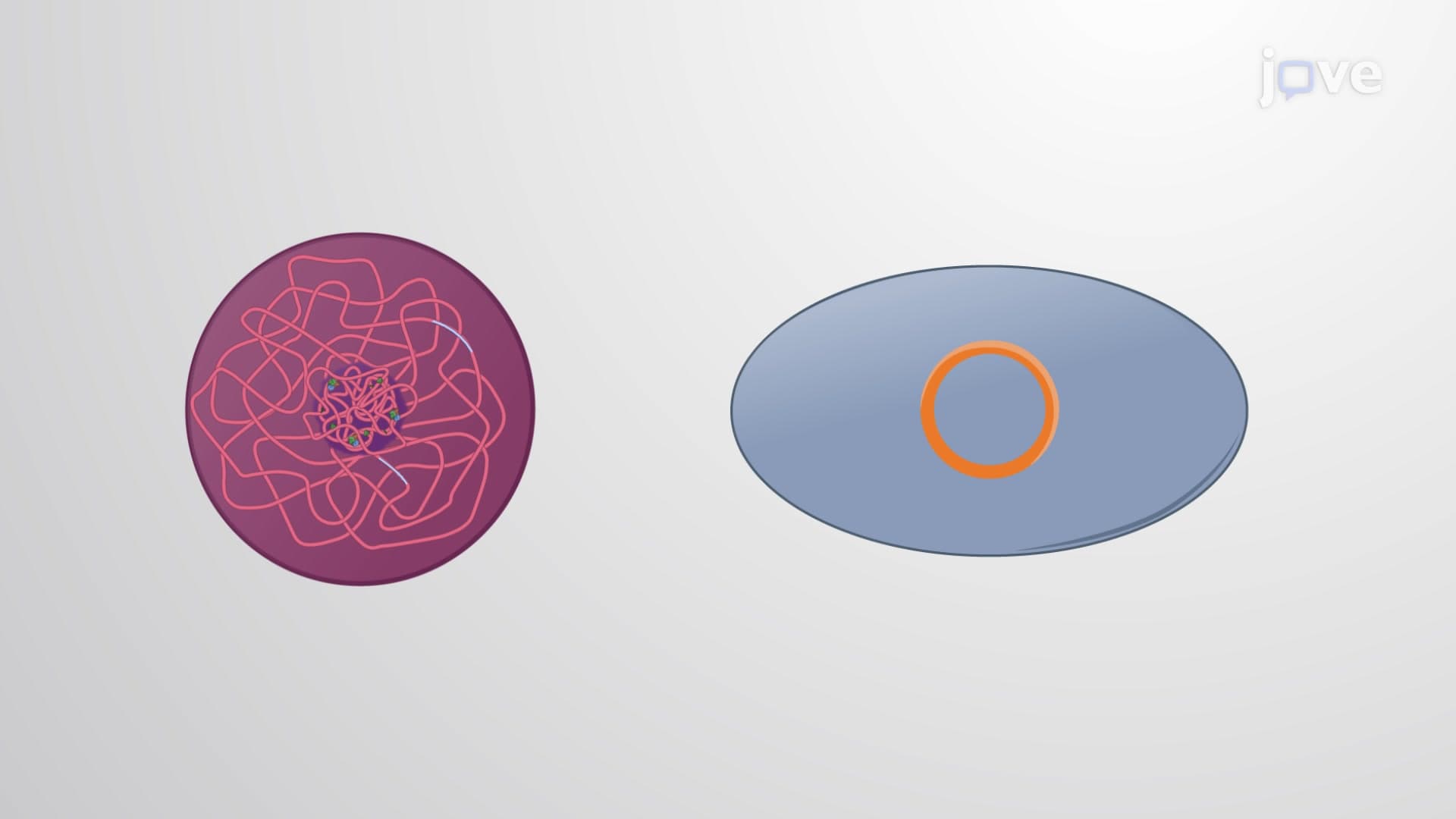
Nuclear integrants of organellar DNA serve as molecular fossils, providing evidence of this ancient gene transfer process. In human cells, approximately 1,000-2,000 genes of mitochondrial origin now reside in nuclear chromosomes. These transferred genes, called NUMTs (nuclear mitochondrial DNA sequences) for mitochondrial transfers and NUPTs (nuclear plastid DNA sequences) for chloroplast transfers, demonstrate the ongoing evolutionary relationship between organelles and the nucleus.
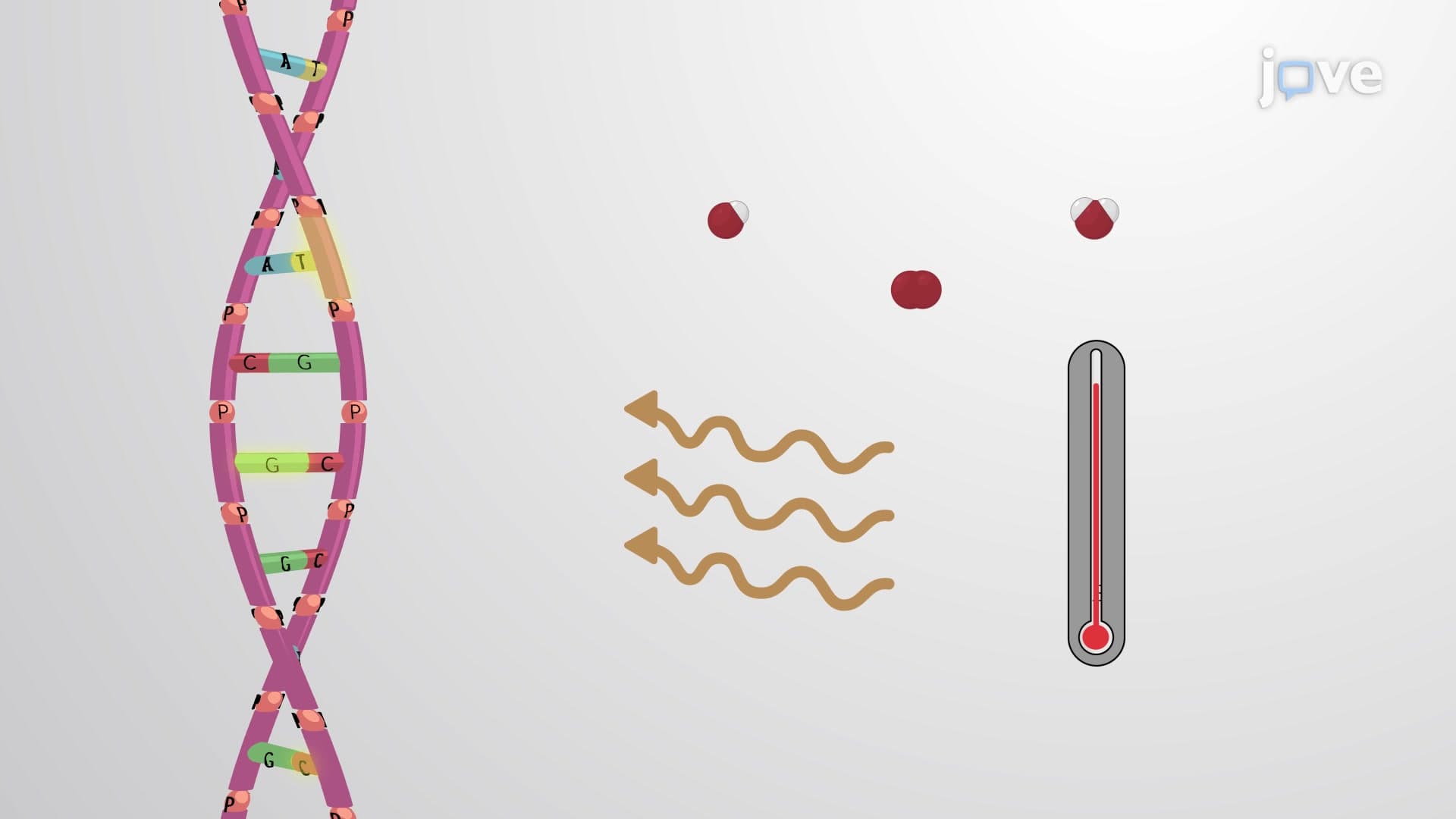
The migration of genes from organelles to the nucleus provides multiple survival advantages. Mitochondria and chloroplasts generate reactive oxygen species during cellular respiration and photosynthesis, creating a mutagenic environment. The nucleus offers superior protection through sophisticated DNA repair mechanisms and histone proteins that shield DNA from damage. Additionally, nuclear inheritance from both parents enables sexual recombination, allowing beneficial mutations to spread while eliminating harmful ones-a process impossible with maternally-inherited organellar DNA.
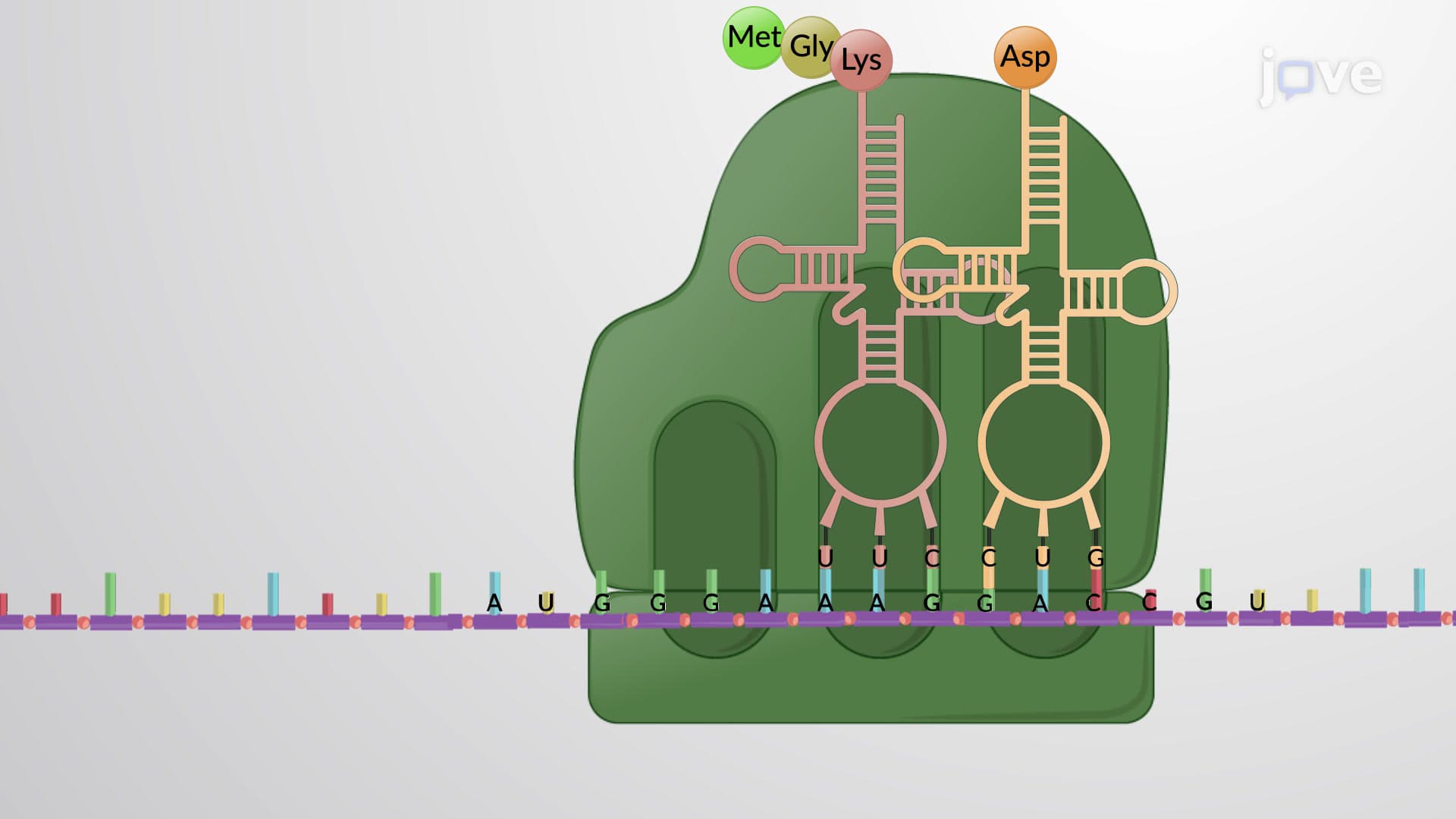
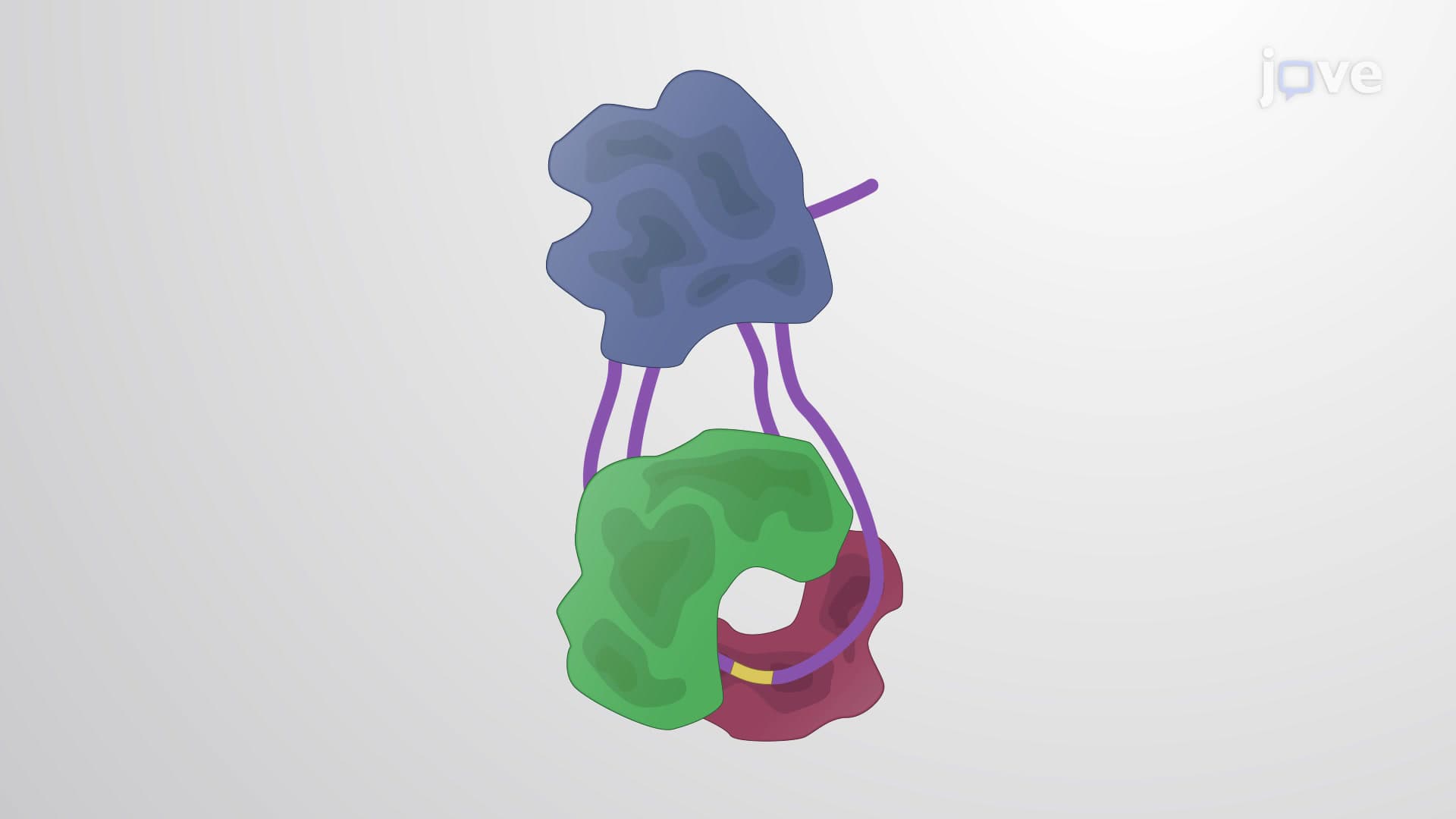
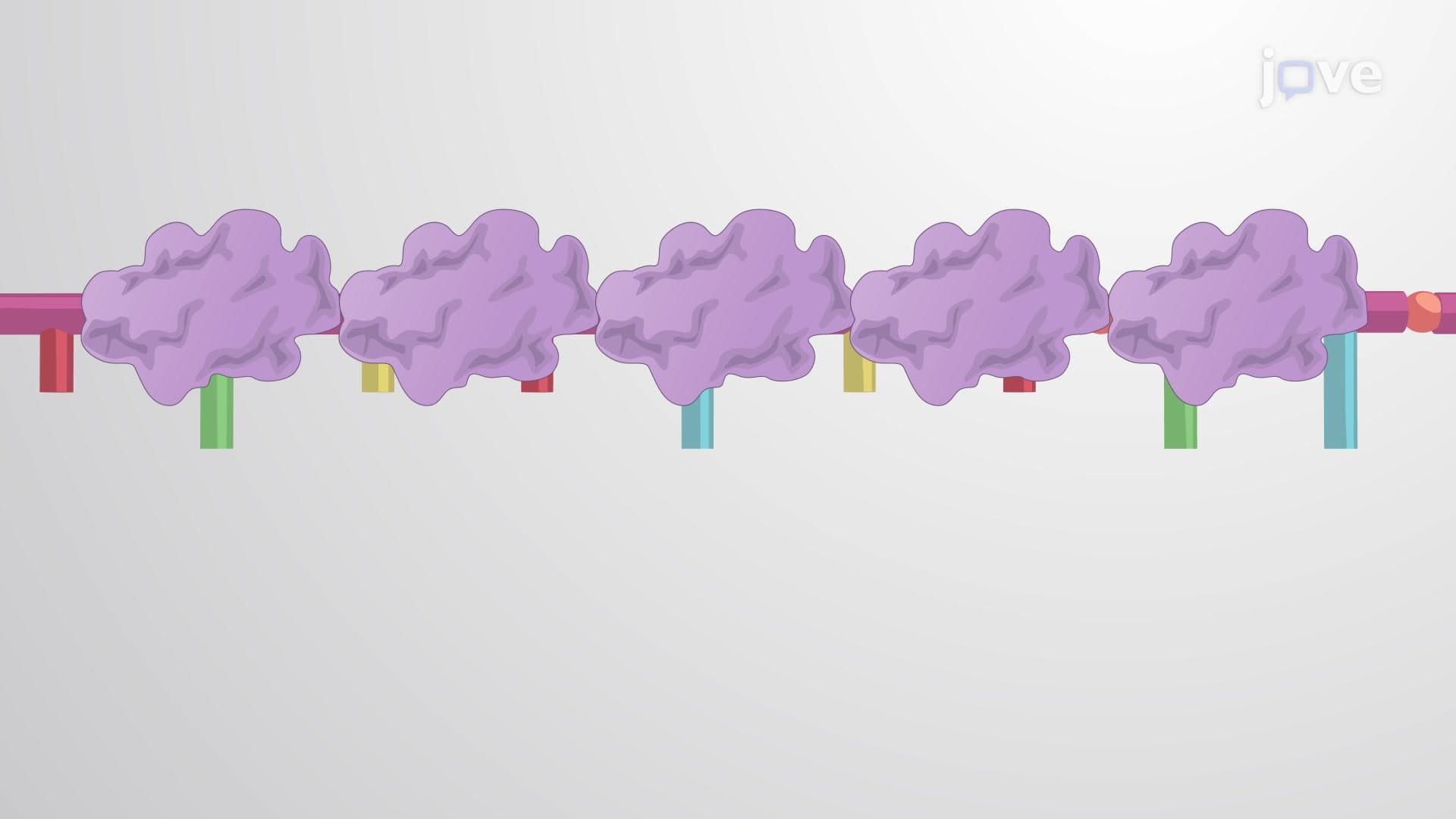
Successfully exported genes require extensive molecular modifications to function in their new nuclear environment. These changes include adding eukaryotic promoter sequences for RNA polymerase II recognition, polyadenylation signals for mRNA stability, and nuclear targeting sequences for proper gene expression. Most critically, exported genes must acquire mitochondrial or chloroplast targeting sequences-specialized amino acid sequences that direct newly synthesized proteins back to their organellar destinations. Students studying for the MCAT should understand how these targeting sequences function as molecular zip codes, ensuring proteins reach their intended cellular compartments.
Related Micro-courses