Loading subject page…

- New Manager Essentials
- Setting Clear Goals and Expectations
- Tracking Progress and Driving Accountability
Micro-course: Setting Clear Goals and Expectations
2,600 views
Learn key concepts and earn your certificate.




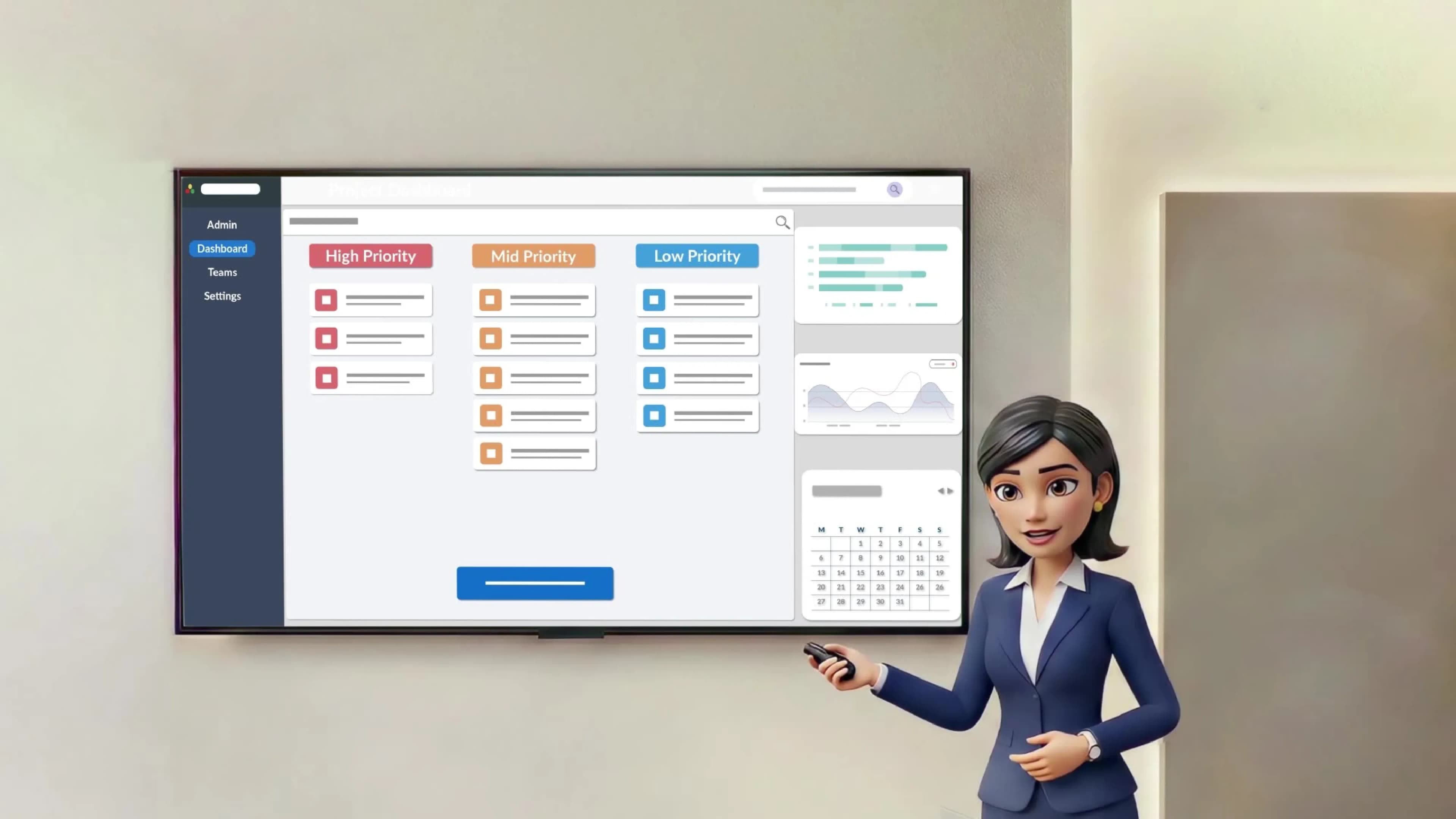
Tracking Progress and Driving Accountability


00:00
01:15
Video Summary: Tracking Progress and Driving Accountability
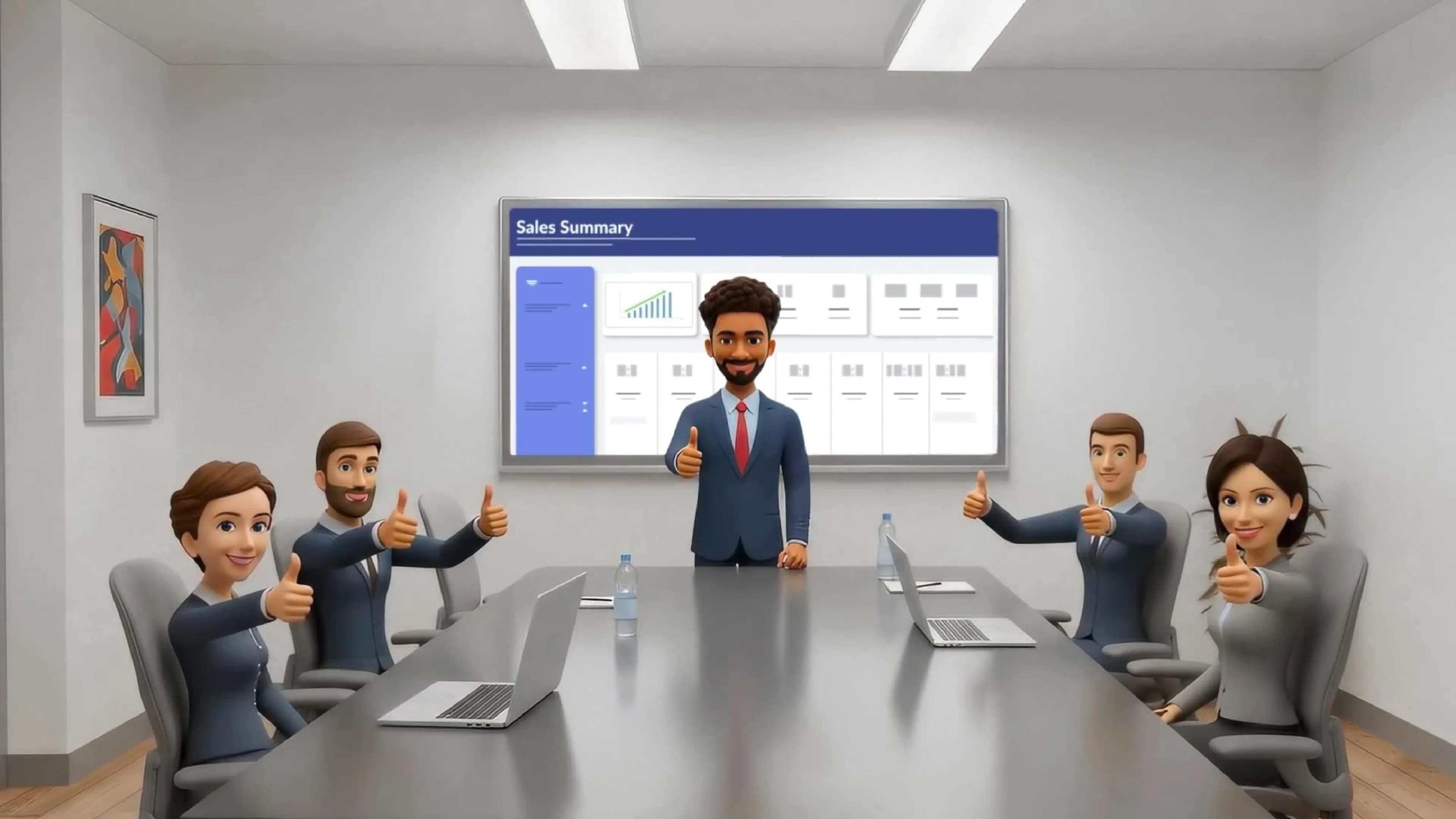
When tracking team progress and accountability becomes unclear, managers lose visibility into critical work streams and discover problems too late to intervene effectively. This fundamental challenge leaves even experienced leaders scrambling to address issues after deadlines slip or quality suffers. The solution lies in implementing structured systems that assign clear task ownership, establish measurable checkpoints, and create transparent visibility through shared tracking tools. Watch the full video on JoVE Coach to master this concept with expert-led visuals and step-by-step explanations.
- Assign single-point ownership for each task to eliminate accountability gaps and confusion about responsibility
- Set measurable checkpoints with defined criteria that make progress concrete and trackable across project phases
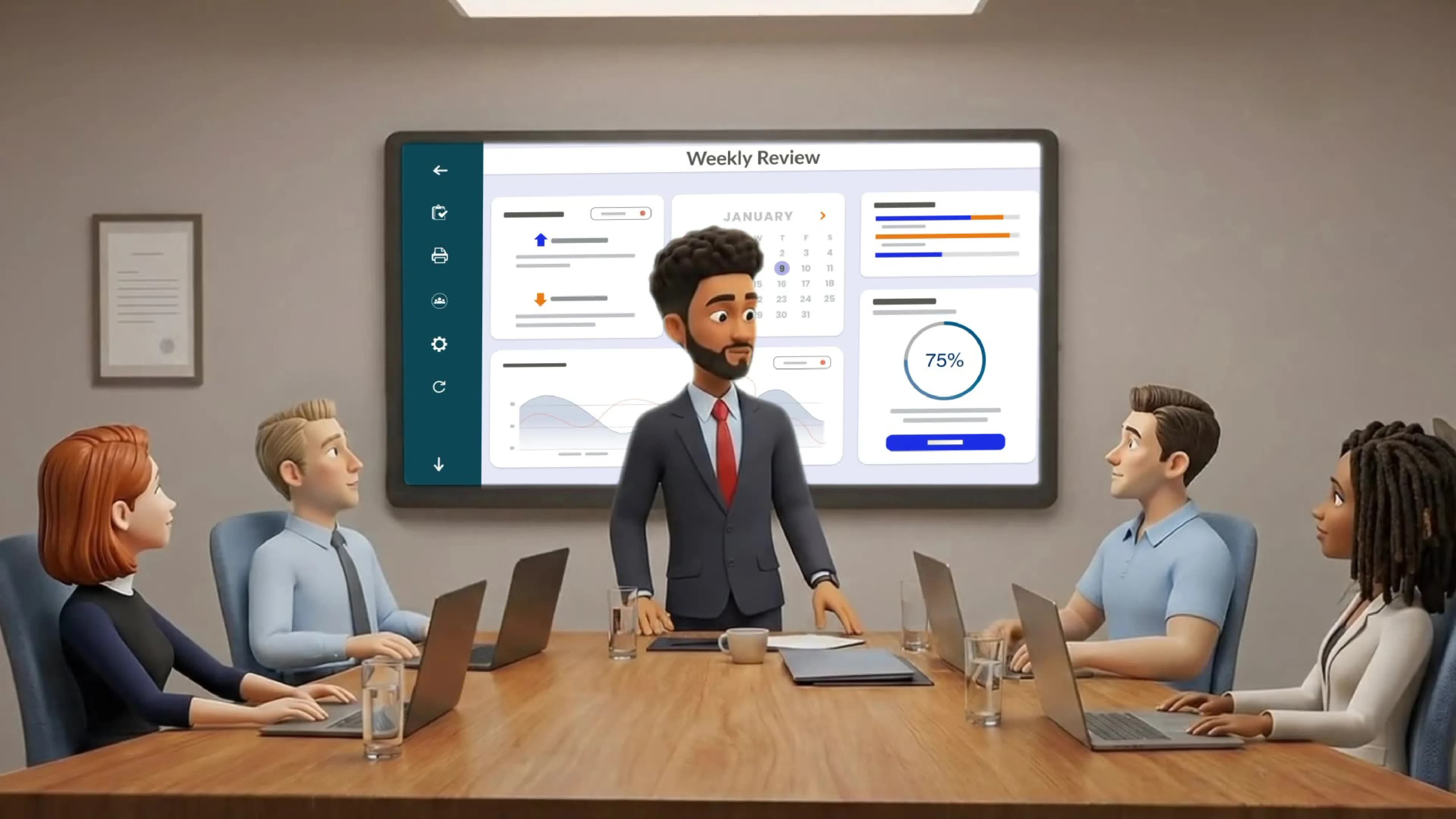
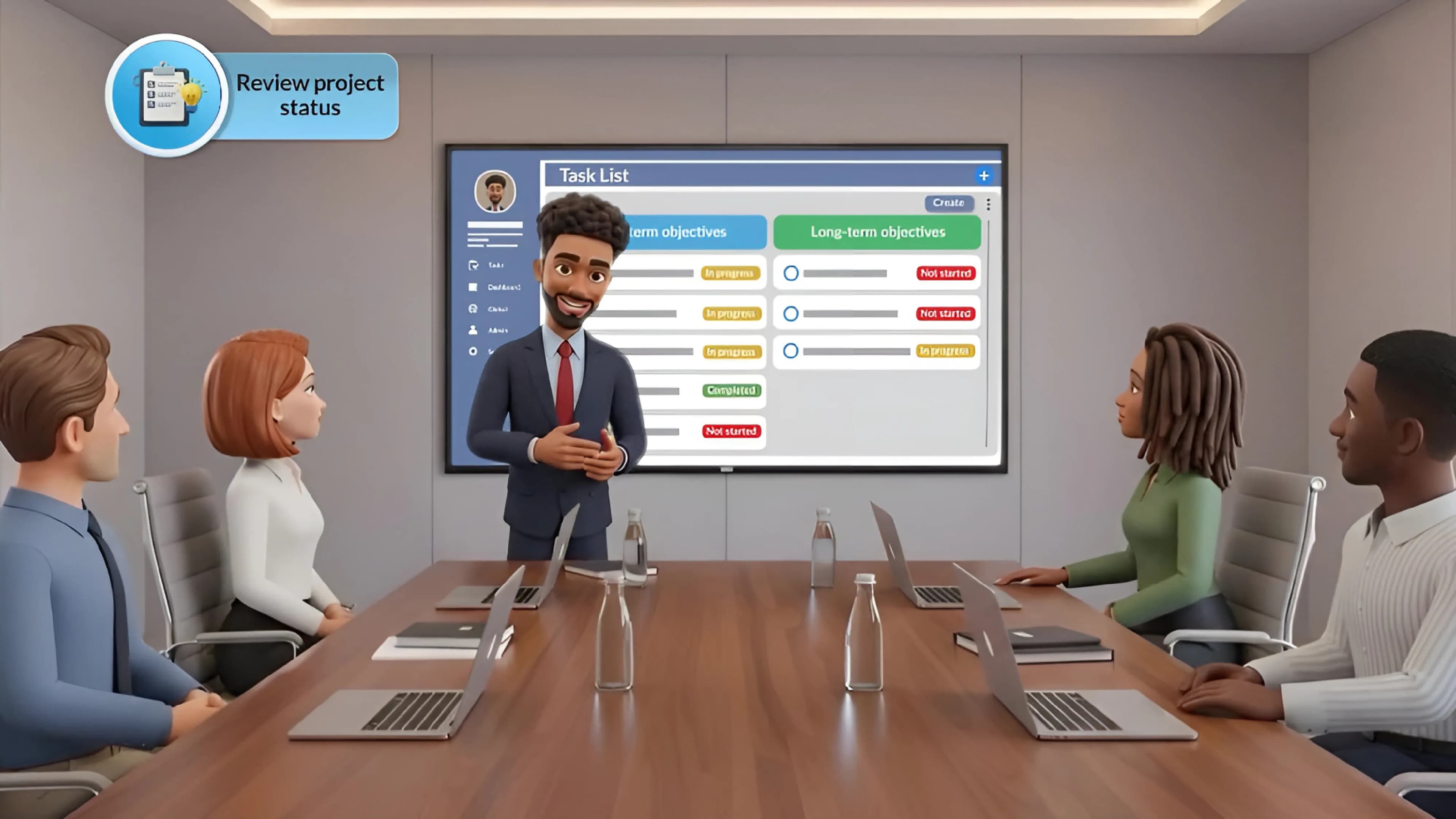
- Build transparent progress visibility using shared dashboards that display real-time status updates for all team members
- Conduct structured check-ins that review progress systematically and hold team members accountable for accurate reporting
- Navigate early issue identification by creating systems that surface problems before they become critical roadblocks
- Manage task handoffs effectively by establishing clear ownership transfers and documentation requirements
- Lead through consistent tracking cadence that maintains momentum without micromanaging individual contributors
- Structure accountability conversations that focus on outcomes and problem-solving rather than blame assignment
How Managers Track Progress and Build Team Accountability
Every manager faces the same frustrating scenario: a project timeline starts slipping, deliverable quality drops, or team members begin missing deadlines, and you only discover these issues when it's too late to course-correct effectively. This visibility gap isn't just inconvenient-it erodes team performance and undermines your leadership credibility with stakeholders expecting consistent delivery.
Why Traditional Progress Tracking Fails Managers
Most managers rely on informal check-ins or basic status updates that lack structure and accountability. Team members provide vague updates like "making good progress" or "almost done," which offer no actionable information. Without clear ownership assignments, tasks fall through cracks as team members assume someone else is handling specific components. This reactive approach forces managers into firefighting mode rather than strategic leadership.
The RACI-Enhanced Progress Framework
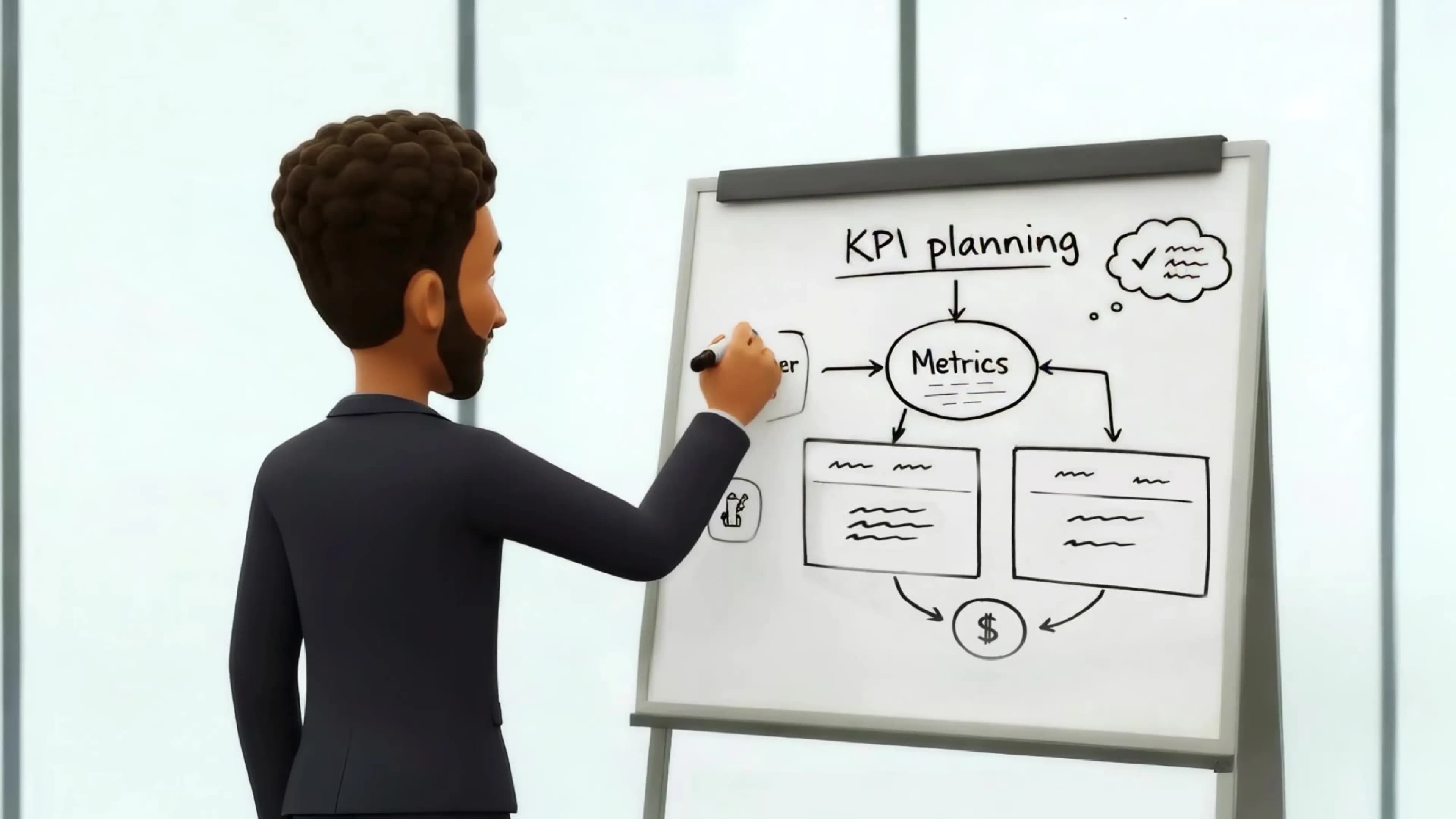
Implement a structured approach combining RACI (Responsible, Accountable, Consulted, Informed) methodology with systematic progress tracking. First, assign single-point accountability for each deliverable-never shared ownership that dilutes responsibility. Second, establish SMART milestone checkpoints with specific completion criteria, deadlines, and quality standards. Third, deploy shared tracking tools like project dashboards or status boards where owners update progress weekly, making delays and blockers visible to everyone.
Building Effective Accountability Rhythms
Create regular check-in cadences that balance oversight with autonomy. Weekly 15-minute progress reviews work for most teams, focusing on three key questions: What's completed? What's at risk? What support is needed? During these sessions, review dashboard updates, address blockers immediately, and adjust timelines proactively. Hold team members accountable for maintaining accurate records-this isn't micromanagement but professional discipline that enables better decision-making.
Common Implementation Pitfalls
Avoid overwhelming teams with excessive tracking requirements that become administrative burdens. Don't confuse activity with progress-focus on outcomes and deliverable completion rather than hours logged. Resist the urge to bypass your tracking system during urgent situations, as this undermines the accountability culture you're building. Remember that consistent application across all projects establishes credibility and team trust in your leadership approach.
Frequently Asked Questions
It means creating systematic visibility into who owns what work, how that work is progressing against defined milestones, and when issues need management intervention. You maintain oversight without micromanaging by focusing on outcomes, deadlines, and obstacle removal rather than controlling daily activities.
Frame tracking tools as team empowerment rather than oversight-they help everyone see how their work connects to broader goals and enables faster problem-solving. Emphasize that visibility benefits the entire team by preventing last-minute surprises and allowing proactive support when challenges arise.
Dedicate 10-15 minutes to systematic status updates using your shared dashboard. Go through each major initiative, confirm completion of milestones, identify upcoming deadlines, and surface any blockers requiring team discussion or manager intervention. Keep discussions solution-focused rather than dwelling on delays.
Have direct conversations about expectations for specific, measurable updates. Provide templates or examples showing the difference between "working on it" and "completed user research phase, moving to wireframe development, expecting first draft by Thursday." Coach them on professional communication standards for status reporting.
Address this as a performance issue requiring immediate correction. Meet privately to understand obstacles, clarify expectations, and establish consequences for continued non-compliance. Consistent tracking discipline reflects professional accountability and impacts team trust in your leadership systems.
No, but you need commitment to consistent application and willingness to adjust approaches based on team feedback. Start with simple tracking methods, focus on building habits before adding complexity, and remember that team accountability improves with practice and clear expectations.
It transforms you from reactive firefighter to strategic leader who anticipates problems and enables team success. You'll build credibility with stakeholders through predictable delivery, earn team trust by providing proactive support, and create capacity for higher-level strategic work instead of constant crisis management.
Focus on strategic delegation and development-oriented feedback conversations. Once you have visibility into team performance, you can identify individual strengths and growth opportunities, then delegate accordingly while providing targeted coaching that accelerates both individual and team capabilities.
Related Micro-courses

5 Concepts

7 Concepts