Loading subject page…


93,900 views

Video Summary: Nursing Process for Patient and Caregiver Teaching Assessment and Diagnosis
Did you know that nearly 40% of patients leave the hospital without understanding their discharge instructions? The nursing process patient caregiver framework transforms this statistic by creating structured teaching plans. Consider a stroke patient at Cleveland Clinic who needs to relearn basic self-care skills-nurses use the Nursing Process for Patient and Caregiver Teaching: Assessment and Diagnosis to identify specific learning gaps and develop targeted education strategies. Watch the full video on JoVE Coach to master this concept with expert-led visuals and step-by-step explanations.
The nursing process patient caregiver teaching framework represents a cornerstone of modern healthcare education, transforming how nurses approach patient learning. This systematic methodology ensures that every patient receives personalized instruction tailored to their unique circumstances, abilities, and needs. Unlike generic patient education materials, this process creates individualized learning experiences that improve health outcomes and reduce readmission rates.
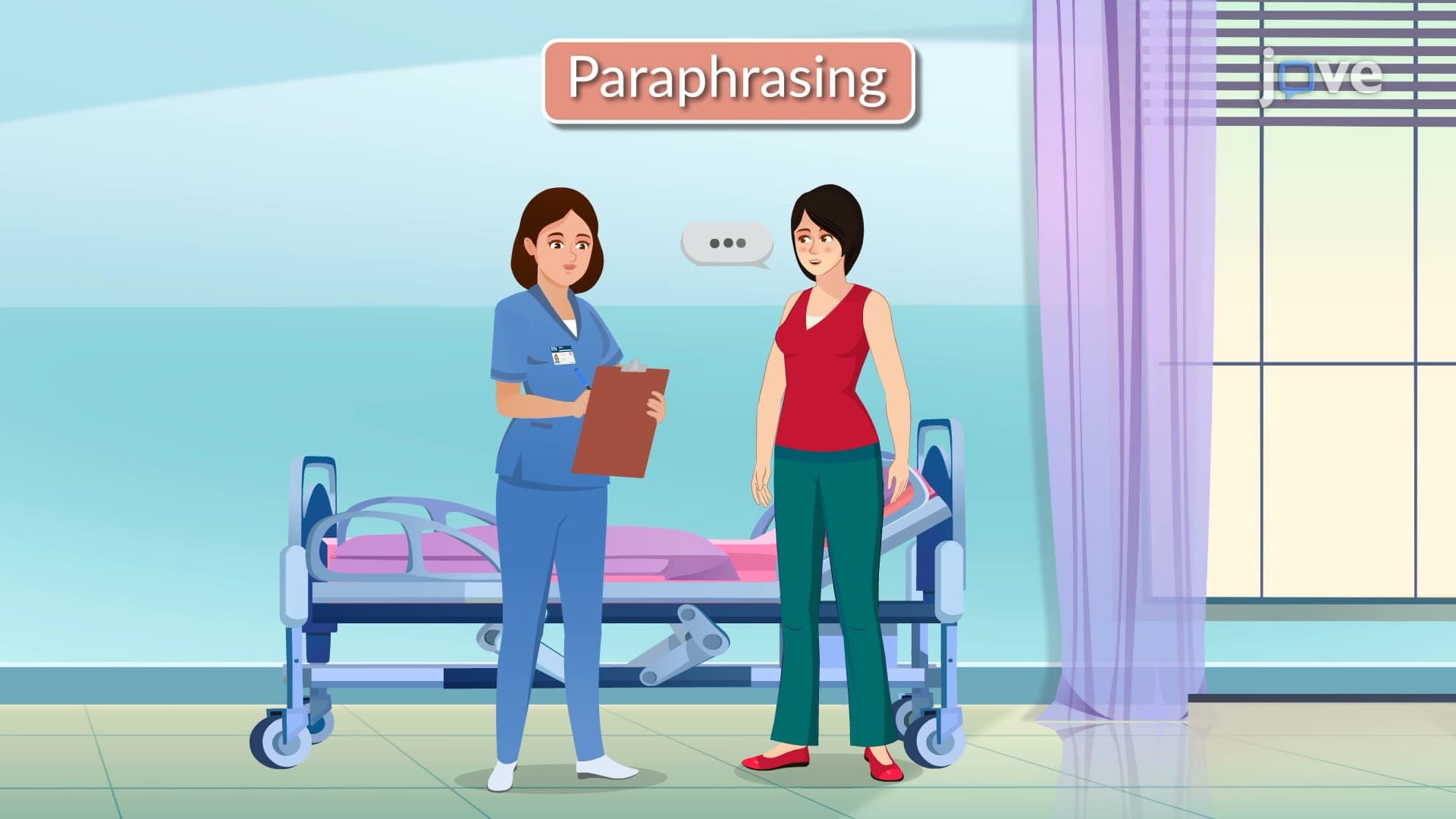
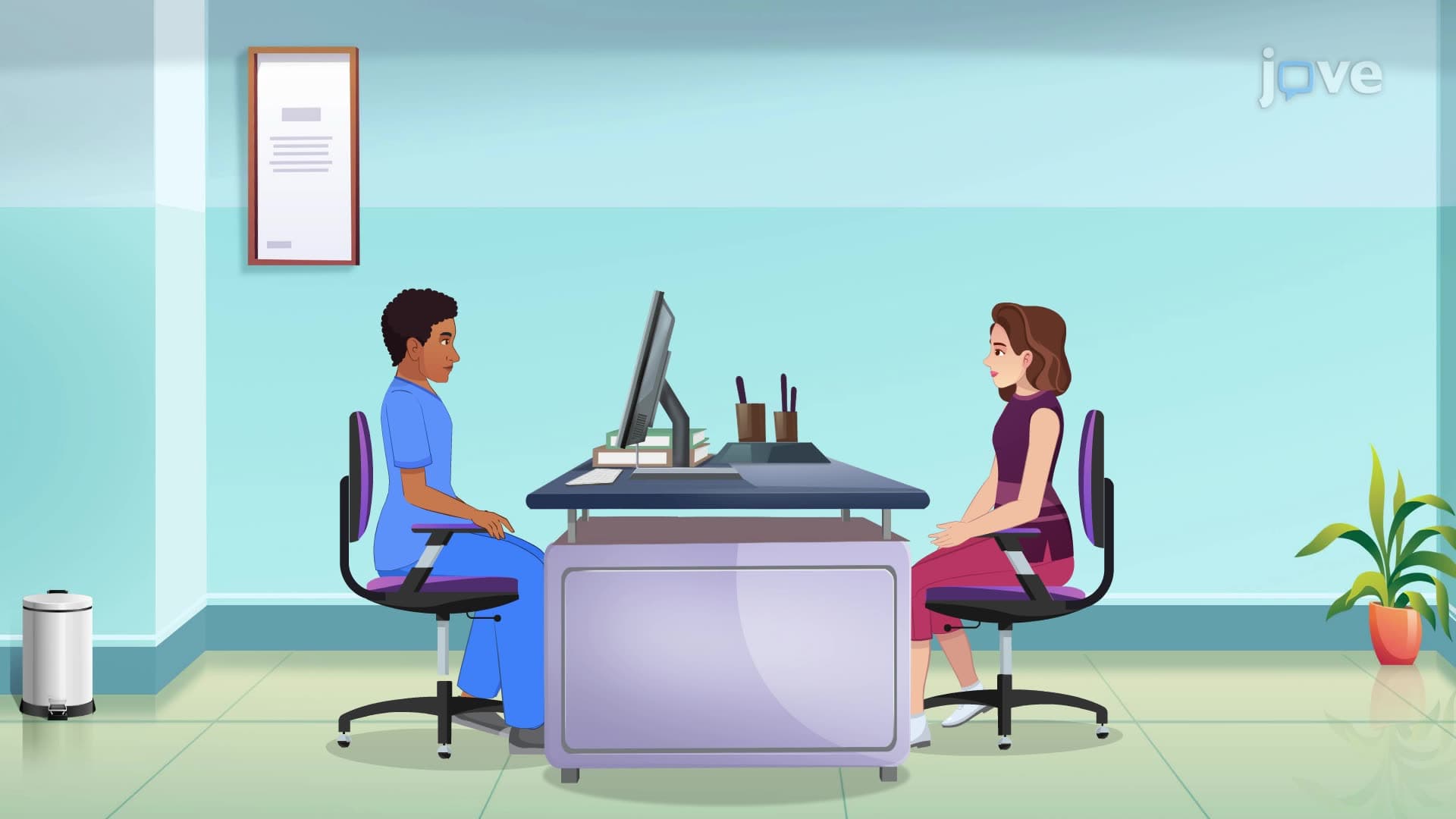
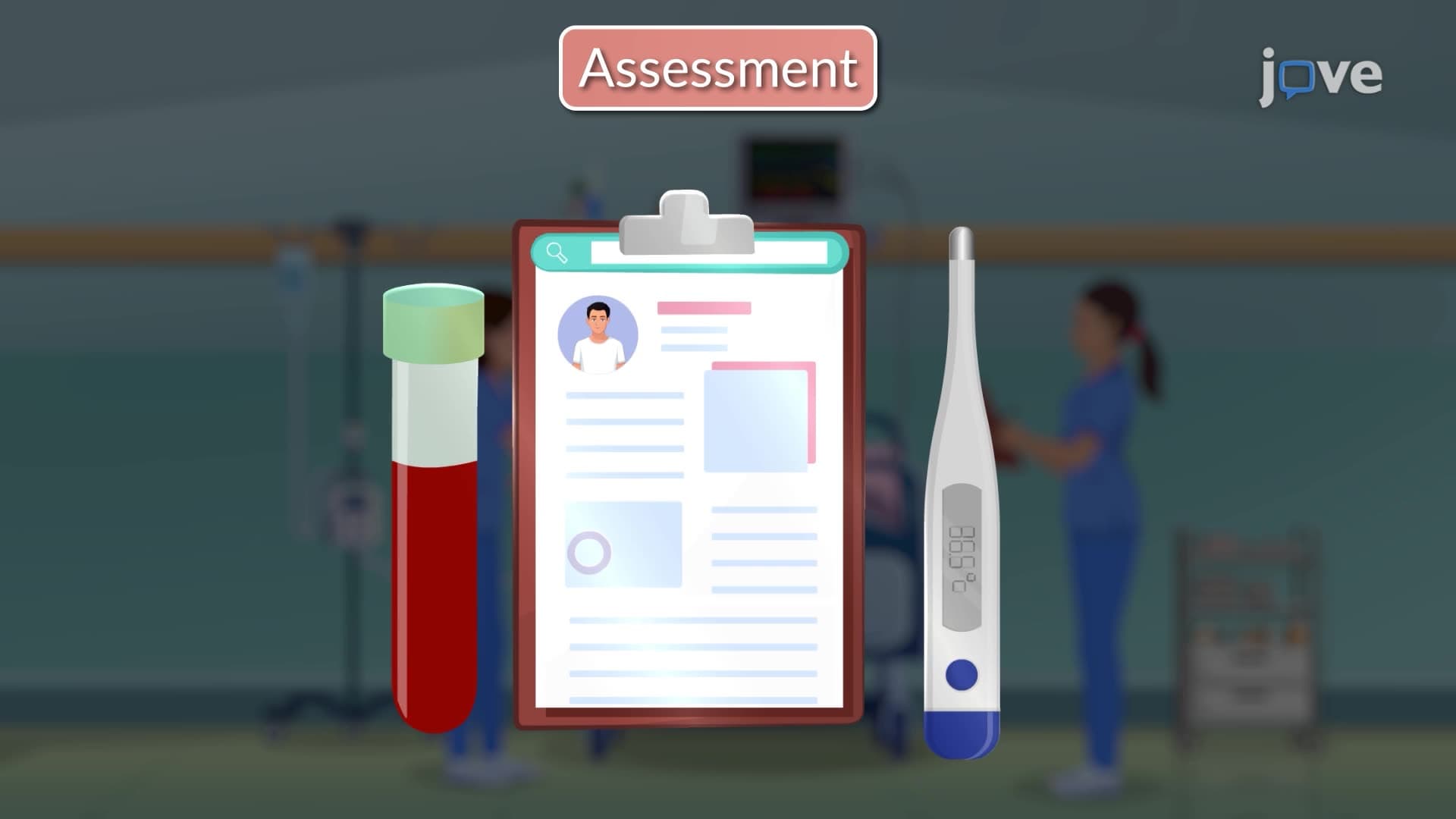
Effective nursing process patient definition begins with comprehensive assessment across four domains. First, nurses evaluate baseline knowledge, skills, and attitudes-determining what patients already understand versus what they need to learn. A diabetic patient at Johns Hopkins, for example, might demonstrate excellent blood glucose monitoring skills but lack understanding of carbohydrate counting.
Second, readiness assessment examines both emotional and experiential factors. Emotional readiness considers mental health status, anxiety levels, and motivation to learn. A patient struggling with depression may need different teaching approaches than someone eager to return to work. Experiential readiness draws on past healthcare experiences-patients who've successfully managed chronic conditions often learn new skills more quickly.
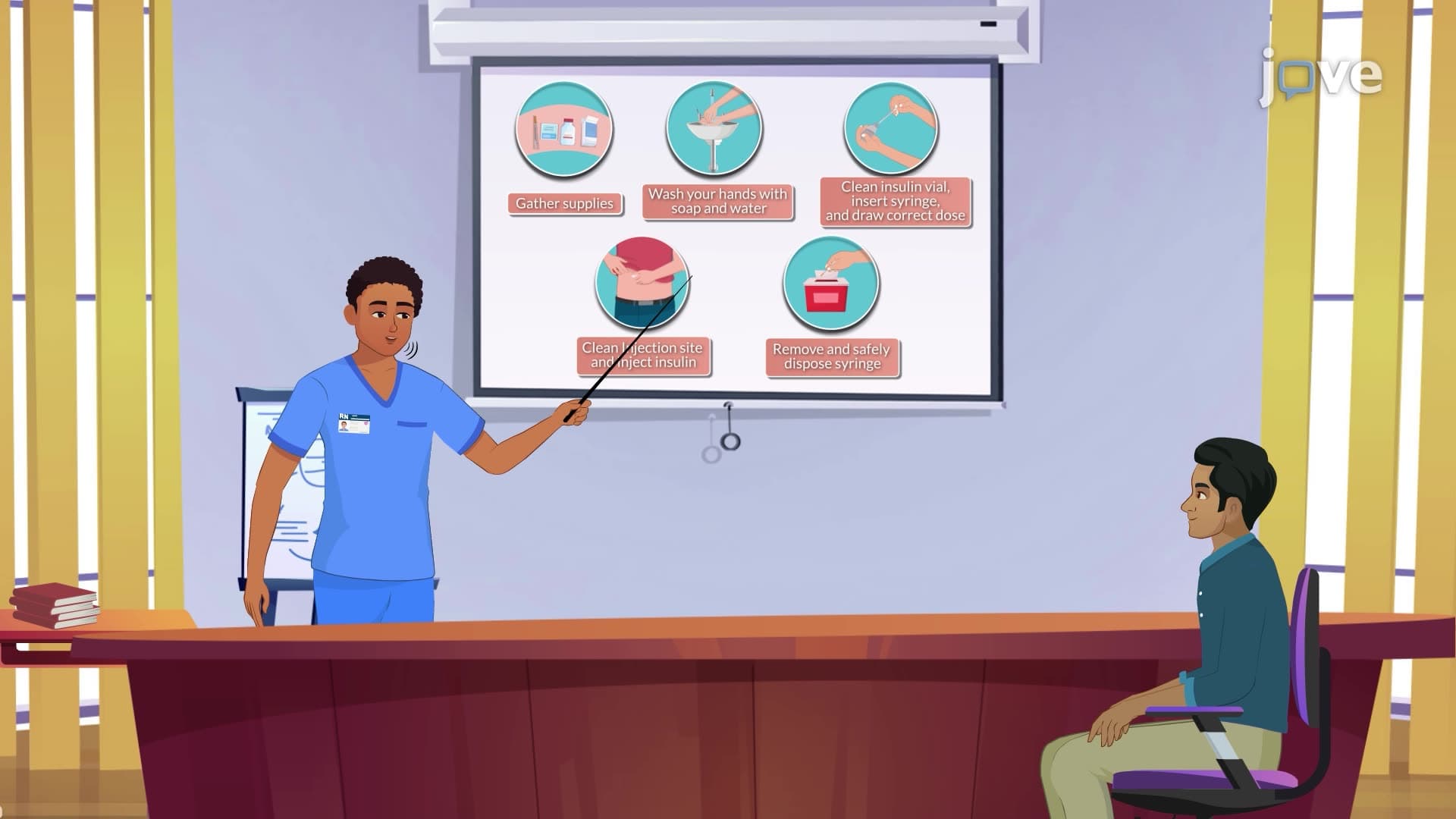
The third assessment pillar focuses on learning ability, particularly literacy levels and cognitive function. Nurses must adapt teaching materials for patients reading at elementary levels or those with cognitive impairments following stroke. The fourth element identifies learning strengths-some patients excel with hands-on demonstration, while others prefer written instructions or visual aids.
Nursing process overview culminates in formulating precise diagnoses that guide intervention planning. These diagnoses follow standardized formats, linking patient problems to underlying causes. "Self-care deficit related to stroke" provides clear direction for developing motor skill retraining programs. "Knowledge deficit related to medication management" suggests focused pharmaceutical education sessions.
This diagnostic precision proves invaluable for NCLEX preparation and nursing school clinical rotations, where students must demonstrate systematic thinking. Pre-med students preparing for the MCAT also benefit from understanding this structured approach to patient care planning.
Related Micro-courses