Loading subject page…


93,900 views


Video Summary: Role of Communication in the Nursing Process Assessment and Diagnosis
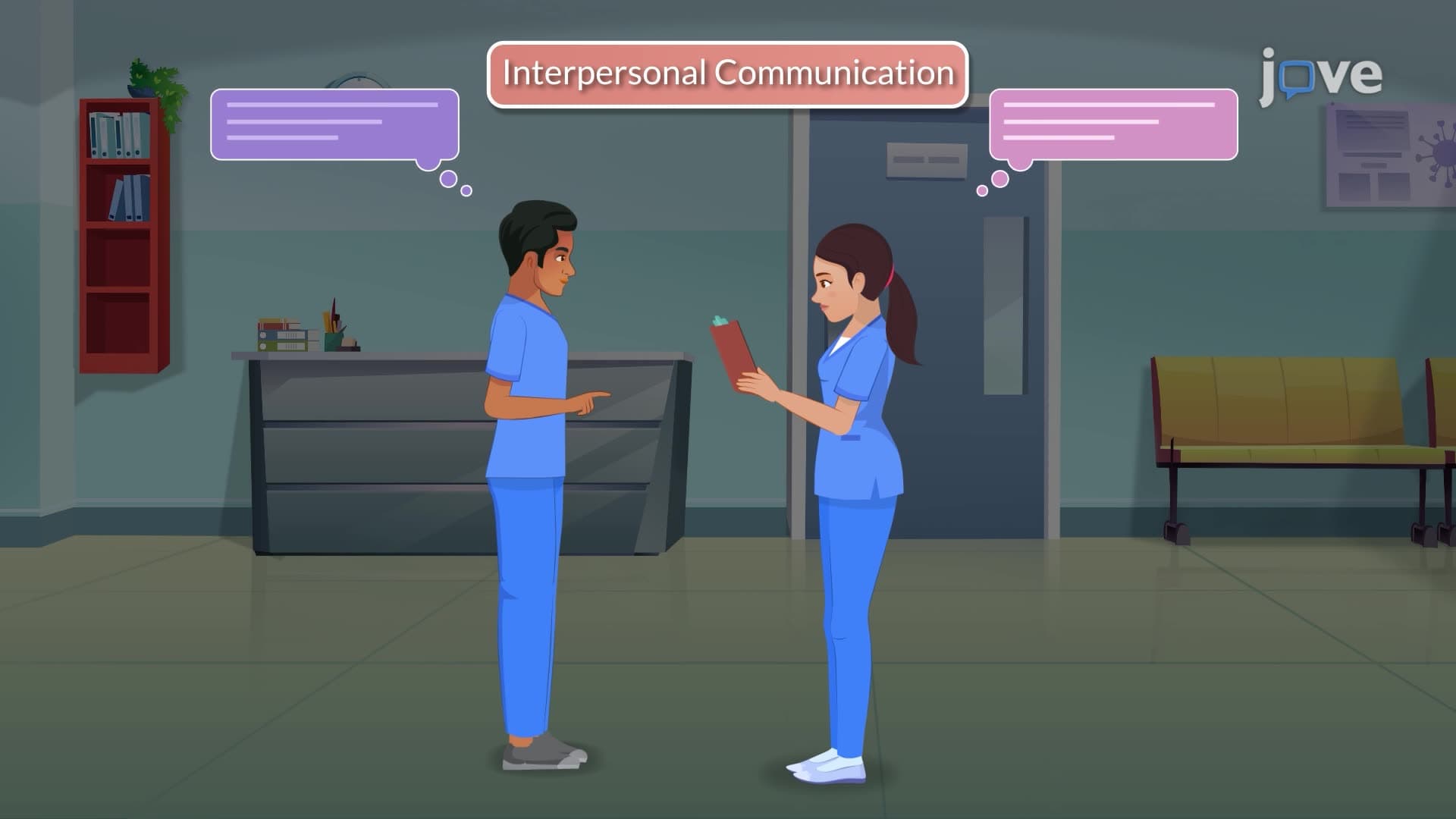
Did you know that 70% of medical errors stem from communication breakdowns between healthcare providers? The role communication nursing process forms the foundation of quality patient care, combining verbal and non-verbal techniques to gather critical health information. At Cleveland Clinic, nurses use systematic communication strategies during patient assessments to identify conditions like diabetes through both patient interviews and physical examinations. Understanding the Role of Communication in the Nursing Process: Assessment and Diagnosis is essential for future healthcare professionals. Watch the full video on JoVE Coach to master this concept with expert-led visuals and step-by-step explanations.
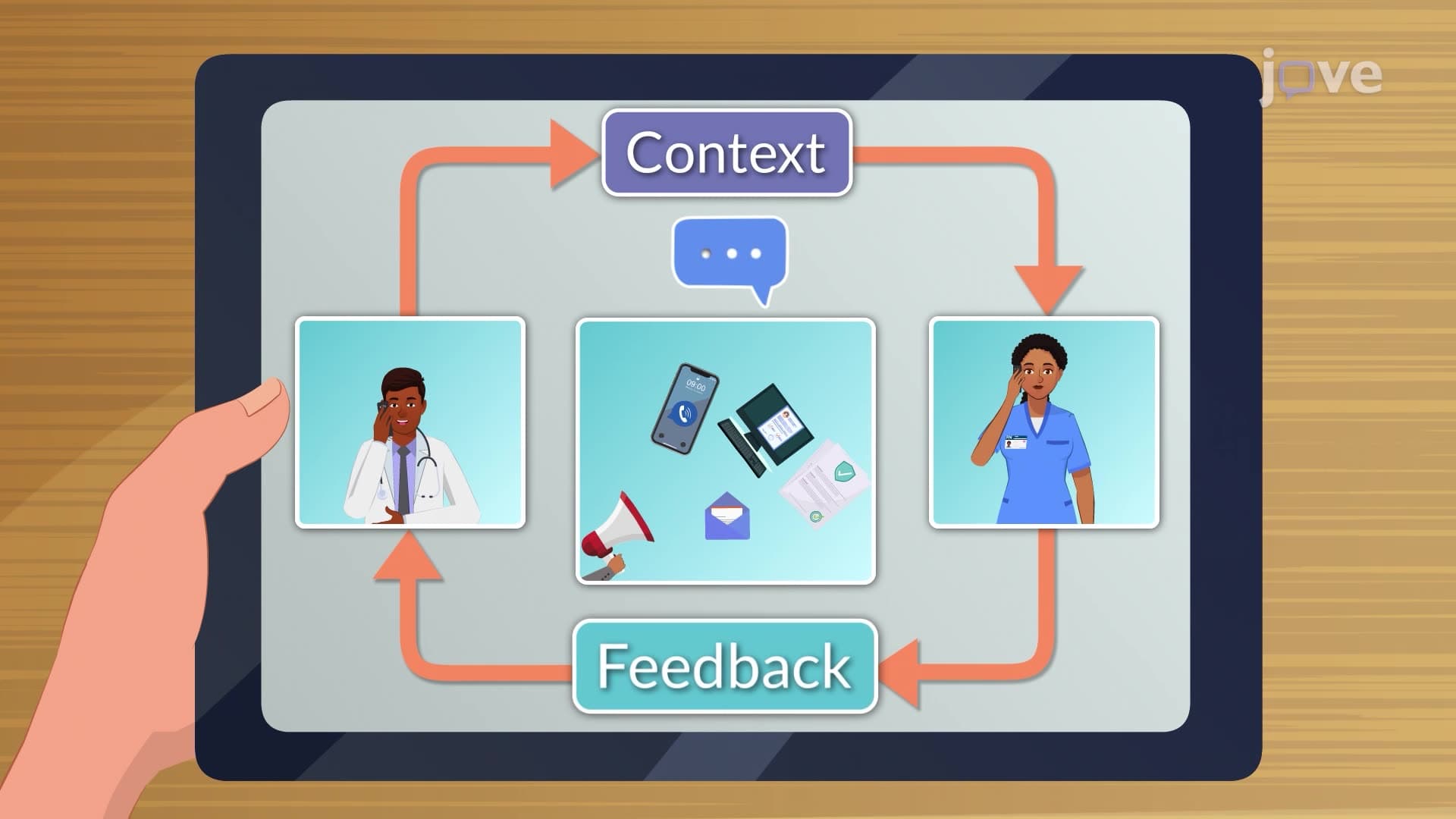
Communication serves as the cornerstone of effective nursing practice, particularly during the critical assessment and diagnosis phases of patient care. This systematic approach combines evidence-based communication techniques with clinical expertise to ensure accurate data collection and appropriate care planning. In the United States healthcare system, nurses must demonstrate proficiency in both verbal and non-verbal communication to meet Joint Commission standards and provide safe, quality care.
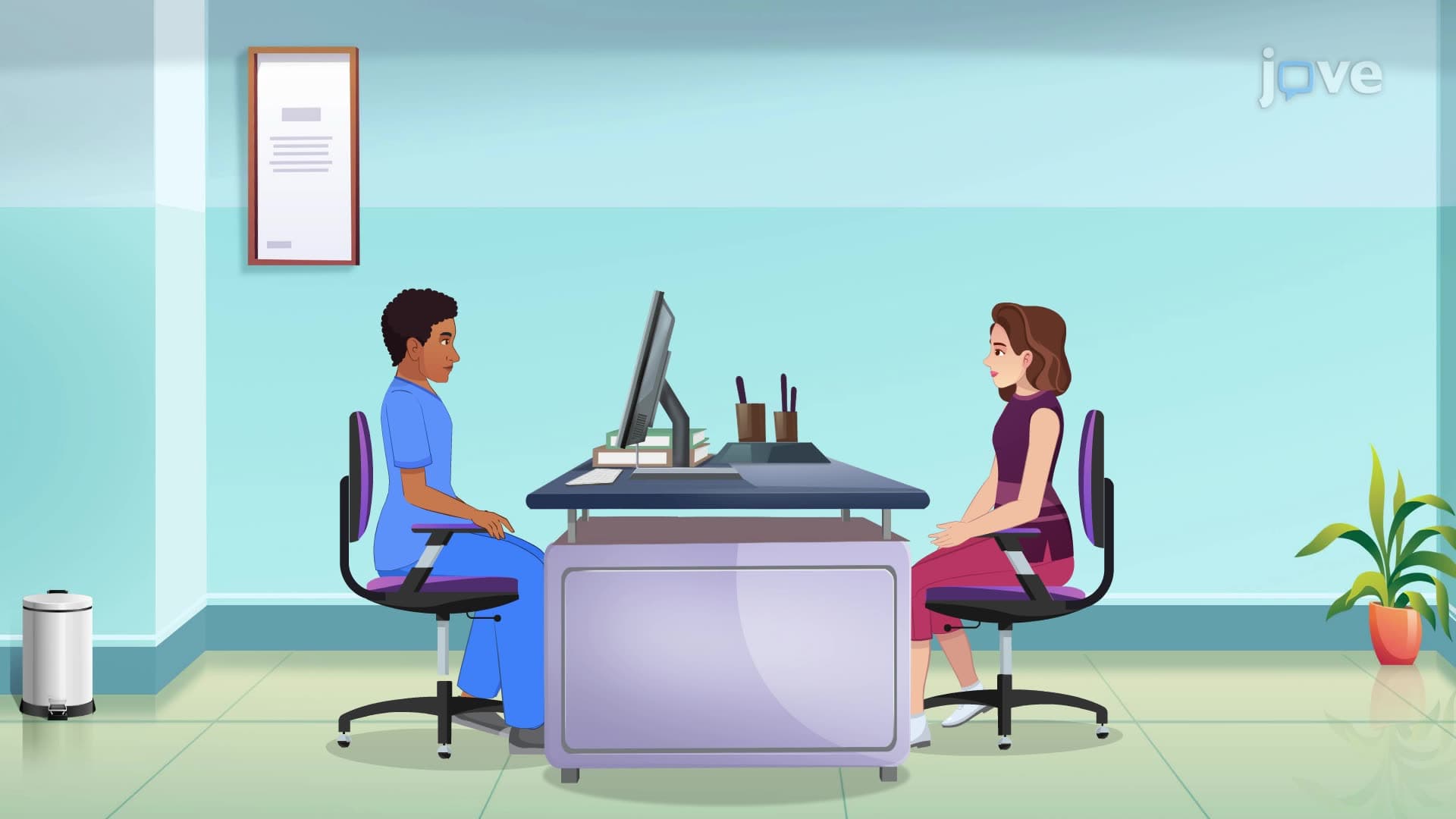
Effective verbal communication during patient assessment involves strategic questioning, therapeutic dialogue, and active listening skills. Nurses employ open-ended questions to encourage patients to share comprehensive health histories, while closed-ended questions help clarify specific symptoms or concerns. For example, at Johns Hopkins Hospital, nurses might ask, "Tell me about your experience with chest pain" (open-ended) followed by "On a scale of 1-10, how would you rate your current pain level?" (closed-ended). This approach ensures both breadth and specificity in data collection.
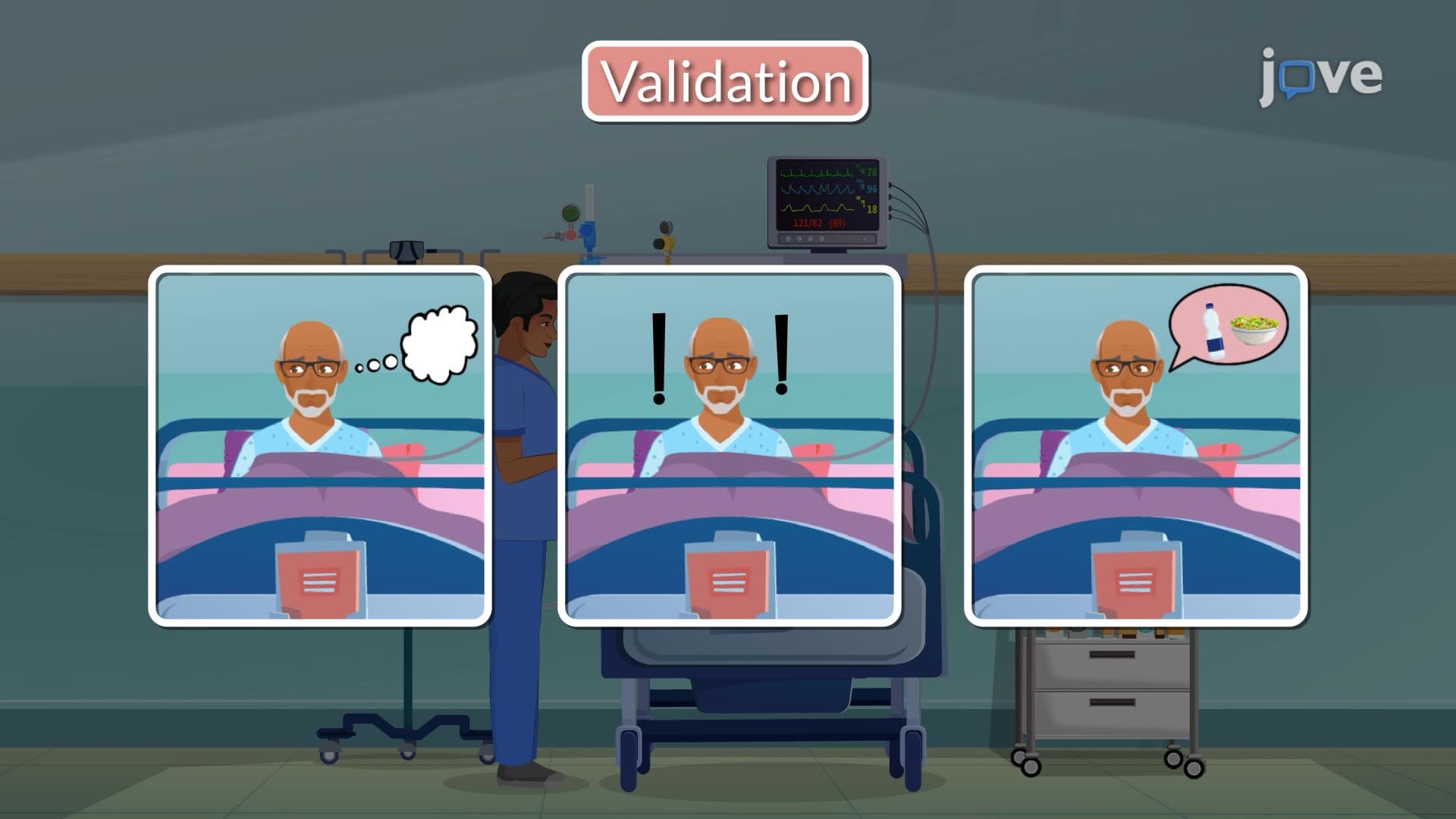
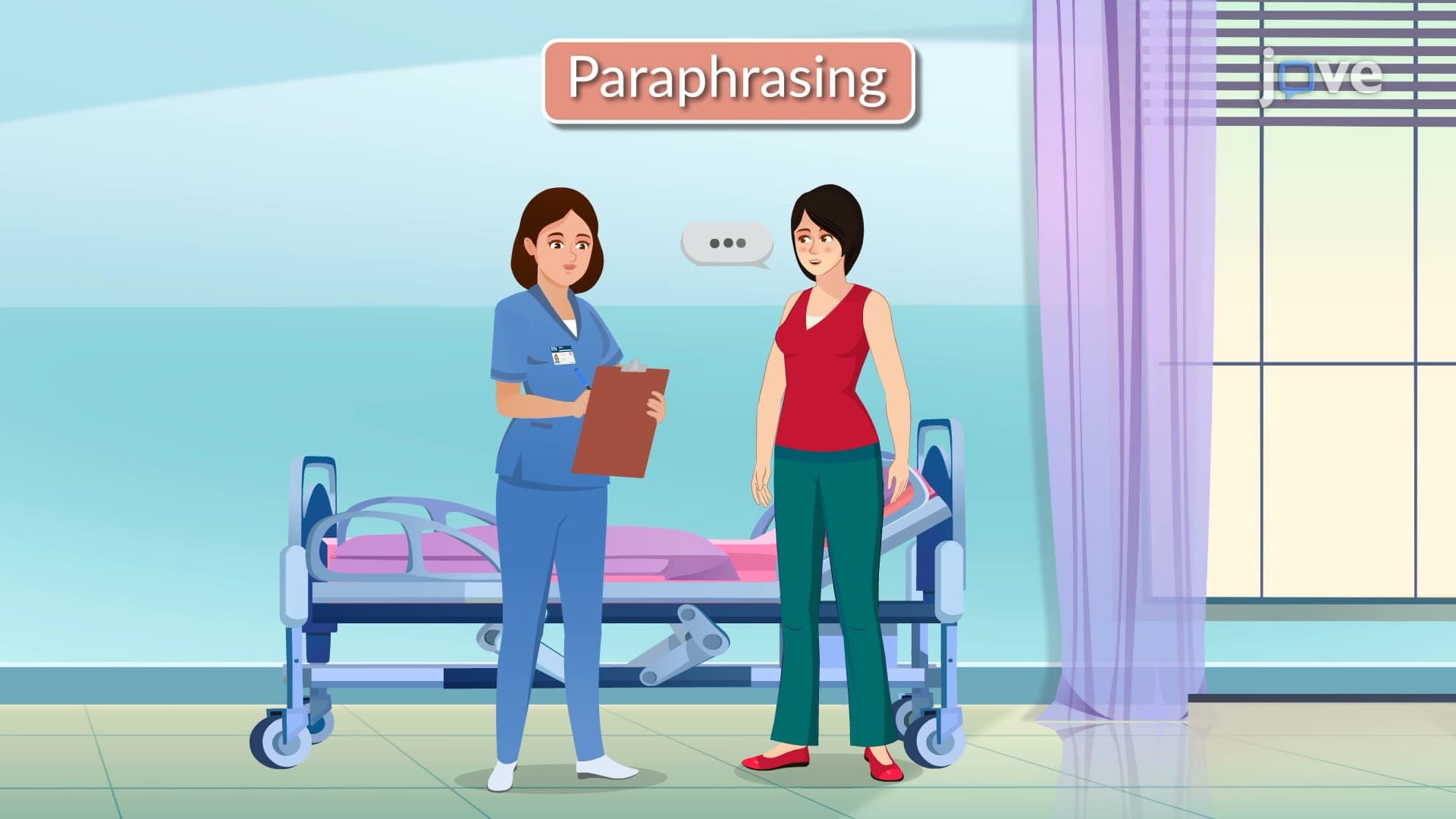
Active listening extends beyond simply hearing patient responses-it involves demonstrating empathy, reflecting understanding, and asking clarifying questions. Therapeutic communication techniques, such as paraphrasing and summarization, help verify information accuracy while building trust with patients and families. These skills prove essential for nursing students preparing for the NCLEX-RN examination, where communication scenarios frequently appear in test questions.
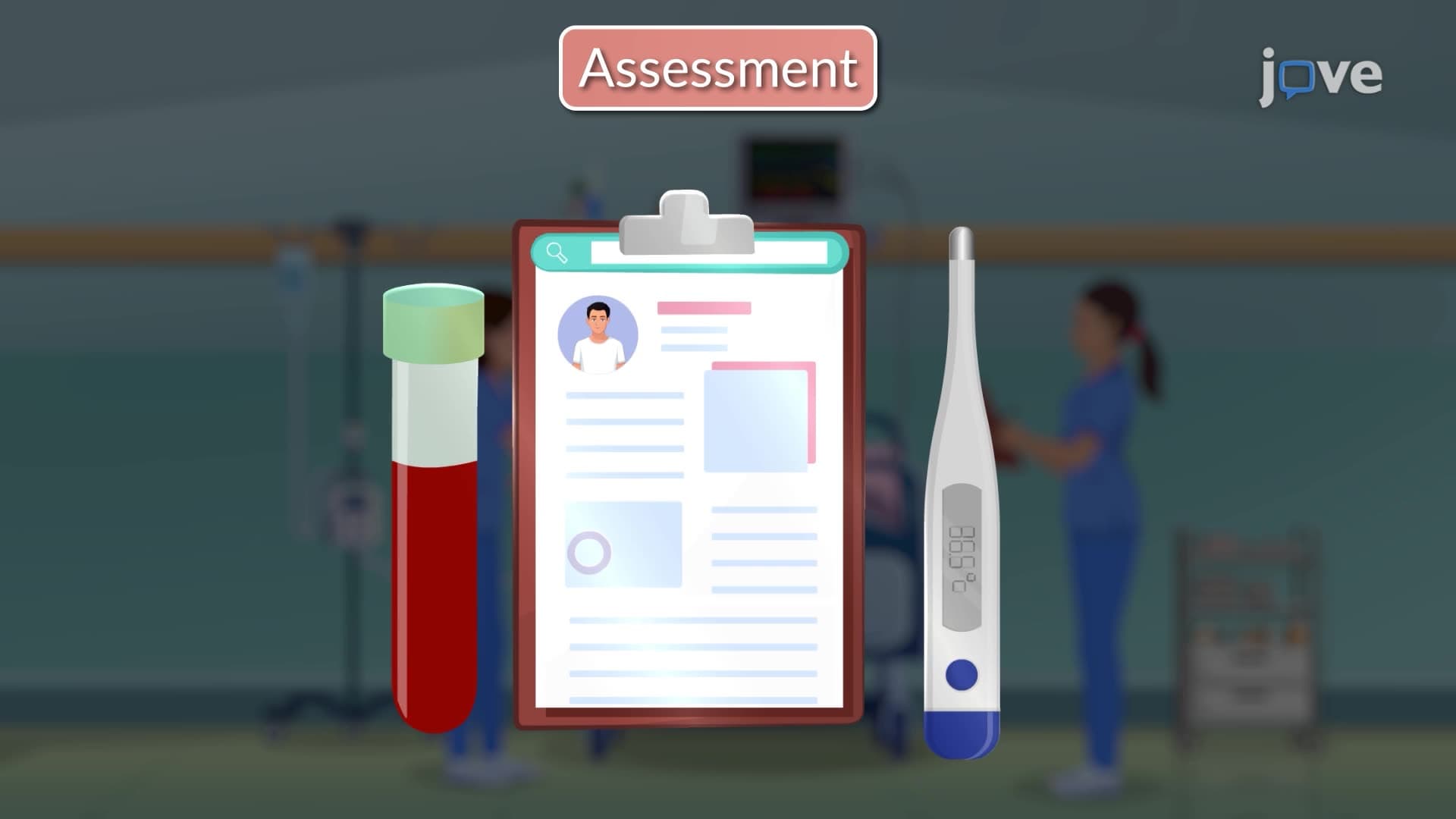
Non-verbal communication encompasses the systematic physical examination techniques nurses use to gather objective patient data. These include inspection (visual observation), palpation (touch-based assessment), percussion (tapping to assess underlying structures), and auscultation (listening with medical instruments). At Massachusetts General Hospital, nurses combine these techniques to identify clinical indicators like skin color changes, abnormal breath sounds, or irregular heart rhythms.
The integration of non-verbal assessment skills with verbal communication creates a comprehensive picture of patient health status. For instance, while interviewing a patient about fatigue, a nurse simultaneously observes for pallor, assesses pulse quality, and notes respiratory effort. This multi-dimensional approach ensures critical information isn't overlooked and supports accurate nursing diagnosis development.
The culmination of effective communication during assessment involves synthesizing collected information into structured nursing diagnoses. Using standardized language from NANDA International, nurses formulate three-part diagnostic statements that include the problem, related factors, and defining characteristics. This systematic approach ensures consistency across healthcare settings and facilitates effective care planning and interprofessional communication.
Related Micro-courses